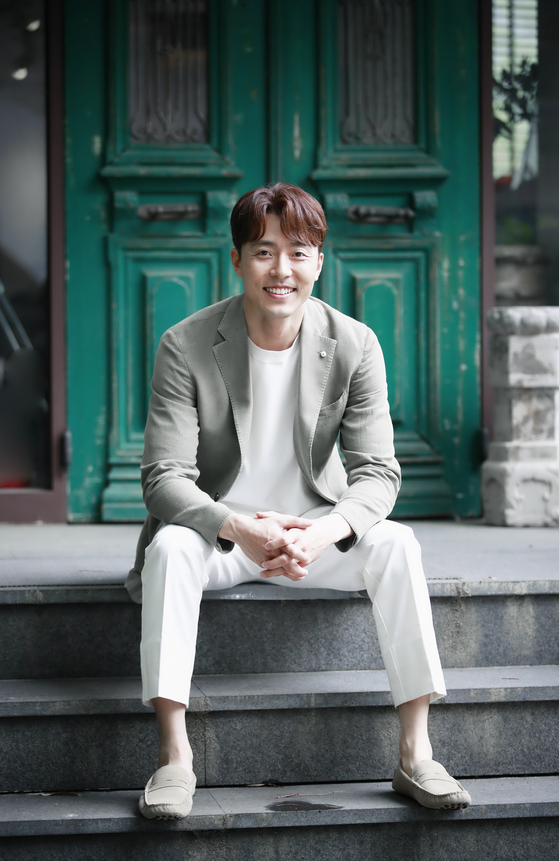
A match made in heaven: The evolution of Korean reality dating shows that struck a global chord
[EXPLAINER]
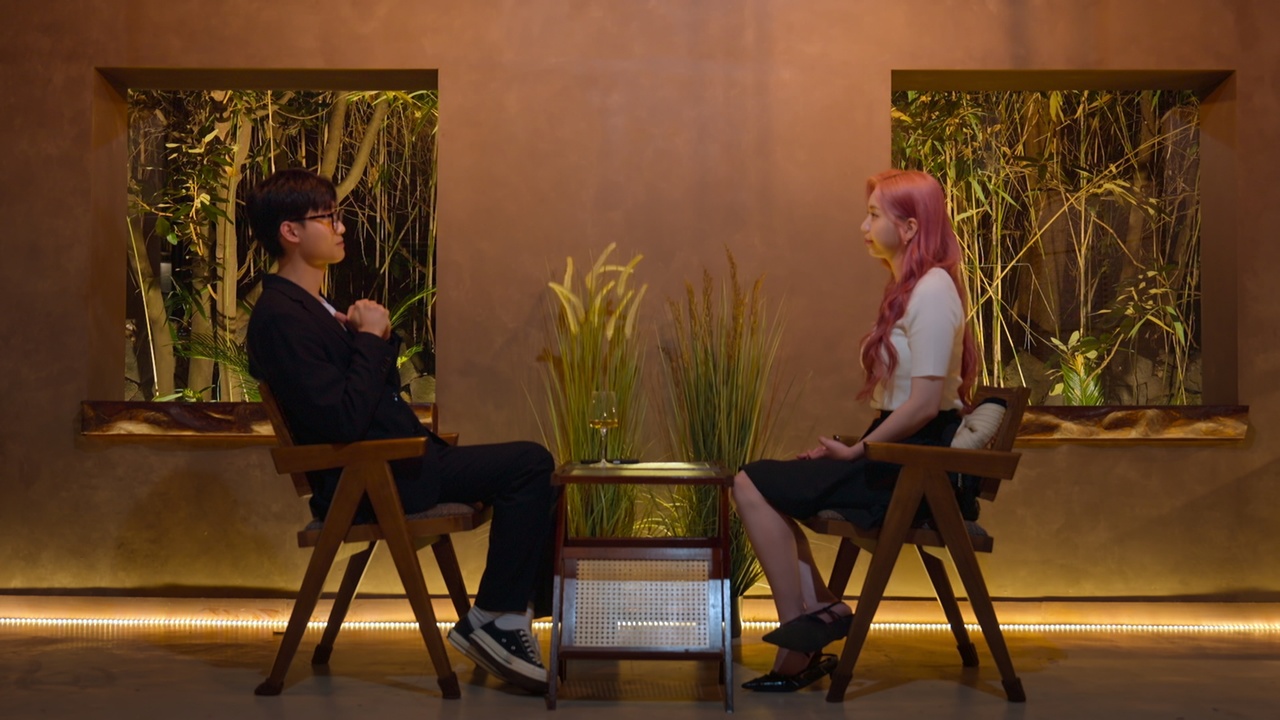
Netflix’s “Better Late Than Single,” now streaming, is the newest wild card in Korea’s reality dating show scene — joining a string of Korean shows that have proven popular both at home and abroad.
This show hones in on "motae solo" — a Korean term for adults who have never been in a romantic relationship — struggling to connect with their love interests and going on dates, often marked by awkward and endearing missteps.
It may not offer the dopamine highs and intense romantic tension of other love shows, but its raw sincerity and refreshingly unfiltered cast are winning over viewers at home and, increasingly, abroad.
The earnest look at a shot at love is the latest addition to at least a handful of chart-topping reality romance series born in Korea. From global hits like “Single’s Inferno” (2021-25), now gearing up for its fifth season, to “EXchange” (2021-23), where broken-up couples gather to either mend their relationships or find someone new, it’s clear that when it comes to reality TV romance, Korea knows how to serve it up.
But is this matchmaking magic a recent development? Hardly. Korea’s love affair with dating shows stretches back decades.
So, how did this genre get its start in Korea, and how did the local version find its way to global success? Were there any bombs? And with more everyday people stepping into the spotlight, what new challenges are emerging?

When did it start?
Though Korea is often viewed as conservative when it comes to romance, dating shows date far back to the 1970s. However, it was MBC’s “Love’s Studio,” which started in 1994 and lasted for seven years, that is widely recognized as the true beginning of modern dating shows in Korea.
The program was the first to popularize the term “Cupid’s arrow,” with the climactic moment of each episode revolving around participants’ final choices — when the direction of their arrows became the most anticipated reveal for viewers.
While the show mainly featured noncelebrity contestants, it occasionally included up-and-coming celebrities, such as now-famous names like comedian Yoo Jae-suk.
By the time it ended, “Love’s Studio” had featured around 2,800 participants and resulted in 47 couples getting married.
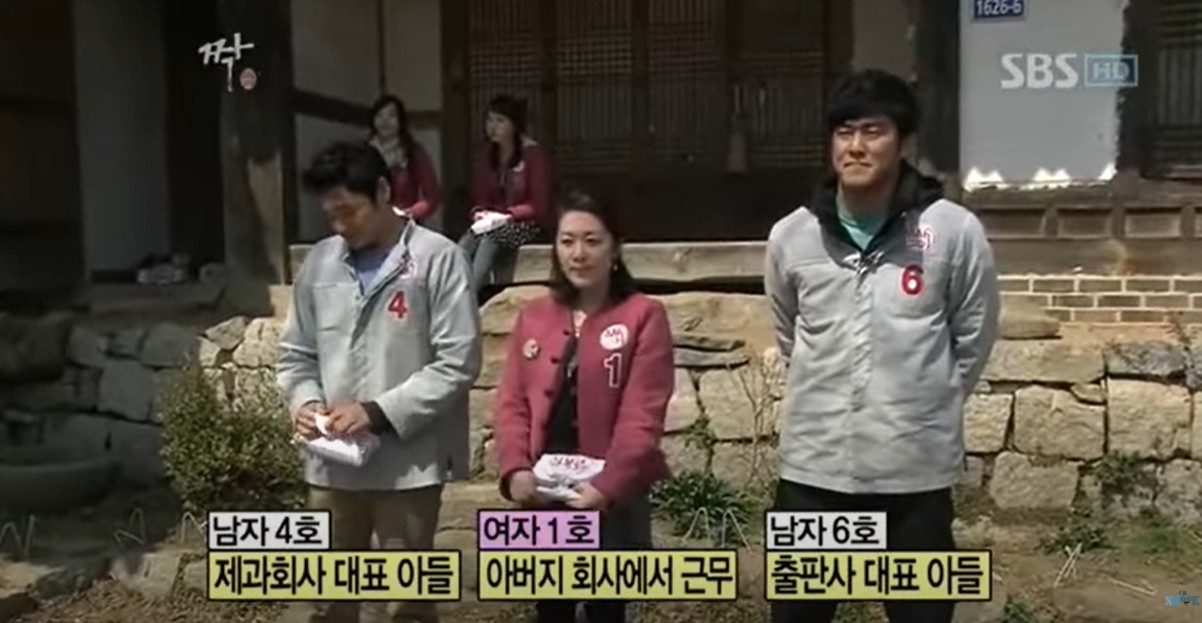
Since then, numerous dating programs have followed. Some featured only celebrities like MBC’s “Match Made in Heaven” (2002-03) and SBS’s “Real Romance Love Letter” (2004-06), while others focused solely on noncelebrities, like SBS’s “Jjak” (2011-14), which is often referred to as the forerunner of today’s hit show “I’m Solo” (2021-) since they are made by the same producer.
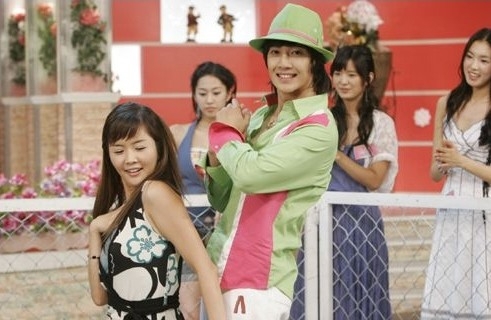
The early dating shows typically followed a relatively scripted format with participants taking part in cringey games and talent segments — such as dancing or singing — to showcase themselves, all guided by a host or moderator.
However, as with many shows of this type, viewer interest gradually faded, and the genre hit a rough patch, facing mounting criticism and even controversy.
The heavily produced nature of dating programs lost viewers as their appetites shifted toward more natural content, as seen in the growing popularity of observational reality shows. Celebrity-driven shows like “We Got Married” (2012-17), for example, faced criticism for feeling overly scripted and inauthentic.
The tragic death of a contestant on “Jjak” in 2014 while she was filming the show also contributed to putting an end to such shows. It sparked intense controversy and concerns about the ethics of casting noncelebrities and the psychological pressures of such programs.
All of this ultimately led to the so-called dark era of dating shows in the mid-2010s.
The genre bounces back
Yet, as with any trend, the genre eventually made a comeback.
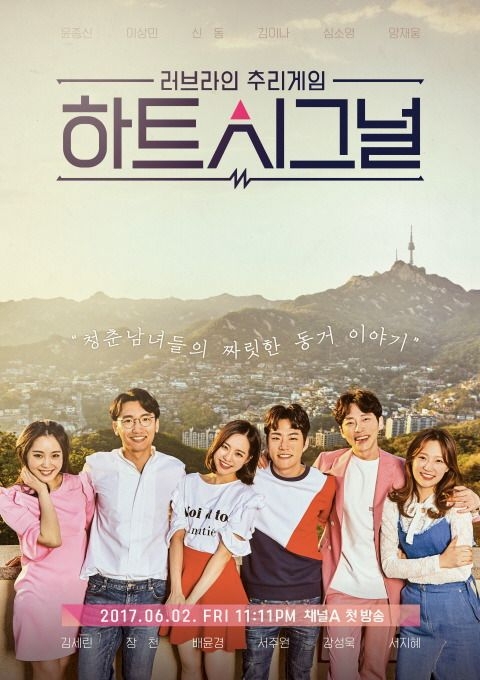
The show that reignited interest was Channel A’s “Heart Signal" (2017-23).
First aired in 2017, the show became a nationwide sensation in Korea with its refreshing approach to dating shows — a panel of commentators observing and analyzing participants’ behavior, while the participants live together under one roof without a host, unlike the early dating shows.
The attractive cast, not celebrities but still conforming to the stereotypical image of a likely first love, along with extremely sophisticated editing and emotionally stirring background music, made the show a huge hit.
The program has since aired four seasons, along with several spinoffs.
This show marked a new era in Korean dating shows, shifting away from scripted, intervention-heavy formats toward an observational style that focuses on noncelebrities.
Since then, many Korean dating shows have started to incorporate commentary panels, which have become a staple element and a key factor entertainment-wise for the genre.
Even that format lost traction, however, as some viewers grew tired of watching perfectly polished, conventionally attractive young people date in extravagant locations.
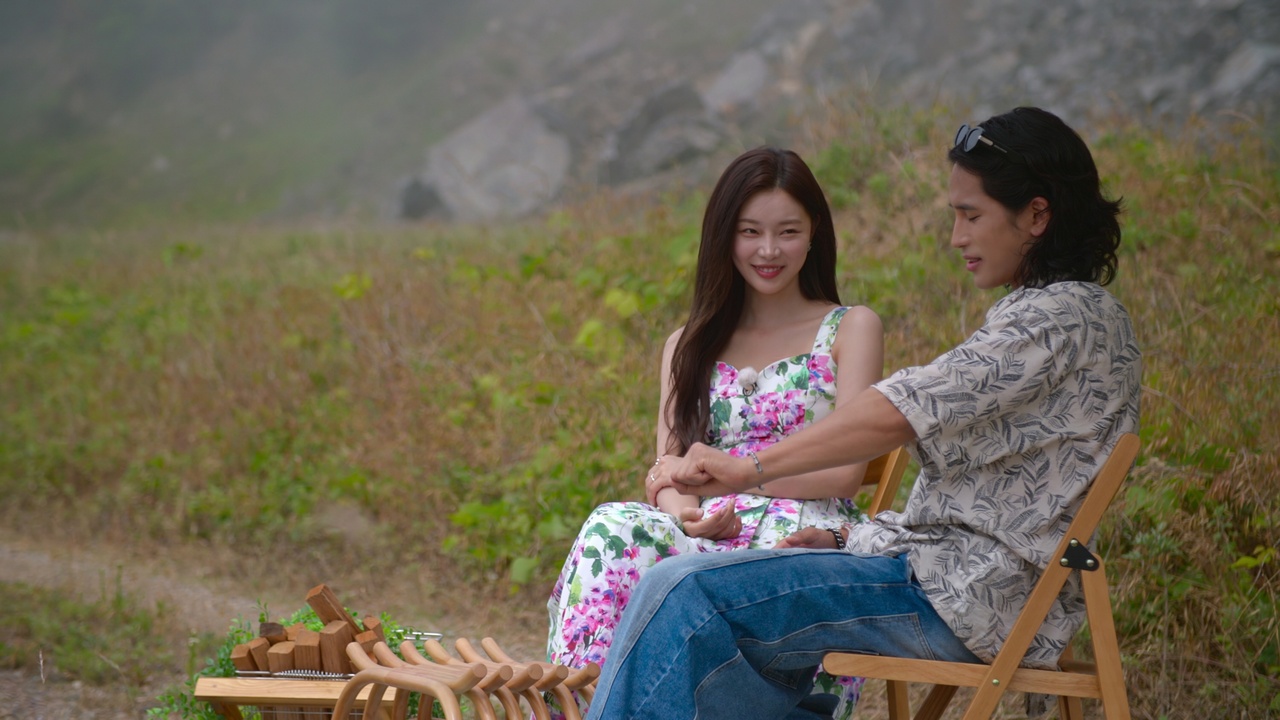
Then “I’m Solo” arrived in 2021.
The show offered a more down-to-earth alternative compared to other dating shows, with more relatable contestants and a modest, less-intimidating setting, containing participants together in Korean-style vacation guesthouses located in rural areas.
The show has now built a loyal fan base, currently airing its 27th series, along with a spinoff, “I’m Solo, Love Forever” (2022–), where participants from different seasons return for another chance at finding love.
Global streaming platform gives wings
With a decades-old foundation and evolving production styles, Korean dating shows started to appeal to a global audience, especially with the rise of streaming platforms like Netflix and Viu. This global reach has helped propel dating show franchises like “Single’s Inferno” and “EXchange” to newfound success, fueling the renaissance for the genre, once again.
“Single’s Inferno,” first released in 2021 on Netflix, features singles searching for love on a deserted island, dubbed the "Inferno," where electronics are banned and the only way to escape is as a couple. Matched couples are then sent to a luxurious hotel, "Paradise," for a romantic date night. The show emphasizes physical attraction to match the sizzling summer heat and beachside setting.
The first season became the first Korean variety show to enter Netflix’s global top 10 in the non-English category, and has continued as an ongoing franchise with new seasons. The fourth season was released in January.
As for “EXchange,” although it was originally released on a domestic streaming platform, it also gained international exposure thanks to global platform distribution. It aired on Viu across Asia, charting in various regions, including Singapore and Hong Kong.
A unique twist
As the genre saw a revival, a wave of new dating shows appeared, with each production team adding its own unique twist to stand out.
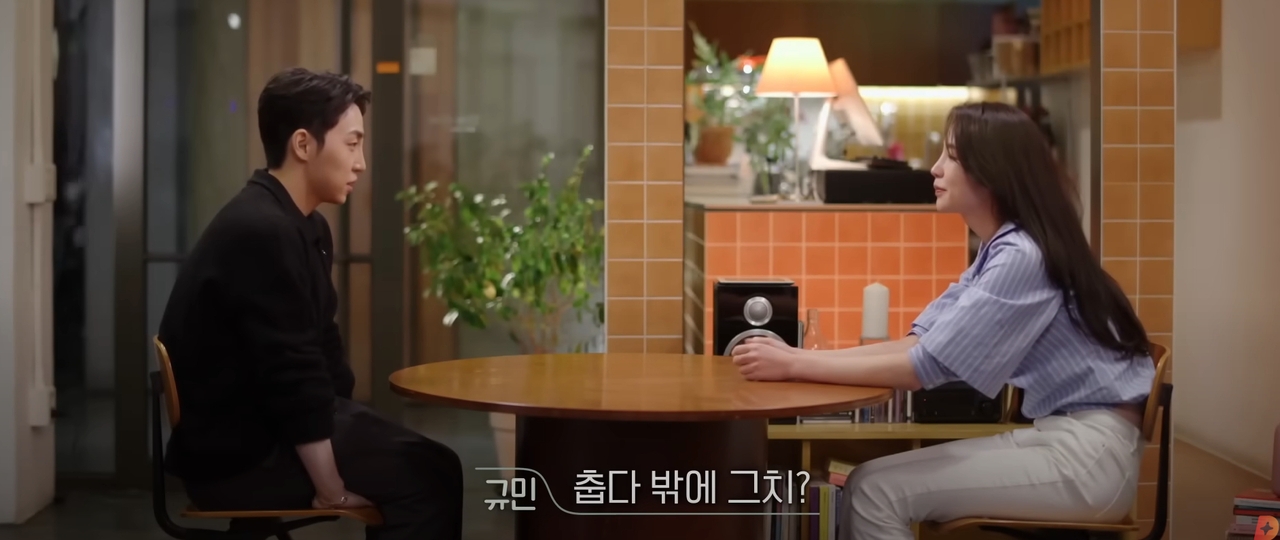
One of the most surprising — even to Korean viewers — yet ironically one of the most successful was the decision to put a bunch of exes together under one roof in "EXchange."
Participants must watch their ex go out on dates with other participants right before their eyes, all while keeping their past relationships a secret until the official reveal midway through the show. Viewers and the panel members are prompted to guess who used to date whom, a key element of entertainment in the show.
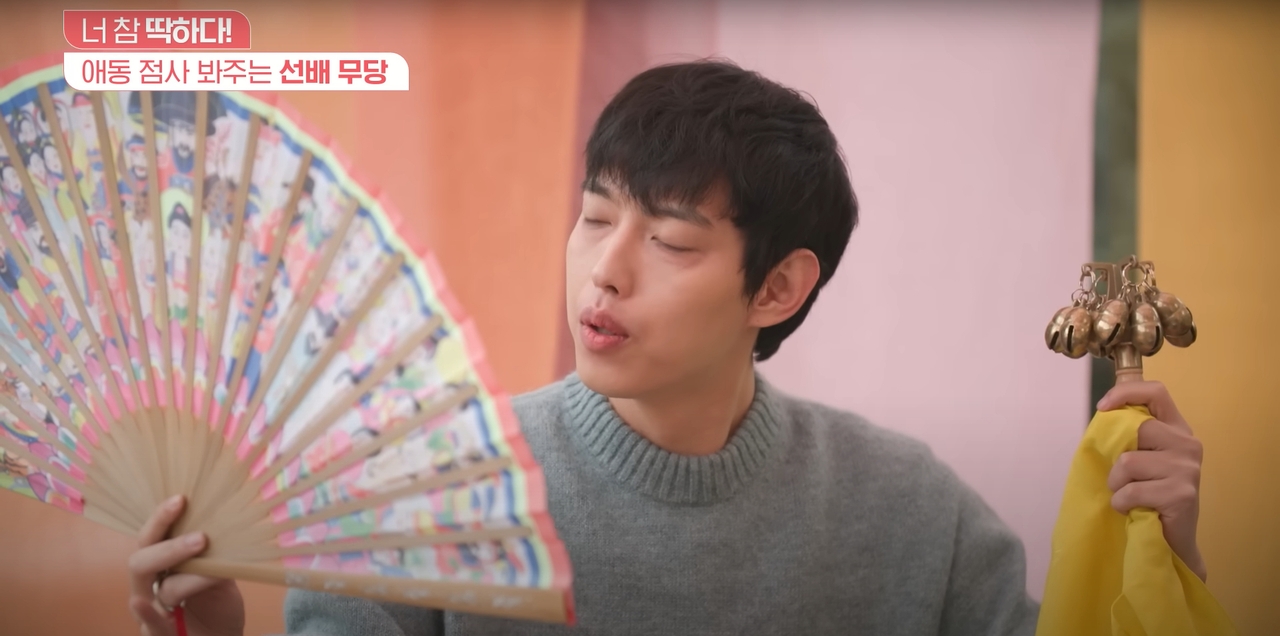
Pushing the boundaries even beyond the human realm and into the supernatural, SBS released the dating program “Possessed Love” (2024-25), a show featuring young male and female fortunetellers. With the participants, ranging from taro readers to Saju (the Four Pillars of Destiny) readers and even practicing shamans, it added a unique Korean cultural element to the familiar dating format.
Producer Lee Jin-ju, who was behind “EXchange,” also expanded the concept of the show with “My Sibling’s Romance” (2024). Instead of exes, this show centers on siblings, where participants not only search for love but also witness their own siblings’ romantic journeys, creating an awkward yet heartwarming dynamic of support.
However, Korean productions did not stop at focusing solely on young singles. Shows like MBN's “Love After Divorce” (2021-) shifted the spotlight to divorcees, portraying a more realistic take on love, life and partnership, especially for those with children. The participants spend time living together during the show before making their final decisions.
While the majority of Korean dating shows focus on heterosexual couples, recent years have seen a growing inclusion of the LGBTQ+ community as well, with the release of programs like “His Man” (2022-24), a gay dating show, and “ToGetHer,” Korea’s first lesbian dating show.
Hyperrealism and personal makeover
In recent years, the Korean public has increasingly shown signs of fatigue toward watching others skillfully date, as the genre is now considered a "red ocean." More often than not, participants end up becoming influencers or celebrities, leading to the growing suspicion that they are more interested in fame than in finding love.
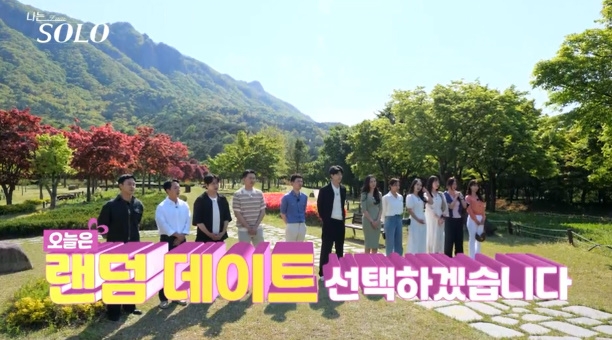
Amid such skepticism, one program continues to thrive: “I’m Solo.”
The ongoing dating show still captures viewers’ attention with its hyperrealism — with many calling it “a tableau of human figures.”
Viewers are drawn to the show’s raw and unfiltered portrayal of real, relatable people navigating love and relationships, as well as personal struggles such as physical distance and emotional vulnerability.
The dating spots also feel comparatively accessible and familiar — places like baeksuk (chicken boiled with rice) or maeuntang (spicy fish stew) restaurants in rural areas, where many Koreans often dine during countryside trips. These are not the typical trendy restaurants or cafes usually featured in dating shows, which adds to the show’s authenticity.
The setting, too — a Korean-style pension — feels far more realistic than the luxurious hotels or accommodations where participants in other shows usually stay.
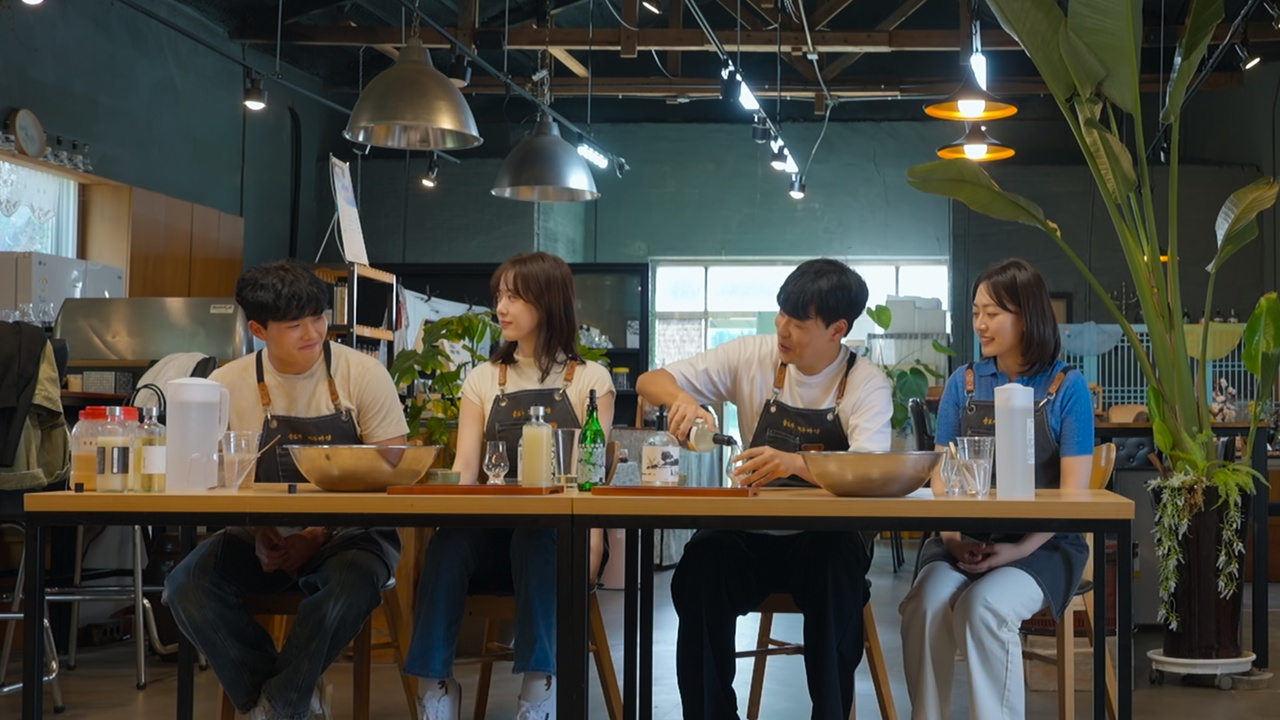
As for the latest Netflix show, “Better Late Than Single,” it spotlights those who are inexperienced, where flirting feels awkward and interactions often unfold in hilariously unexpected ways — a far cry from the polished, flirtatious participants seen in more conventional shows.
This raw unexpectedness and awkwardness seem to amuse viewers the most, as it breaks typical dating show expectations of male-female bonding seen in other matchmaking shows and remind people that first loves don't always begin as perfectly and smoothly as they do in dramas.
It also introduces new ground by shifting its focus beyond just romantic connections to personal growth, as participants undergo a six-week makeover program that includes not only fashion styling but also mental and emotional development, ranging from speech coaching to psychological counseling.
Watching the participants grow over time encourages viewers to root for them not only with excitement but also with warmth.
Whatnew challenges are emerging?
Featuring noncelebrities remains a consistent trend in Korean dating shows, largely due to the authenticity they bring, along with limited background information that sparks viewer curiosity. However, this has also created unexpected — and often negative — consequences.
Verifying the validity of participants has become a crucial process for many dating shows, as controversies have arisen when issues were discovered after the shows had aired.
For instance, recently, a “I’m Solo” participant, who also appeared in its spinoff, was found to be indicted for sexual assault. Additionally, in 2024, a participant of the same show was revealed to have a prior conviction for theft and was subsequently removed from the show.
There was also a similar case for its forerunner, “Jjak,” where a participant was later found to have appeared in an adult video after falsely claiming to have no involvement in the industry.
Also, noncelebrity participants are often unprepared for the intense pressure on set and the public scrutiny that follows, especially as social media has become more active. Many fall victim to such settings and become targets of malicious comments and false rumors.
One major case that shocked the nation was the death of a participant on the dating show "Jjak" during filming. The police concluded that she died by suicide, with an acquaintance contending that the participant said filming was "excessive" and that she felt "humiliated." The tragedy sparked controversy over the ethical nature of production when it comes to noncelebrities and, ultimately, the show's cancellation.
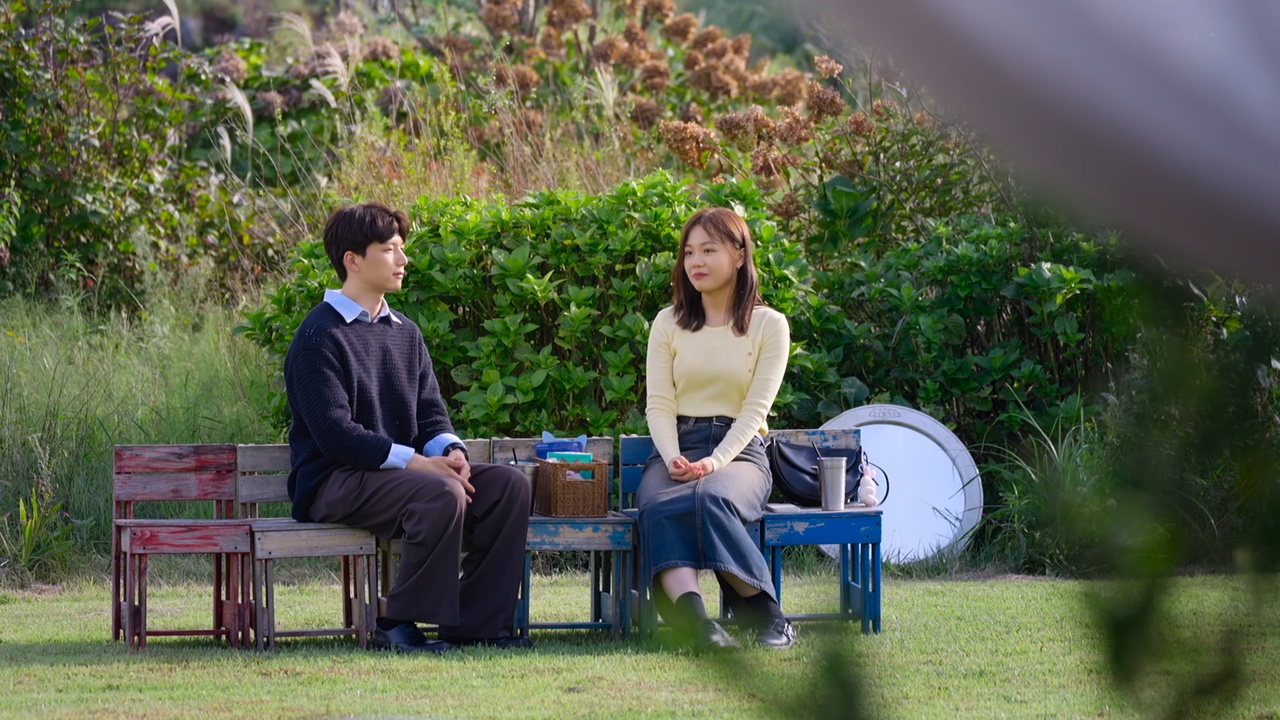
Several former dating show participants have also come forward to share their struggles, revealing that they experienced depression and panic disorder after their appearances. For example, Seon Ho-min from “EXchange” admitted via his YouTube channel that he suffered from depression and panic disorder following the show.
With these recurring issues, many argue for the necessity of protection and support guidelines for such noncelebrity participants, and it appears that production teams are now becoming more cautious and proactive in assuming responsibility.
Producer Kim Noh-eun of “Better Late Than Single” said during the show's press conference, “Even after filming concluded, the production team and Netflix have maintained regular contact with them to provide ongoing support and care.”
BY KIM JI-YE [kim.jiye@joongang.co.kr]