A year after NewJeans-ILLIT clash, copyright conundrum still engulfs K-pop
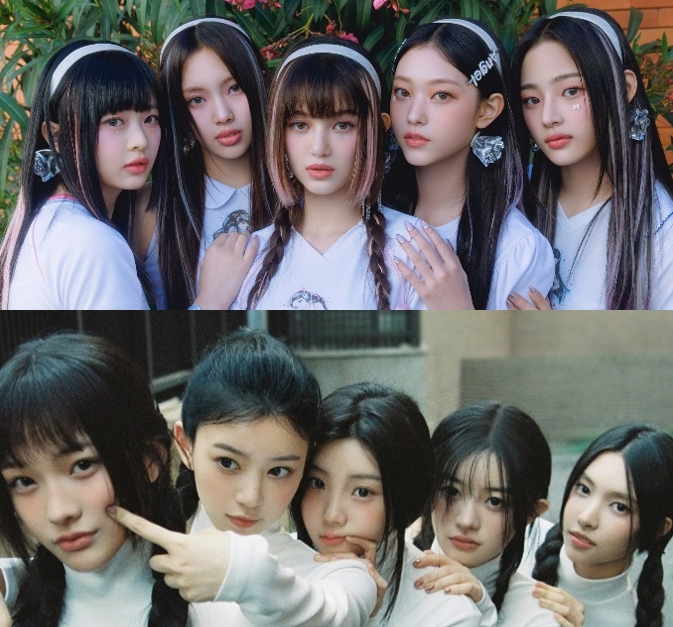
While a Seoul court’s recent ruling in favor of ADOR prompted NewJeans members to return to their estranged agency, an underlying conclusion in the decision carries its own weight: The court found that ILLIT, “despite partial similarities,” did not plagiarize NewJeans.
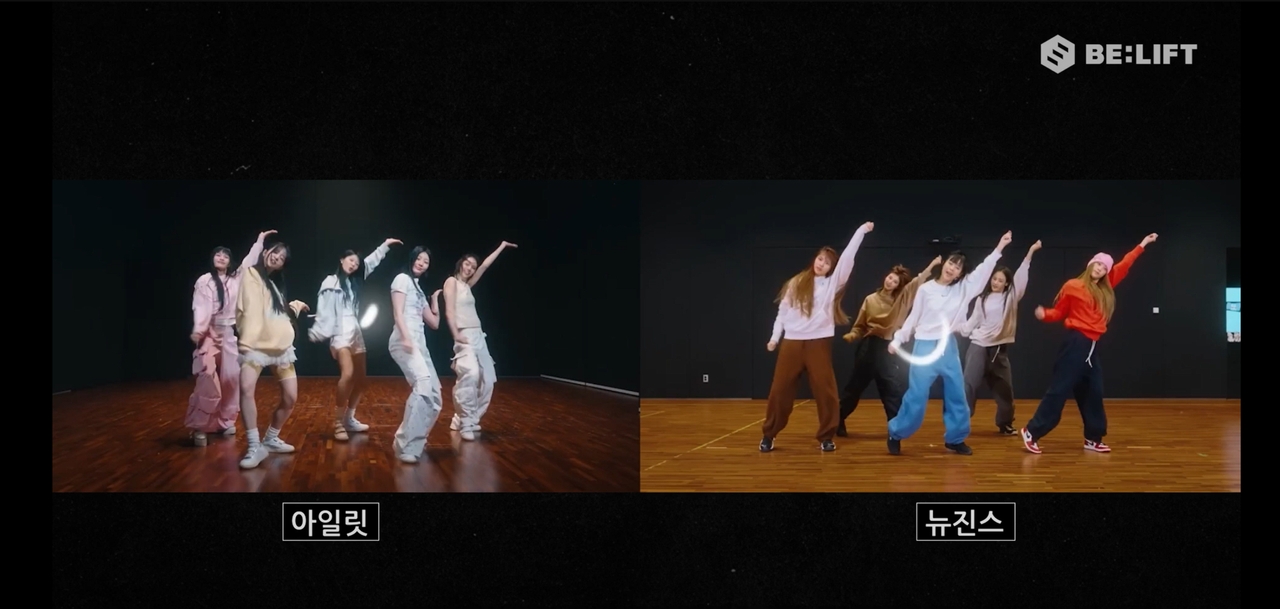
The finding cuts to the heart of one of the most contentious points in last year’s high-profile feud between ADOR and its former CEO, Min Hee-jin — whether ILLIT copied NewJeans’s overall concepts, visuals and choreography.
And the debate it sparked continues to ripple through the industry, where the boundaries between inspiration, imitation and infringement remain poorly defined.
Copycat allegations a constant
In a bombshell press conference in April of last year, Min claimed that HYBE’s girl group, ILLIT, copied NewJeans in aesthetics, concept, promotional methods and choreography.
“Why did you [HYBE] use our choreography?” said Min. “I asked them, and they didn't answer us. Our choreographers are so angry. It would be wrong for us not to say anything. They're ruining ILLIT, too.”
Choreographers also weighed in, including NewJeans performance director Kim Eun-ju, who said in May that ILLIT’s new release was “just copy and paste.”
Min’s accusations led to a series of legal actions, including a lawsuit against her claiming defamation and obstruction of business filed by ILLIT's agency, Belift Lab, as well as a separate court battle over the validity of exclusive contracts of NewJeans members with ADOR, which recently ended in the label's favor.
In the latest ruling, the court concluded that “despite partial similarities in concept ideation and photo shoots, they are insufficient to determine that [ILLIT] copied [NewJeans’s] concept, and there is no further evidence to support such a claim.”
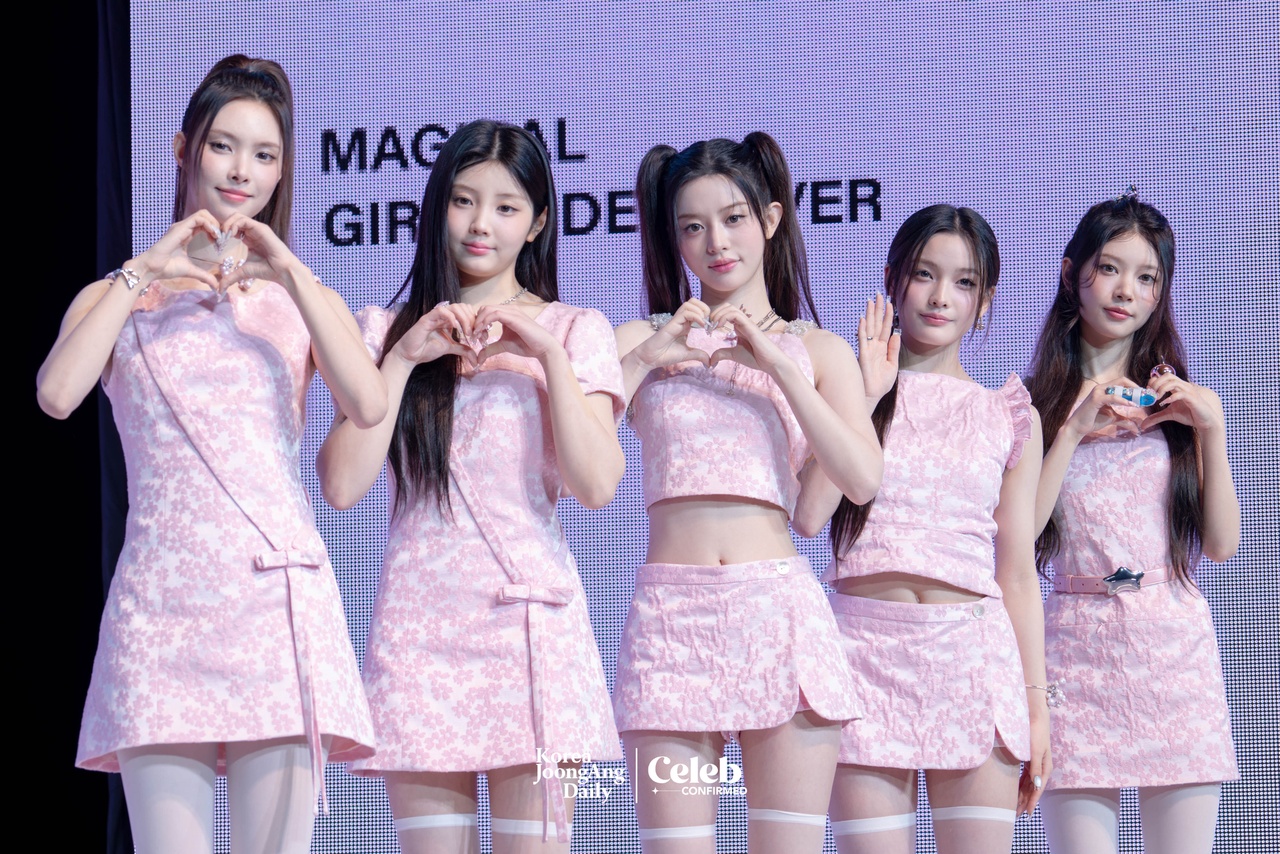
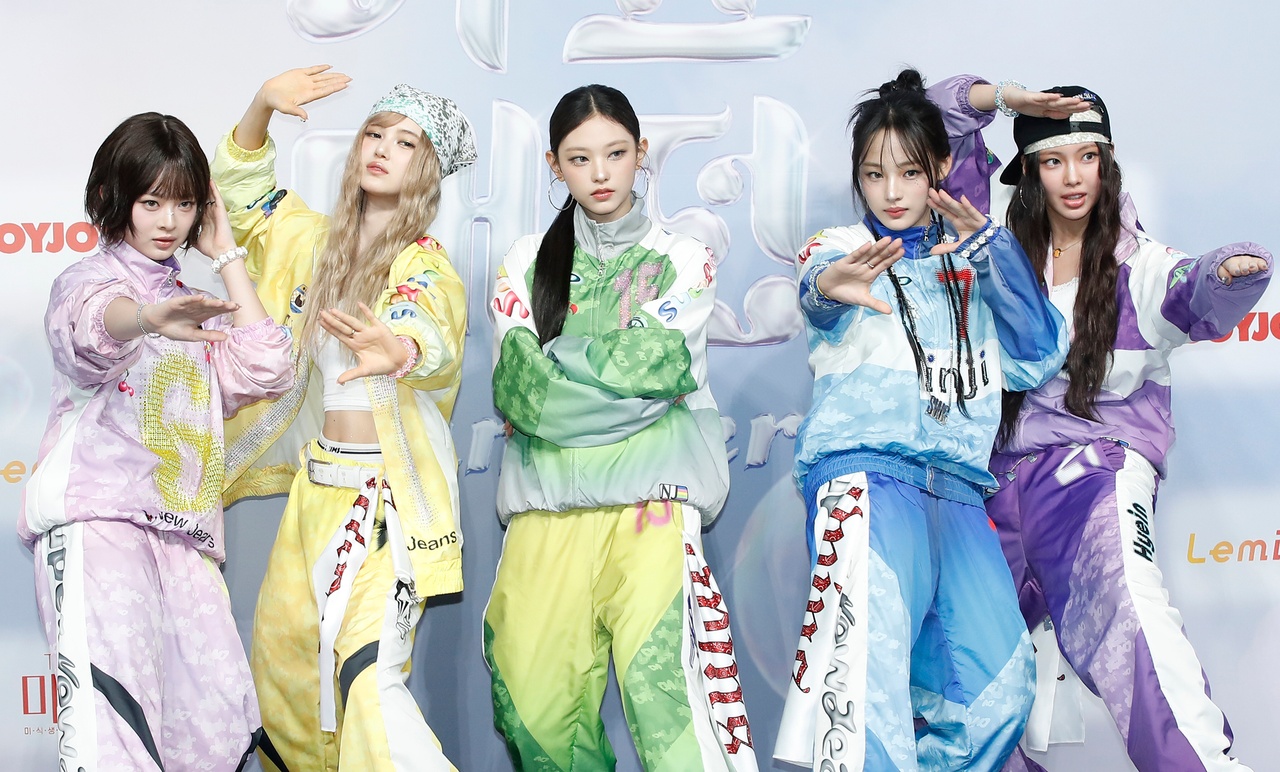
Fan wars, however, continue to take place online. Footage of ILLIT's recent performance of "jellyous" at the Music Bank Global Festival on Saturday went viral on social media, prompting some NewJeans fans to accuse the group of once again borrowing heavily from NewJeans, citing its retro-leaning remix and vivid, brightly colored outfits. ILLIT's defenders countered that the performance had no substantive resemblance to NewJeans's concept, arguing that neither the sound nor aesthetics were ever exclusive to NewJeans to begin with — a familiar back-and-forth that has been repeated numerous times in the debate.
Such disputes are hardly new in K-pop, a genre defined by hybrid influences and a fast production cycle often likened to factory-style manufacturing.
First-gen girl group Fin.K.L. once faced plagiarism allegations over its visual elements, said to resemble Japanese girl group Morning Musume, a claim some dismissed as a reflection of prevailing fashion trends at the time.
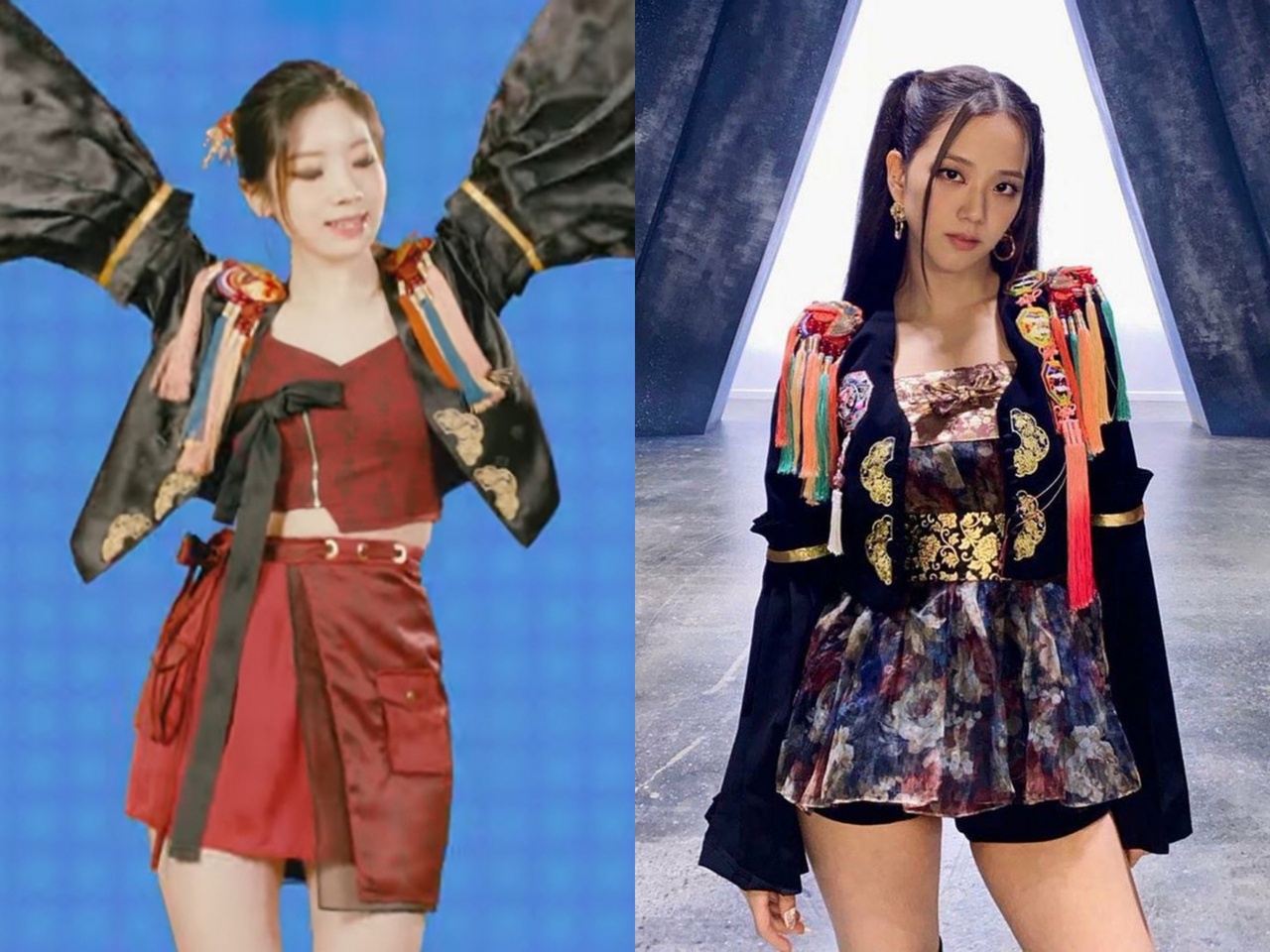
More recently, in 2021, JYP Entertainment issued an apology after a Twice member appeared in an outfit with traditional vibes that fans said resembled Blackpink’s customized outfit designs inspired by hanbok (traditional Korean outfits).
In 2022, girl group NMIXX was accused of plagiarizing boy band Ateez’s pirate-themed world-building due to shared imagery centered on voyage and adventure-related design elements.
Yet these cases rarely reach definitive conclusions unless agencies yield to online backlash. Under copyright law, broad concepts — such as fashion styles or aesthetic themes — are generally considered ideas rather than protected expressions. Only concrete creative output, such as music, lyrics or album covers, qualifies for protection.
Choreography copyrights still unresolved
Meanwhile, choreography, one of the major points of contention in the ADOR-Min feud, was not directly addressed in the latest ruling, which focused on overall visual concepts. Still, choreographers who began to speak out last year continue to push for stronger recognition of their creative rights.
In late April of last year, the Korea Choreography Copyright Association (KCCA) was launched, with famed choreographer Lia Kim, founder of 1Million Dance Studio, serving as the inaugural president.
The group’s demands include mandatory crediting of choreographers for K-pop performances, similar to how composers and lyricists are credited, and greater recognition of choreographers’ ownership of their work.
“The most ideal direction is to have a system that distributes profits generated from choreography in the same way royalties work for songs with, for example, secondary commercial uses,” said Kim Min-ja, director of the KCCA.
“Earning revenue from viral dance challenges is still a distant goal. For now, the priority is ensuring fair compensation.”
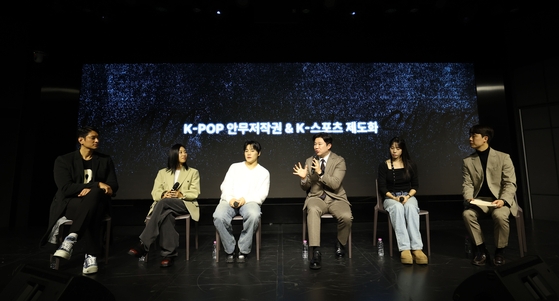
In September, lawmaker Rep. Jin Jong-oh of the conservative People Power Party proposed a bill to explicitly include choreography as a protected creative work under the Copyright Act, which is currently pending in the parliamentary committee.
While choreography is technically protected under existing law, choreographers are rarely credited or allowed to retain copyrights, making the amendment a symbolic move.
The proposal, however, is not without backlash. In February, music industry organizations including the Korea Management Federation (KMF) warned that granting exclusive rights to choreography “could discourage producers from using dance performances, ultimately reducing the combined benefits of choreographers in the industry.”
Law, perception and fandom collide
Questions over intellectual property ownership extend beyond agencies and artists into fandom culture, where disputes often play out before any legal assessments.
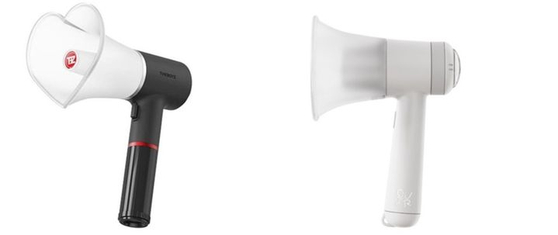
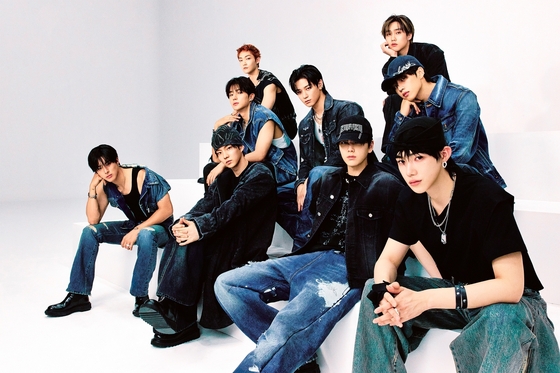
A recent example involved boy band The Boyz and girl band QWER, whose agencies clashed over similarities in their official light stick designs — a core symbol of fandom identity.
“The [K-pop industry] is highly exposed to public scrutiny and attention, which makes such conflicts particularly damaging,” said a source from the music industry who wished to remain anonymous.
But it is difficult to set universal guidelines, because “even though such plagiarism scandals appear similar, each case is fundamentally different.”
The Boyz’s agency, One Hundred Label, said it had requested a design change after identifying similarities and hinted at possible legal action in September. As of December, the agency is currently in discussions with legal experts on a possible response, its spokesperson said.
QWER’s label countered immediately, saying that legal consultations found no copyright infringement.
The KMF soon stepped in to mediate the situation, noting that property disputes are particularly difficult to adjudicate because the line between reference and plagiarism is often subjective and difficult to define.
“The dispute sparked by this light stick can be seen as an example of the various conflicts that may arise more sharply in the industry as it becomes increasingly sophisticated,” said the KMF. “For the sustained growth of K-wave in the future, all stakeholders need to take a responsible approach and work together to refine the system and establish a fair order.”
BY SHIN HA-NEE [shin.hanee@joongang.co.kr]