Animal wrangler shares behind-the-scenes story of 'My Daughter is a Zombie' cat's purrfect turn on screen
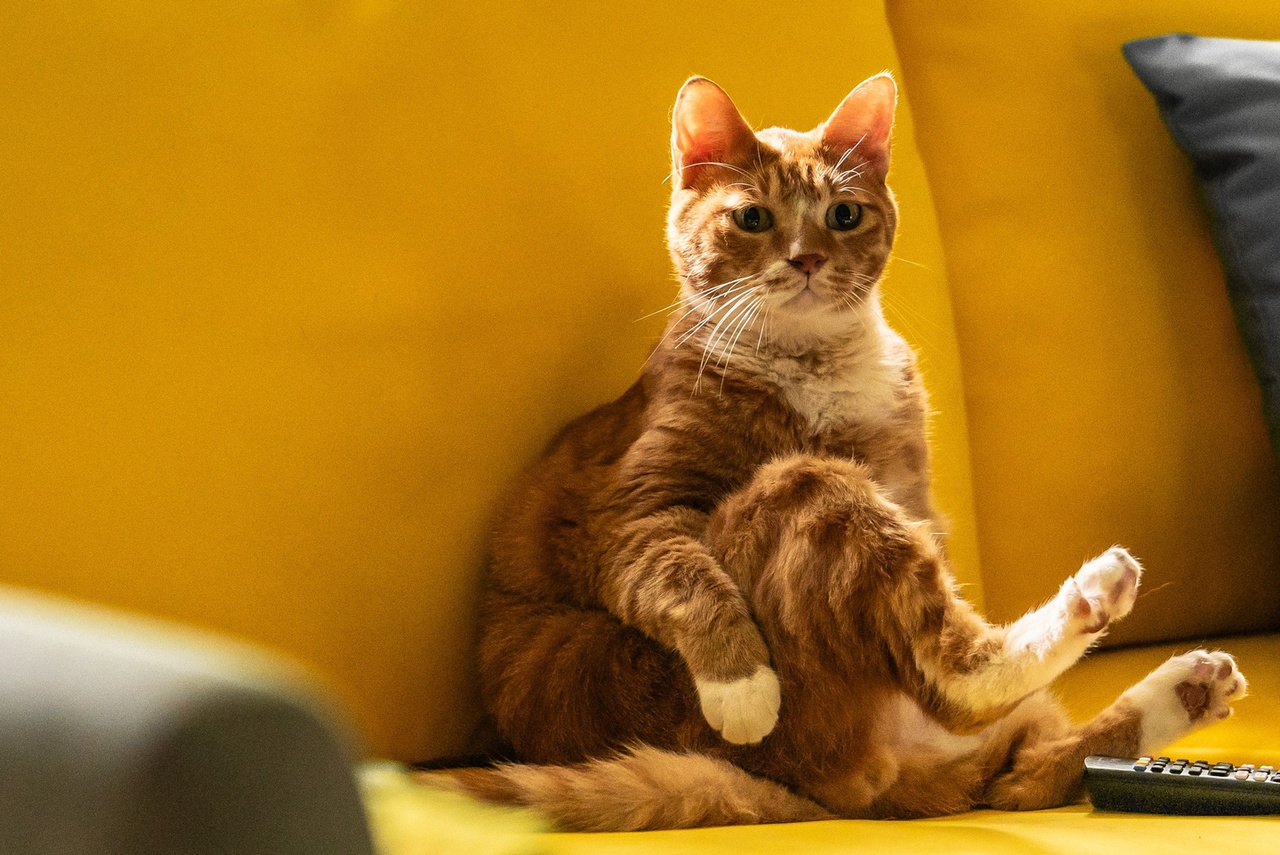
In the latest box office hit "My Daughter is a Zombie," a heartwarming yet humorous family drama centered on a daughter-turned-zombie, a surprising scene-stealer is winning over audiences: Aeyongyi, the family's lovable Korean short-haired cat.
The cat has become so popular that merchandise is being released, such as Aeyongyi-inspired fans, badges and wallpapers for smartwatches and phones.
Some may think that the cheese-colored feline is a CGI creation. Don’t be fooled. Aeyongyi is a real cat actor who landed the role through a final 4-to-1 audition.
So how did Aeyongyi find his way onto the big screen? The Korea JoongAng Daily sat down with Kim Da-yoon, the CEO of the cat’s agency Pet Focus — yes, the cat has an agency — to hear more about this furry star and to get a glimpse into the little-known world of animal actors in Korea.
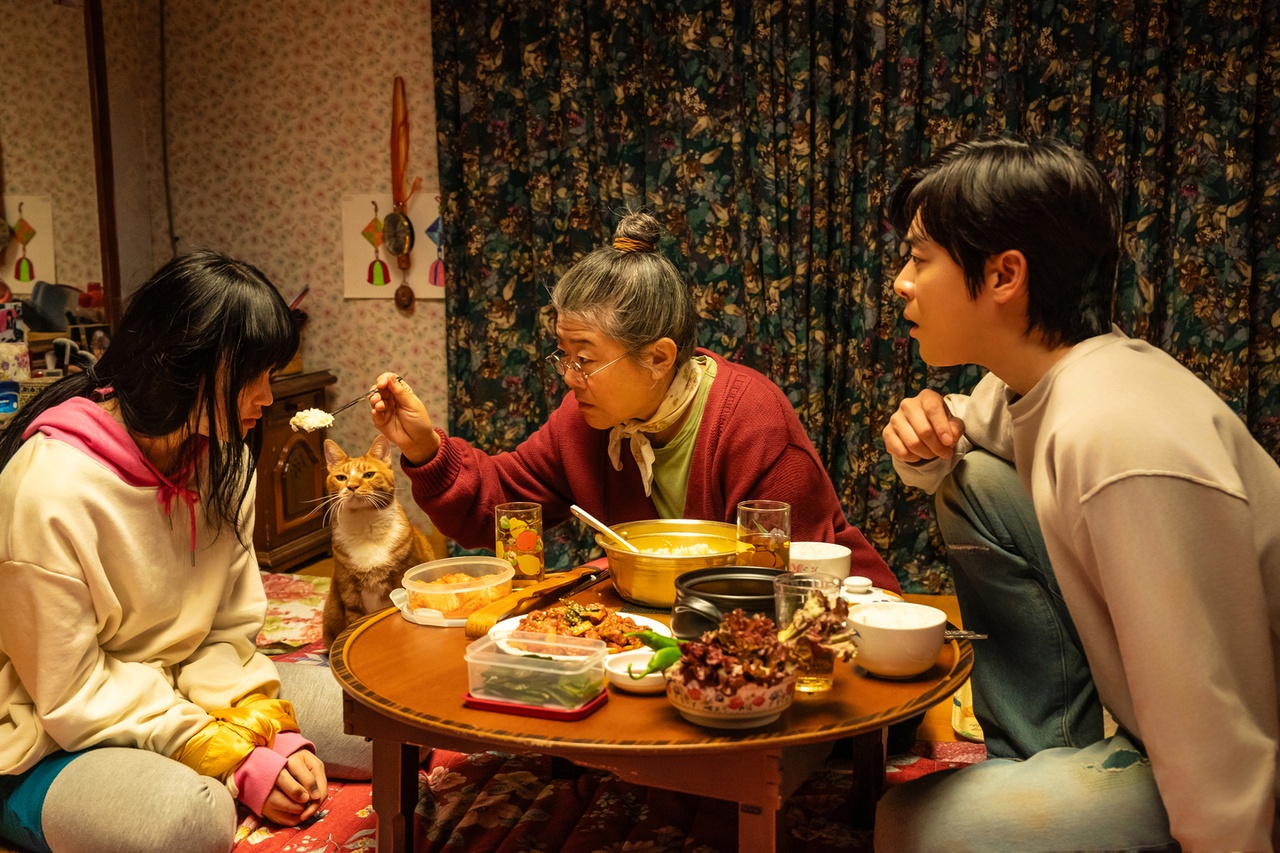
Born to be Aeyongyi
The cheese tabby is a beloved character among fans of the original webtoon series for its nonchalant yet chic disposition. So it was only natural that he be included in the film adaptation.
But there was one major challenge: cats are famously difficult to train — a fact the production team was well aware of, leading them to consider using a CGI cat. However, director Pil Gam-seong, a cat owner himself, pushed to find a real cat to play Aeyongyi, saying in a recent interview that he had a sense of “unfounded confidence.”
And that cat turned out to be Geumdong, Aeyongyi’s real name. Out of the four final candidates, Geumdong was the only one who didn’t hide from people during the audition.
In the film, Geumdong effortlessly captures Aeyongyi’s laid-back personality, even sitting on the couch like a human and watching TV. Some scenes, like when he jumps on the roof, were created using CGI for safety reasons.
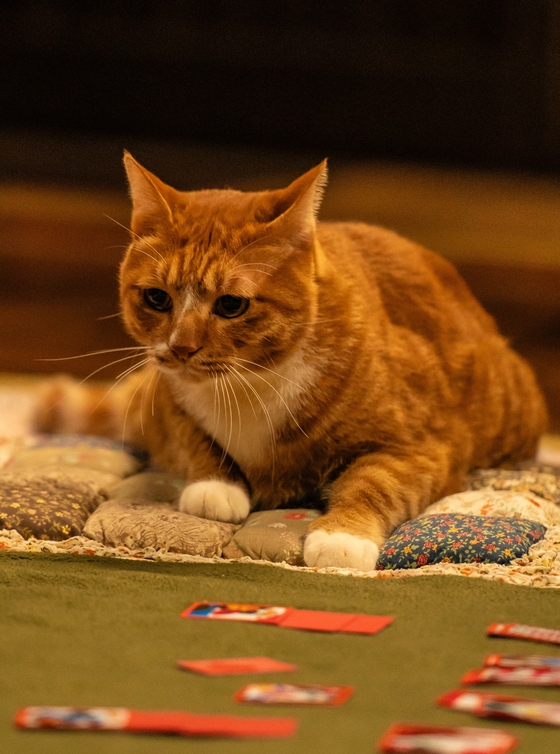
When asked how Pet Focus CEO Kim managed to train Geumdong — especially considering this was the cat’s big screen debut — she said there was no special trick. As an experienced animal wrangler, her approach was simply to form a deep connection with the feline actor. Animal wranglers are professionals who train and care for animal actors, which is often used interchangeably with the term, handler.
“He[Geumdong] was being just himself,” Kim said with a chuckle.
"It wasn't like we forced him to sit still or anything. We’d just say, ‘Here, sit here and rest,’ and he’d just sit there like it was nothing. He was that kind of laid-back cat."
In other words, Geumdong was born to play Aeyongyi and to be an actor.
Still, Kim emphasized that even the calmest animals need time to adjust. Though Geumdong seems perfectly at ease on screen, the early days on set weren’t so smooth.
"No matter how easygoing a cat is, Aeyongyi [Geumdong] did wander off a lot in the beginning,” Kim said. “It was a new environment and set, with unfamiliar people, along with big, dark equipment. So, he was definitely a bit like, ‘what is going on here?’"
But thanks to the strong bond between Kim and Geumdong, and plenty of patience, the furry actor eventually settled in.
“By the latter part of filming, he had gotten so comfortable on set, it was like his own home. He would nap in the front yard and just lounge around like he belonged there,” Kim said.
How to become an animal actor?
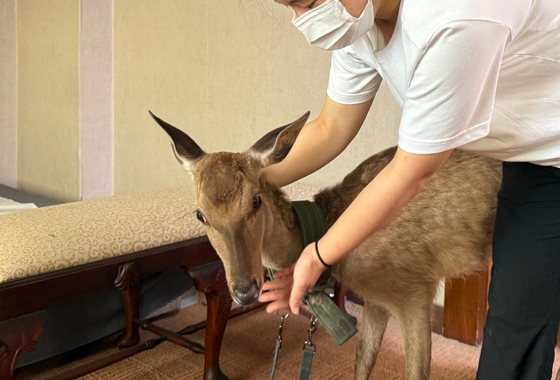
Like Geumdong, there are thousands of animal actors under an animal agency in Korea, from familiar faces like dogs and cats to more unexpected ones such as horses, turtles, goats and even deer.
Though each animal agency operates a bit differently, most function much like agencies for human actors. They receive scripts, analyze the role and recommend animals that fit the requirements. Some, like Pet Focus, also provide in-house training to prepare their actors for specific roles before going on set.
But how do these animals become actors in the first place? In Kim’s case, for dogs, many were originally brought in due to behavioral issues, as she also offers training services as a certified animal handler. But through working with them, she often ends up discovering their hidden talents.
"They were dogs with behavioral issues like excessive barking, separation anxiety or even aggressive reactions to unfamiliar people,” Kim said. “But as I spend time with them, I often get to notice their individual strengths."
Another way animal actors are discovered is through street casting — just like in the human acting world. “That’s why I always carry my business card with me,” she said with a laugh.
What catches her eye, however, isn’t just looks. It’s their personality.
“Looks are important, but what really matters to us is how the animal responds to and focuses on people,” said Kim, who grew up in the industry thanks to her parents working in the same field. “As handlers, we can spot those traits immediately.”
Guided by bond, not pressure
The demand for animal actors in Korea has significantly increased, according to Kim, especially as dogs and cats have become a major part of many Koreans’ daily lives — a trend that drama and film productions are seeking to portray.
With the growing number of appearances comes greater concern for animal welfare. Kim stressed that animals should never be forced into acting. Instead, they should be gently “guided” and made to enjoy the process — a key skill for an animal wrangler, according to Kim.
"Just because an animal actor isn’t doing something right away doesn’t mean you can force them to,” Kim said. “What matters most is that they’re having fun and enjoying themselves — that’s when their personality really shines on screen. If you scold them or try to make them do things against their will, they can become withdrawn, and it shows. So for me, making sure the animals are happy and excited comes first."
For Kim, ensuring the animals’ safety and well-being is the most important part of her job. And while she acknowledges that conditions have improved greatly over the years, there’s still room to improve.
“Some of the animals can be more sensitive to stress, so it’s really important for us wranglers to manage that carefully to make sure everything stays safe, smooth, and most of all, enjoyable for them,” she said.
“I personally prefer training methods that give them time to think for themselves, even if it takes a bit longer. I believe that kind of training will gain more recognition and trust moving forward."
BY KIM JI-YE [kim.jiye@joongang.co.kr]