Apple TV+'s 'KPOPPED' packs star power, lacks edge
[REVIEW]
What is K-pop? The latest competition show “KPOPPED” on Apple TV+ attempts to answer that question by pairing global pop icons — such as Megan Thee Stallion, Spice Girls and Patti LaBelle — with K-pop idols to perform reimagined versions of the former's hit songs, infused with a K-pop twist.
In short, pop hits are getting “Kpopped.”
And the verdict?
It sure is a bold experiment — but one key element came up short: The format itself, as what felt fresh at first, soon grew somewhat repetitive and dull.
The scale of the show is formidable. Executive producers include Lionel Richie and rapper Megan Thee Stallion. It is co-produced by Korean entertainment powerhouse CJ ENM. Its hosts are Korean singer Psy, Korean American actor Son Soo-jeong, who appeared in Apple TV+'s "Servant" (2019-23), and U.S. rapper Megan Thee Stallion. The show premiered on Aug. 29 with eight episodes unveiled all at once.
Each episode paired a global artist with a K-pop idol group, whose members were split into two subteams to prepare a joint performance within 48 hours. Then they compete with each other to see which team did a better K-pop remake of the pop songs.
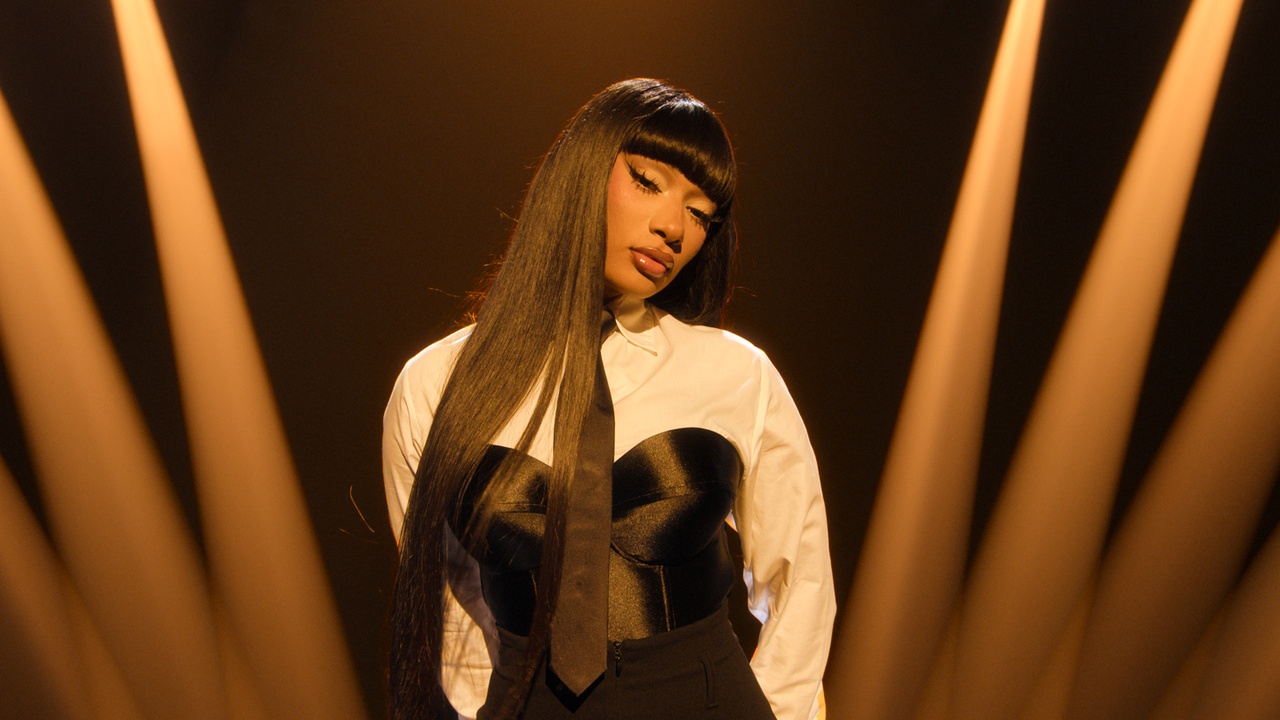
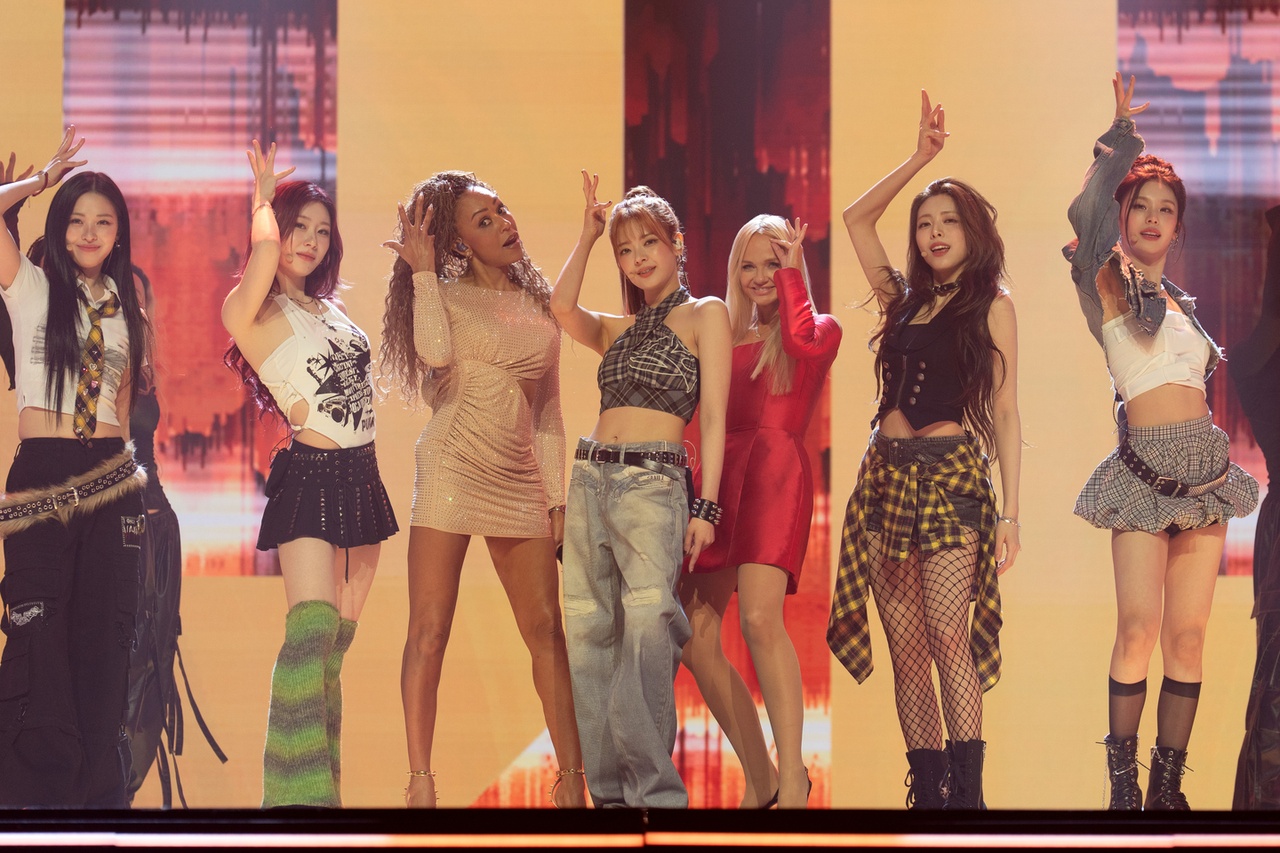
The lineup featured Megan Thee Stallion and Patti LaBelle teaming up with girl group Billlie; Spice Girls’ Emma Bunton and Mel B with ITZY; Vanilla Ice and Taylor Dayne with Kep1er; Eve and Kesha with JO1; Kylie Minogue and J Balvin with Ateez; Boy George and TLC with STAYC; Ava Max and Jess Glynne with Kiss of Life; and Boyz II Men with Blackswan.
The series showcases an interesting array of pop artists, who are comparatively less restrained and freer during their performances, as they attempt to follow the disciplined, synchronized and polished K-pop choreography and style.
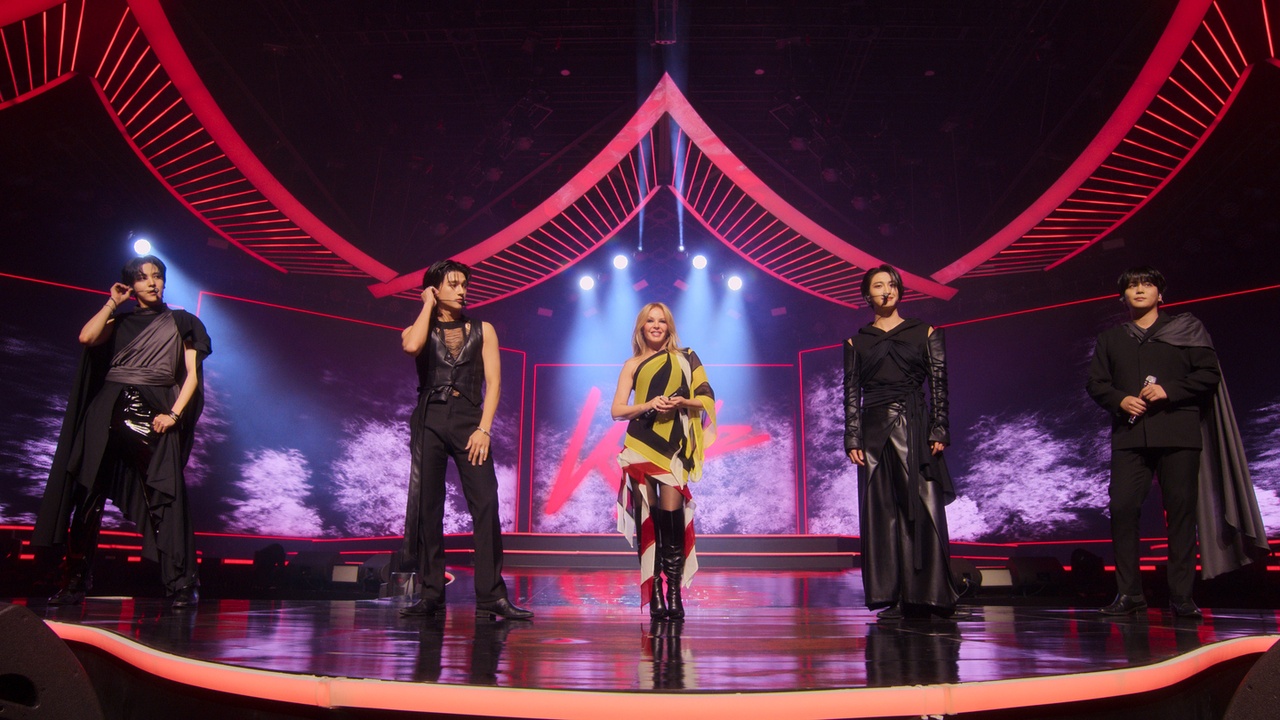
For example, when Minogue teamed up with half of Ateez’s members — Jongho, Yunho, Wooyoung and Seonghwa — her hit “Can’t Get You Out of My Head” (2001) was given a full K-pop makeover. The K-pop twist had Korean lyrics, dynamic synchronized performances with a large ensemble of dancers and bursting, explosive energy as Ateez’s Jongho belted out high notes while dancing.
Although the collaborative performances were entertaining to watch and listen to, however, the repetitive format quickly became dull. Each episode followed the same structure: Idols split into teams, prepared with their pop counterparts, performed, the audience voted and the winner was announced. The episode then closed with a K-pop idol stage, joined by the global artist, often with them appearing rather than actively participating.
This recurring formula also led to the show lacking tension, despite being billed as "song battles." The battles themselves felt more like collaborative concerts than competitions, which was something that Korean producer Lee Yeon-kyu said was intentional, emphasizing that the goal was “less about winning or losing and more about showing global artists coming together through a single song and music.”
Overall, it resembled earlier singing competition shows; for Korean viewers, it was similar to KBS’s “Immortal Songs” (2012-), where singers reinterpret the songs of legendary artists — the difference from “KPOPPED” being that the legendary artists do not perform together.
Although the format does evoke a sense of déjà vu, it stands out mainly for showcasing more of Korean culture, both onstage and offstage.
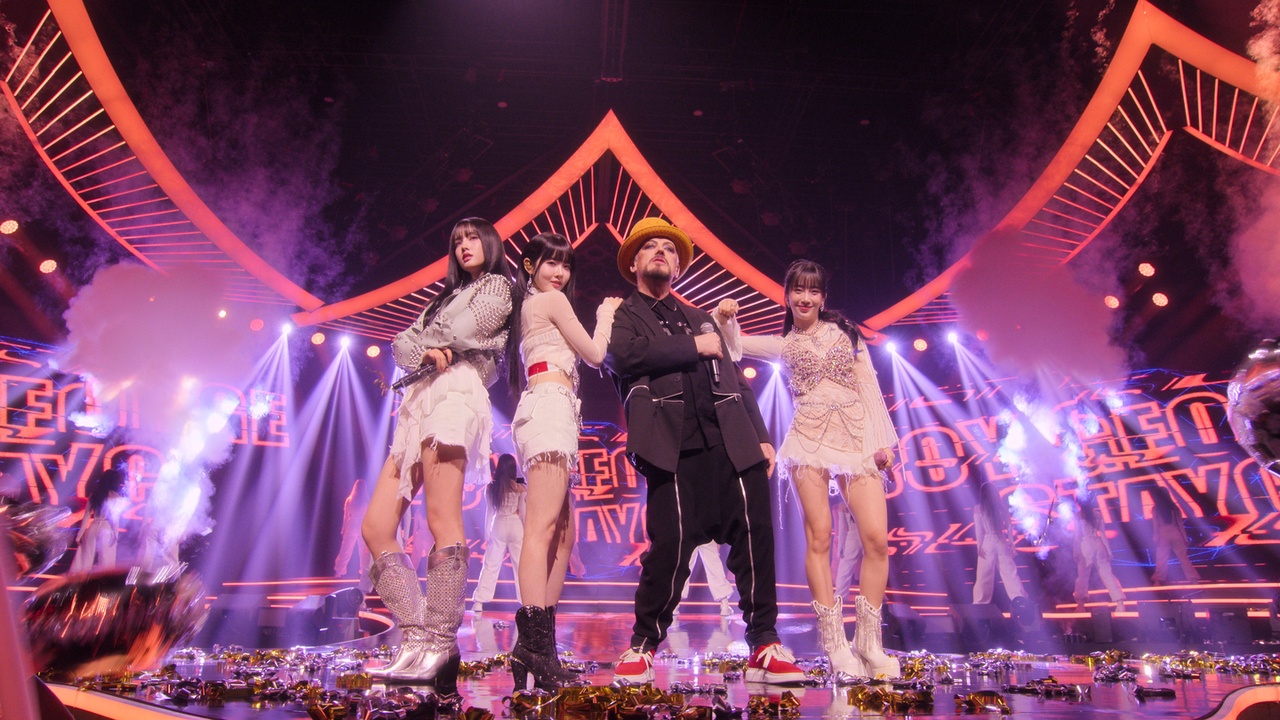
The series incorporated a distinctive K-pop cultural feature: light sticks, which are often waved by fans at K-pop concerts during their idol’s performance. In the show, the audience would use the K-pop-style light sticks to vote, choosing gold or purple, which represent each team.
Performances also embraced Korean imagery, with K-pop boy band Ateez rocking a look inspired by hanbok (traditional Korean dress) for J Balvin’s “Mi Gente” (2018) performance. Kiss of Life’s performance with Ava Max, singing “Kings & Queens” (2020), also featured microphones decorated with hangul and a Korean-style throne and patterns.
Away from the glamor of the stage, the show followed pop artists experiencing Korean culture alongside their K-pop idol partners, from eating spicy ramyeon, cooking snails and drinking soju to trying karaoke, shopping, learning traditional Korean dancing and visiting Lotte World, an amusement park in Songpa District, southern Seoul.
All in all, the show does push the boundaries of K-pop, highlighting its cross-cultural potential. And its timing couldn’t be better, as global interest in the genre is at its peak thanks to its rival platform’s “KPop Demon Hunters.”
The show is now on Apple TV+.
BY KIM JI-YE [kim.jiye@joongang.co.kr]