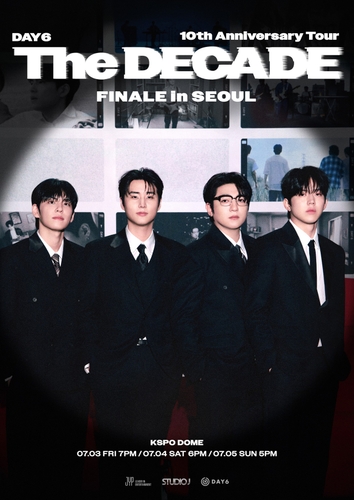
DAY6 concertgoer is denied entry, reigniting complaints of fan mistreatment
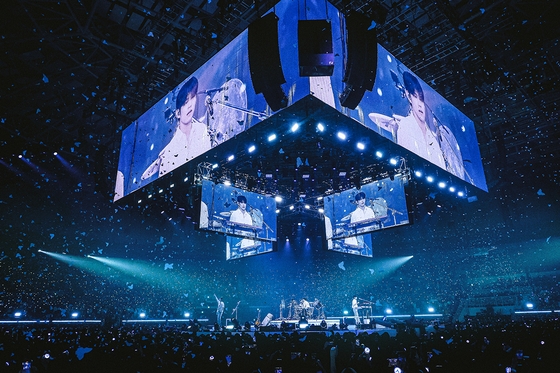
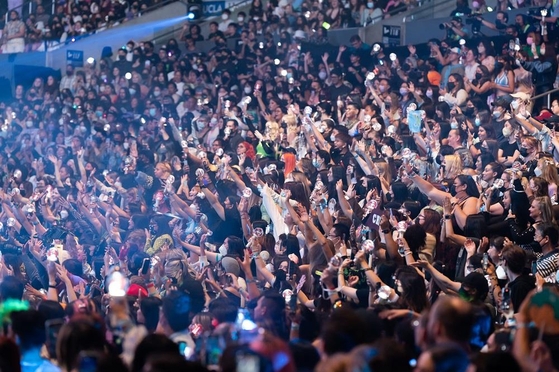
K-pop is once again embroiled in a fan mistreatment controversy. This time, rock band DAY6 is under fire for a strict and invasive identity check at a recent fan concert. Its agency, JYP Entertainment, has issued an official apology amid massive backlash.
As the all-too-familiar battle between fans and agencies plays out yet again, a question emerges: Where do artists stand in all this?
What happened?
On July 19, during the second night of DAY6’s recent six-day fan concert in southern Seoul, an underage fan was denied entry after staff rejected her student ID card, which was not considered an official government ID. The fan, out of desperation, requested help from the police, yet even with a police officer present to verify her identity, the fan was ultimately denied entry.
As her story went viral, others came forward with similar accounts. Some alleged staff took photos of sensitive personal documents or demanded excessive materials like digital banking certificates and school records.
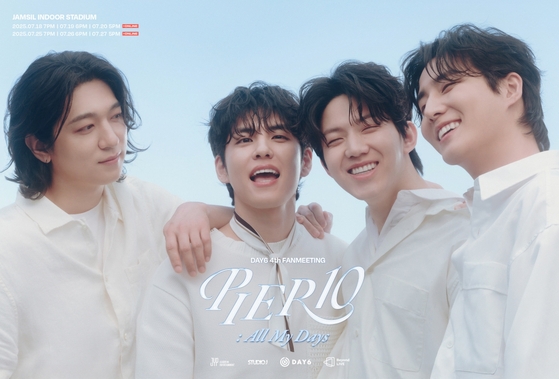
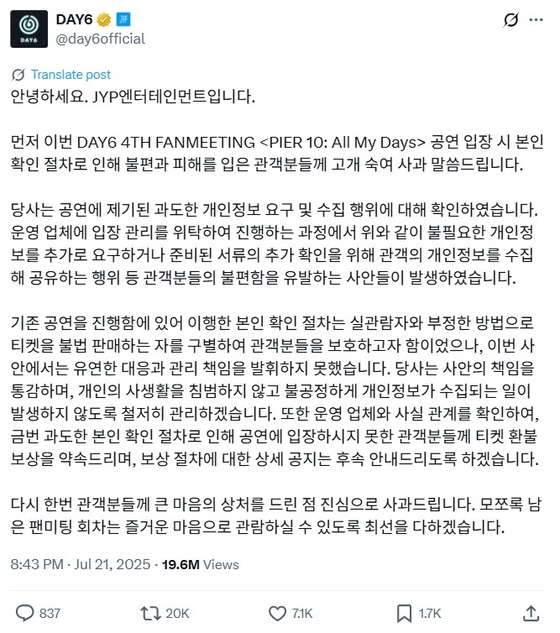
JYP Entertainment issued an apology on July 21, acknowledging that “the event management company in charge of admission control engaged in inappropriate procedures, such as unnecessarily requesting additional personal information from attendees, or collecting and sharing information beyond the documents required.”
JYP promised refunds for attendees who were denied entry despite having valid tickets, saying, “We take this matter very seriously, and will improve the system to ensure a fair identity verification procedure, without infringing on privacy.”
Following the controversy, fans reported a dramatic shift as the stringent verification process suddenly became nonexistent starting on Friday and staff became much more accommodating.
How did it come to this?
The latest controversy added fuel to a fire that had already been burning for years.
Last month, a user on social media platform X replied to President Lee Jae Myung’s post about policy suggestions, saying, “Please eliminate identity verification at concerts,” which quickly garnered over 13,000 likes.
Strict ID checks were introduced by K-pop agencies about six to seven years ago to tackle rampant ticket scalping. The checks evolved to incorporate even face recognition technologies. But in practice, these policies often punished fans, not scalpers. Multiple accounts of event staff reportedly forcing fans to sing their school songs to prove their identity have surfaced online in recent years.
While global stars like Taylor Swift have implemented verification systems for anti-scalping purposes, K-pop’s enforcement is notoriously strict, with most resales and transfers being prohibited and numerous accounts describing staff as overly aggressive or unreasonably strict.
The issue has sparked an online campaign demanding legislative safeguards against excessive data collection and scalping.
“These [excessive] verification practices put actual concertgoers at a disadvantage, while allowing scalpers to profit even more,” wrote the campaign organizer on an ongoing online petition. The campaign organizer is currently discussing legislative solutions with Democratic Party lawmaker Rep. Lim O-kyeong.
Criticisms are also centered on the gendered and ageist nature of enforcement, as concerts for boy bands with younger, female fan bases tend to enforce stricter rules. A 2023 concert by singer Lim Young-woong, for example, sparked online discourse as the organizer allowed more flexibility in ticketing services, such as ticket reissuance, a rare occurrence at typical K-pop concerts. Lim, a trot singer, has a much older fan base than standard K-pop idols. Fans who attended a recent fan concert for NMIXX, a girl group under JYP Entertainment for which the fandom leans male, also did not report controversial methods of verifying identity.
“The approach agencies take often depends on the nature of the fandom,” said a source from a K-pop agency, speaking on the condition of anonymity because they were not authorized to speak on the company's behalf. The presence of “sasaeng” fans, obsessive followers who invade celebrities’ privacy, also shapes staff behavior, the source added.
Should idols be involved in the matter at all?
The incident has prompted some fans to question DAY6’s silence.
“How would [JYP Entertainment’s] studio be able to put out a statement without consulting DAY6 at all?” said a user on X on July 23. “I just want to know what the members are thinking.” The post had garnered about 400 likes.
“I’m not saying that [DAY6] should make a public statement,” said another user, whose post received about 450 likes. “Since this has been going on for so long, I just wish they would speak up to the company.”
Fans demanding artists take a more active role in addressing mistreatment is nothing new, according to Kim Jung-won, an ethnomusicologist specializing in K-pop culture at Yonsei University.
“While fan demands have been more vocal in recent years, they’ve long asked artists to raise concerns with their companies during events like fan signings,” Kim noted, stressing that artists themselves are, and should be, aware of recurring allegations of mistreatment.
Pointing out how harsh identity verifications and other incidents of mistreatment are disproportionately affecting younger, female fans from marginalized communities in both Korea and overseas, Kim emphasized that “Ticketing platforms and K-pop agencies failing to implement systemic safeguards against scalping, which preys on fans who desperately want to see their artists, should take responsibility.”
BY SHIN HA-NEE [shin.hanee@joongang.co.kr]