'Don't call it a comeback': Hip-hop reemerging in Korea after playing key role in K-pop's history
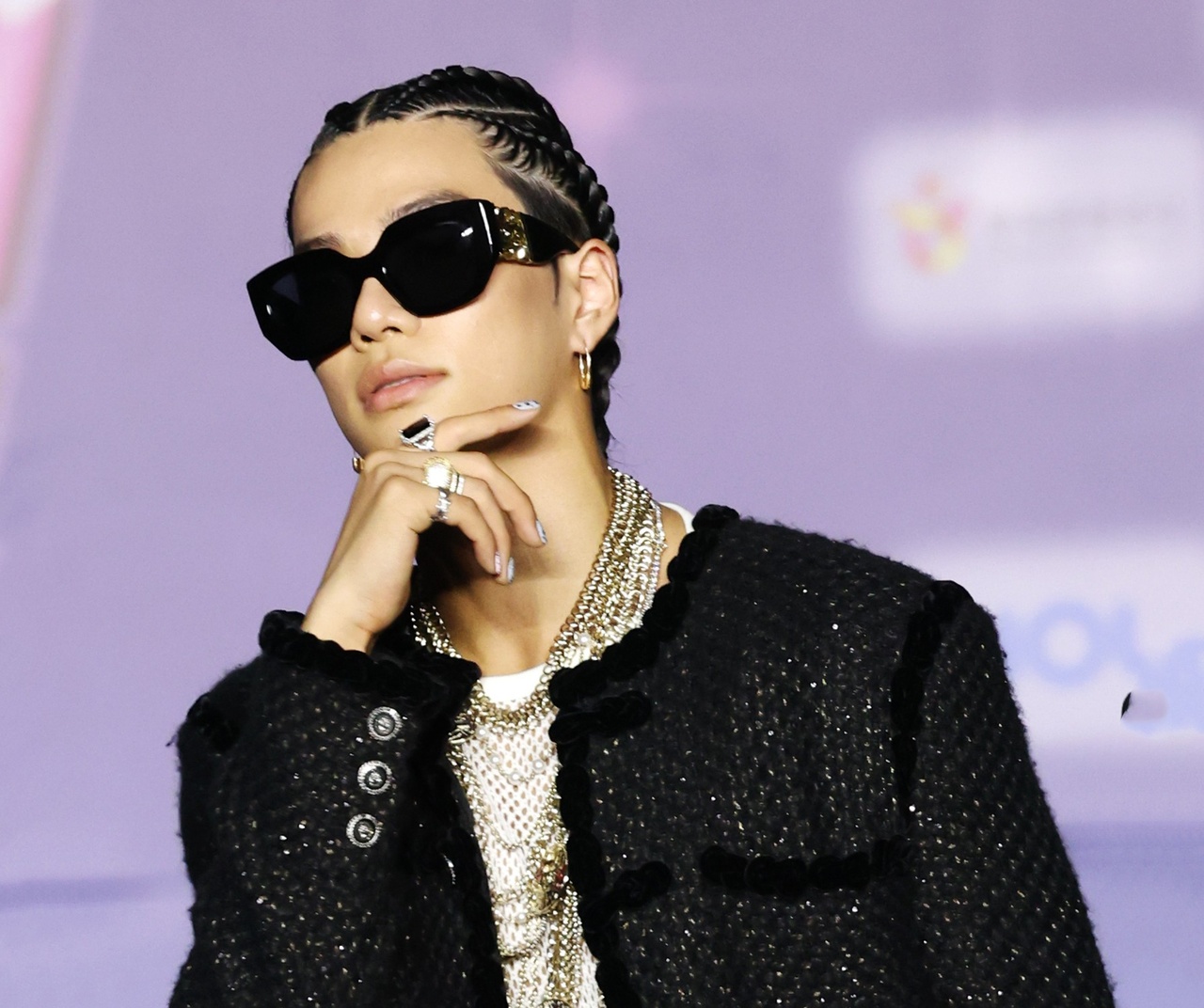
For much of the 2020s in Korea, hip-hop has been both omnipresent and peripheral — still deeply influential in the world of K-pop, yet its disruptive edge has gotten diluted into fleeting rap verses or polished pop hybrids, sidelined as a niche genre past its commercial peak.
Lately, however, things might be shifting.
Hip-hop is once again pushing back onto the mainstream radar with renewed visibility, both as part of K-pop and as a genre standing on its own. Major K-pop debutants such as BigHit Music’s Cortis, The Black Label’s Allday Project and More Vision’s LNGSHOT placed hip-hop sound at the forefront of their musical and visual identities. At the same time, the rapper competition program “Show Me The Money” (2012-) has returned with its 12th season after a three-year hiatus, in an ambitious attempt to reinvigorate the genre.
While it may be too early to declare a full-fledged comeback, hip-hop’s visibility in Korea’s mainstream music landscape has grown — and so have the longstanding tensions between culture and commodity, inspiration and appropriation and revival and repetition.
‘Hip-hop stopped being cool’
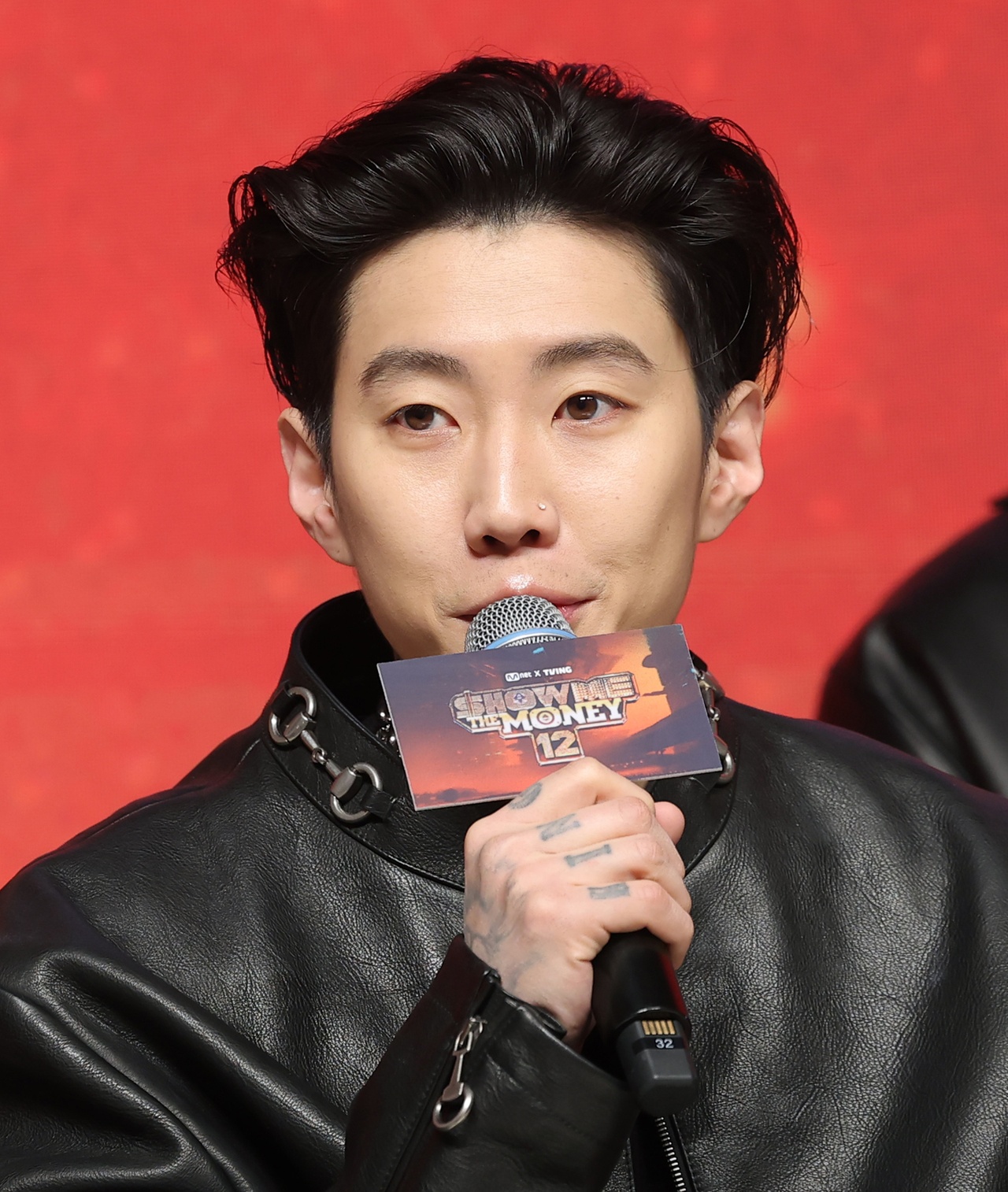
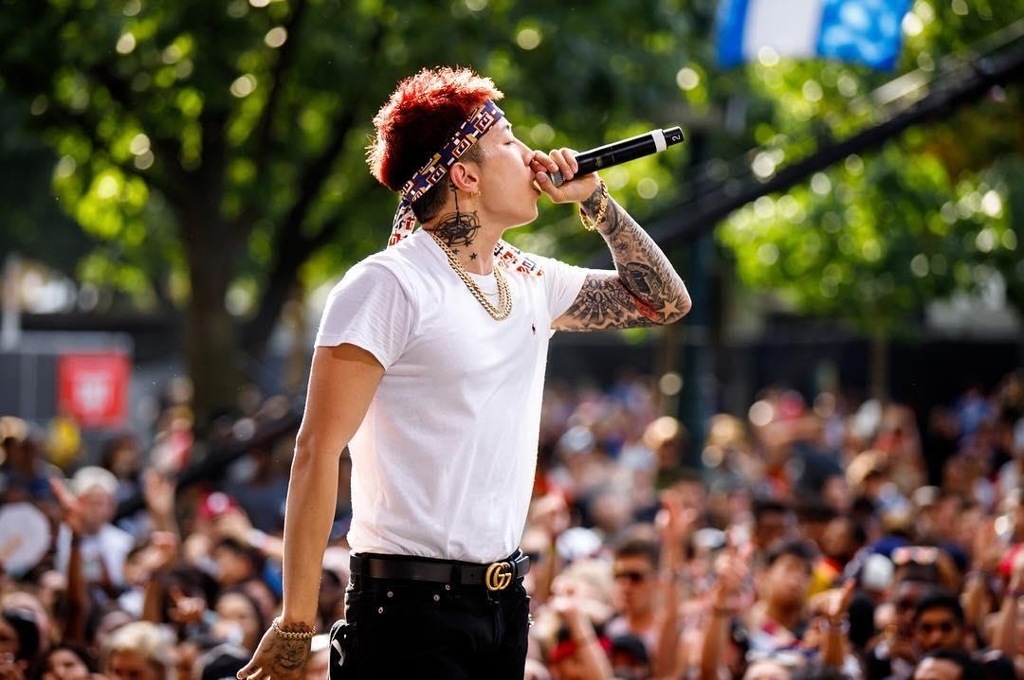
Korean hip-hop’s mainstream relevance has been in a noticeable decline since peaking in the late 2010s, as addressed by many artists including, most recently, rapper Jay Park.
“As K-pop music has become more elaborate, the distinction between genres has blurred,” he suggested during a press conference for the latest season of “Show Me The Money” on Jan. 15. “And prejudice about the superficial elements of hip-hop culture might have contributed to the decline in relevance.”
Hip-hop’s rise to the mainstream was inseparable from the launch of the “Show Me The Money” franchise in 2012. The Mnet show transformed underground rappers such as Swings, Loco, BewhY and Woo into household names and propelled hip-hop to chart dominance throughout the 2010s.
But as the show’s later seasons lost their competitive edge and several rappers became entangled in high-profile controversies, including drug allegations, the genre gradually lost its footing on streaming platforms as well.
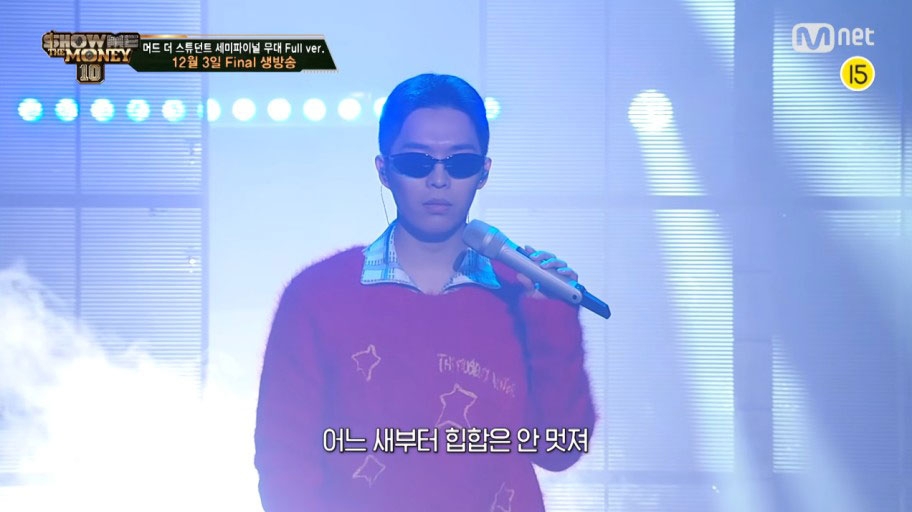
A moment from the 10th season of “Show Me The Money” in 2021 became emblematic of this decline: During a viral performance of “Dissonance” (2021), AKMU’s Lee Chan-hyuk sang the line, “hip-hop stopped being cool at some point,” a lyric that soon became an online meme both as a critique of the show and a commentary on the genre’s waning cultural relevance.
Now, amid the dragging stagnation, the producers of the newly-revived “Show Me The Money” aim to give hip-hop a renewed boost, which coincides with a broader resurgence of hip-hop-inspired aesthetics and narratives within K-pop.
Hip-hop in spotlight in K-pop, again
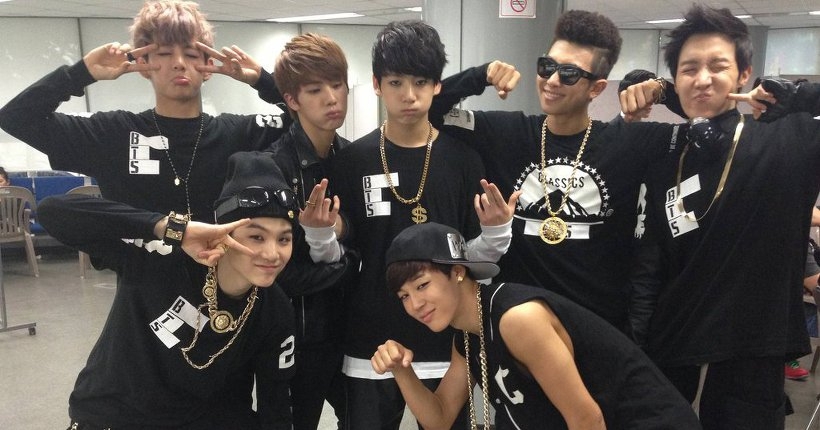
Hip-hop has long been an integral part of K-pop’s DNA. First-generation acts such as Seo Taiji and Boys drew heavily from 1990s hip-hop music and fashion, while second-generation icons like Big Bang also used hip-hop and R&B as pillars of their sonic identity. Even BTS leaned heavily into hip-hop during the group's early years, both musically and thematically.
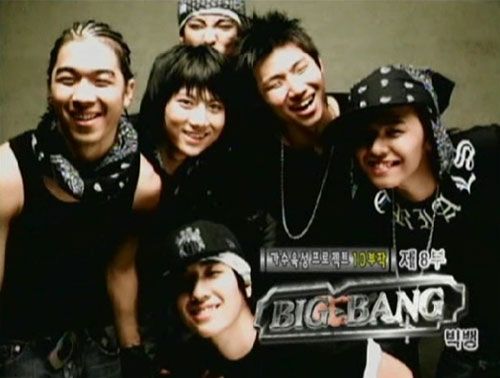
Yet while hip-hop’s influence has remained etched into K-pop, the genre’s presence among newer boy bands had waned in recent years. Many rookies debuting between 2023 and 2025 such as BoyNextDoor, TWS, Riize, NCT Wish and ZeroBaseOne leaned toward easy-listening pop, lighter concepts and youthful visuals rather than the assertive edge traditionally associated with hip-hop.
However, that trend has begun to reverse with the latest arrivals to the scene.
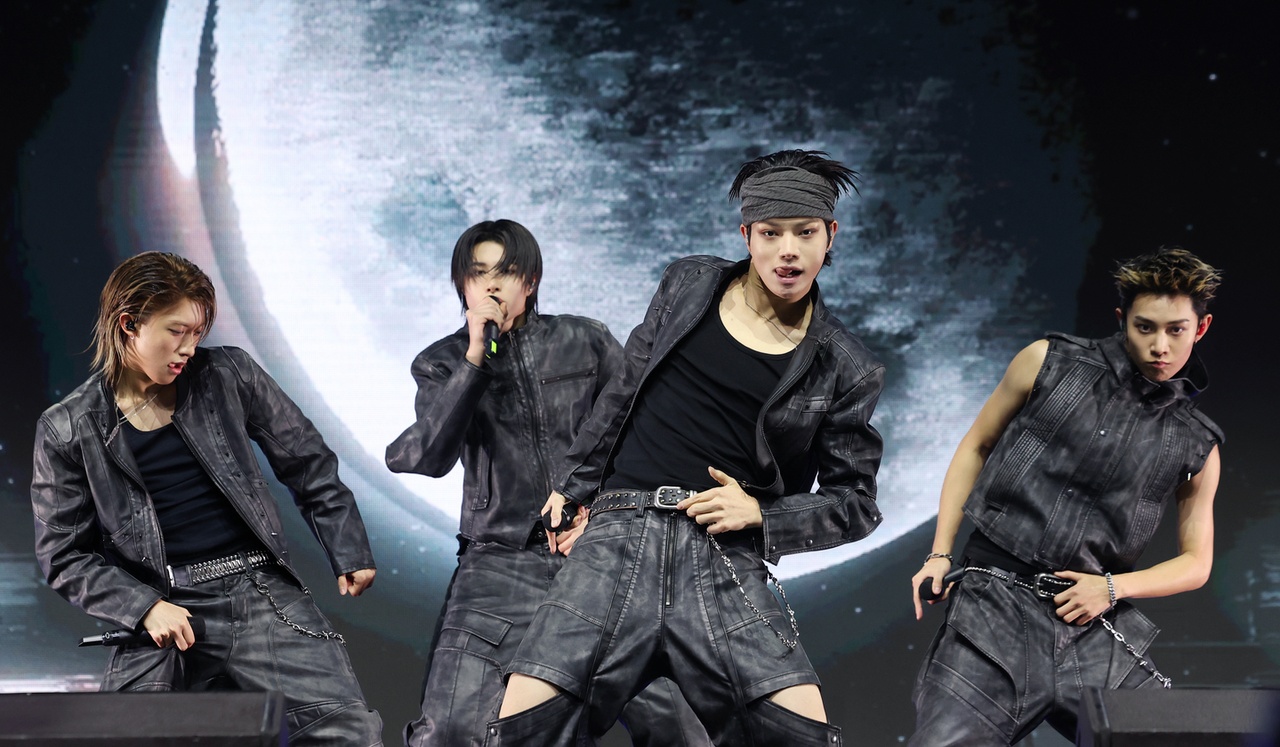
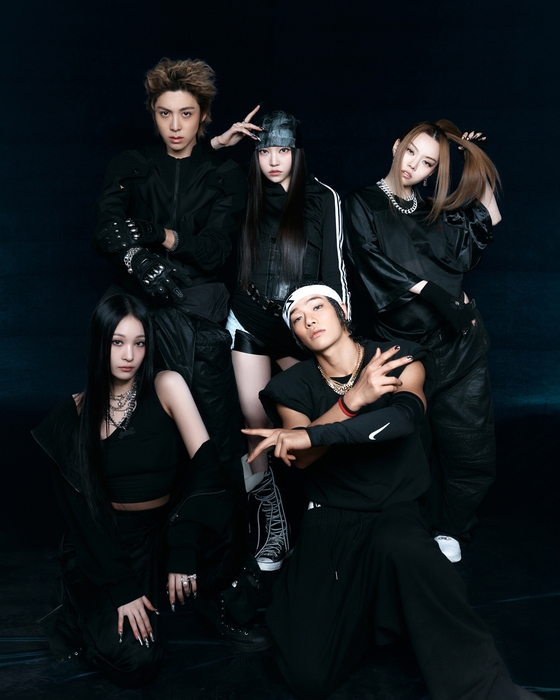
Cortis, arguably the biggest K-pop rookie group of last year, has been billed by BigHit Music as “a young creative crew,” emphasizing the members’ direct involvement in production. The Black Label’s Allday Project centers its identity around hip-hop, apparent in its styling and performance mannerisms. LNGSHOT, which debuted in January under rapper Park’s More Vision, is similarly rooted in hip-hop and R&B, both musically and visually.

“As K-pop songs are increasingly losing mainstream appeal among broader Korean listeners, how a group builds its narrative and character has become more important in attracting fans through channels beyond music alone,” said pop music critic Lim Hee-yun.
“For idols who want to emphasize their creative agency, hip-hop is a genre that allows them to present themselves as artists who create their own music and tell their own stories.”
Revival is still far from guaranteed
The renewed prominence of hip-hop aesthetics in K-pop, however, does not necessarily signal the mainstream expansion of hip-hop as a genre in its own right. Despite increasingly blurred boundaries between hip-hop musicians and idols, the two genres continue to operate within largely separate ecosystems.
“Hip-hop has long been an integral part of K-pop,” said Lee Gyu-tag, a professor of cultural studies at George Mason University Korea. “But hip-hop as a separate genre in Korea did not evolve as part of K-pop, and the way which each genre has been consumed is fundamentally different. It’s unlikely that a global rise of hip-hop-influenced groups such as Cortis would lead to the return of hip-hop as a genre.”
Much of the expectations on reviving Korean hip-hop rests on “Show Me The Money,” though skepticism for that remains given a media landscape that today is far more fragmented than it was a decade ago.
“Compared to the time when ‘Show Me The Money’ captured the nation, there are too many new competing forms of content, including short-form videos,” said Baek Seung-yong, CEO of indie music label UNDFND.
While the first episode of the new season, which aired on Jan. 15, has generated significant online buzz, Baek questions whether that attention will materialize into measurable growth for the genre itself, adding, “The popularity of dating shows doesn’t directly lead to a surge in the marriage rate.”
Cultural tensions persist
Hip-hop’s renewed visibility also brings a complicated cultural context into focus, particularly given K-pop’s long history of controversies surrounding cultural appropriation.
Cortis faced online criticism after posting a video on Dec. 25 last year, in which members wore ski masks and flashed hand gestures in what was intended as a humorous take on a Christmas song. Some international fans interpreted the imagery as an insensitive caricature of gang culture.
The backlash echoed earlier controversies, including the high-profile case surrounding girl group Kiss of Life in April last year. The group faced intense criticism after members wore hairstyles and outfits associated with Black culture and mimicked mannerisms widely seen as a stereotypical portrayal of African American rappers. Allday Project’s Tarzzan also faced allegations of cultural appropriation, most notably for wearing cornrows and box braids.
While debate continues over what constitutes cultural appropriation, critics argue that K-pop’s engagement with hip-hop has historically lacked deeper cultural understanding or respect. Others, on the other hand, say that the landscape today has changed significantly, particularly with direct collaboration with Black artists.
“It is true that there had been a lot of cases in the past where K-pop acts borrowed hip-hop sounds and styles only at a surface level without deeper cultural understanding,” noted Prof. Lee.
“But that’s no longer definitively the case today, as there’s a growing population of artists in Korea who genuinely understand and develop hip-hop music,” he said, while also emphasizing that “cultural sensitivity is crucial in discerning what may be interpreted as offensive within cultural contexts.”
BY SHIN HA-NEE [shin.hanee@joongang.co.kr]