From MAMA to MMA: Sorting through the alphabet soup of K-pop awards ceremonies

Despite a major fire breaking out in Hong Kong, the 2025 MAMA Awards will go on in the city as scheduled — the latest in a run of high-stakes ceremonies closing out a year defined by K-pop’s stunning global momentum.
And that’s when the alphabet jumble comes in. Once K-pop enters awards season, fans are suddenly swimming in acronyms that all end in “a,” from MAMA and MMA to GDA, SMA, KGMA and quite a few more.
In Korea, the genre’s home base, it’s perhaps expected that the industry has a full lineup of ceremonies to celebrate its biggest artists — now more than a few too many, some may argue.
The abundance of trophies leads to a recurring question: What’s the top honor in K-pop? Even as artists increasingly set their sights on the Grammys, certain domestic trophies still carry a special kind of weight.
For casual listeners, keeping track of the rapid-fire parade of awards shows from late fall into the new year is not an easy feat. Here’s a guide to make sense of Korea’s increasingly crowded awards landscape, and what each show represents.
MAMA out of the hometown
Hosted by CJ ENM’s K-pop channel Mnet, the MAMA Awards proudly promotes itself as “the world’s No. 1 K-pop awards” — and perhaps rightfully so, given the stage’s sheer scale.
MAMA began in 1999 as the Mnet Music Video Festival, before being rebranded to the Mnet Asian Music Awards, or MAMA, in 2009 when it first ventured overseas to Macau, and adopted its current name as the MAMA Awards in 2022.
MAMA is best known for its massive production. The award show has been held abroad since the 2010s, except for the pandemic period, taking place in Singapore, Japan, Hong Kong, Vietnam and more. The 2024 show took place in Los Angeles and Osaka, Japan.
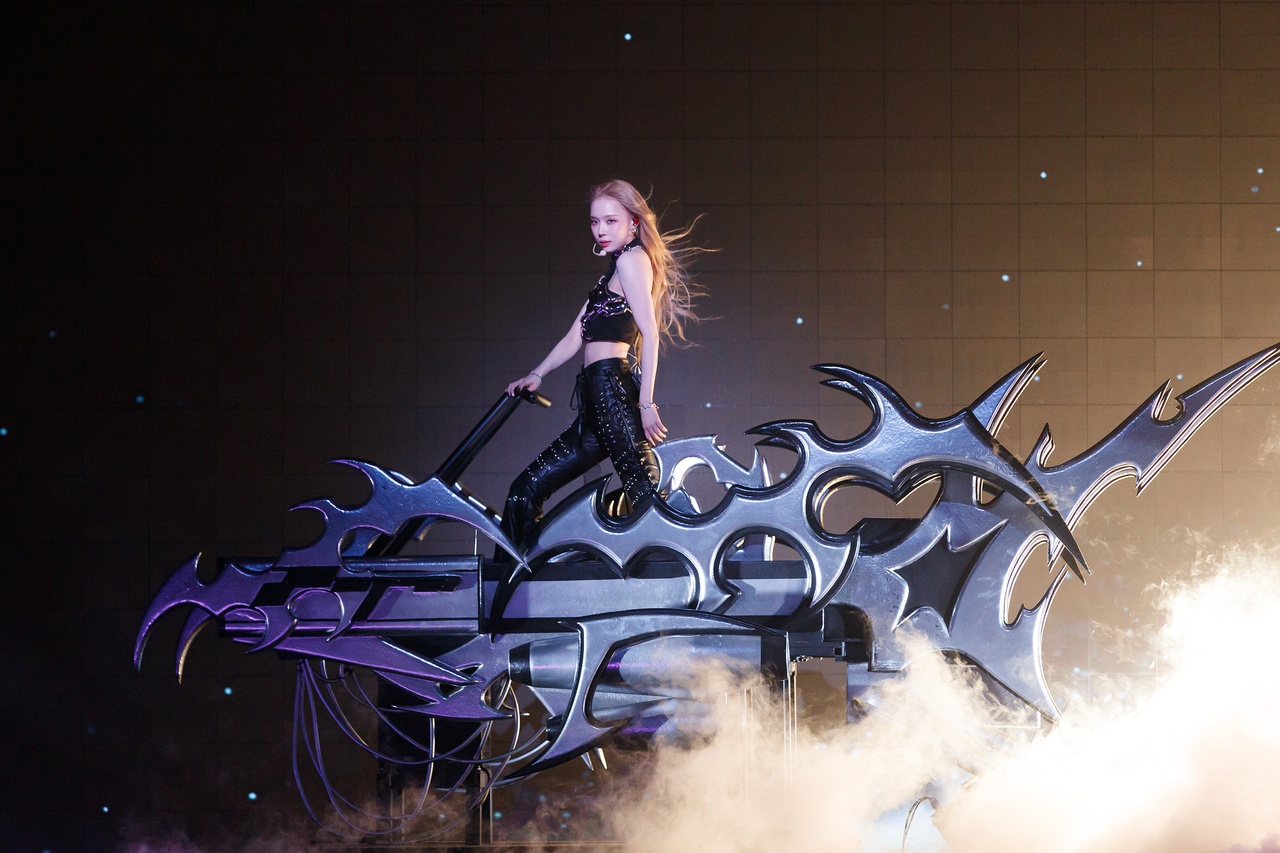
This year’s MAMA returns to Hong Kong for the first time in seven years, taking place over two nights at the newly completed Kai Tak Stadium, with a capacity of 50,000.
Despite Wednesday’s devastating public-housing fire, in which more than 40 people died, the ceremony will proceed, albeit in a subdued manner.
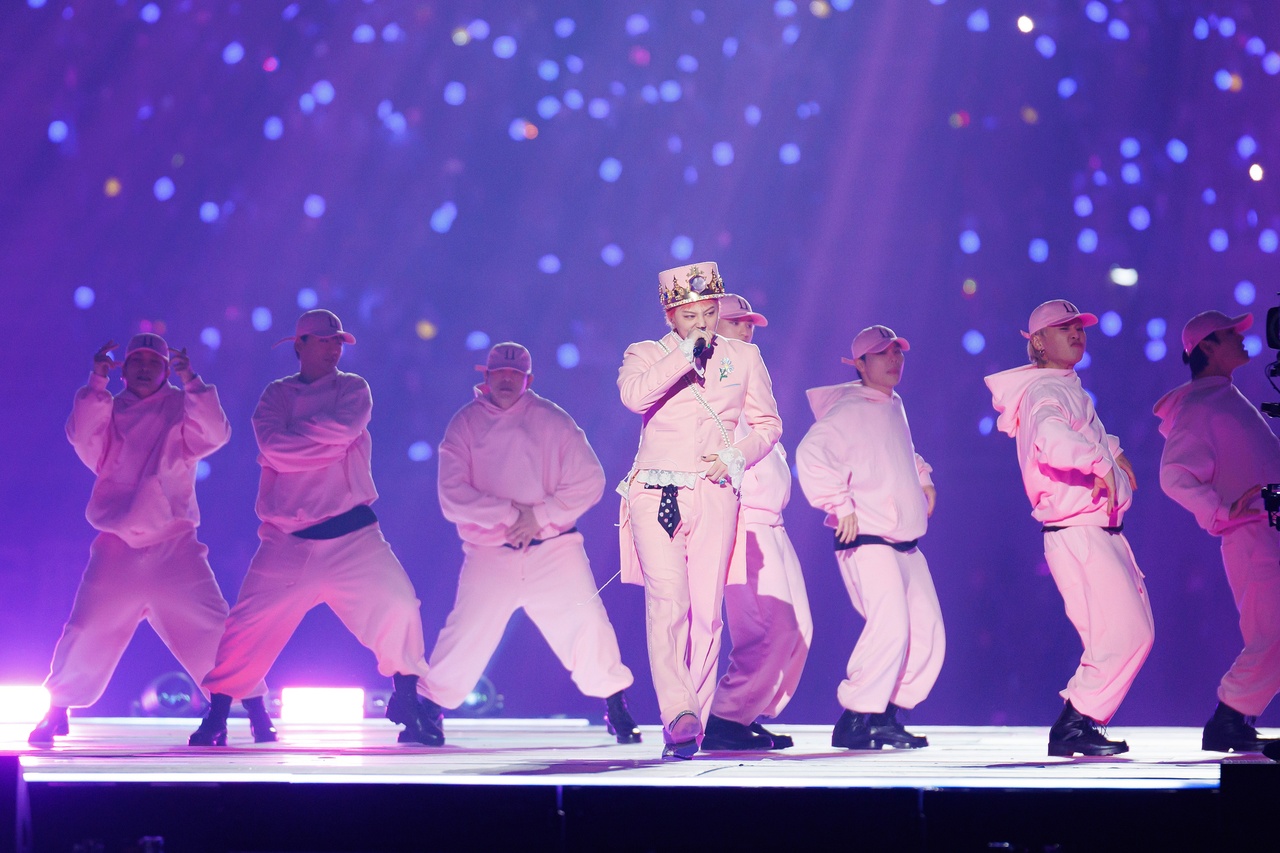
MAMA’s four major honors, sponsored by Visa since last year, are Artists of the Year, Song of the Year, Album of the Year and Fans’ Choice. Releases from Oct. 1 the previous year through Sept. 30 of the current year are eligible, meaning Blackpink’s Rosé and her global hit “APT.,” released on Oct. 18 last year, are competing alongside the “KPop Demon Hunters” soundtrack, G-Dragon, BTS’s Jin and J-Hope, Stray Kids, Seventeen, Twice, aespa and, of course, Blackpink and Jennie as a solo artist.
The Visa Artist of the Year award weighs streaming at 30 percent in its selection criteria, album sales at 30 percent, and judge evaluation at 40 percent. For Song of the Year, streaming is factored in at 60 percent and judges at 40 percent, while Album of the Year considers album sales for 60 percent and judges for 40 percent among releases that sold over 1 million copies.
Fans’ Choice is decided entirely by popularity: 90 percent from Mnet Plus pre-votes, 10 percent from social media posts and 10 percent from real-time votes during the airing.
MAMA faced fairness controversies in the early 2010s over claims that nonattending artists were unfairly snubbed. CJ ENM now emphasizes that attendance plays no role, and also that Samil PwC strictly oversees the voting process to ensure fair online voting for popularity awards.
About 100 industry experts, including critics and journalists, serve as judges, though the detailed list is confidential “to ensure fair evaluation.”
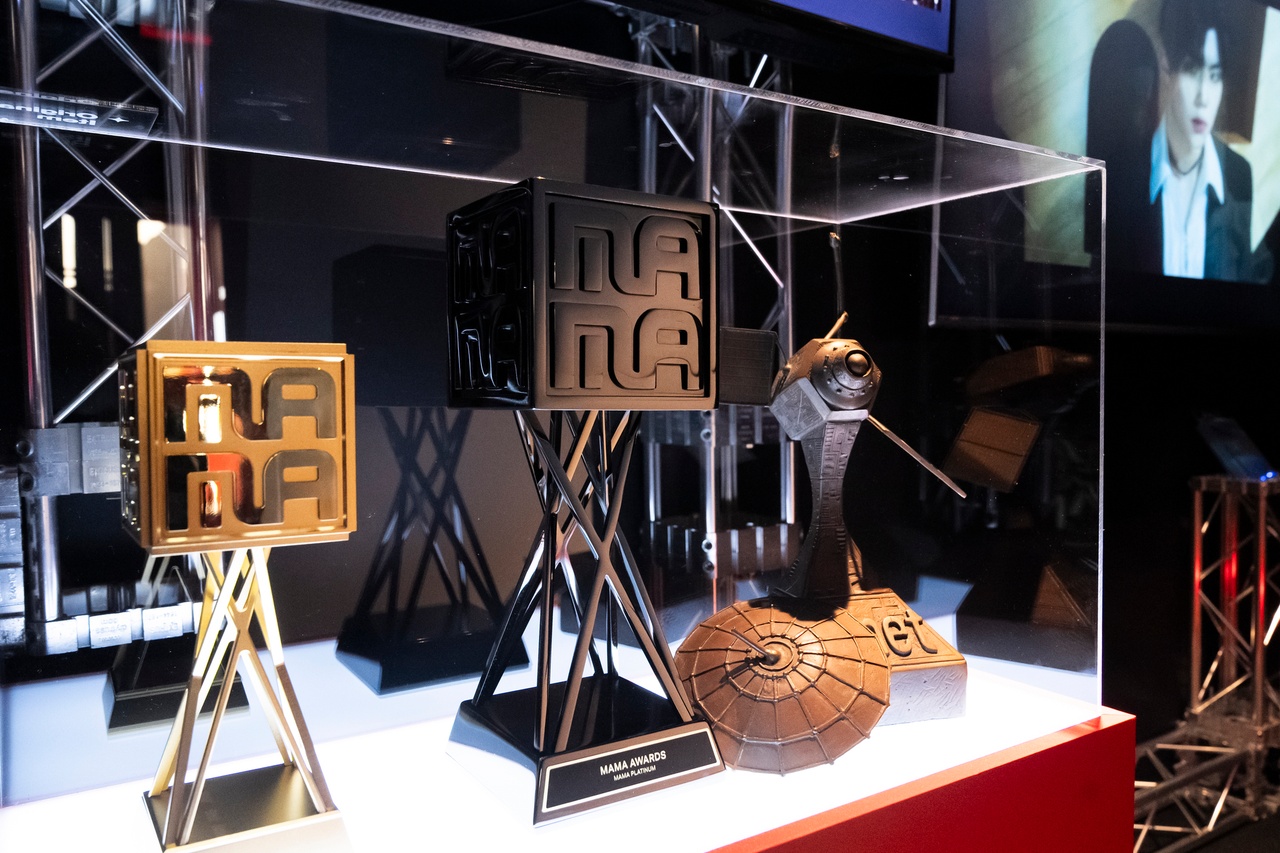
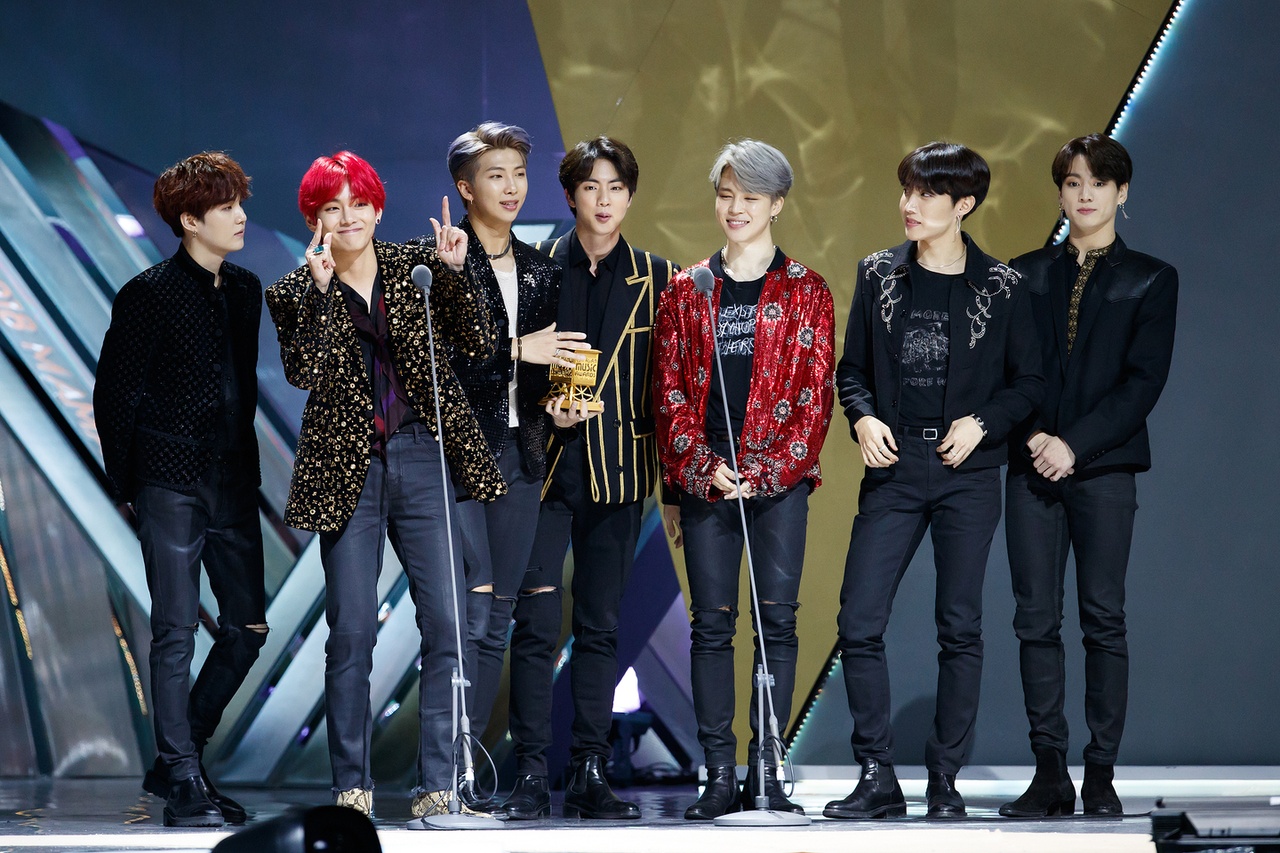
To date, the only K-pop act to sweep all four major categories is BTS, which made history in 2019 and continued the cruise through 2021. In 2022, Mnet introduced the special MAMA Platinum award in recognition of BTS’s unprecedented achievement.
MMA, Golden Disc and KMA stand out
Hosted by Kakao Entertainment, the Melon Music Awards (MMA) is another major ceremony often confused with MAMA due to its similar name. Kakao’s streaming service Melon dominated Korea’s music streaming market until 2021, but following the rapid surge of global platforms, especially YouTube Music, it slipped to No. 2 in monthly active users.
Still, the MMA remains one of Korea’s most high-profile K-pop award shows. The MMA’s defining characteristic is its heavy emphasis on streaming, as physical album sales do not factor into the top awards.

For the four biggest honors — Artist of the Year, Album of the Year, Best Song of the Year and Record of the Year —, streaming accounts for 60 percent, with judges and votes each weighted at 20 percent. Record of the Year is determined entirely by judges based on musical artistry.
Launched in 2009, the MMA celebrates its 17th edition this year at Gocheok Sky Dome in western Seoul on Dec. 20. The eligibility window runs from Oct. 31 last year to Nov. 19 this year.

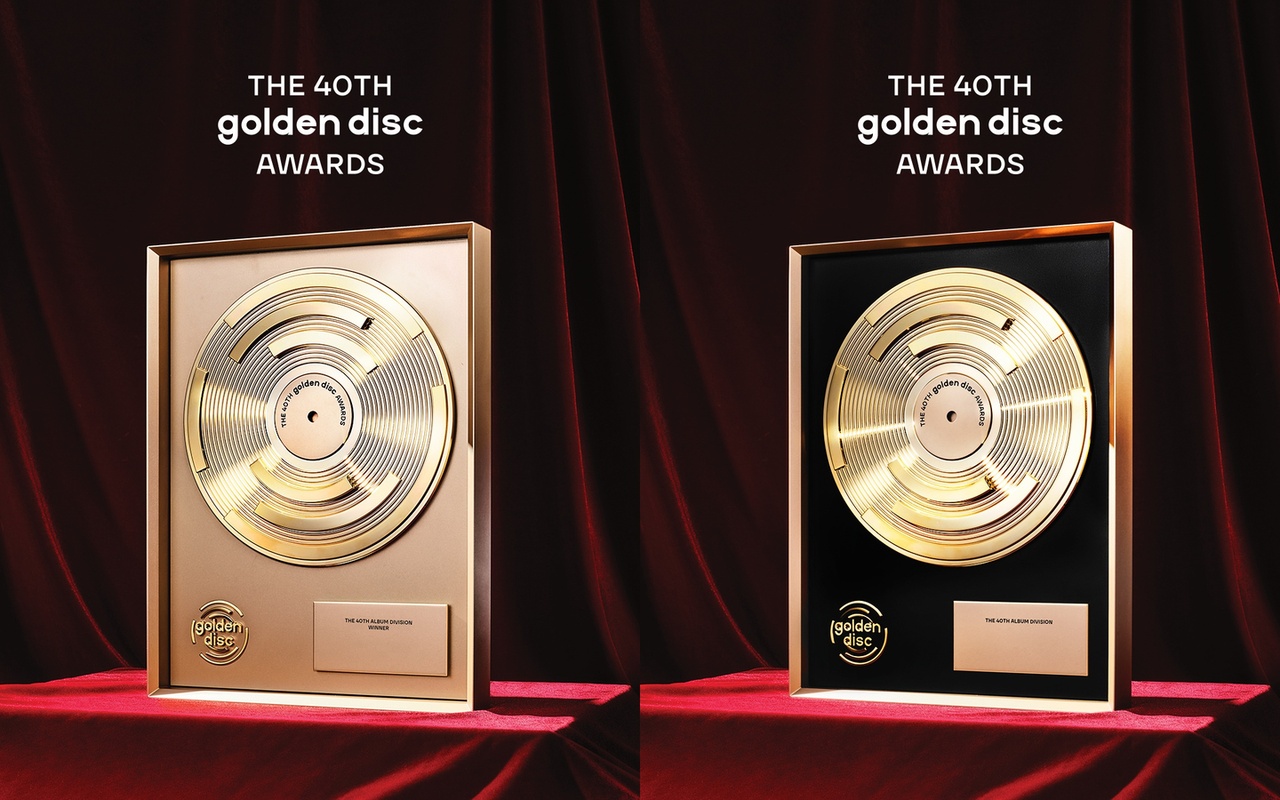
The Golden Disc Awards, hosted by media conglomerate JoongAng Group’s HLL JoongAng, is Korea’s oldest K-pop awards ceremony. It began in 1986 as the Korea Visual and Records Grand Prize Award and was rebranded as Golden Disc in 2000.
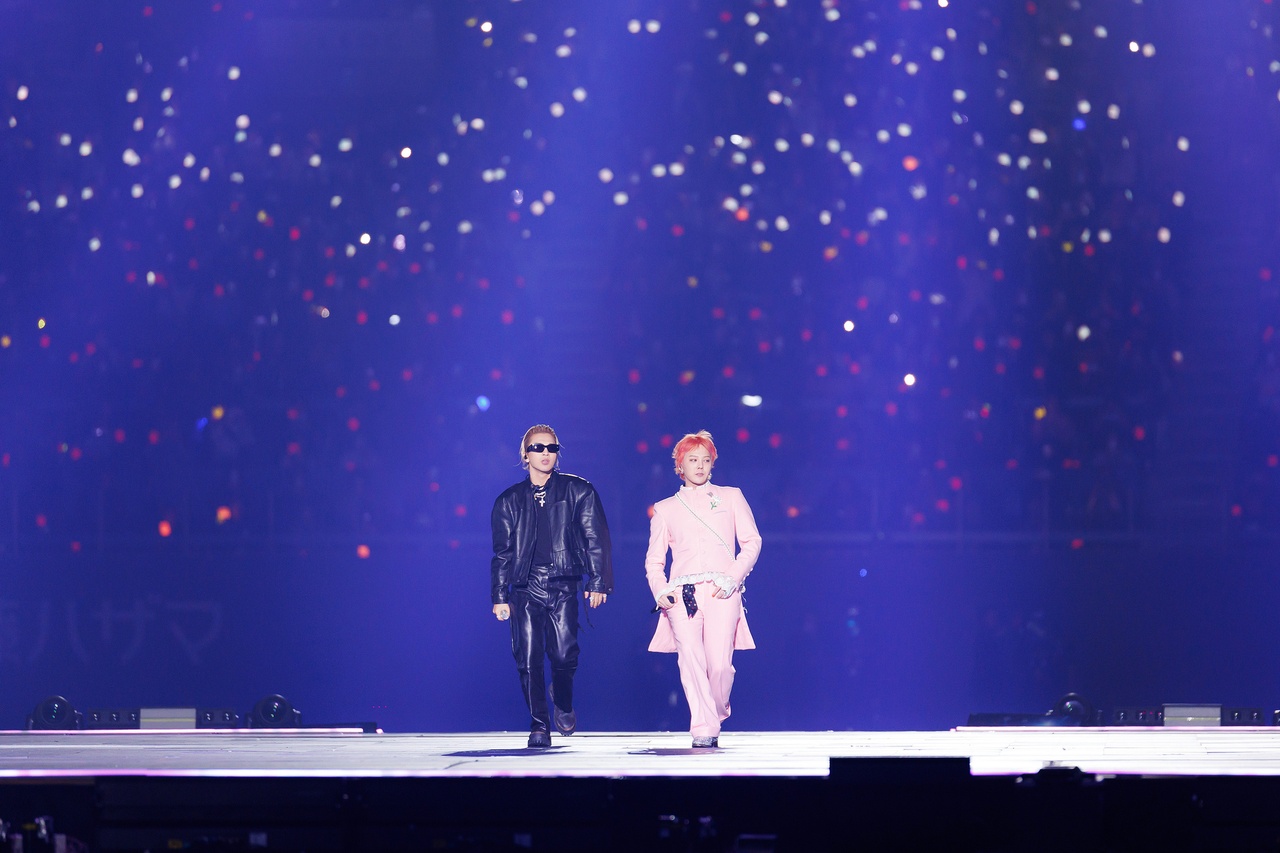
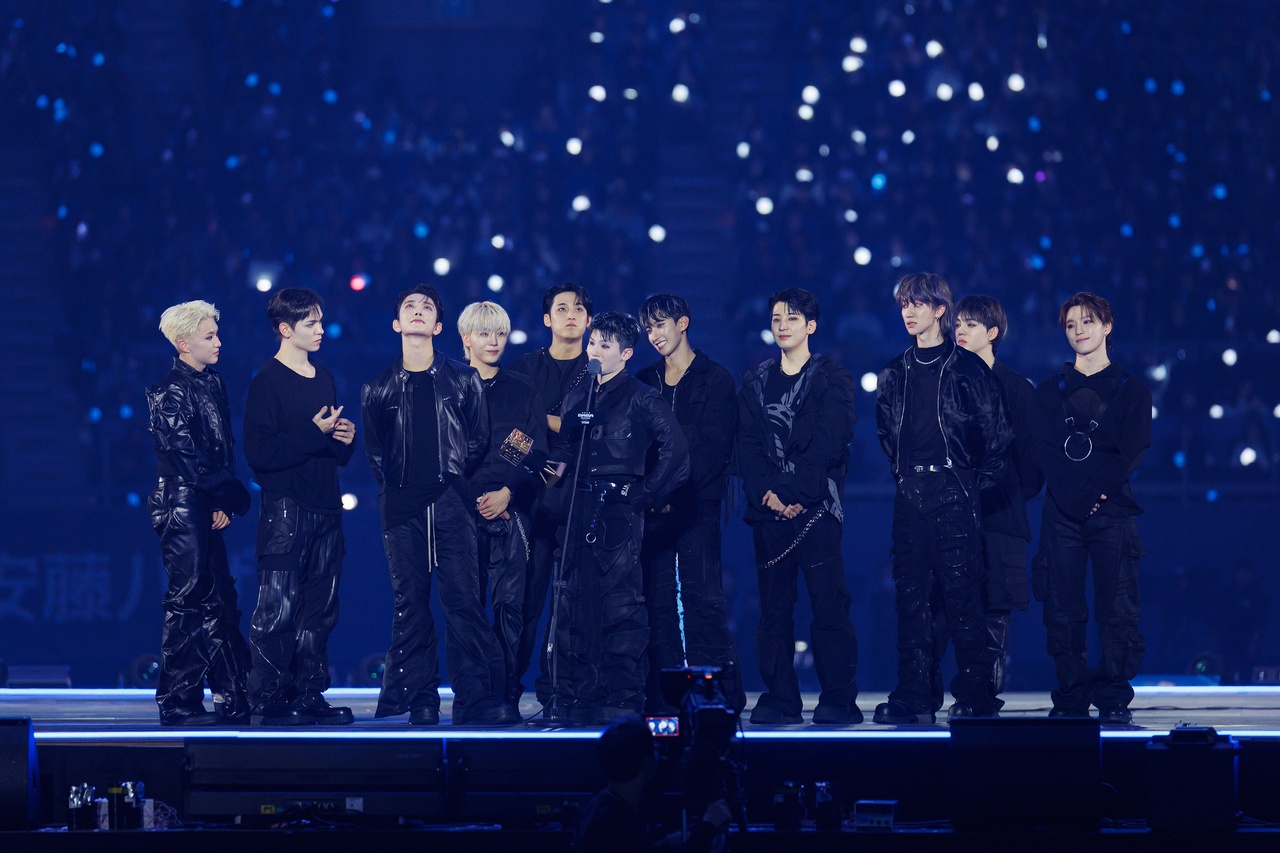
The upcoming Golden Disc Awards is set to mark its 40th anniversary at the Taipei Dome on Jan. 10.
Since 2006, the Golden Disc has awarded two grand prizes: Digital Song of the Year and Album of the Year. Starting with the 40th ceremony, however, it will add Artist of the Year as a third top honor. The eligibility period for this year’s Golden Disc Awards is from November of last year to October of this year.
The Korean Music Awards (KMA), launched in 2004 and sponsored by the Ministry of Culture, Sports and Tourism, stands apart for prioritizing musicality and artistry over commercial success. The KMA selection committee hosts the event and selects winners, with its full judging panel disclosed each year.
But that doesn’t mean K-pop is being sidelined, as BTS still holds the record for the most KMA wins, while girl group aespa earned Song of the Year for “Supernova” (2024) at the 22nd edition held on Feb. 27.
The KMA gives out four main honors: Song of the Year, Album of the Year, Musician of the Year and Rookie of the Year.

The Seoul Music Awards, or SMA, was launched by media outlet Sports Seoul in 1990. The annual awards show was sponsored by the Seoul Metropolitan City government until 2016, but the sponsorship was discontinued following an unpaid labor scandal. This year’s SMA took place on June 21 at Inspire Arena in Incheon.
Where does authority come from?
As K-pop’s global presence surged through the 2010s, so did the number of award shows. Many are hosted by media outlets, such as the Asia Artist Awards, hosted by Star News since 2016, The Fact Music Awards by The Fact since 2019 and the Korea Grand Music Awards, hosted by Ilgan Sports since 2024.
Similar to Billboard in the United States, charting companies also run their own shows. The Circle Chart Music Awards, formerly Gaon, was launched in 2012, and the Hanteo Music Awards in 2021.
With new ceremonies appearing each year, questions emerged about whether these trophies hold meaning beyond commercial interests, especially as ceremony stagers increasingly drive fan voting through advertising tie-ins and sponsorship deals.
“The real problem isn’t the number of awards — it’s the lack of authority,” said music critic Kim Zakga, who has served as a judge for the KMA and several other shows that do not disclose their judge lists.
"Many ceremonies are designed to target fans and boost the host company’s influence in the industry, leading to confusion about what the awards actually represent.”
Longstanding awards shows tend to have distinctive characteristics that ultimately give them authority within the industry, Kim noted.
“But many others don’t and exist largely to serve the interests of their organizers.”
Reflecting these concerns, the KMCA, which runs the Circle Chart, issued a statement declaring a suspension of its award ceremony in March last year, saying that award ceremonies have “degenerated into a profit-making scheme that exploits fans' loyalty.”
"K-pop fans around the world have been put through a heavy economic burden and fatigue because some award ceremonies are only using them for profit," the KMCA said while proposing a guideline for award ceremonies, which includes thorough preparation, fair evaluation, respect for the rights of artists and companies and a preference for hosting events in Korea.
BY SHIN HA-NEE [shin.hanee@joongang.co.kr]