K-pop kept breaking records without BTS. Now the benchmark is back.
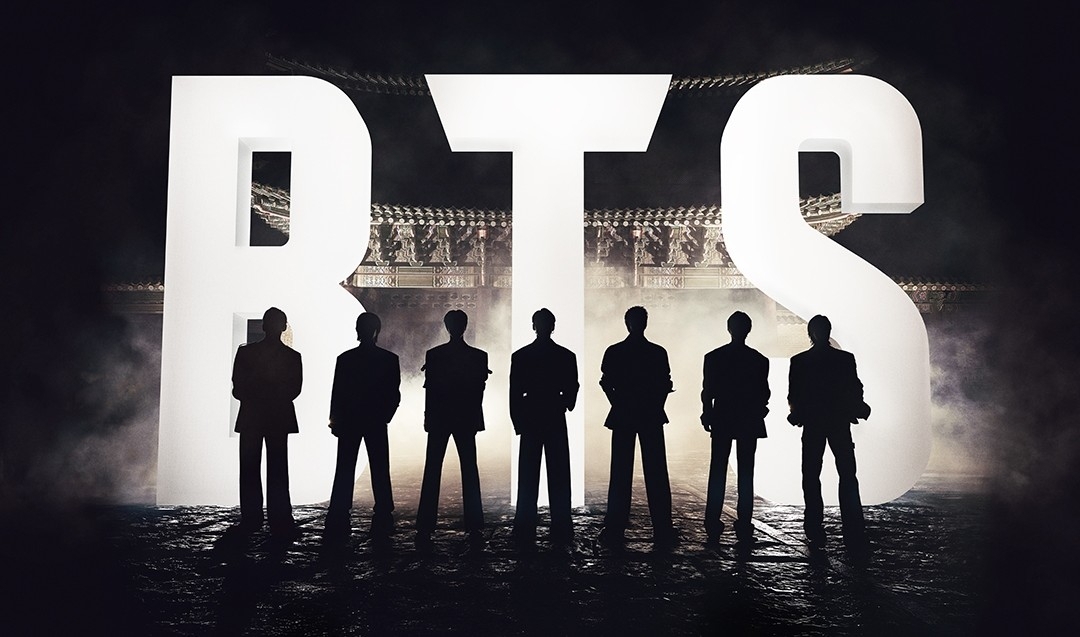
It is safe to say that BTS redefined what K-pop is capable of. The history of the seven-piece superstar has been marked by relentless new highs and unprecedented milestones, from global recognition to record-shattering chart performances.
In the group’s three-year absence, however, the K-pop landscape has continued to evolve.
BTS, which used to set new records only to break them with its next release, no longer stands unchallenged in every corner of K-pop’s hall of fame. Instead, it returns to an industry it propelled onto the global stage — as a formidable contender set out to reclaim its throne in certain areas. Acts such as Blackpink, Seventeen and Stray Kids have built on the septet’s global footsteps, expanding the boundaries of what a K-pop act can achieve and rewriting records once thought untouchable.

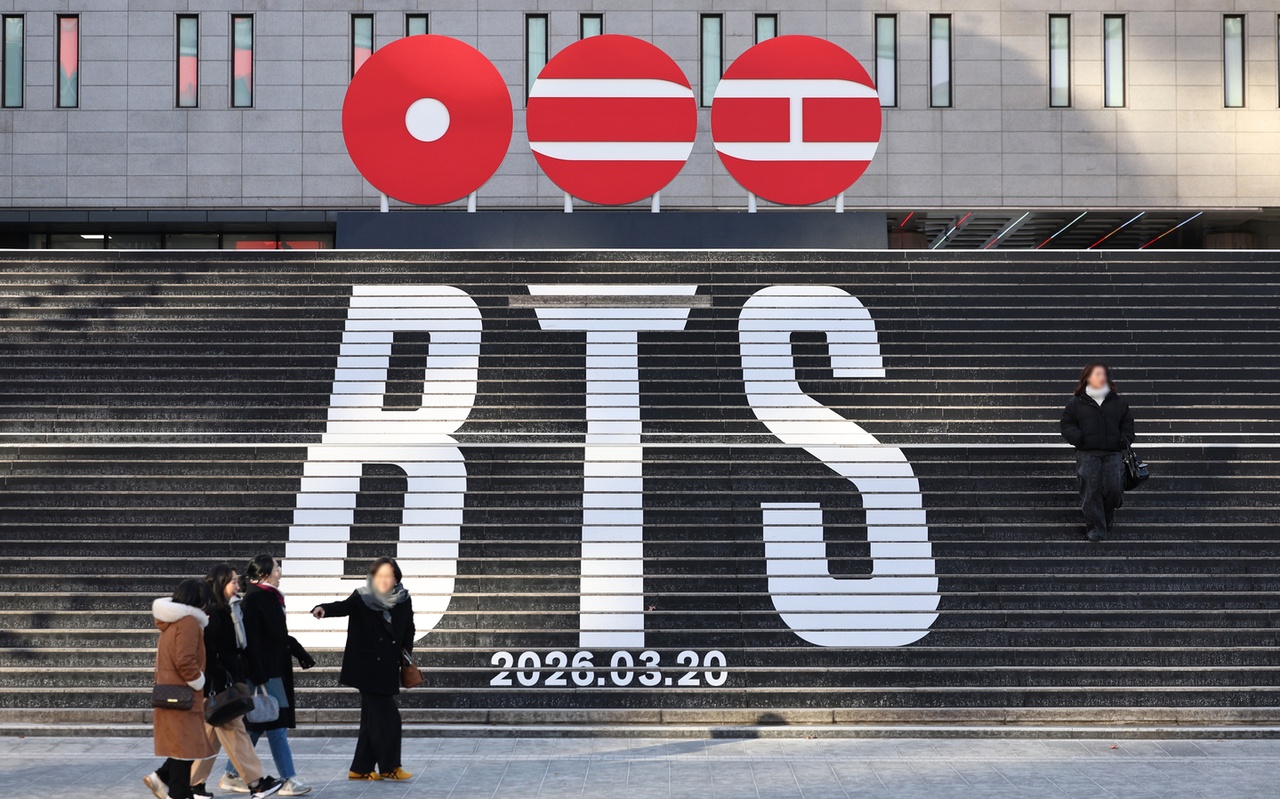
Now, BTS is poised to make history once again with its upcoming fifth full-length album, “Arirang.” The question is not whether it will break new records — but which ones will fall in its wake.
Here’s a look back at the numbers that defined the past three years of K-pop, from the new milestones reached, the records rewritten, and the industry’s growth — or stagnation — as told through the numbers.
Album sales at unthinkable highs
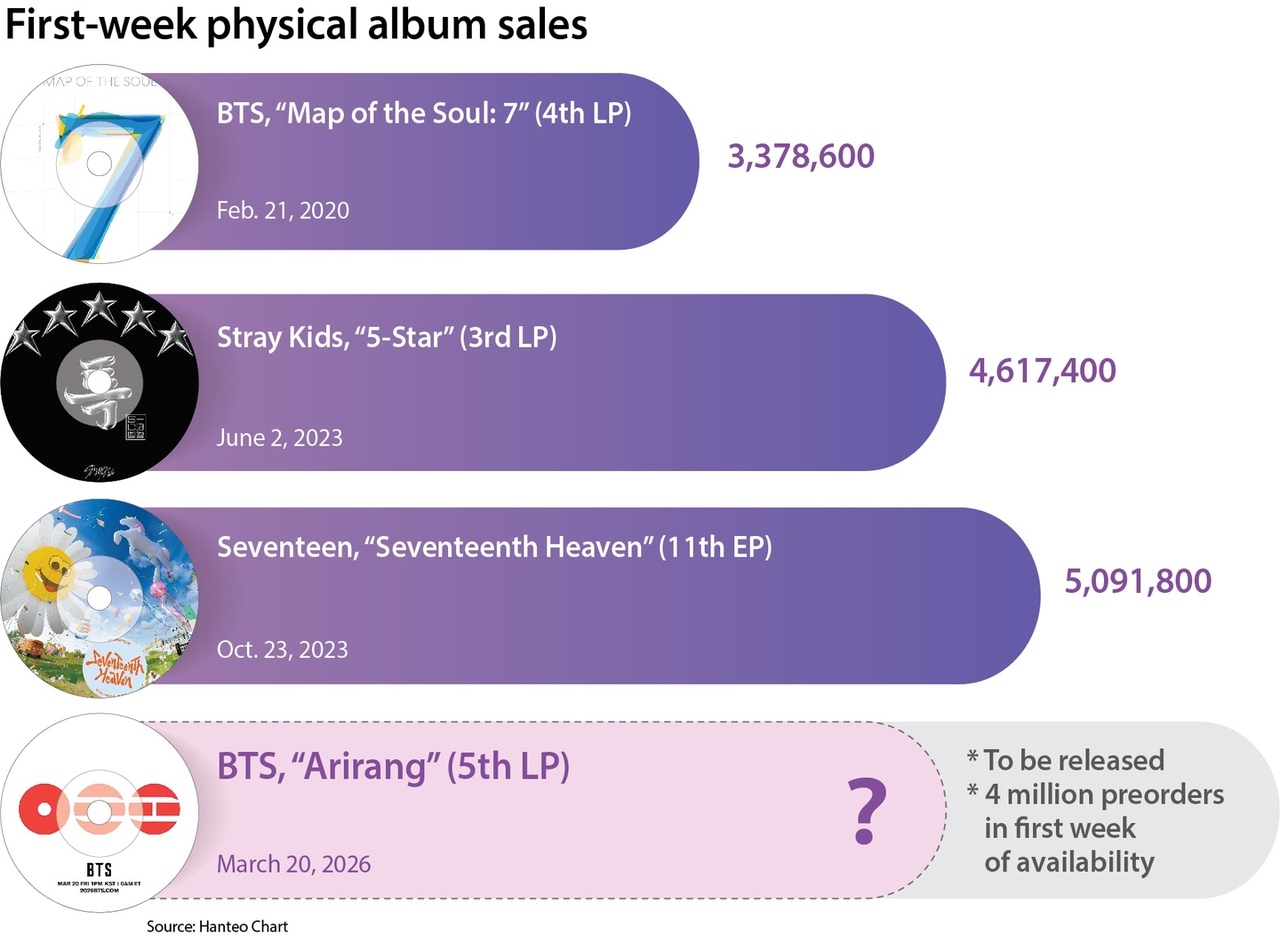
When BTS made history as the first Korean act ever to sell 1 million album copies in the first week of the release with “Love Yourself: Tear” (2018), few expected the number would soon double to 2 million copies with “Map of the Soul: Persona” (2019), and then triple to 3 million with “Map of the Soul: 7” (2020).
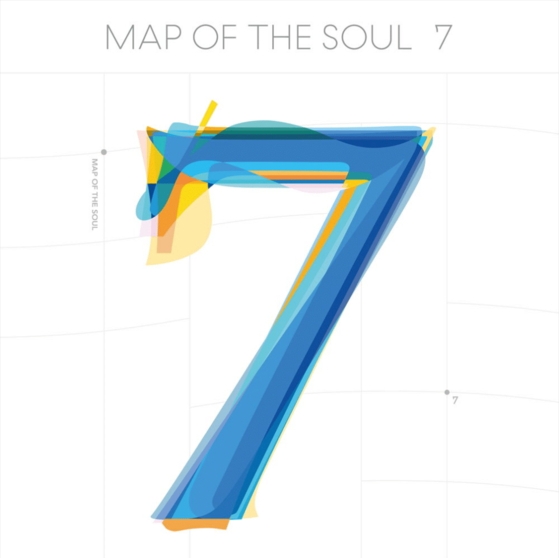
“Map of the Soul: 7,” the group’s fourth full-length album, recorded 3.38 million first-week sales, according to Hanteo Chart, one of the most widely cited K-pop chart performance trackers run by Hanteo Global.
Then came the Covid-19 pandemic.
With tours indefinitely suspended and the global K-pop audience growing amid lockdowns, purchasing power became increasingly concentrated on physical albums, amplifying an already accelerating market.
The surge peaked in 2023, when BTS members began to pursue solo careers after Jin's enlistment in December 2022 and younger groups began rising on the horizon amid K-pop's expanding global presence.
Seventeen’s “FML” (2023) became the first K-pop album to surpass 4 million copies in first-week sales alone. Stray Kids followed with “5-Star” (2023), selling more than 4.6 million copies. Later that year, Seventeen once again broke the ceiling with “Seventeenth Heaven” (2023), which moved 5.09 million copies, an unprecedented all-time high.
Since 2024, however, overall physical album sales have entered a noticeable decline, often attributed to a natural market correction following the post-pandemic surge, compounded by growing concerns of environmental impact and increasingly aggressive sales tactics that inflated sales figures.

In this stagnated market, BTS’s “Arirang” already logged 4.06 million preorders within a week of opening orders. While susceptible to external factors such as logistics, the final tally is highly likely to surpass the group’s previous record set by “Map of the Soul: 7,” and may once again cross the 4 million threshold — or even the 5 million mark — despite the changed landscape.
“I believe the [first-week sales] figure will likely surpass 4 million, and possibly reach 5 million,” Hanteo Global CEO Kwak Young-ho told the Korea JoongAng Daily.
While acknowledging economic headwinds and market fragmentation, Kwak noted that the comeback’s significance as the group’s first military release would likely further amplify demand.
“Of course, there might be many variables and whether a new record is set should not determine how we celebrate BTS,” he said. “But from an industry perspective, reaching 4 to 5 million is certainly within range.”
K-pop moves stadiums
One of the landmark moments of K-pop’s global ascent came in 2019, when BTS headlined London’s Wembley Stadium, becoming the first K-pop act to do so and drawing roughly 110,000 fans over two shows.
The Wembley concert was part of BTS’s “Love Yourself” tour, which included both the original tour that spanned 12 countries from August 2018 through April 2019 as well as the subsequent stadium tour, “Love Yourself: Speak Yourself,” which spanned 20 shows in eight countries from May through October 2019.
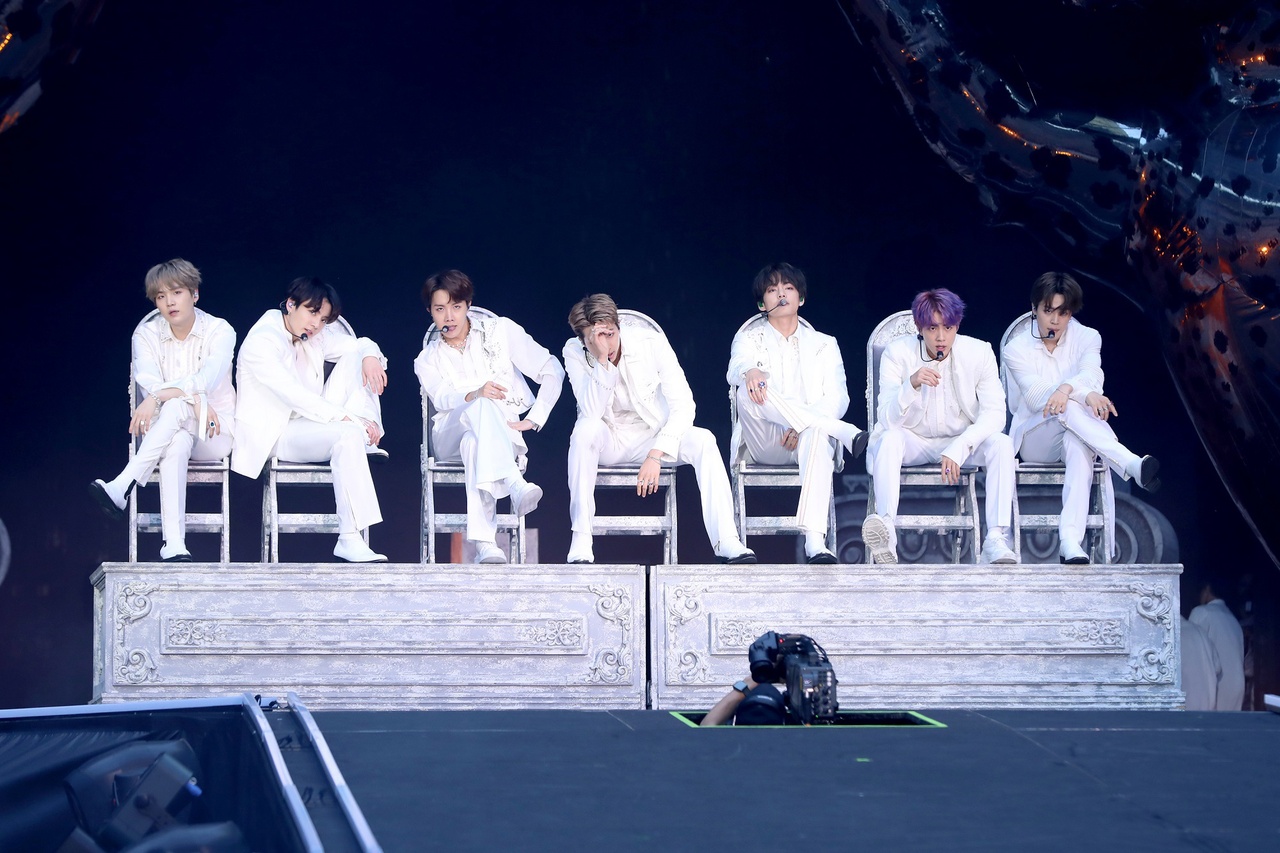

This was BTS’s last full-fledged world tour, as the “Map of the Soul” tour, initially scheduled to run in 2020, was cancelled due to the Covid-19 pandemic, and the “Permission to Dance on Stage” stadium tour took place only in two countries, Korea and the United States.
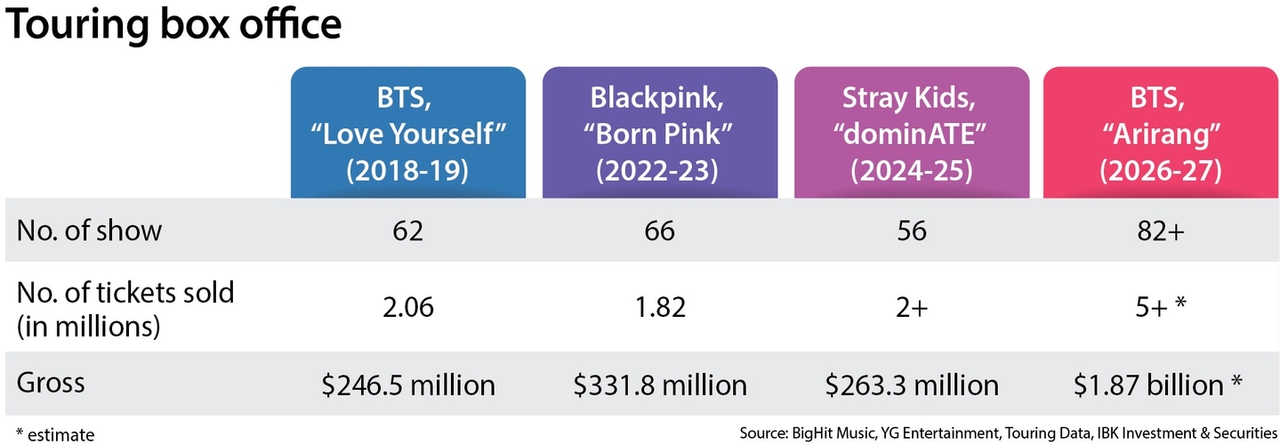
Independent market tracker Touring Data estimated BTS’s “Love Yourself” tour series, spanning 62 shows, grossed $246.5 million in total. BigHit Music tallied the total attendance at 2.06 million.
Since then, new benchmarks have been set.
The highest-grossing K-pop tour ever, according to Touring Data, was Blackpink’s “Born Pink” tour, spanning 66 shows across 23 regions from October 2022 through September 2023. The market tracker estimated the tour series grossed $331.8 million, with a total of 1.82 million tickets sold.

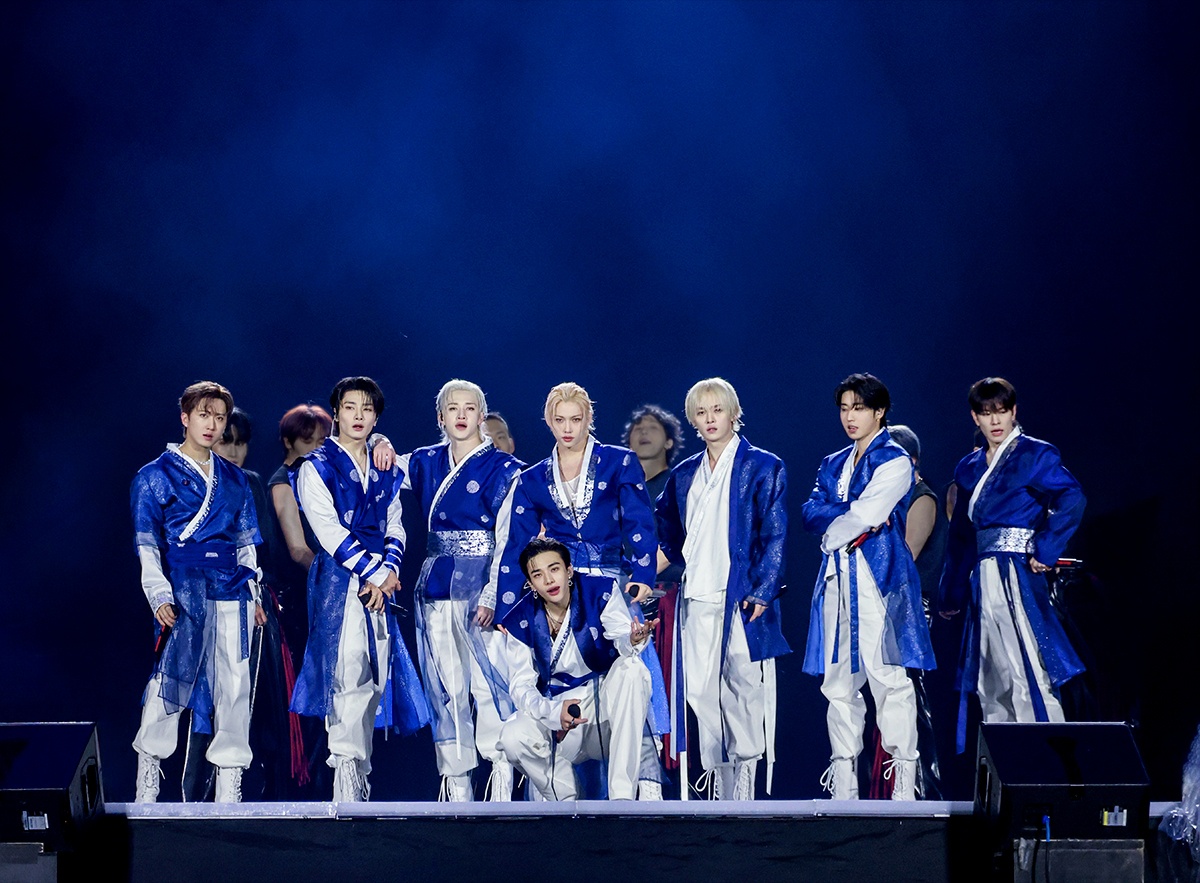
Meanwhile, Stray Kids’ “dominATE” tour reportedly sold more than 2 million tickets across 56 shows. Touring Data estimated the tour sold 1.98 million tickets and grossed $263.3 million, both figures not including two additional encore shows in the 30,000-seat Incheon Asiad Main Stadium held in October last year. JYP Entertainment did not disclose attendance for the "dominATE" tour.
And then comes BTS again.
The group’s “Arirang” tour is already billed as K-pop’s largest yet, with at least 82 shows across 34 stops. IBK Investment & Securities expected the tour to gross 2.7 trillion won ($1.87 billion) in revenue, including concert merchandise sales throughout 2027 with total attendance of more than 5 million — which means it will easily eclipse any previous records set by K-pop acts.
Billboard dominance remains intact
In 2019, Billboard noted that BTS scored its third No. 1 album on the Billboard 200 in less than a year with “Map of the Soul: Persona,” which made BTS the first group to achieve the feat at such a pace since the Beatles.
The Billboard 200 ranks the most popular albums in the United States based on multimetric consumption, including physical sales, track-equivalent albums and streaming-equivalent albums.
With the addition of “Map of the Soul: 7,” “BE” (2020), and the anthology album “Proof” (2022), the group boasts a total of six Billboard 200 chart-toppers.
And then Stray Kids recently made headlines by debuting at No. 1 on the Billboard 200 with eight consecutive releases, from its sixth EP “Oddinary” (2022) through the fourth full-length album “Karma” (2025) and special release “Do It” (2025).
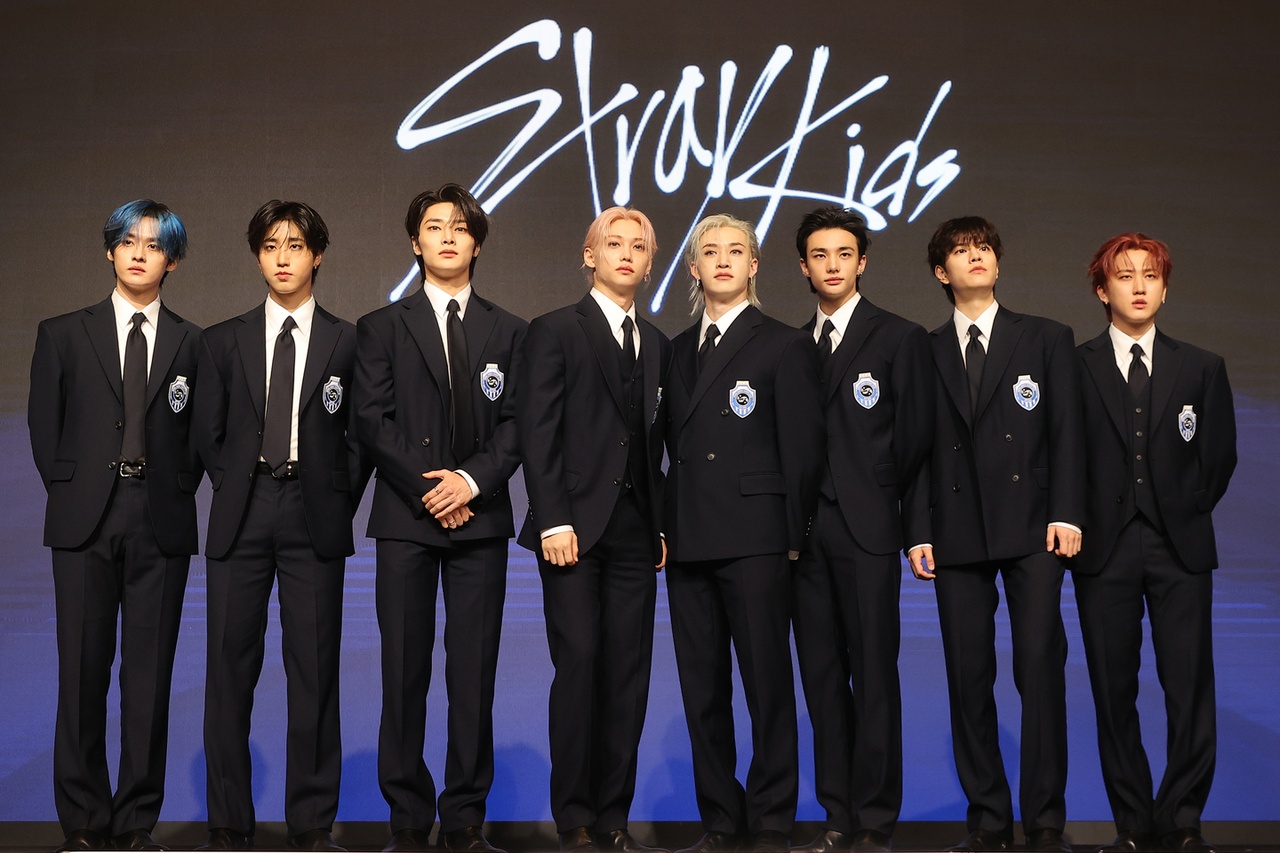
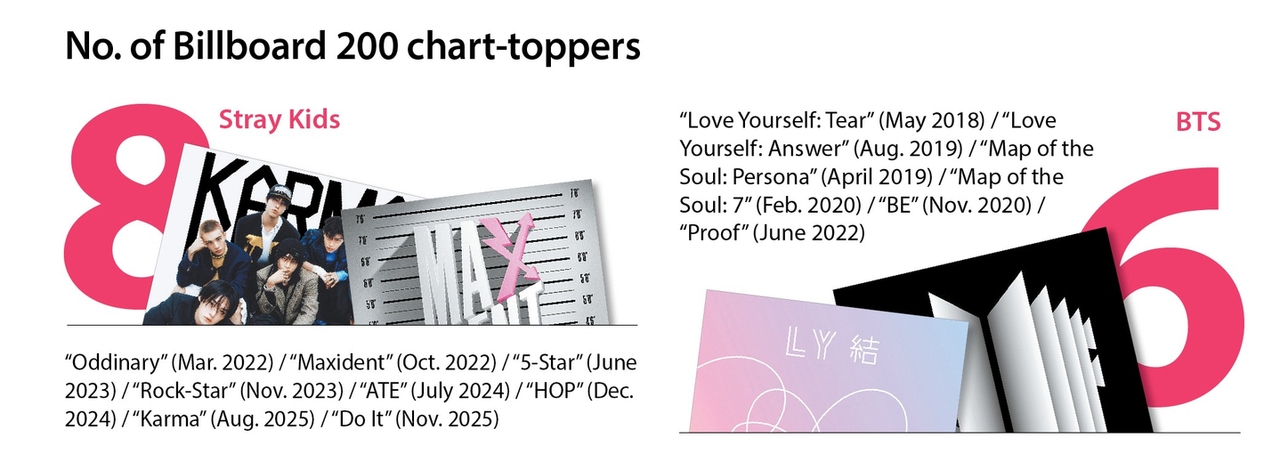
The boy band became the first act in the chart’s history to have its first six entries all debut at No. 1 in 2024, and then extended the streak to eight, the most No. 1 albums among groups since 2000.
Among groups overall, The Beatles leads with 19 Billboard 200 chart-toppers, followed by The Rolling Stones with nine. Stray Kids currently holds eight, and BTS is widely expected to secure its seventh No. 1 on the Billboard 200 with “Arirang.”
On the other hand, BTS’s dominance remains unmatched among K-pop acts on the Billboard Hot 100 single chart, one of the most widely cited barometers of a song's popularity in the United States.
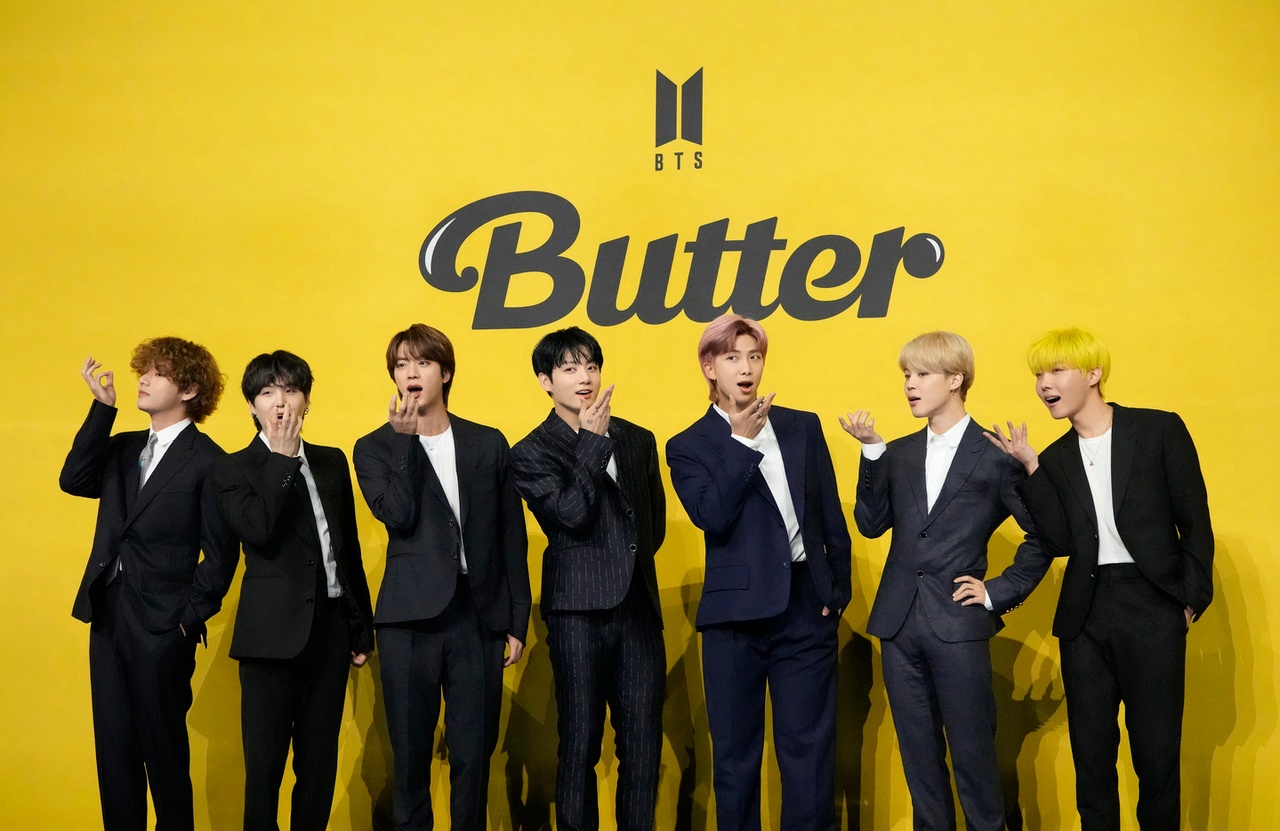
The group has five non-English Hot 100 top 10s — “Fake Love” (2018), “Boy With Luv” (2019), “On” (2020), “Life Goes On” (2020), and “My Universe” (2021), a collaboration with Coldplay —, by far the highest tally for a K-pop act, followed by Psy who has two top 10 entries with “Gangnam Style” (2012) and “Gentleman” (2013). BTS ranks second in the number of all non-English top 10s, only after Bad Bunny.
“Life Goes On,” in particular, became the first Korean-language track ever to debut at No. 1.
And of course, BTS’s English-language tracks “Dynamite” (2020), “Butter” (2021) and “Permission to Dance” (2021) all debuted No. 1 on the chart. “Butter” topped the chart for 10 weeks, a record that has yet to be surpassed by any K-pop song or act, as “KPop Demon Hunters” (2025) soundtrack “Golden” stayed at the top spot for eight weeks in total.
Meanwhile, Blackpink’s Rosé also made history with “APT.,” her 2024 collaboration with Bruno Mars, which became the longest-charting K-pop hit with a 45-week run, surpassing the previous record of 33 weeks set by BTS’s Jimin.

Will BTS reinvigorate the scene?
In the absence of BTS, the K-pop industry reached a new commercial peak, before showing signs of a downturn amid the persistent concerns of stagnation.
According to Korea Customs Service, music album exports rose 3.4 percent on-year in revenue to $301.7 million last year, a record high, with Japan, China and the United States as the three biggest importers.
Yet total domestic album sales have declined for two consecutive years, according to Circle Chart data. After peaking at 115.8 million copies in 2023, sales fell to 93.3 million in 2024 and dropped to 86.4 million last year.

Some analysts cautiously expect a rebound this year.
“As BTS and Blackpink, juggernauts of K-pop’s global rise, are making comebacks this year, the market expectations have been growing,” noted Circle Chart analyst Kim Jin-woo. Beyond the direct sales of the two top-tier groups, Kim also pointed to a potential “trickle-down” effect for junior groups, projecting that the total physical album sales could rebound toward the 100 million mark this year.
With a handful of days counting down to BTS's comeback, it looks like the group will once again raise the ceiling. The numbers that seemed unreachable are now the baseline — and another chapter of history is already in the making.
BY SHIN HA-NEE [shin.hanee@joongang.co.kr]