Late actor Kim Ji-mee honored with Geumgwan Order of Cultural Merit
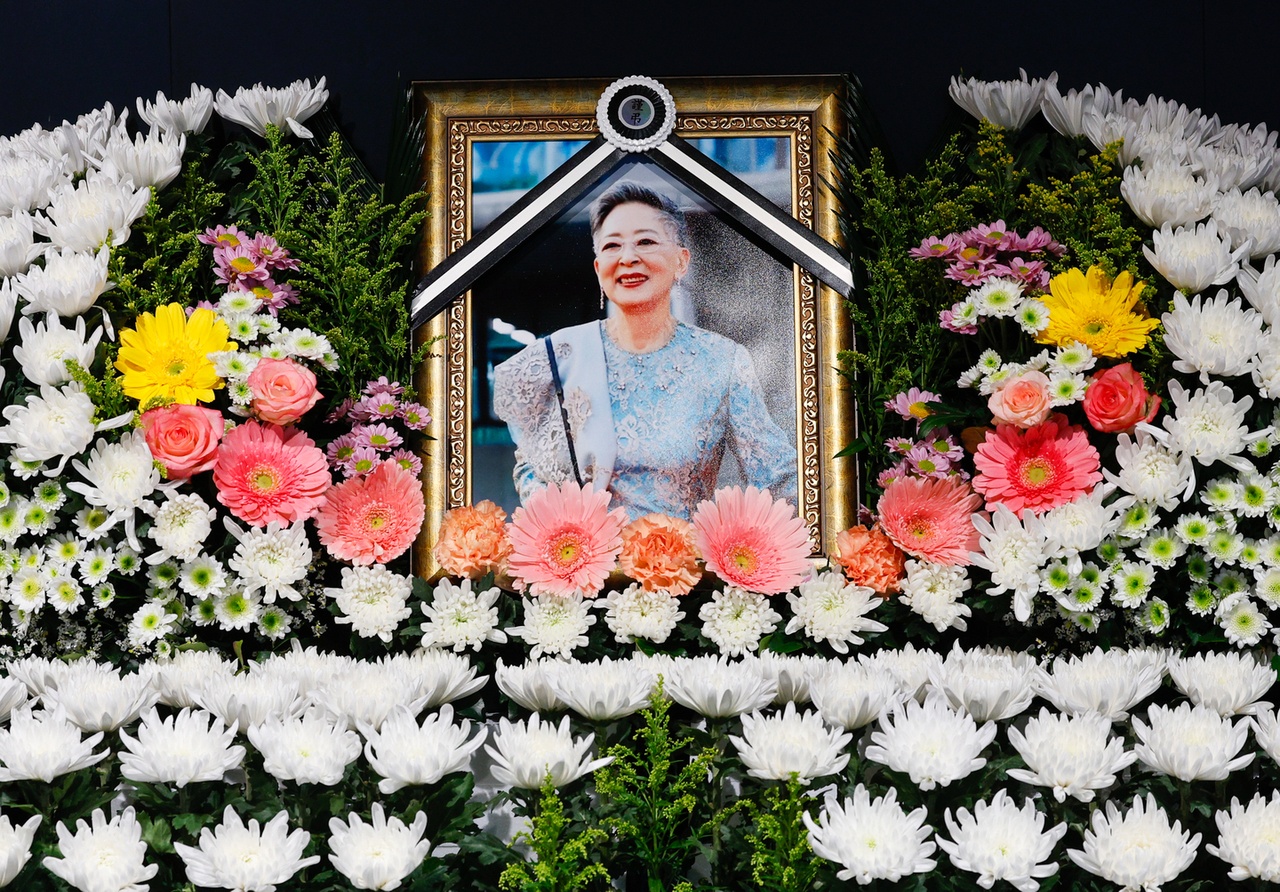
The government will posthumously award the Geumgwan Order of Cultural Merit to the late actor Kim Ji-mee, whose real name is Kim Myeong-ja, on Sunday.
The Ministry of Culture, Sports and Tourism said Sunday that Minister Chae Hwi-young bestowed the nation’s highest cultural honor on behalf of the government at 2 p.m. the same day.
“The late actor symbolized an era of Korean cinema, combining mass appeal with artistic excellence,” the ministry said. “She contributed to strengthening the foundations of film production and the development of the industry, while also playing a substantive role in protecting the Korean film ecosystem and reinforcing its institutional framework.”
The Order of Cultural Merit is awarded to individuals who have made outstanding contributions to the development of culture and the arts and to expanding public access to culture. The Geumgwan, or "Gold Crown" in English, is the highest class of the order and is typically bestowed on pioneers or senior figures in their fields.
Kim previously received the Bogwan Order of Cultural Merit in 1997 and the Eungwan Order of Cultural Merit in 2016.
Often dubbed the “Elizabeth Taylor of Korea,” Kim died on Dec. 7 in Los Angeles. She was 85.
Emerging in the mid-1950s, when the scars of the Korean War (1950-53) still lingered, Kim remained a constant presence on the screen through the early 1990s. For decades, she was known as a symbol of beauty and the “queen of the silver screen,” imprinting an irreplaceable acting presence and aura on Korean cinema.
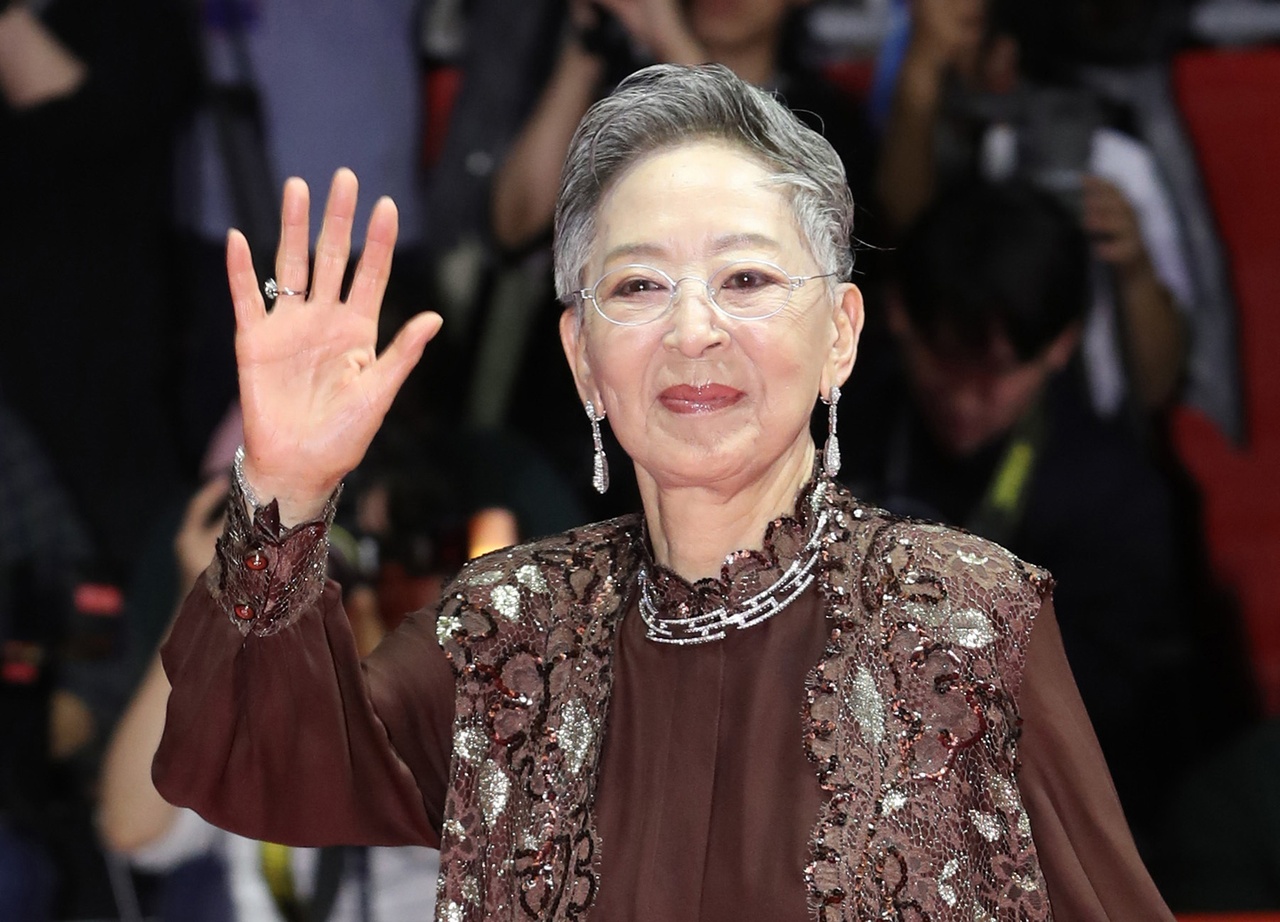
Including “Myong-Ja Akiko Sonia” (1992), which she both starred in and produced, Kim appeared in some 700 films. At the height of her career in the 1960s and 1970s, she often made around 30 films a year, sometimes shooting multiple projects in a single day.
Born in 1940 in Daedeok, South Chungcheong, Kim was discovered while visiting a cafe in Myeong-dong as a second-year student at Deoksung Girls’ High School. She made her debut in director Kim Ki-young’s “The Twilight Train” (1957) and rose to stardom after the box-office success of “The Star in My Heart” (1958).
Kim went on to headline films such as “Three O'clock P.M. in a Rainy Day” (1959) and “Lady Jang” (1961), helping usher in the renaissance of Korean cinema in the 1960s.
Known as a formidable presence in the industry, Kim was also active as a producer. She founded the production company Jimi Film in 1986 and produced seven films, including “Ticket” (1986) and “America, America” (1988). She later served as chair of the Korean Film Workers Association (translated) in 1995, co-chair of the pan-film community emergency committee to defend the screen quota system in 1998 and a commissioner at the Korean Film Council in 1999.
Kim received Best Actor honors at the Panama International Film Festival and the Grand Bell Awards. The Korean Filmmakers Welfare Foundation also inducted her into its Hall of Fame in 2010 under the title “Glamorous Actress.” She was elected a member of the National Academy of Arts, one of the highest honors for artists in 2015.
The government also posthumously awarded the Geumgwan Order of Cultural Merit to the late actor Lee Soon-jae, who died in November. Other recipients of the honor include actors Youn Yuh-jung in 2021 and Lee Jung-jae in 2022.
This article was originally written in Korean and translated by a bilingual reporter with the help of generative AI tools. It was then edited by a native English-speaking editor. All AI-assisted translations are reviewed and refined by our newsroom.
BY CHO MUN-GYU [kim.minyoung5@joongang.co.kr]