Park Chan-wook's 'No Other Choice' misses out at Venice, begins Oscars hunt

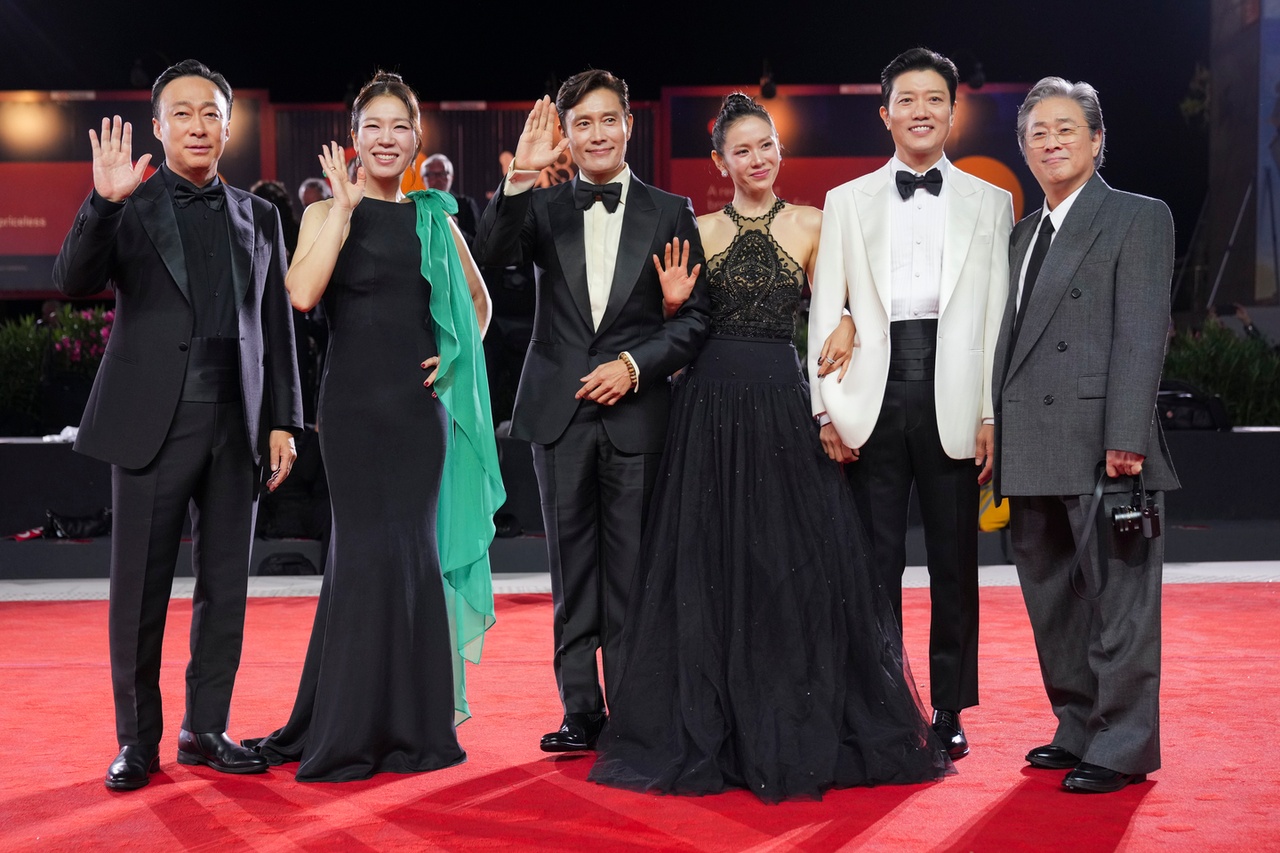
Korean director Park Chan-wook's latest film “No Other Choice” failed to win the highest honor, the Golden Lion, at this year's Venice International Film Festival despite much anticipation at home, as well as rave reviews from the media abroad. The top honor went to Jim Jarmusch’s film “Father Mother Sister Brother.”
Despite missing out, director Park said the film's warm reception by audiences has already been a “big award” for him.
“The audience’s response has been better than for any film I’ve made, so it already feels like I’ve won a big award,” he said to the press after the festival’s closing ceremony.
President Lee Jae Myung also acknowledged the director, actors and crew in a Facebook post on Sunday.
“Regardless of the outcome, the fact that a Korean film has entered the Venice International Film Festival’s competition section for the first time in 13 years is a meaningful achievement in itself,” the president said. “Through his film, his profound insight and distinctive aesthetics would have surely left a lasting impression on cinema fans around the world.”
This year’s invitation to Venice marks Park’s first in 20 years, following the film "Sympathy for Lady Vengeance" (2005). The last Korean film in competition at the Italian film festival was “Pieta” (2012) by the late director Kim Ki-duk (1960-2020), which won the Golden Lion.
Although "No Other Choice" did not win an award, the film holds considerable significance for Korea’s struggling film industry. And Venice is not the final opportunity for the film, as it is now set to compete at next year’s Oscars.
A longer wait
The Korean film industry is still awaiting its next award winner — with the last major international success story being Bong Joon-ho’s "Parasite" (2019), which was honored at Cannes and the Oscars.
Also, Korean theaters could really use a much-needed boost from award-winning film releases.
Still, the invitation to Venice is seen as meaningful.
“Compared to the global success of K-dramas and K-pop, Korean cinema has seemed to lag behind regarding its achievements,” culture critic Ha Jae-geun told the Korea JoongAng Daily. “Since Parasite, no film has truly stood out at major international festivals, but Park’s latest work shows that Korean cinema is once again gaining strong recognition and elevating its reputation.”
The film also received notable overseas recognition, including a 9-minute standing ovation at its world premiere during the festival and a 100 percent rating on Rotten Tomatoes by critics — higher than the Oscar-winning film “Parasite,” with 99 percent.
Overseas media also gave Park’s film positive reviews, with the BBC calling it "deliriously entertaining" and dubbing it "this year's 'Parasite.'”
BBC noted, “'No Other Choice' isn't just Park's funniest film, but his most humane, too — and that's quite something for a comedy as violent as this one.”
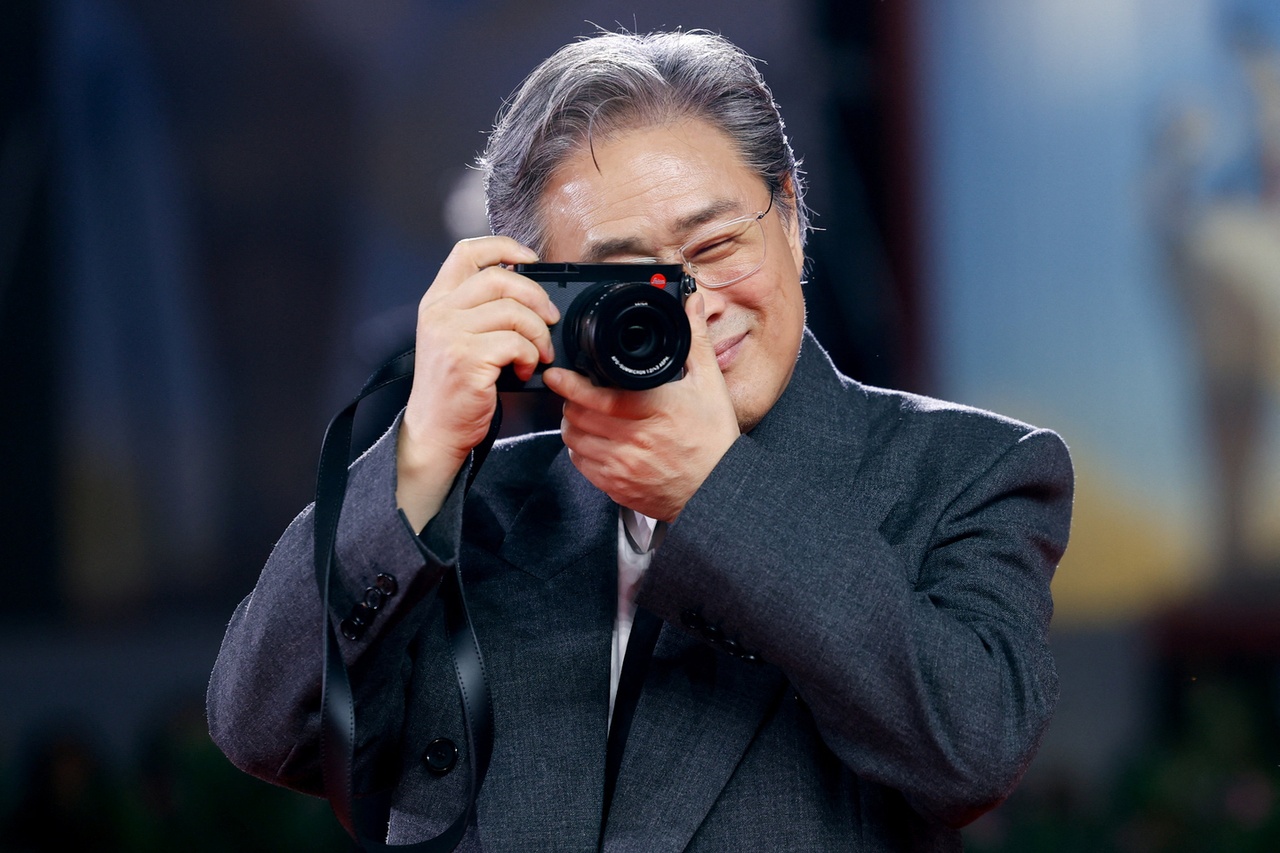
The Guardian called it a “sensational state-of-the-nation satire from Park Chan-wook,” while Variety hailed it as “the latest exhibit in the mounting body of evidence suggesting Park Chan-wook may be the most elegant filmmaker alive."
Spurred on by these positive reviews, expectations for the film, set for release in Korea on Sept. 24, are rising, with hopes that it may bring audiences back to theaters.
“There are some expectations in the film industry that Park’s latest film will boost up and act as a catalyst for the struggling Korean cinema scene,” culture critic Kim Hern-sik said.
Yet, some remain cautious about the broader industry impact.
“As someone who also admires director Park, I truly hope this film reaches a wider audience and finds success,” pop culture critic Seong Sang-min said. “But that alone doesn’t necessarily mean the overall situation for Korean cinema has improved. Sometimes, it can just be about one film succeeding on its own, without signaling broader change.”
Looking toward the Oscars
The film, now boasting widespread acclaim overseas, shows that Park’s latest work resonates with a global audience. It has also entered the conversation regarding possible Oscars, which, if it happened to materialize, would make "No Other Choice" only the second Korean film to achieve such recognition, after Bong's “Parasite.”
The Korean Film Council announced on Sept. 3 that it has selected “No Other Choice” as the country's official submission for next year's Academy Awards.
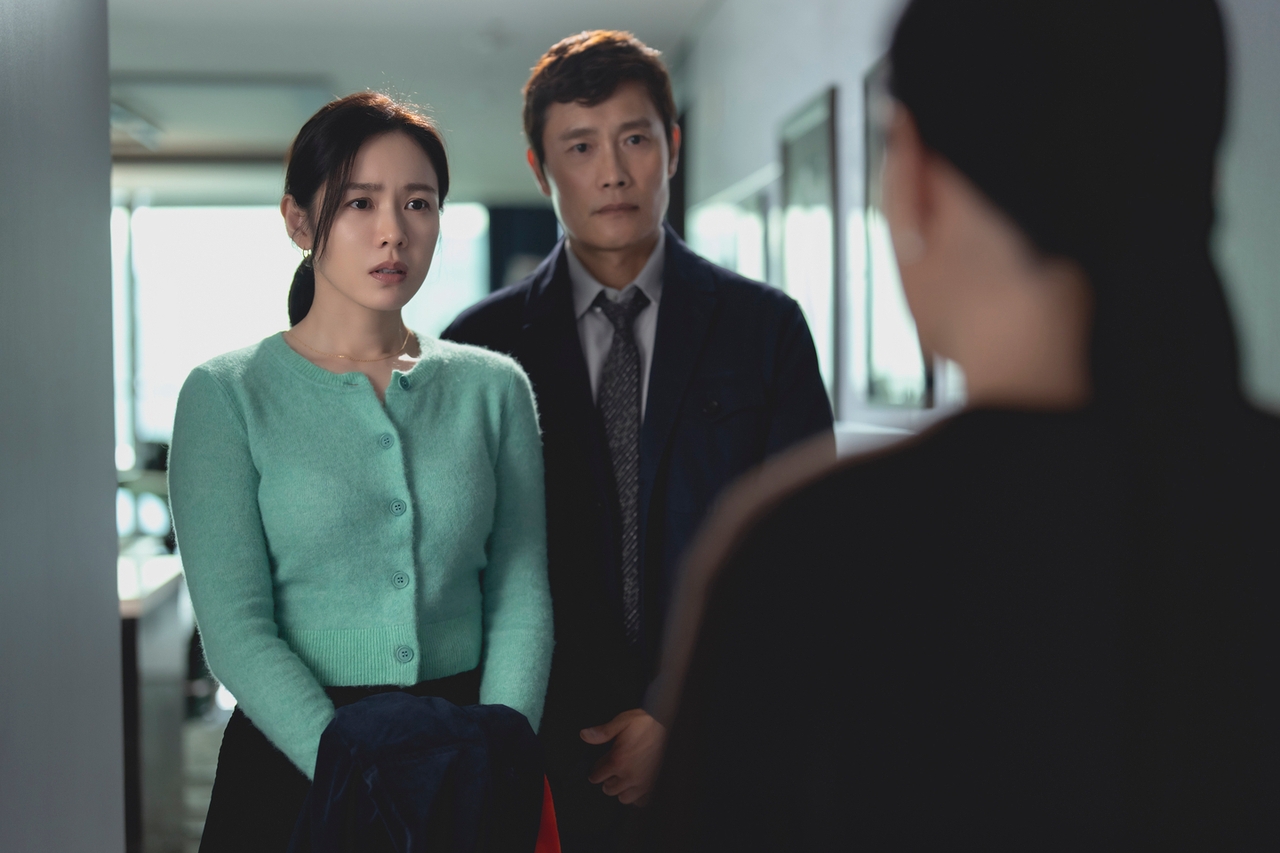
“No Other Choice” is an adaptation of the mystery novel "The Ax" (1997) by American writer Donald E. Westlake. It follows Man-soo, a middle-aged man who, after being abruptly fired from a paper company, takes extreme measures to secure a new job by dealing with his competitors. The black comedy features actors Lee Byung-hun from “Squid Game” (2021-), who takes the role of Man-soo, alongside Son Ye-jin, known for the popular TV series "Crash Landing on You" (2019-20), portraying Man-soo’s wife, Mi-ri.
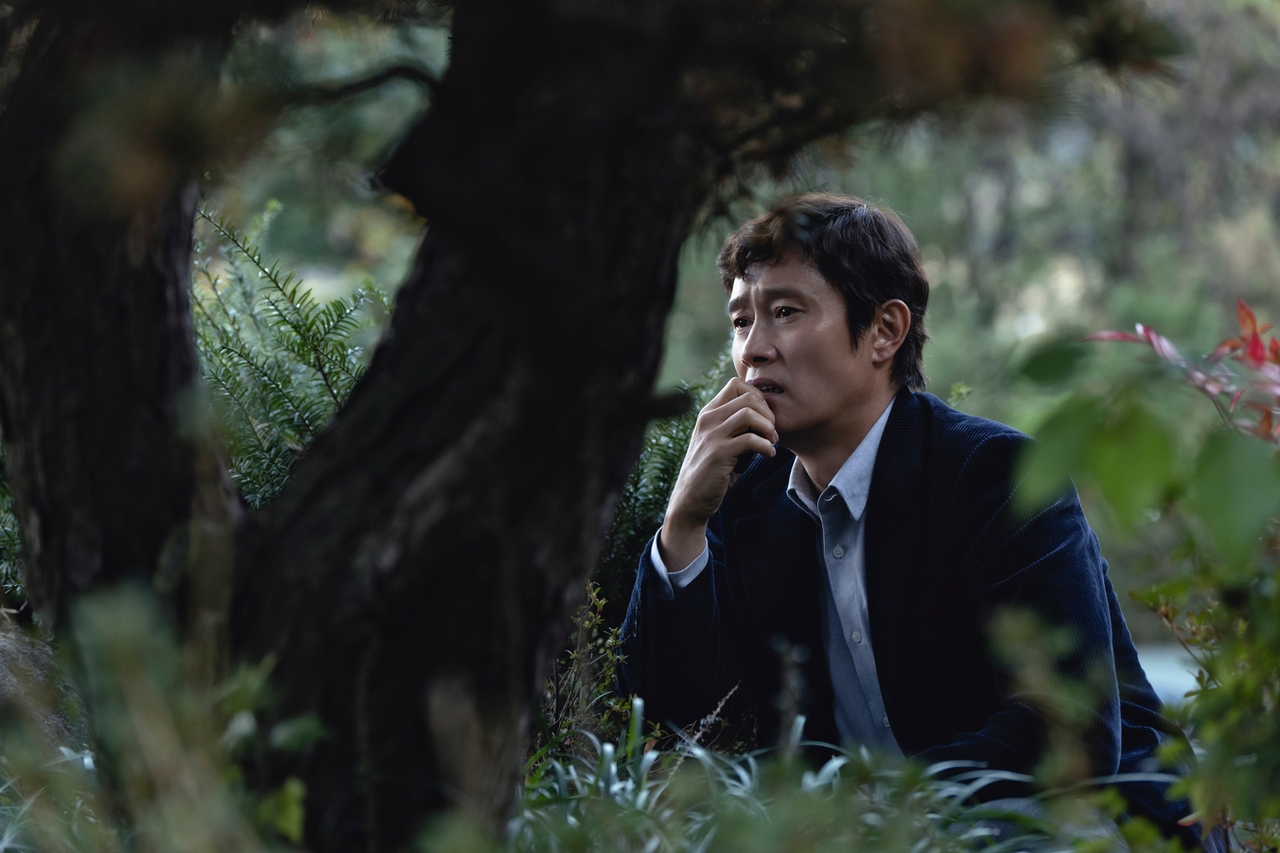
Park, usually known for his unconventional style, themes and experimentation, is seen this time striking a balance between artistic expression and broad audience appeal. The story centers on a universal social issue — unemployment and job loss — a concern that resonates with audiences worldwide.
“In the past, Park was often pointed out to be weaker, compared to director Bong, in crafting satire or black comedy,” Kim said. “This time, however, he has strengthened and refined those very elements, which helps distinguish the film and address what had previously been seen as shortcomings.”
With its combination of black comedy, recognition at a major international festival and universally relatable themes, many experts see the film as a strong contender for the Academy Awards.
“In Hollywood, or in the United States, they often emphasize elements that appeal to a broad audience,” Kim added. “Park's film holds mass appeal this time, along with artistic value. Its chances of winning awards and its overall quality are seen as stronger than ever.”
BY KIM JI-YE [kim.jiye@joongang.co.kr]