University course explores what G-Dragon reveals about K-pop — and its limits
[INTERVIEW]
At the University of Southern California (USC) this spring, a new course will cover G-Dragon — not to celebrate the K-pop idol’s decades-long career, but to ask harder questions about the industry itself.
The upcoming four-credit communication course at the USC Annenberg School for Communication and Journalism, called “Crooked Studies of K-pop: Reimagining K-pop’s Dominant Discourses Through G-Dragon,” sets out to be something far less reverential than one might expect.
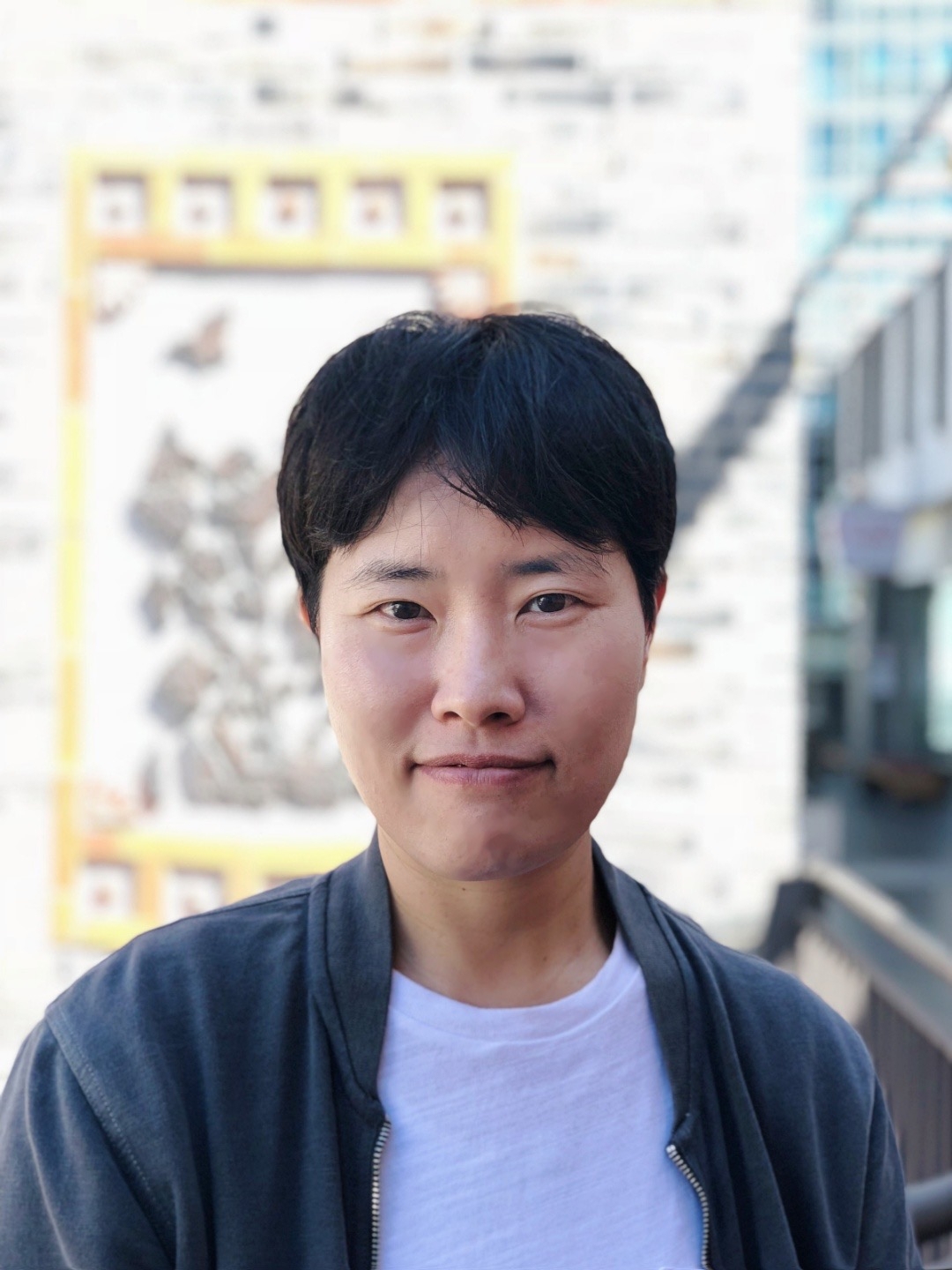
Rather than revisiting the highs of G-Dragon’s career, the class invites students to treat the singer as a case study to examine where K-pop stands today, and why the genre, despite its expanding global reach, remains constrained by persistent critical assumptions, according to Professor Lee Hye-jin.
“I did not create this class because I’m a huge G-Dragon Fan,” said Lee during a virtual interview with the Korea JoongAng Daily on Thursday. “This course is challenging dominant discourses through the body of work of an artist.”
That, Lee explained, is precisely why G-Dragon — one of the few K-pop idols to sustain such a long-running, influential career across music and fashion — makes an ideal subject.
Lee, who describes herself as “a generalist,” earned her PhD in mass communication from the University of Iowa and has taught at USC Annenberg since 2015, becoming a full-time faculty member in 2017. Her earlier courses focused largely on Western pop culture, but she expanded into K-pop amid the genre’s global rise, led by BTS’s breakthrough later that decade.
After developing a K-pop-specific course in 2019, she began teaching “Evolution of K-pop” in 2022, the first regular communication course centered on K-pop offered by a U.S. university.
Because Lee’s research is grounded in the broader pop culture rather than K-pop or its fandom specifically, she noted that responses to K-pop vary sharply among students.
“We like to think that K-pop is very mainstream and liked by everybody, but that's really not the case,” noted Lee. “There's still a lot of resistance and reluctance that I see from the non-K-pop fans.”
That gap between K-pop’s perceived ubiquity and its uneven acceptance has caught Lee’s academic interest, the professor said, as she examines what continues to limit K-pop despite its global visibility.
The following interview has been edited for length and clarity.
Q. Why G-Dragon? And what is the analytical lens of the course?
A. While the class is informally called the “G-Dragon class,” I did not create this class because I’m a huge G-Dragon fan, though I do respect how he’s been able to establish himself as a cultural icon.
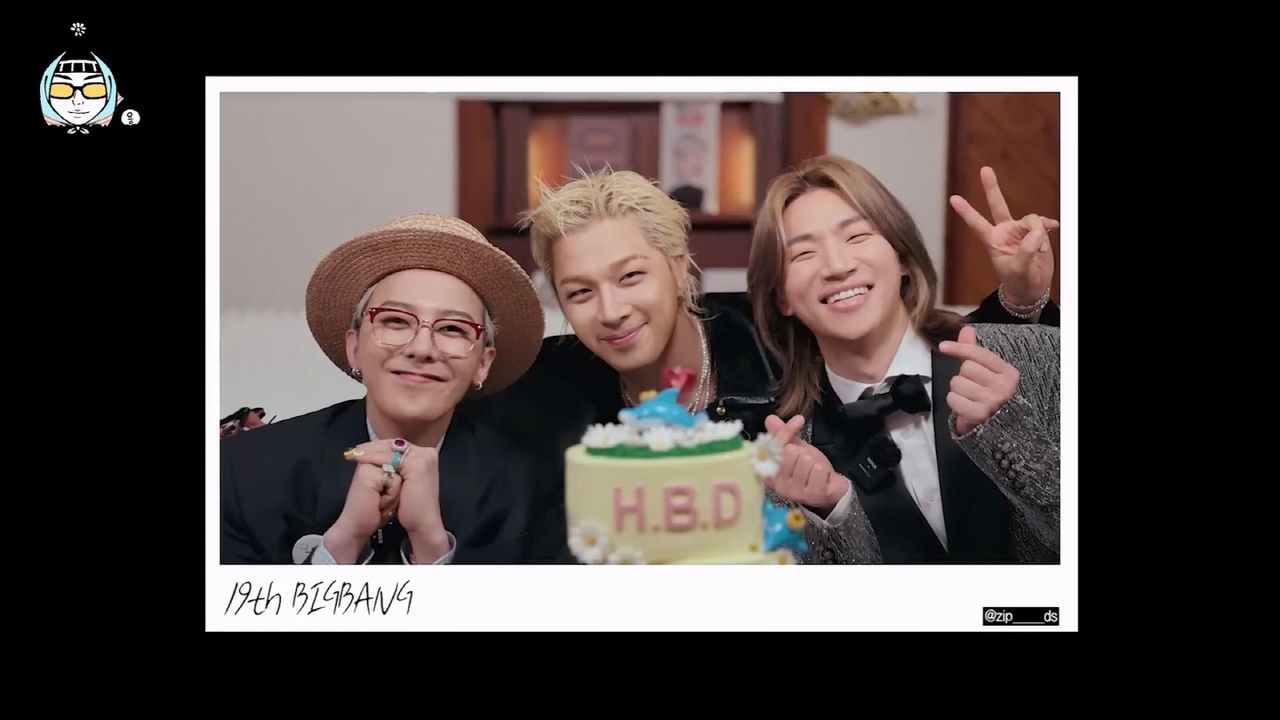
As someone who teaches K-pop classes and is aware of other pop-star-focused courses on, for example, Beyoncé, Taylor Swift or Madonna, I had been thinking about this format for a while. But I couldn’t think of anybody until last year when I saw G-Dragon making a major comeback.
There was an intergenerational reception to his comeback, and it was interesting, particularly because of his long hiatus. It’s rare for artists who have been away from the spotlight for that long to still get that kind of welcoming response.
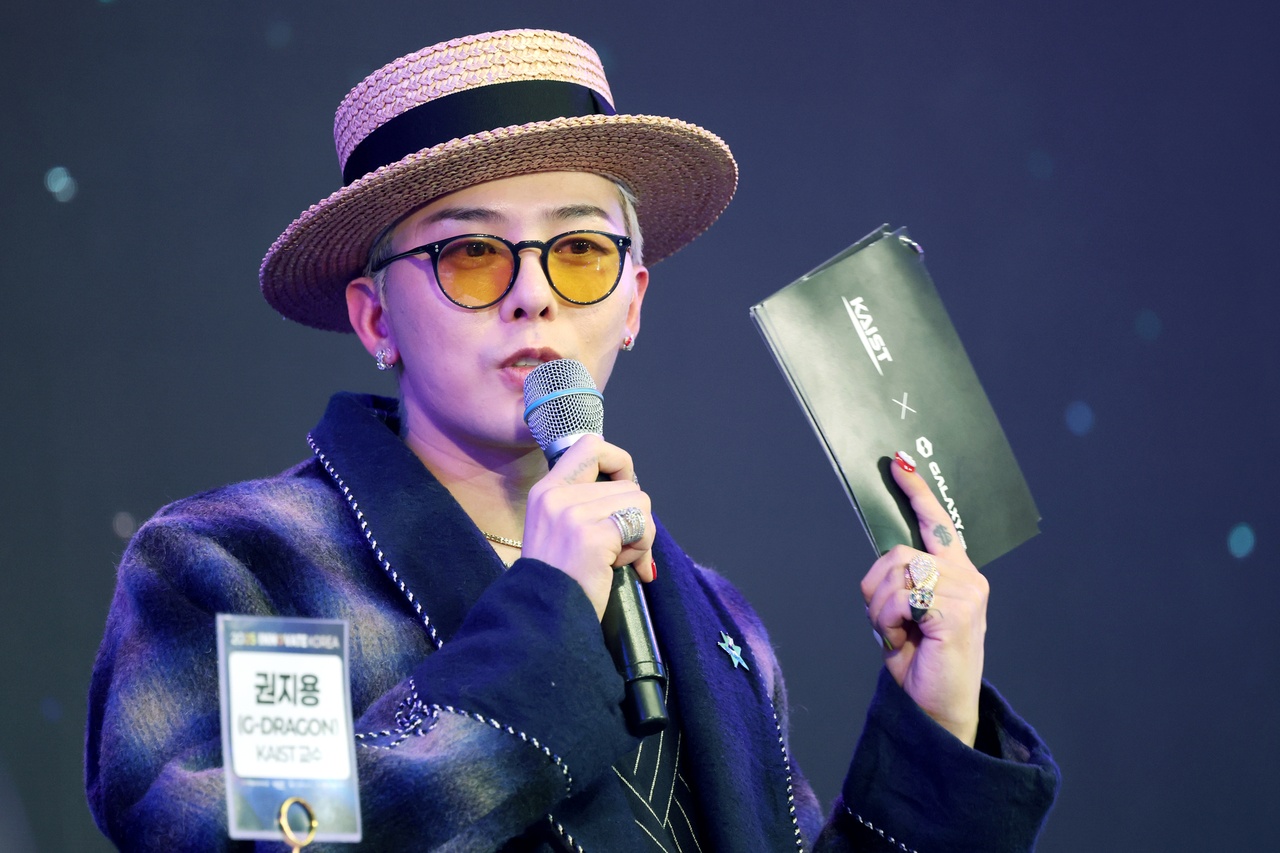
For me, the goal isn’t to celebrate his achievements. What I want to do is to use this K-pop artist as a way to challenge and to critically interrogate dominant discourses surrounding K-pop, particularly in Western contexts, where there’s still resistance to embracing K-pop.
K-pop artists are often perceived as “manufactured commodities” without any originality or as carbon copies of Western music. There’s also this idea that K-pop is childish and only for young people.
Therefore, I needed to find an artist with a long career trajectory. G-Dragon is also a good case to talk about creative agency, as an artist with creative control over their own music.
How is the class structured? Did you consult with Galaxy Corporation or YG Entertainment in developing the course?
The class meets once a week for two to three hours. We’ll watch a lot of videos and have in-depth discussions, starting from Big Bang’s formation and tracing the industrial, cultural and technological changes that shaped G-Dragon’s career.
We’ll also look at how artists are promoted, how groups are formed, as well as the androgynous elements of G-Dragon’s style and branding, which mirrors pop stars like David Bowie or Prince, but also differs from Western figures.
This has nothing to do with the companies. I did tell the company that I was considering creating a course, but they made no request for any input, nor would I allow it. Companies cannot demand what can be discussed and what can’t be.

Why do negative perceptions of K-pop persist in the West?
To be honest, there’s some truth to the criticism regarding its rigid structure and training system involving young people who may never debut. Even if they debut, K-pop artists are often not allowed to say things that are actually on their minds.
The way artists are developed in K-pop is very different from the United States, where people still tend to think that musicians have to be developed organically or to be discovered organically, and are put off by the idea of people being modeled in a way a company wants them to be, as if being created as a product.
So the question is what the K-pop industry can do to diffuse these negative ideas — I believe that’s going to be one of the biggest assignments for them.

That said, there are also racialized and gendered perceptions of Asian people at play. I’m not accusing people of being racist or culturally ignorant for not giving K-pop a chance, but because it is culturally and linguistically unfamiliar, people do naturally become more resistant to giving it a try.
I do feel sometimes that it’s unfair that it’s only the K-pop industry that gets such a perception when U.S. entertainment labels also have a lot of problems, but don’t get as much criticism by Western journalists and in the media as much as K-pop.
What drew you to K-pop as an academic subject if you’re not a fan of any specific artist?
Because I’m not a fan, I have an intellectual curiosity for what makes people embrace or listen to K-pop songs that are not in English and performed by Asian artists, given there’s still a lack of visibility of Asian artists, especially in music in America.
So I wanted to understand what it is about K-pop that allows people from different linguistic and cultural backgrounds to not only listen to it, but actively engage with it.
My interest is less about fandom and more about the industry culture, such as who is making this music, how artists are promoted and what cultural differences are taken into account in different markets.
I’m also becoming more interested, as an extension of what I’m doing now, in the role Korean diasporas are playing in shaping this so-called hallyu, or Korean wave. There’s been a strong nationalistic framework in how K-pop’s success is discussed, and I’m trying to shed light on the roles of these in-betweeners, especially because I see myself as one as well.
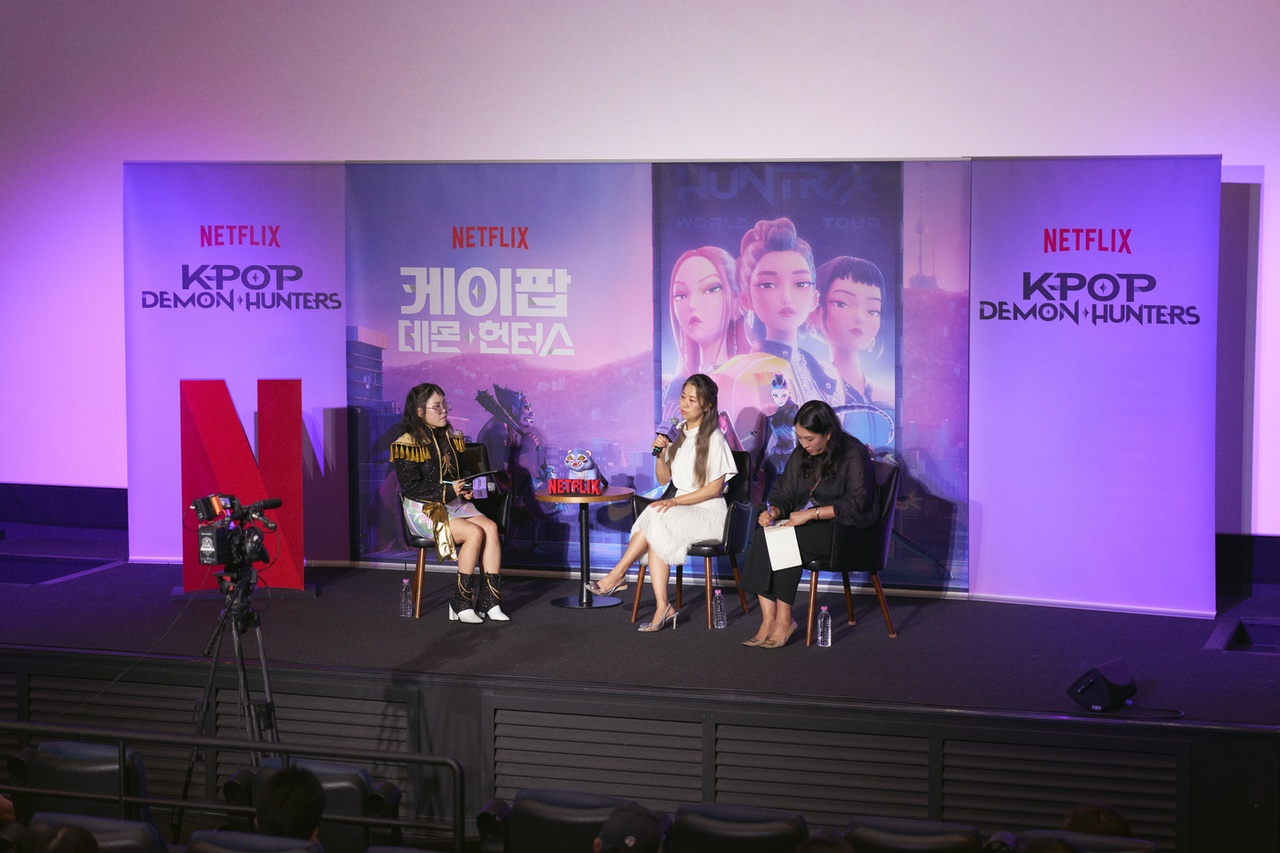
You’re also offering a course titled “Promoting i-dle in the U.S.” Is it an official collaboration?
I have not consulted with Cube Entertainment directly, though I believe the company’s aware of the class being offered, as I’m working with i-dle’s U.S. manager.

Some fans might think this is taking labor from students, but I’m offering this class because I’ve been getting a lot of requests from students asking how to get into the industry.
I wanted to create opportunities for my students to understand what goes on behind the scenes and network with those who are in the industry through hands-on experience. Students will pitch ideas and learn from industry professionals, similar to an internship.
This is the first time we’re offering a class like this, so it’s an experiment. If this one is successful, it can create other opportunities. I’m open to working with other agencies if there are companies interested in collaborating with universities and students.
From the academic perspective, do you think the NewJeans-HYBE legal dispute could transform the industry or its culture?
I’m not with ADOR or HYBE, so I can’t speak to their thinking. People interpret the situation very differently, and I don’t want to say who’s right or wrong regarding what’s happened.
But honestly, what I can say is that it’s very unfortunate because what happened with this case contributed to this perception of the K-pop industry being toxic. The fact that this case is being used to continue to talk about K-pop in a negative way is what makes it unfortunate.

The K-pop production system, despite being criticized for its rigidity and intensity as you’ve pointed out, has been expanded on a global scale into the pop scene, with HYBE’s global girl group Katseye being one of the most successful examples. How do you interpret this?
In such expansion, we have to think about the legal and cultural differences in different spaces, such as the child labor law.
What’s interesting is that back in the day, if you wanted to be a global superstar, you always looked at Hollywood and American labels. Now there are other options for people to become global superstars in the K-pop training system, and it's not just Asian or Asian diaspora who are putting themselves in that space.
With increasing people from different cultural, racial and ethnic backgrounds recognizing they have more options, when this system and idea of being superstars through the K-pop system becomes more widely popular, we'll see more people entering into the system — maybe it will change how things are being done.

BY SHIN HA-NEE [shin.hanee@joongang.co.kr]