Where have the 'gukmin' actors gone, and will we ever see another?
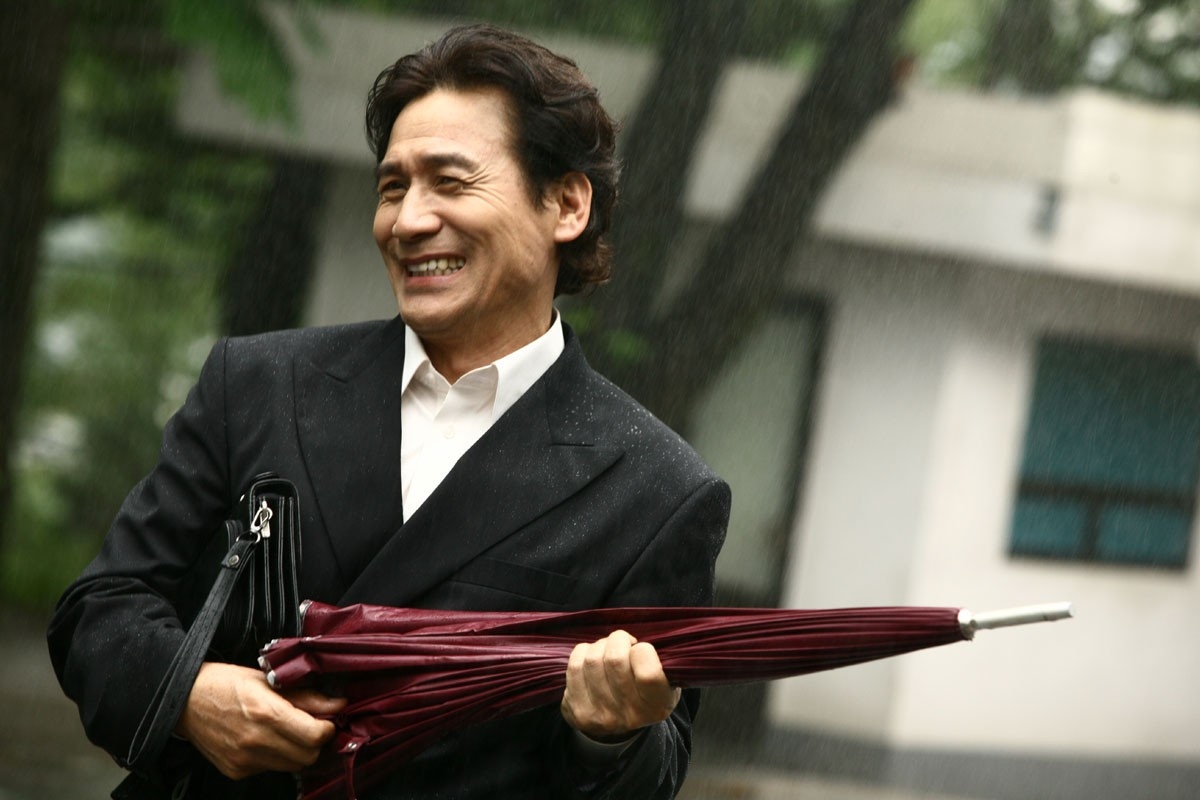
Korea mourned the loss of two venerated actors this winter — Lee Soon-jae and Ahn Sung-ki. The sense of grief was particularly heavy as both were towering figures often referred to as gukmin actors.
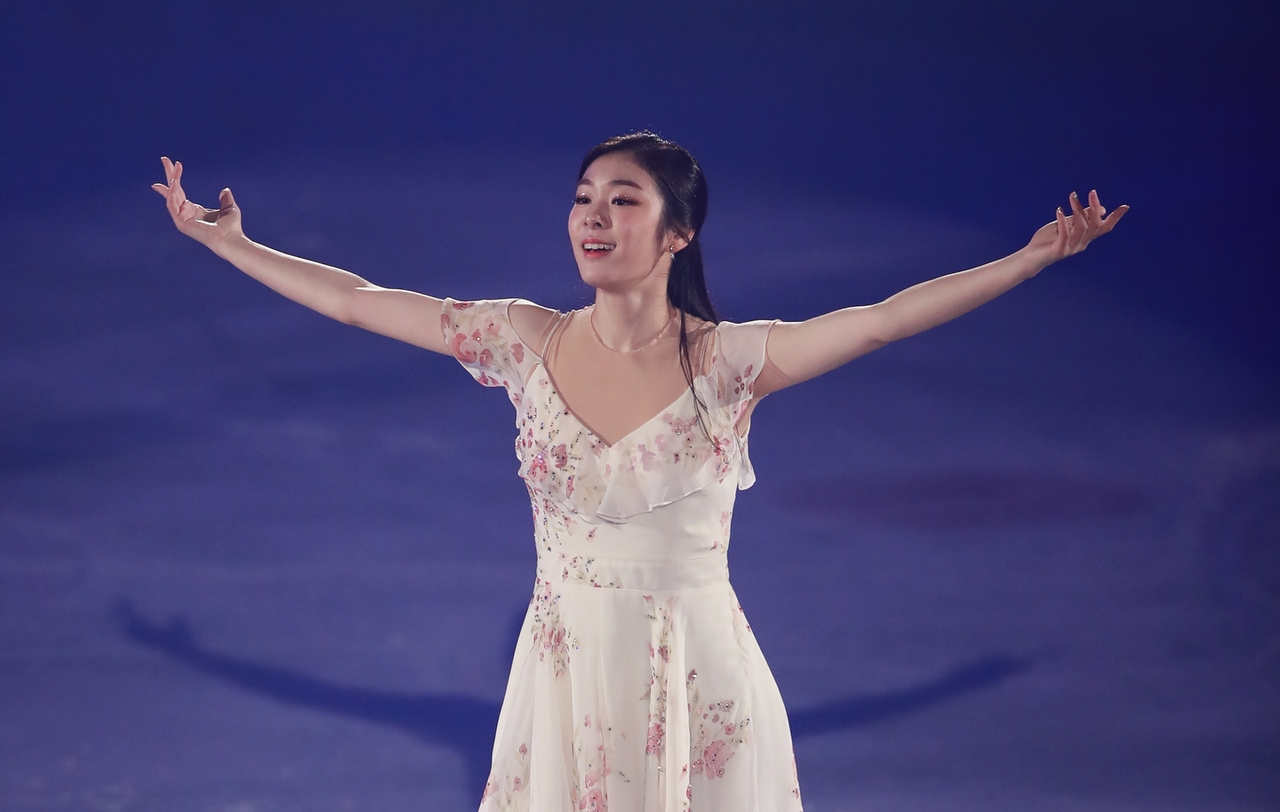
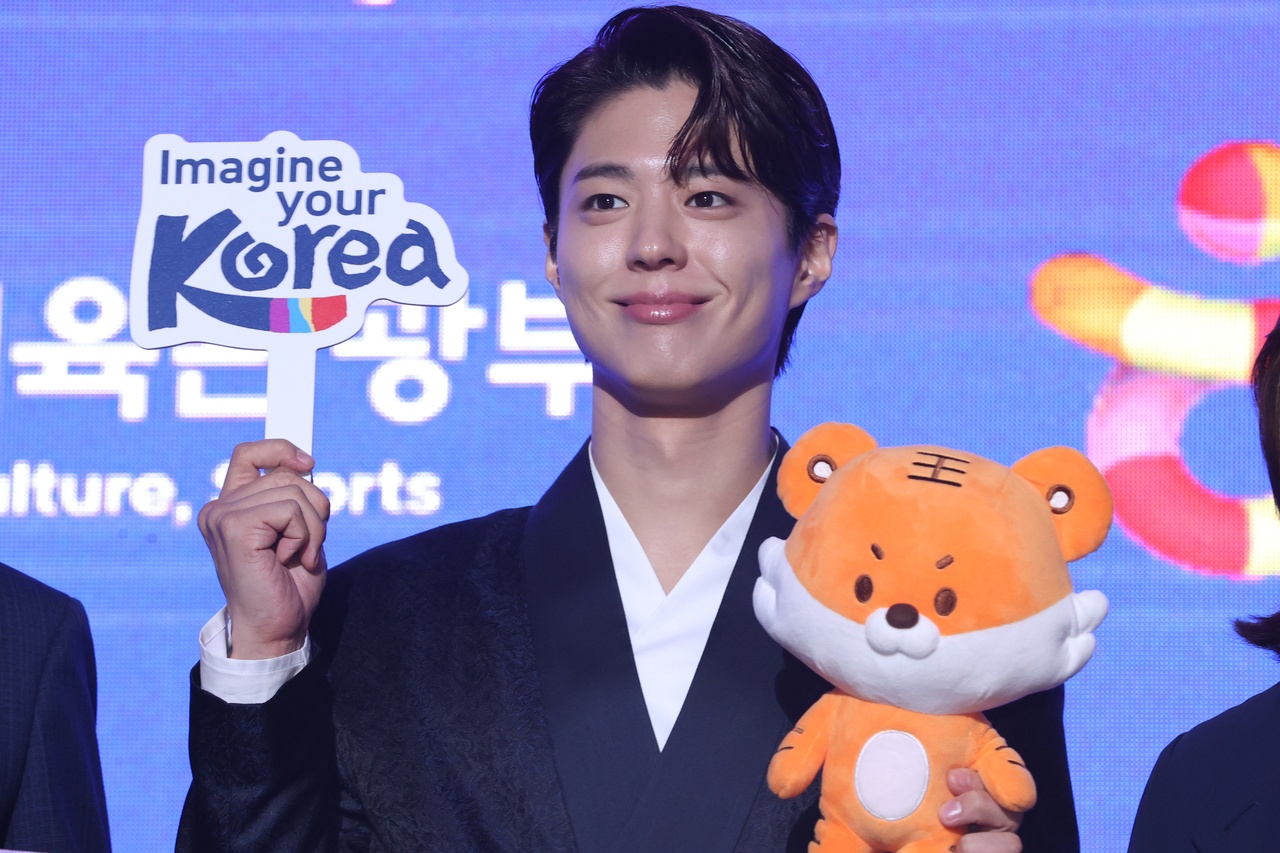
“Gukmin actor,” which translates to “nation's actor,” is an informal title given to figures much-loved by all generations. The title gukmin can actually be given to not only actors but any public figures that are widely beloved and respected. In Korea, the label was given to Olympic gold medalist figure skater Kim Yu-na who was called “gukmin little sister.” Singer-actor Suzy earned the moniker “gukmin first love” for her impactful role in the 2012 film “Architecture 101.” Singer-actor Lee Seung-gi was labeled “gukmin little brother” because of his debut song “Because You're My Woman” (2004), in which he confesses his love toward an older woman. Others include actors Kim Young-ok and Na Moon-hee as “gukmin grandmothers,” and Park Bo-gum as “gukmin boyfriend.”
In a global context, Hollywood actor Tom Hanks can be seen as a somewhat comparable figure, being an actor who is highly respected and broadly likable. In the past, stars such as Brooke Shields and even Sophie Marceau were long-associated with the image of being a “first love” icon.
But the once widely used title of gukmin has gradually faded in Korea in recent years. In fact, there isn't a representative figure that instantly comes to people's minds if asked to name a gukmin actor from the current generation.
“More than just a simple matter of labeling, it reflects how difficult it has become to identify figures that most people broadly like,” said Prof. Na Eun-yeong at Sogang University’s communications department.
The fade of gukmin
The media landscape has significantly changed, shifting away from so-called legacy media such as television, cinema, newspapers and magazines toward streaming platforms like Netflix and social media such as YouTube, Instagram and TikTok.
As audiences now consume content across a far wider range of platforms, the influence of mass media has weakened, making it increasingly difficult for stars to achieve nationwide recognition.
“Titles like ‘nation’s actor’ are a product of the mass media era,” said pop culture critic Kim Hern-sik. “They emerged when television, film, radio, newspapers and magazines held enormous influence, and people who frequently appeared across those platforms naturally became figures known to the entire nation.”
Kim added, “Today, however, media consumption varies widely by generation and gender, with audiences scattered across countless channels. In that sense, it’s natural that the use of such titles has declined.”
As media consumption patterns become increasingly split, the ways in which attention and recognition are formed have also grown more diffuse. Lee Sung-min, a professor at Korea National Open University, noted that the use of gukmin titles is closely tied to and carries the notion of “broad public appeal and a degree of publicness.”
“Today, the way people pay attention to specific content or media is far more fragmented than in the past, leading to the fading of broad-based popularity,” Prof. Lee said. “The reasons of attention have also diversified, meaning that there are no longer figures that garner attention that everyone agrees to regard as a shared public icon.”
Regarding ways of approaching content, in the past, when viewing options were limited, audiences had little choice but to sit in front of their televisions, and high ratings naturally became a key measure of popularity. Today, however, the landscape has shifted dramatically with the rise of multiple viewing platforms.
For example, tvN’s series “Lovely Runner” (2024) generated significant buzz both domestically and overseas. Despite the attention, the show concluded with a 5.8 percent viewership rating, according to Nielsen Korea — a figure that would have been considered low by past standards and is sometimes referred to in the industry as the “national anthem viewership rating,” a tongue-in-cheek term for modest television ratings. The term comes from when Korean television channels would play the national anthem before ending their broadcast day.
With the media having diversified, individual tastes have likewise become increasingly segmented. This environment has made it more difficult to group people under a single banner, and in turn, to produce a figure who is broadly liked and seen as representative of the masses, according to experts.
This can be particularly applicable to the younger generation, critic Kim said, referring to them as highly individualized content consumers.
Additionally, it was once common to see female stars or personalities earn titles such as the nation’s “sweetheart,” “younger sister” or “first love.” These labels, too, have seen a noticeable decline. Critic Kim noted that this reflects a broader societal perspective shift about women are viewed and portrayed, which the global expansion of K-pop has contributed to.
“Perspectives on women have also changed significantly,” Kim said. “They are no longer viewed through the lens of first love or a younger sister. Instead, images of more independent and confident women — such as concepts like the ‘girl crush’ in K-pop — have become prominent.”

Gukmin icons are still needed
As the idea that everyone must fit a single mold is steadily losing its force, according to Prof. Na, pop culture, which was once directed at the mass public, is no longer a unified entity.
Still, despite this growing fragmentation, experts stress the continued need for figures who can represent the collective, particularly in an era marked by social division and ongoing conflict. And one that can achieve this is a general “symbolic figure," which can foster a sense of unity among the public.
“Every society or community needs figures who can garner at least a basic level of empathy, respect and admiration,” Prof. Lee noted.
Although such figures remain necessary, experts point out that the current Korean media and star industry lacks the systems to cultivate them. With fewer opportunities for actors who could earn the title of “nation’s actor” or similar, creating such a figure is difficult.
Critic Kim cited the late actor Ahn as an example. Ahn became the nation's actor by taking on a wide range of leading and supporting roles — from pickpockets and killers to celebrity managers and detectives — and by performing actively regardless of the size of the role. Opportunities like those Ahn had during the 2000s and 2010s, the peak era of Korean content, are rare for today’s actors, especially senior veterans, to achieve such recognition.
“One reason a ‘nation’s actor’ fails to emerge today is that recognition increasingly depends on popularity and box-office success rather than the quality of performance itself,” Kim said.
“As Lee Soon-jae pointed out [during his KBS Grand Prize drama award acceptance speech in 2025], awards and acclaim should be based on acting skill, but when commercial success drives evaluation, it becomes harder for a gukmin actor to be born.”
New icon, new role
As media transitions into a new paradigm, the emergence of a new icon bearing the title gukmin raises an inevitable question: What role would such a figure play in today’s transformed media environment?
Before the term began to fade from common usage, it was closely tied to a mass-audience perspective. A gukmin star was someone virtually everyone knew — a figure with a friendly, approachable image, yet one that also embodied an idealized sense of character. Reflecting this familiarity, many of the titles were rooted in kinship language, such as little sister, little brother, grandmother or grandfather.
While some argue that it is still too early to define the next gukmin icon's role, experts agree that it will naturally differ from the past, particularly in an increasingly segmented media landscape.
With individualized taste and approaches to media continuing to grow, the concept of gukmin may fragment into smaller, more specific categories tailored to niche audiences — even if those audiences are relatively small.
“Nowadays, if such a figure were to exist, their role would likely focus less on the star’s personal traits and more on what they can offer to each individual in the audience, whether providing psychological comfort, entertainment or enjoyment,” Prof. Na said.
Another role that may be expected from the next gukmin star could go beyond just representing the Korean public to actively promoting Korea itself.
The rise of global platforms has fundamentally reshaped the industry. Since Netflix entered Korea a decade ago and Korean content found worldwide success on the platform, many stars have increasingly set their sights on the global stage. Ironically, while this has helped elevate Korea’s international profile, it has also made it more difficult for a single figure to become universally beloved at home.
Although pursuing a career primarily aimed at global audiences is one possible path, it may not be the only way to global stardom. Considering the global appetite for “Korea-ness,” which Netflix’s sensation “KPop Demon Hunters” (2025) has proved, earning the gukmin title first could carve out a new role for the nation’s stars.
Critic Kim noted such a new role, echoing the well-known Korean saying: “The most Korean is the most global.”
“I believe that actors beloved by Koreans will draw interest abroad,” Kim said. “People are increasingly curious about the everyday lives of Koreans. And in the future, I think there will likely be greater interest in which actors are favored by Korean audiences.”
BY KIM JI-YE [kim.jiye@joongang.co.kr]