While 'KPop Demon Hunters' slays, Korea's indie animation creators are having their own moment
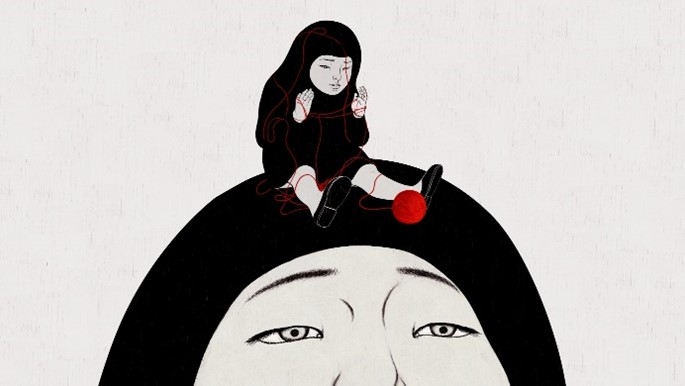
While “KPop Demon Hunters” is sweeping the mainstream animated world, there are a number of independent creators who prefer the freedom that the independent film scene brings.
One of them is director Joung Yu-mi, who was the first Korean to be invited to the Cannes Film Festival’s Critics’ Week short film competition with her animated short film “Glasses,” this year. She was one of two Korean filmmakers invited to the festival, alongside director Heo Ga-young, who was also invited to and won in the festival’s La Cinef section, which showcases short and mid-length films created by film school students.
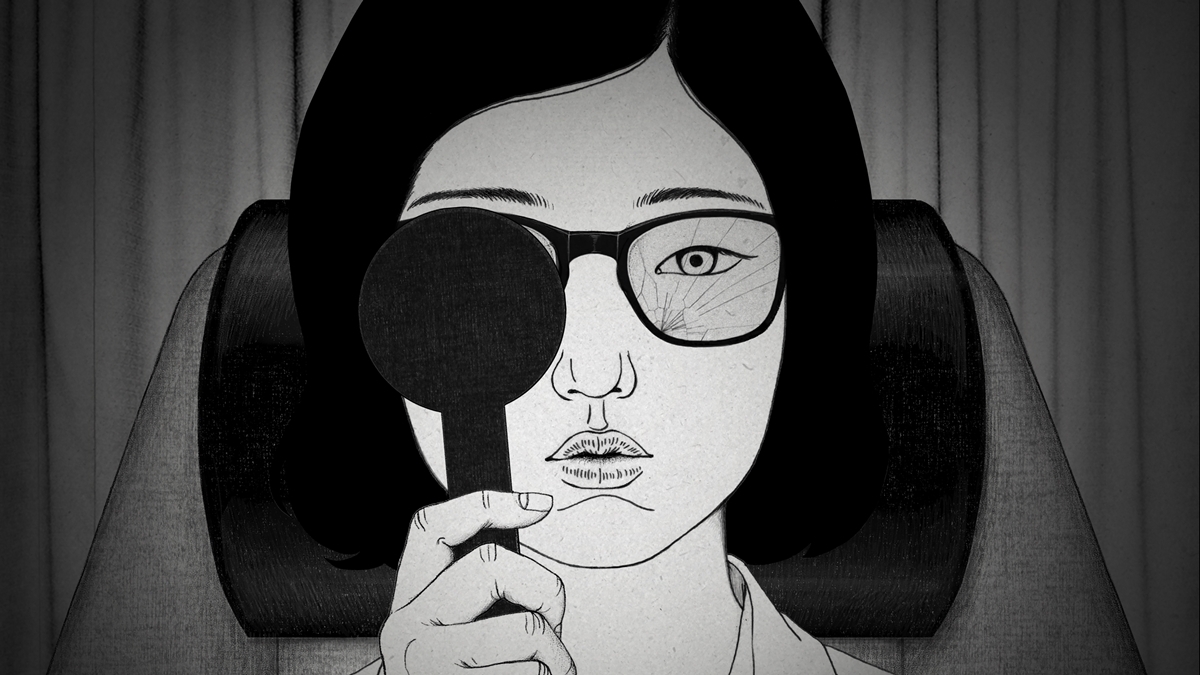
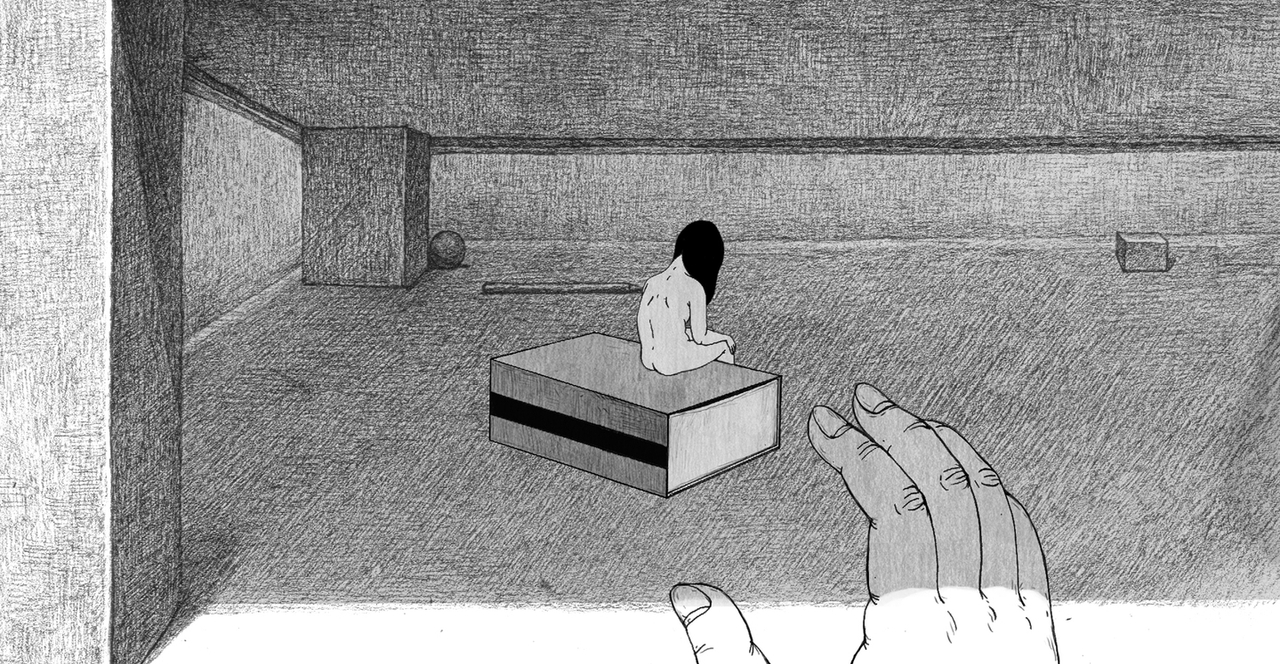
Her animated short film "Glasses” follows a young woman who breaks her glasses and visits an optician. While doing an eye exam, she sees a house where she confronts and reconciles with her inner shadow.
Joung also held a retrospective at a recently closed Seoul International Women's Film Festival (SIWFF), where eight of her works were screened, spanning from her debut to her recent “Paranoid Kid” (2024).
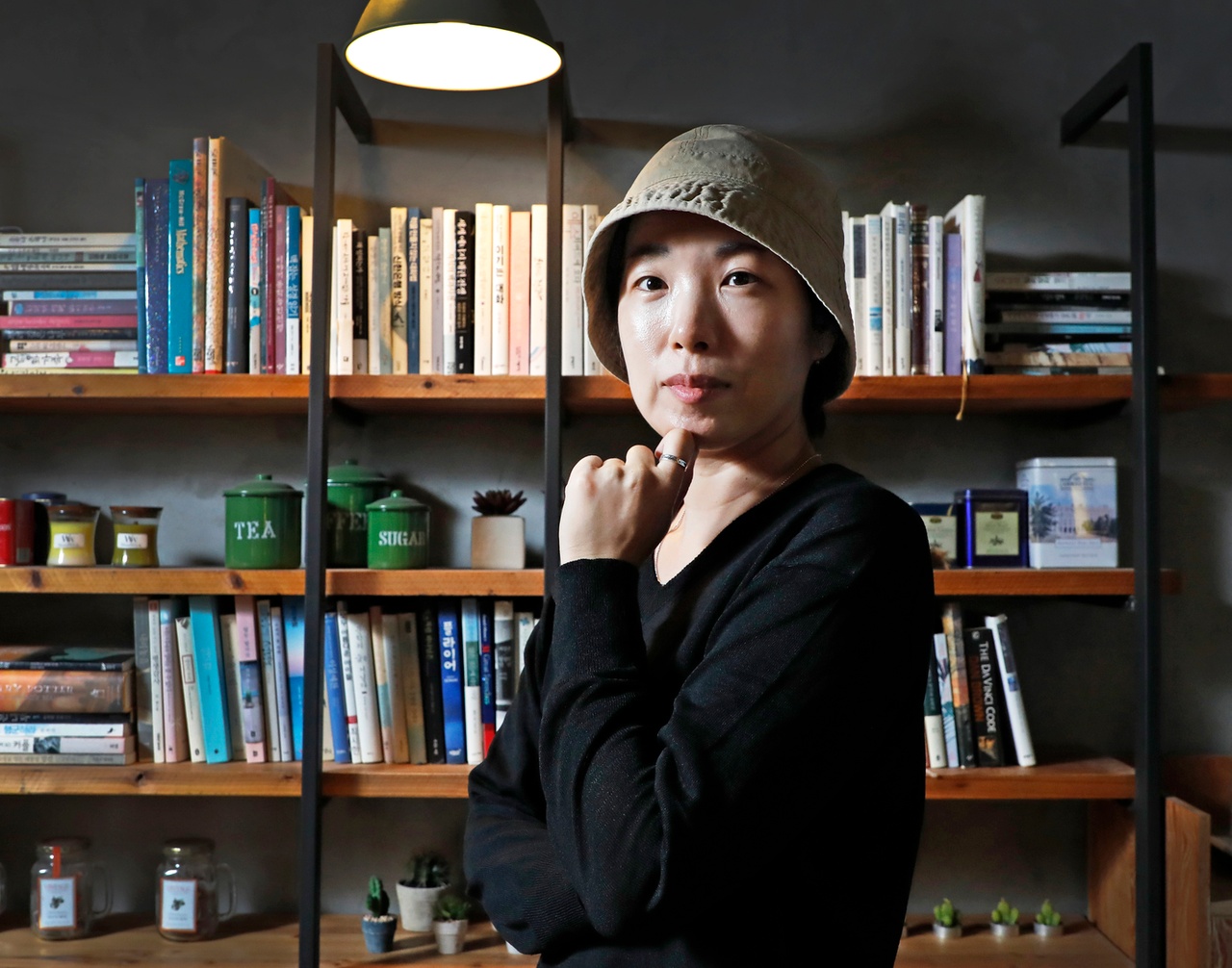
Now in her 40s, Joung is known for her pencil-drawn animation style and has been in the indie industry for almost 20 years, launching her career with her 8-minute-long Korean Academy of Film Arts (KAFA) graduation short film, “My Small Doll House” in 2006. Despite gaining global recognition, she has remained — and intends to remain — deeply rooted in independent and art house animation, which she finds “freeing” as it allows her to explore her inner world.
She has directed and contributed to over a dozen projects, many of which have earned invitations from prestigious international film festivals, earning her the nickname “the Bong Joon-ho of Korean animation.” Her 2009 short film “Dust Kid” was screened at the 62nd Cannes Film Festival, while “Math Test” (2010), “Love Games” (2012), “House of Existence” (2022) and “Circle” (2024) were all invited to the Berlinale. Her 2023 film “The Waves” was selected for the Locarno International Film Festival. “Love Games” also became the first Korean animation to win the Grand Prix at the World Festival of Animated Film Animafest Zagreb, the festival’s highest honor.
“When I first began creating films, I wanted to bring out those vague feelings and unresolved emotions inside me,” Joung said to the Korea JoongAng Daily during an interview last month. “I wanted to face them because I thought that when putting them out, I might be able to see them more clearly and sort them out a little.”
Among these emotions, she often gravitates toward discomfort and pain, hoping to process them through her art.
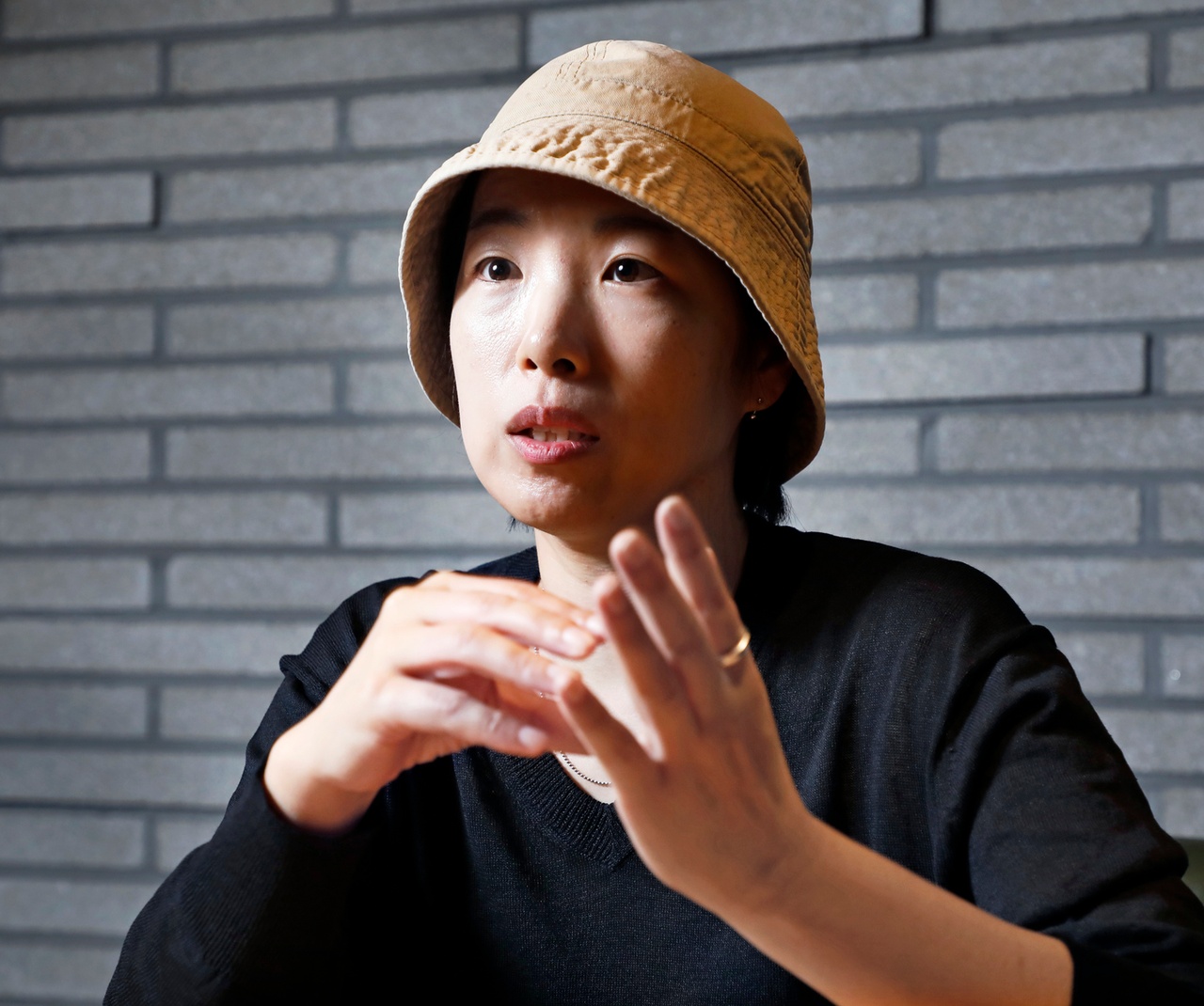
“People usually see pain or something like that as negative,” she said. “But I think that when putting them out publicly, their meaning changes.”
“If it just stays hidden in the dark, it’s nothing but pain. But once it’s brought out and expressed, it feels like it takes on a new life. That’s something that I still experience when I work, and it’s what keeps me motivated.”
For Joung, she has never left the independent scene and art house genre. But with nearly two decades of experience and connections with directors abroad, she admitted that during her visit to Cannes this year, where no Korean feature films were invited, she felt a flicker of pessimism about the future of Korean cinema.
“I was quite upset when I heard from overseas that Korea was thought of as being colonized by Netflix,” Joung said.
She added that while she noticed generational change in the international art house scene, the same wasn’t happening in Korea.
“Film festivals are generally centered on art films, but it feels like there aren’t many directors making art films in Korea anymore,” Joung said, voicing hope for a more balanced ecosystem where commercial and indie films can coexist.
Though Korea has yet to see a generation shift from the so-called BongParkHongLee — shorthand for Korea’s four iconic auteurs: Bong Joon-ho, Park Chan-wook, Hong Sang-soo and Lee Chang-dong — the rise of young female creators is quite noticeable. Joung welcomed this trend, sharing that many of her female peers in the past had left the industry.
“In the past, it felt like women were addressed as a rather small market,” said Joung. “But now, stories about women have become much more universal and the themes far more powerful.
“I think it’s great seeing that the perspectives on femininity having broadened. Before, femininity was often seen from the outside, but now there’s a much stronger sense of agency and subjectivity in women’s storytelling.”
As a leading female figure, she hopes this trend doesn't fade away, sharing encouraging words of wisdom with future female talents to believe in themselves while remaining authentic.
“I want to tell them to trust themselves and move on,” she said. “Fear can be such a great pain, like the feeling of being alone, but I hope they would believe in themselves and navigate through it.”
For now, she has a busy schedule ahead, with two film festivals to attend this month and work on her next project.
BY KIM JI-YE [kim.jiye@joongang.co.kr]