With BTS comeback show, Netflix taps tech to make sure the stream goes on
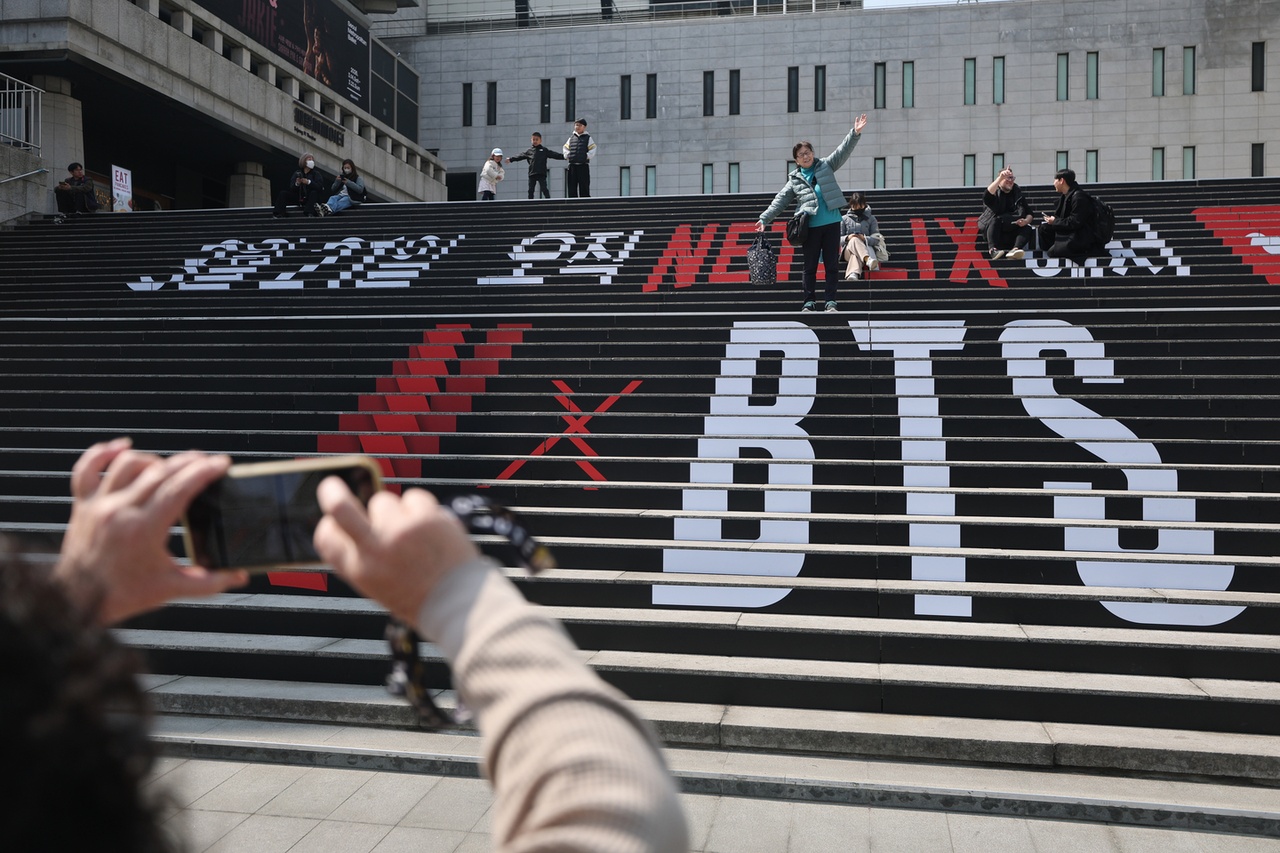
As Seoul readies for hundreds of thousands to flock to the downtown area for BTS's comeback concert on Saturday, Netflix is preparing its livestreaming service for a flawless transmission for fans tuning in around the world.
The show, expected to draw a crowd of up to 260,000 in Gwanghwamun in central Seoul, will be the latest test for the growing live broadcast market among streaming platforms, which are ramping up related technology and investment.
Netflix’s special operating mode for live broadcasts is designed to handle massive, simultaneous traffic. It is activated when servers in certain regions face disruptions or when user traffic spikes sharply during a live broadcast. Under this system, the platform prioritizes live video processing across its entire infrastructure and computing resources.
“Experiencing a one-minute interruption during a live broadcast feels completely different from a one-minute error while watching video-on-demand content — it directly affects the viewing experience,” a company representative said.

The concert will mark Netflix’s first large-scale live event in Korea, and will be streamed simultaneously to 190 regions. While encoding — compressing and converting video signals — can be completed ahead of time with on-demand content, livestreams require real-time processing, requiring an immediate response.
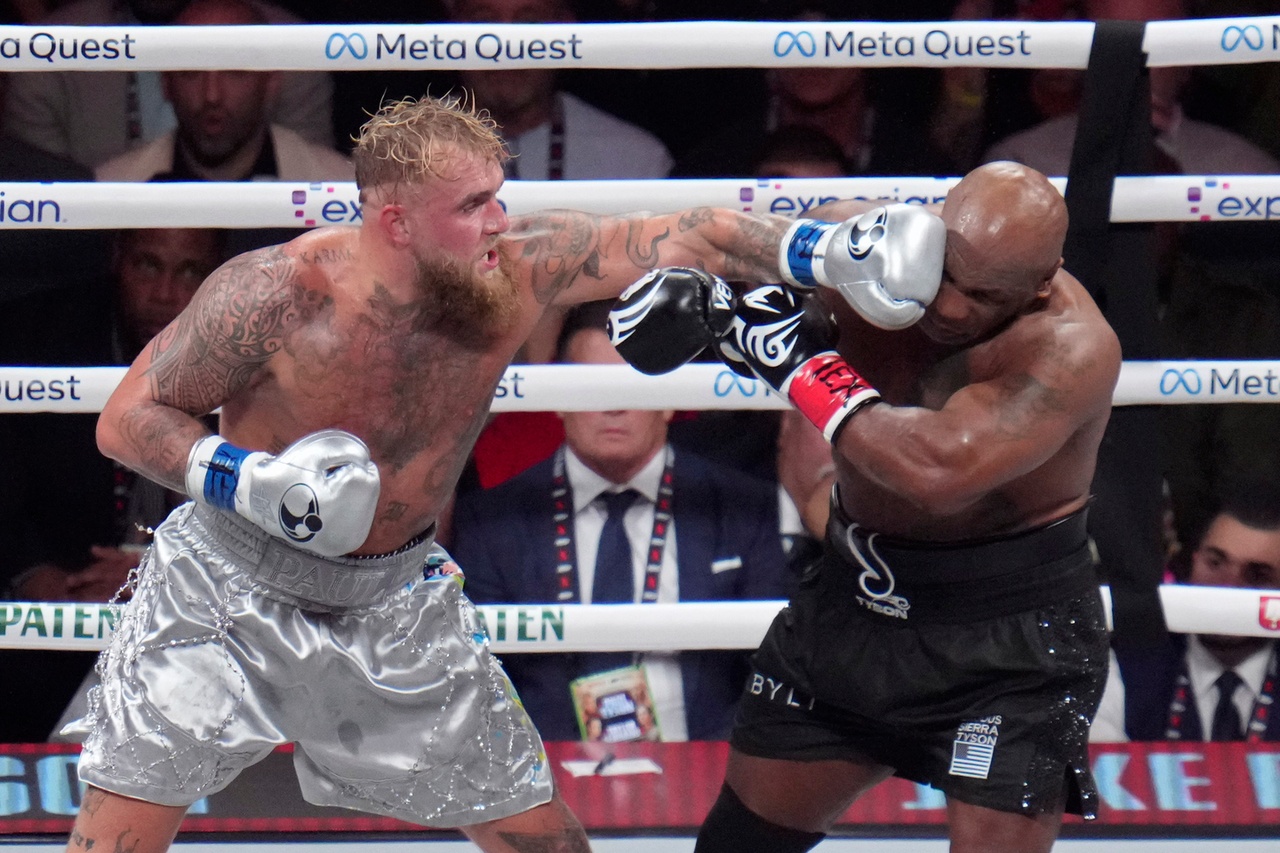
During a live broadcast of a heavyweight boxing match between Mike Tyson and Jake Paul in November 2024, when around 60 million households tuned in worldwide, Netflix experienced buffering and connection issues — highlighting the challenges of livestreaming.
To strengthen its live broadcasting capabilities, Netflix has implemented load-balancing technology that automatically distributes traffic across servers and an encoding pipeline that switches to backup encoders if problems occur. Based on these upgrades, the company has expanded live coverage of major events, including the NFL Christmas Day games last year and the "free solo" ropeless climb of Taipei 101 in January.
However, large-scale livestreaming also requires close cooperation with internet service providers. In Korea, servers are installed within networks operated by SK Broadband, KT and LG Uplus.
So why is Netflix entering the complex livestreaming market?
“Just as the rock band Queen is remembered for its 1985 performance at Live Aid, live events experienced simultaneously around the world create strong bonds and collective memories,” said Lee Sung-min, a media arts professor at Korea National Open University. “While satellite broadcasting once held that cultural influence, the center is now shifting toward streaming media.”
Live content is increasingly becoming the next battleground for streaming platforms. Tving is expanding its user base through fandom-driven live content and broadcasts of the KBO and the World Baseball Classic (WBC), while strengthening real-time chat features.

Coupang Play is also increasing its share of live content, focusing on sports such as Formula One and Major League Soccer. Disney+, traditionally centered on films and series, has also secured exclusive broadcasting rights for esports tournaments.
User traffic trends suggest that live content plays a decisive role. According to WiseApp Retail, Coupang Play’s monthly active users reached 8.79 million in February, up 12 percent from the previous month, during which it streamed major events such as the NFL Super Bowl and the NBA All-Star Game. Tving also saw high engagement, with 83 percent of its total live viewers tuning in for the Korea-Australia WBC game on March 9.
“On-demand-centered services alone have limitations in attracting and retaining users,” an industry source said. “Live content boosts real-time buzz while enhancing advertising and marketing impact.”
“In the past, the concept of ‘watching live’ on regular TV or through pay-per-view was key, but now streaming platforms are competing to secure live content by emphasizing exclusivity and buzz,” the source added.
This article was originally written in Korean and translated by a bilingual reporter with the help of generative AI tools. It was then edited by a native English-speaking editor. All AI-assisted translations are reviewed and refined by our newsroom.
BY EO HWAN-HEE [shin.minhee@joongang.co.kr]