A weird Cold War incident gets even weirder in Byun Sung-hyun's dark comedy 'Good News'
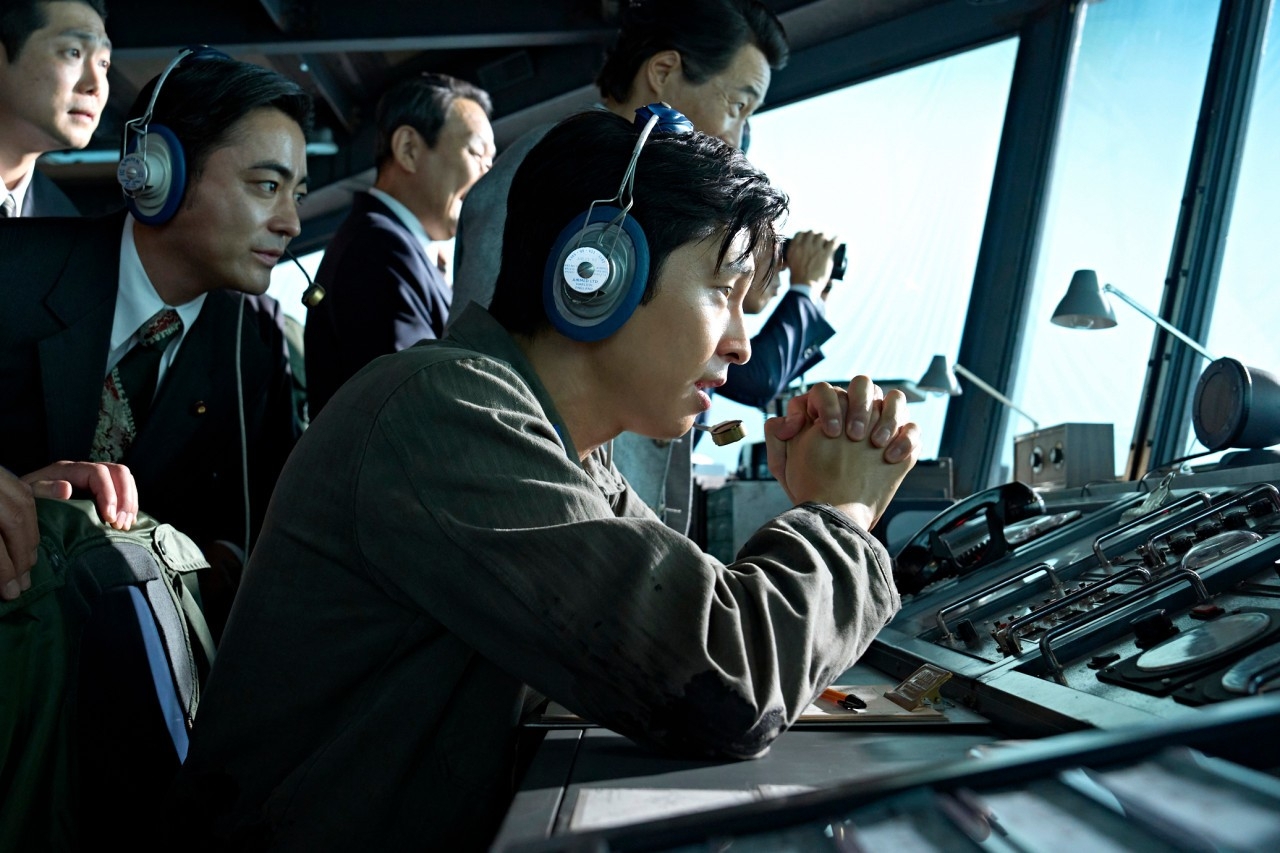
They thought the mission was executed perfectly — North Korean uniforms, greeters donning hanbok (traditional Korean clothes) and a runway dressed up as Pyongyang’s. The only catch? The plane was still in Seoul.
In 1970, Japanese left-wing radicals, called the Red Army Faction, hijacked a domestic flight — initially bound to Fukuoka from Haneda Airport — and headed to North Korea. But the plane mistakenly landed at Gimpo International Airport in South Korea, where they were met not by comrades, but by a meticulously staged hoax orchestrated by South Korean authorities — a real-life farce known as the Yodogo Hijacking Incident. Now, that stranger-than-fiction tale is getting a fictional twist in Netflix’s new black comedy film “Good News,” directed by Byun Sung-hyun.

“Good News,” unveiled on Oct. 17, is a fictionalized retelling of this bizarre episode. The film marks director Byun’s first foray into black comedy, following his stylistic hits “The Merciless” (2017), “Kingmaker” (2022) and “Kill Boksoon” (2023).
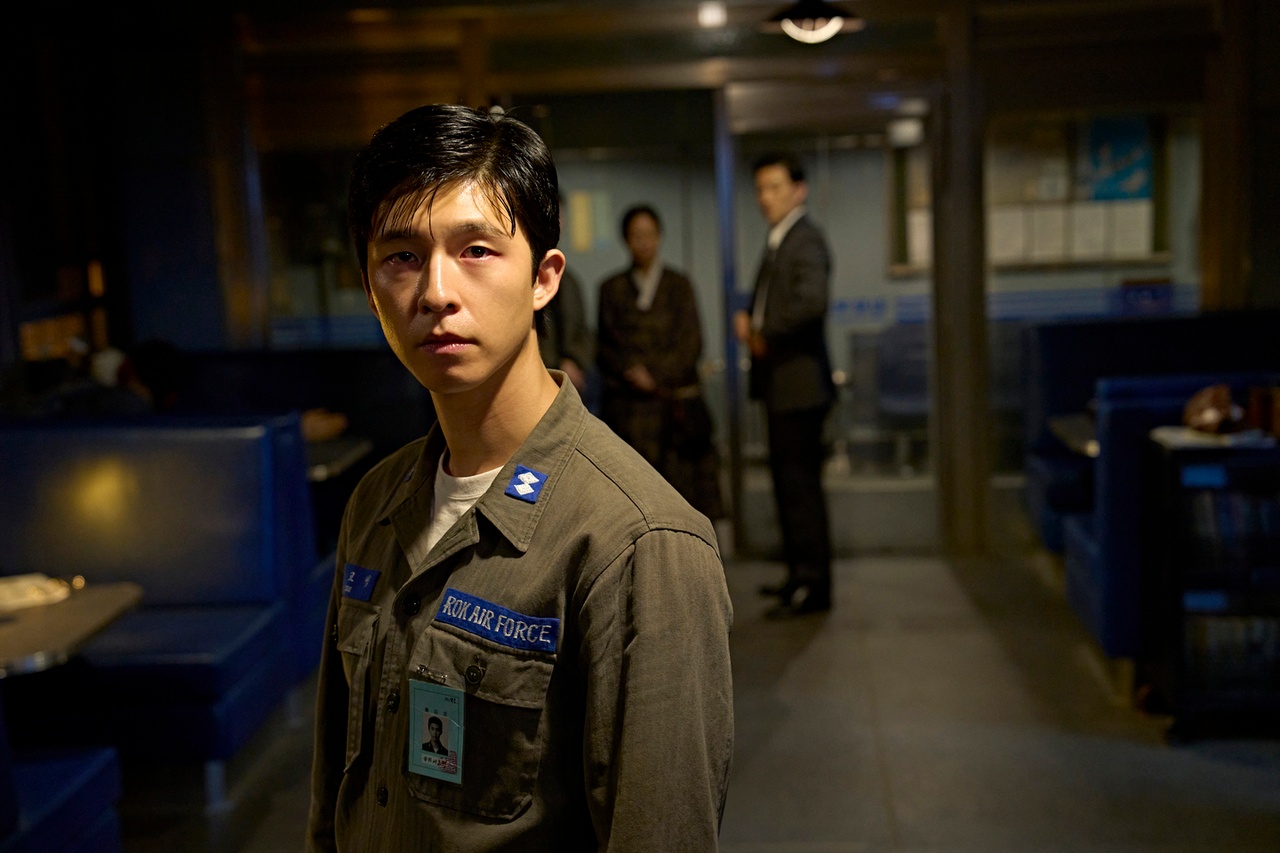
Byun’s cinematic alter-ego, Sul Kyung-gu, once again takes the lead, this time as a shadowy fixer known only as “Nobody,” who masterminds the operation. He is joined by rising actor Hong Kyung, who plays Seo Go-myung, an ambitious Air Force controller hoping the mission will propel him up the ranks. Ryoo Seung-bum plays the director of the then-Korean Central Intelligence Agency, now known as the National Intelligence Service, who commands Nobody like a subordinate, anchoring the comedy with his signature sly and feral performance.
“This film began with the idea of bringing all my strengths together,” Byun said during an interview at a cafe in Samcheong-dong, central Seoul, on Oct. 21. “Even before it was released, I’ve been calling it my signature work — I’m that proud of it.”
The film opens with a quote: “Sometimes the truth lies on the far side of the moon. But that doesn’t mean what’s on the near side is fiction.” It’s a made-up aphorism, and Truman Shady, the supposed source, doesn’t exist either. Byun said the fake quote was the seed from which the entire story grew.
“It was the sense of betrayal — realizing something you believed in wasn’t true,” Byun said. “I started with that fake quote and built the script backward from the ending.”
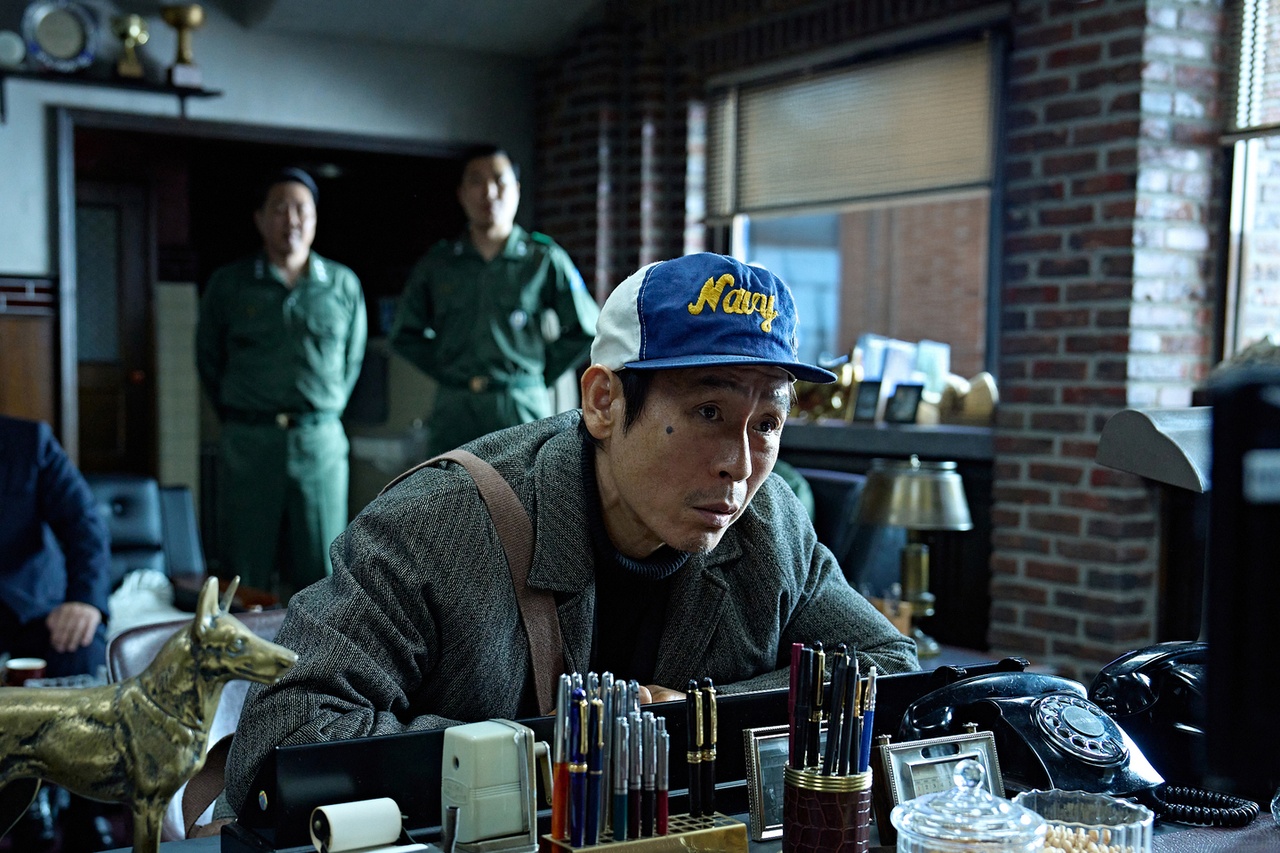
The enigmatic Nobody is a government pawn who fabricates truths and creates convenient narratives, even turning innocent people into spies. His formula is simple: facts, a dash of creativity and a willingness to believe. Go-myung dreams of glory through the mission, but things spiral out of control, leaving him a fallen soldier in a power game.
“This film laughs at the authority that famous quotes often represent,” Byun explained. “Go-myung and Nobody are opposites, but both are just tools used by power. That’s their shared reality.”
Byun said he studied the Yodogo Hijacking Incident and even interviewed real air traffic controllers.
“It made me want to ask: What is truth, really?” he said. “And I finally worked up the courage to take on the black comedy genre, which I’ve always been intimidated to try.”
His goal? A film that makes audiences chuckle — until they don’t.
“My ambition was to make viewers laugh constantly, then suddenly wonder, ‘Wait, is this okay?’ And finally, to slap them with an unexpected ending,” he said, laughing. “But after seeing audiences at festivals laugh so much, I worried — maybe the operation failed!”
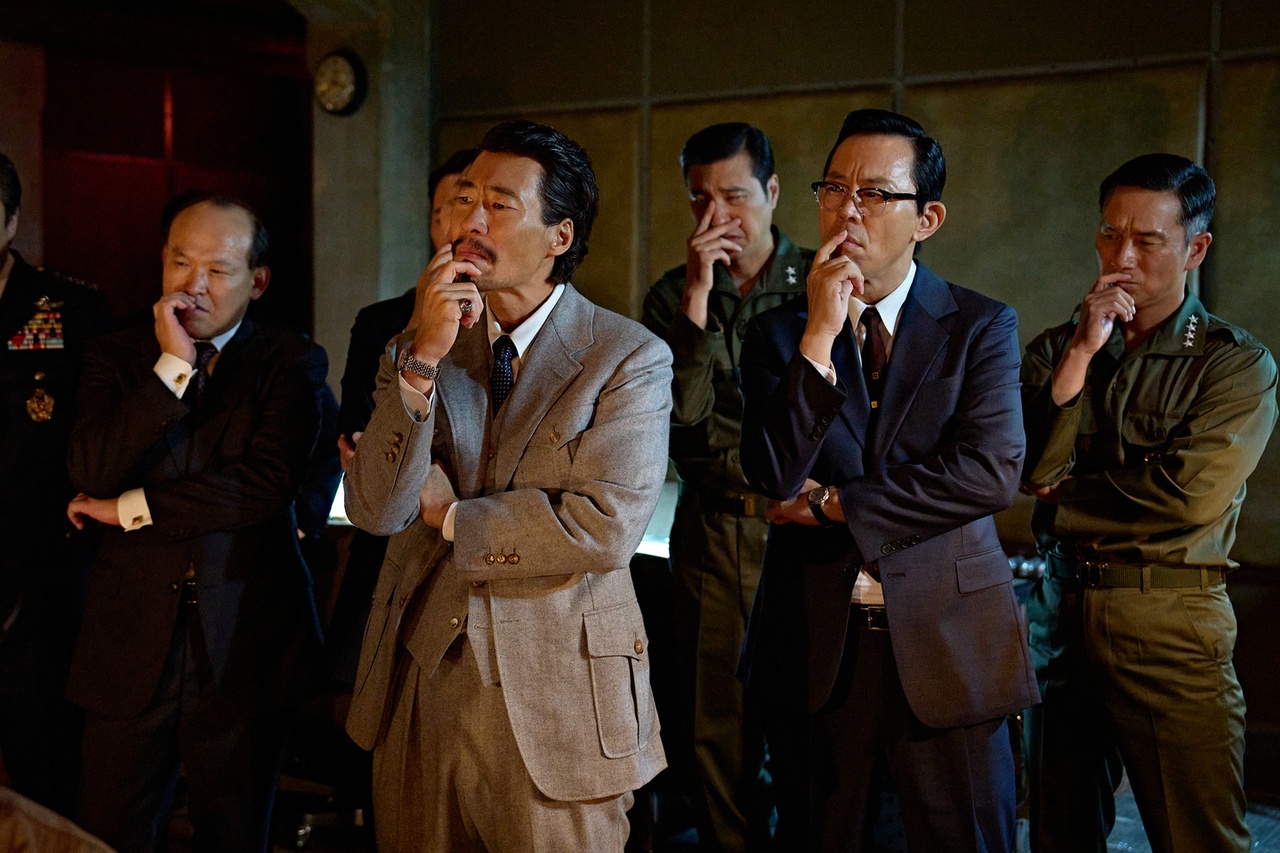
Set against the backdrop of Cold War tensions, “Good News” unveils the absurdity of bureaucrats obsessed with self-preservation. The officials are quick to claim credit, but even quicker to pass the blame.
“Plenty of people today act in ways that contradict the ideologies they claim to hold sacred,” Byun said. “I wanted to satirize their hypocrisy and the ludicrous behavior of these shameless bureaucrats.”
In one poignant scene, Go-myung stands alone on a freezing runway, which Byun says is a metaphor for South Korea’s younger generation.
“There are lots of layered lines that people can chew on later,” he added. “Like ‘Kingmaker,’ this film doesn’t force opinions — it just leaves the audience something to think about.”
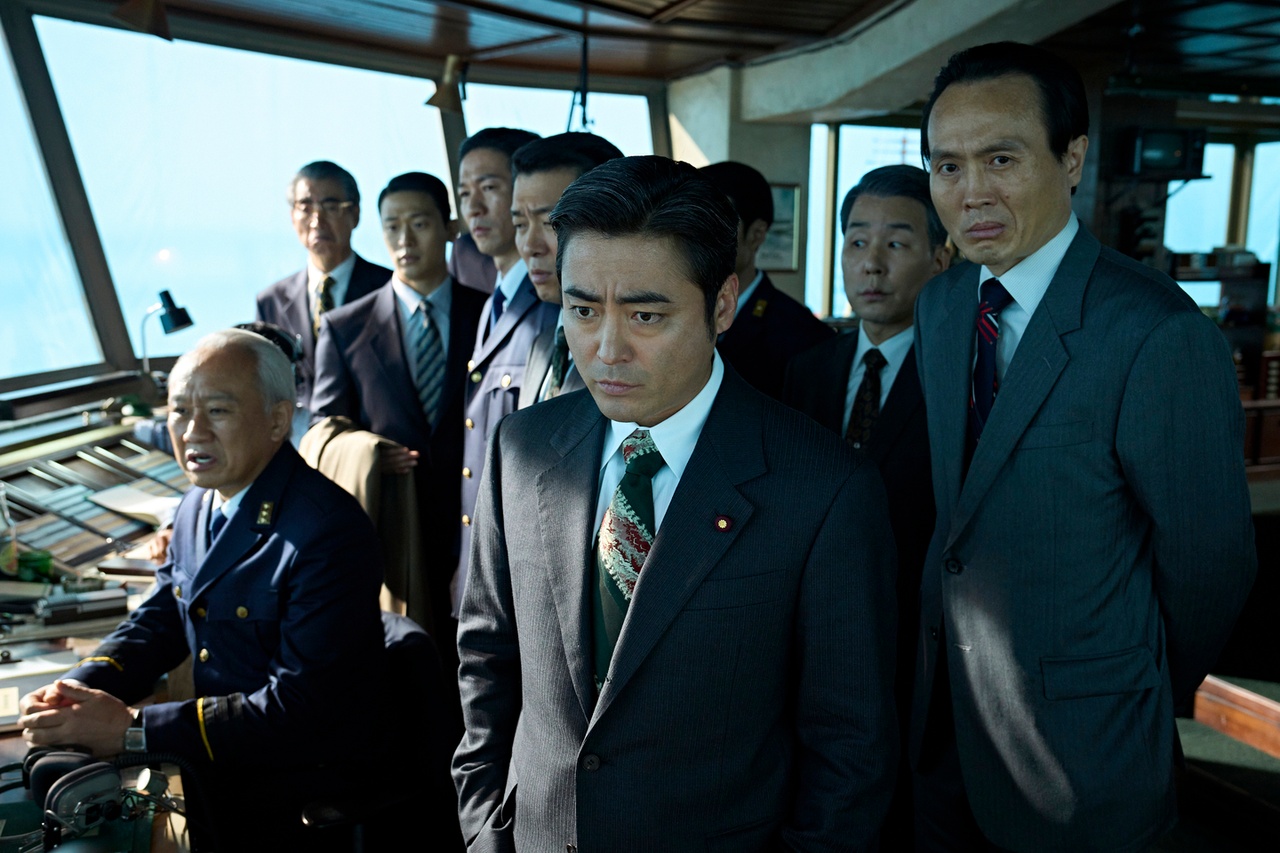
Since the movie begins with the Red Army Faction’s airborne hijacking, Japanese actors like Takayuki Yamada and Show Kasamatsu carry the early scenes.
“I wasn’t sure they’d say yes, but thankfully some of them knew my work,” Byun said. “Yamada even flew back to South Korea just to shoot a single scene — his character, the Japanese Deputy Minister of Transportation, sits in the hijacked plane with a look of pure futility.”
Byun was full of praise for his cast. He described Hong as “the most talented 20-something actor, able to hold multitudes like a young Park Hae-il,” Sul as someone “who understood his character from a single walk during test shoots” and Ryoo as an actor “whose raw acting energy surpassed my imagination.”
“My so-called persona, Sul Kyung-gu, joked after filming that we shouldn’t work together next time,” Byun said. “But for me, he’s still the actor I trust most. When I called this film my best work, he said, ‘What are you going to do for your next movie then? That’s too much pressure!’” he added, laughing.
This article was originally written in Korean and translated by a bilingual reporter with the help of generative AI tools. It was then edited by a native English-speaking editor. All AI-assisted translations are reviewed and refined by our newsroom.
BY JUNG HYUN-MOK [shin.minhee@joongang.co.kr]