ARMY dresses hanbok-chic, Seoul shops turn purple for BTS comeback
A grand occasion calls for a dress code to match. For the long-awaited comeback of the world’s biggest pop group, the right choice may well be something purple and fashionably Korean.
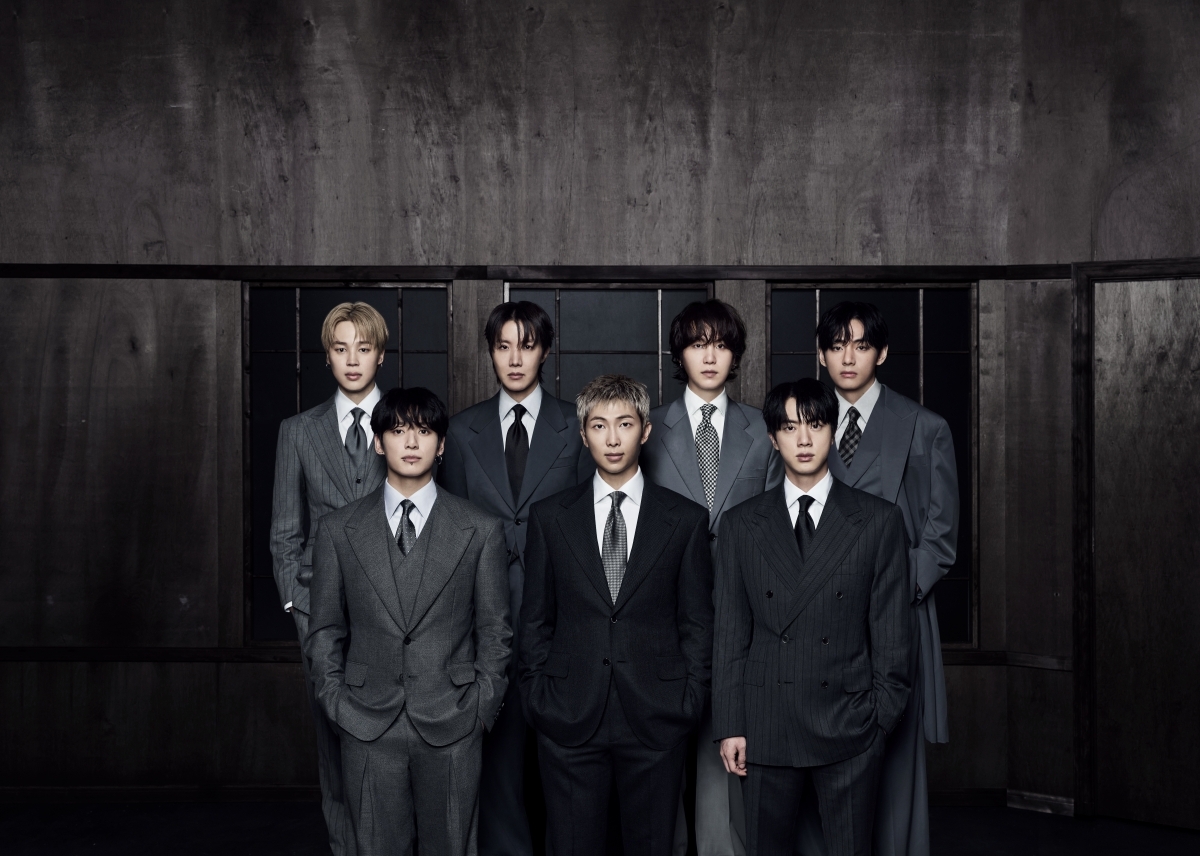
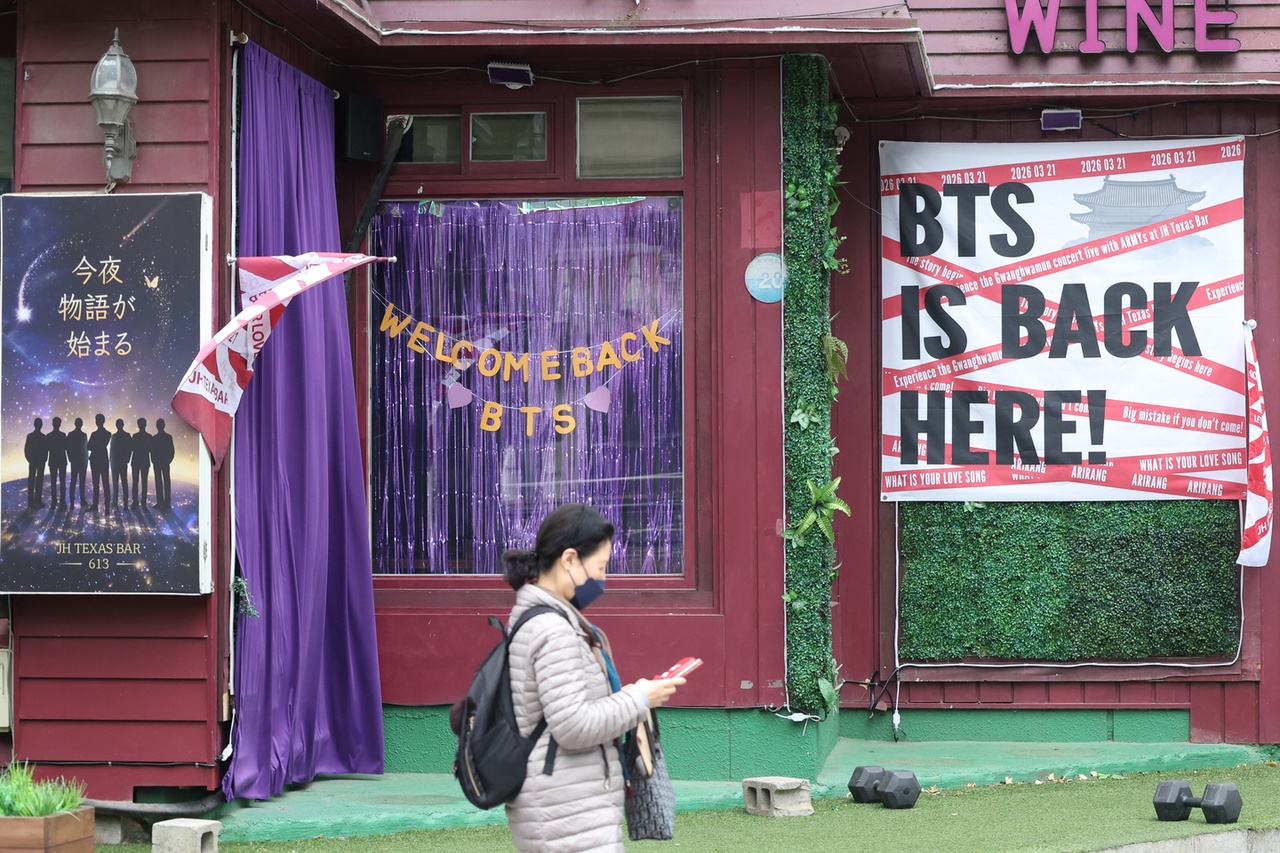
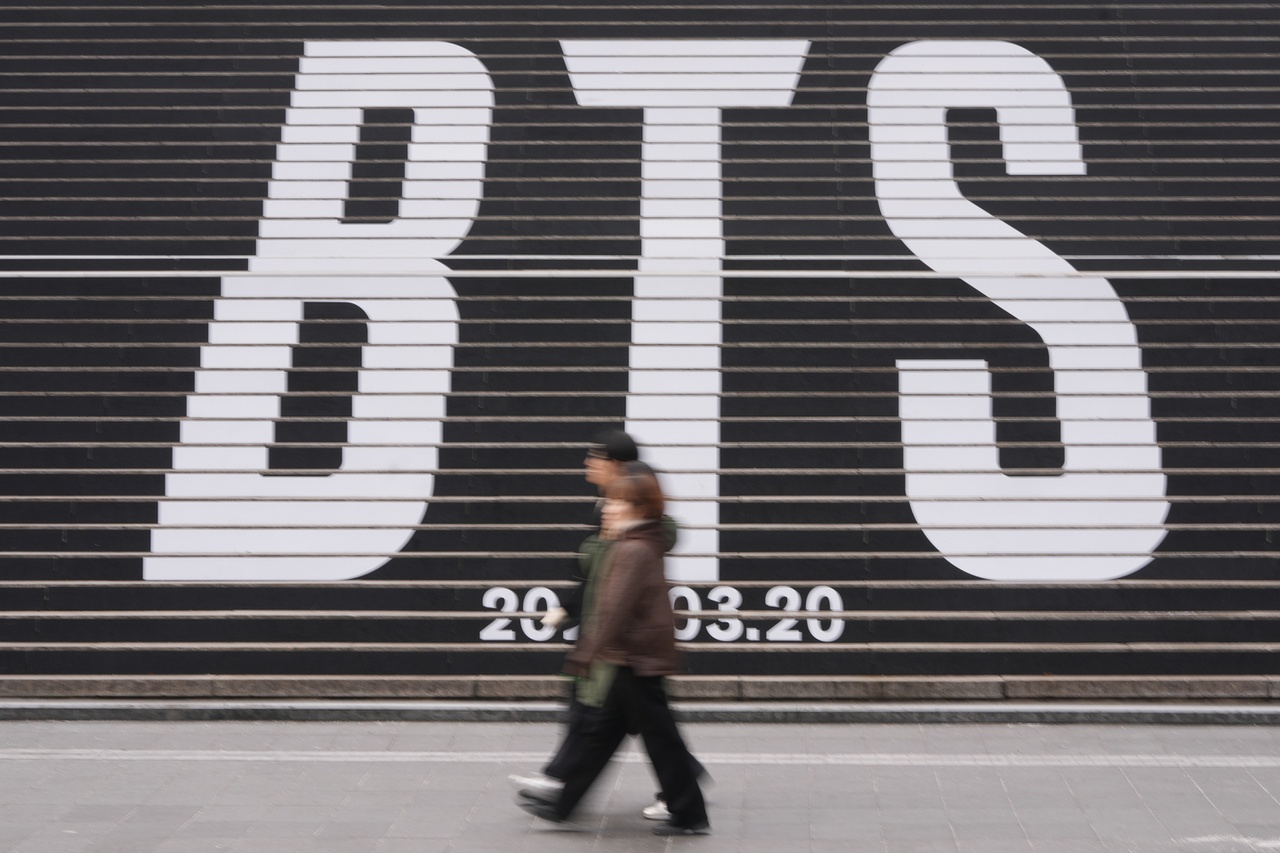
That is why the neighborhoods surrounding Seoul’s Gwanghwamun Square — where BTS will kick off its “Arirang” era with a performance on Saturday — are transforming into a treasure hunt for the septet’s fans, ARMY, while bringing a breath of fresh air to Korea’s aging traditional fashion scene.
For Han Kook-chan, who runs the hanbok(traditional Korean attire) rental shop Daehan Hanbok just a block from the square, the upcoming national spectacle is not merely something unfolding on television screens or online headlines.
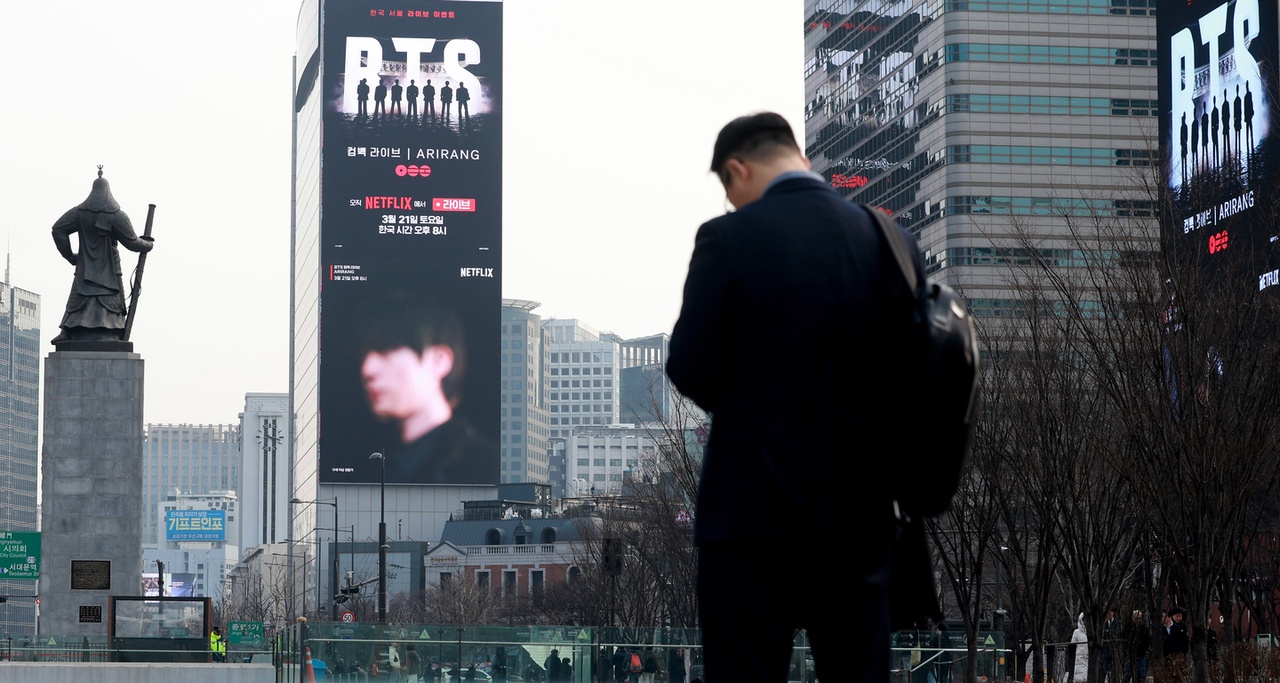
The anticipation is already palpable — in the streets right outside the doors and in the steady stream of international customers arriving both in person and online.
“Ever since BTS’s Gwanghwamun performance was announced, there have been quite a lot of inquiries from those who wanted to buy daily or formal hanbok sets,” Han told the Korea JoongAng Daily inside his crowded store on Wednesday. “We’ve designed daily hanbok attire for those who want to wear them to the concert, and about 20 sets have already sold.”
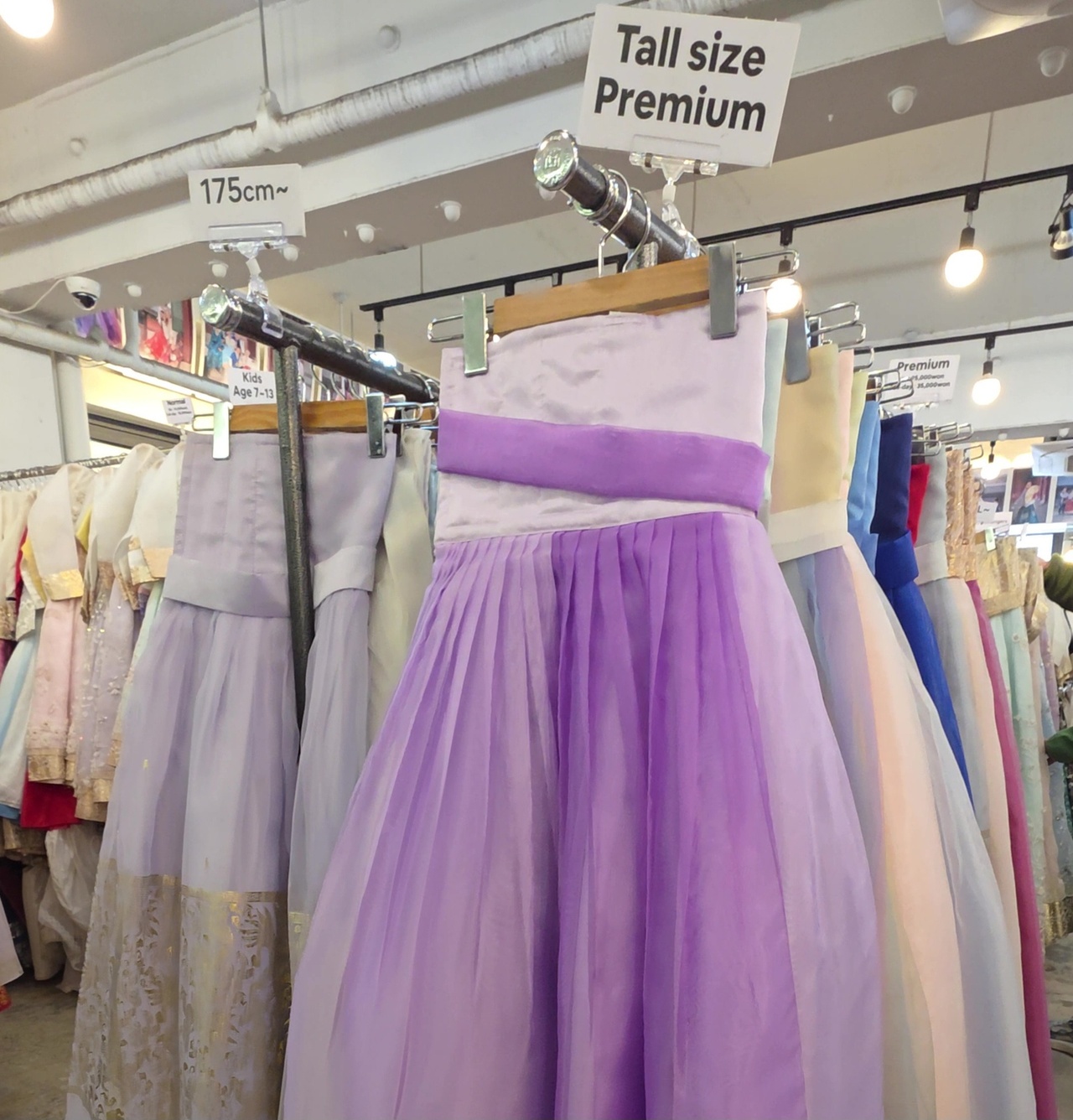
Much of the renewed attention stems from the title of BTS’s fifth album, “Arirang,” which takes its name from a collection of Korea’s time-honored folk songs. The theme signals the group’s intention to explore its roots, making hanbok a fitting choice for fans marking the occasion.
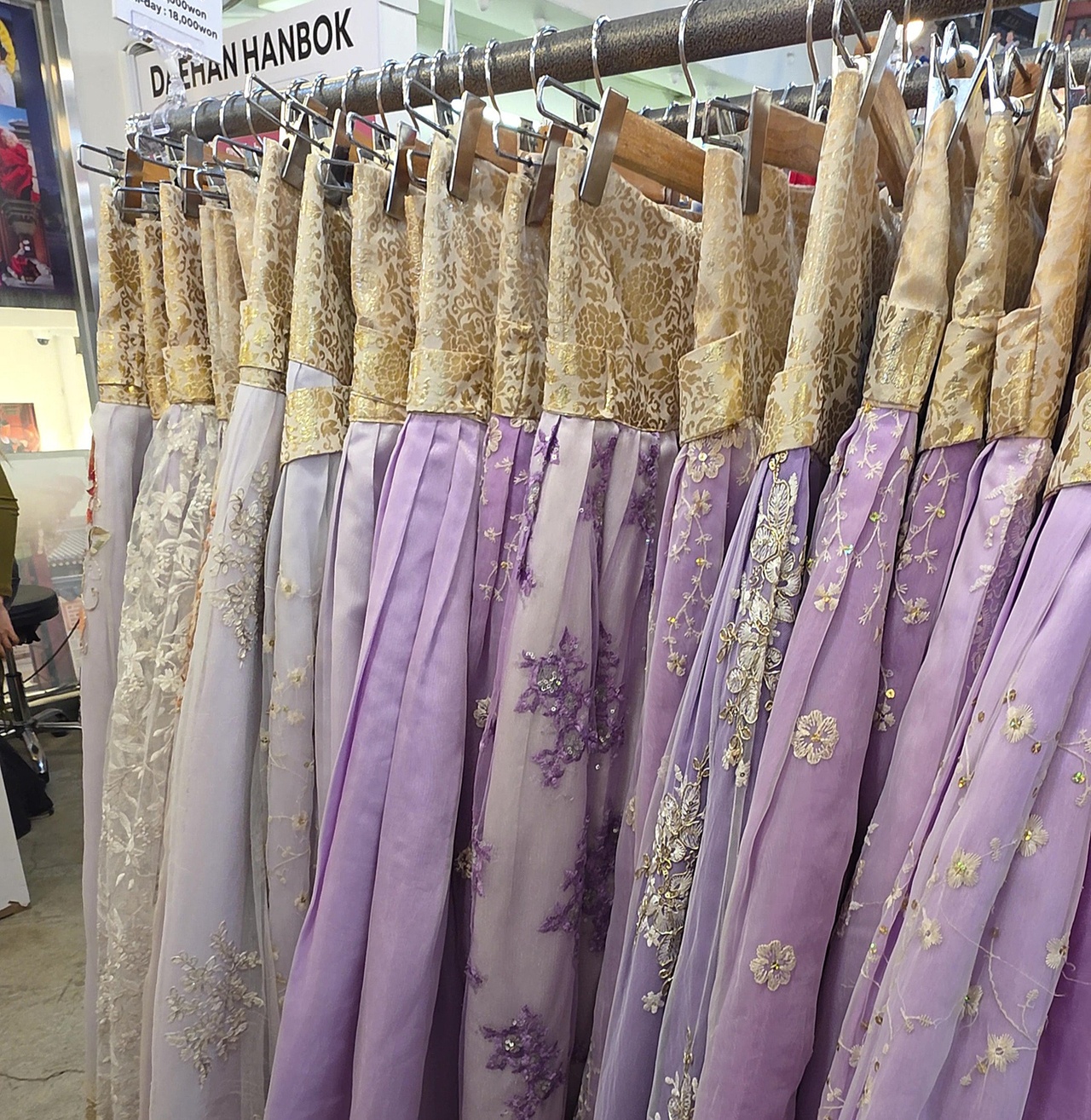
Inside Daehan Hanbok, a two-story shop wedged between the avenues leading toward Gyeongbok Palace and the square, the influence of the upcoming BTS performance is apparent. Near the entrance sits an entire rack of hanbok skirts in different shades of purple, the color that has long symbolized the bond between BTS and its fans.
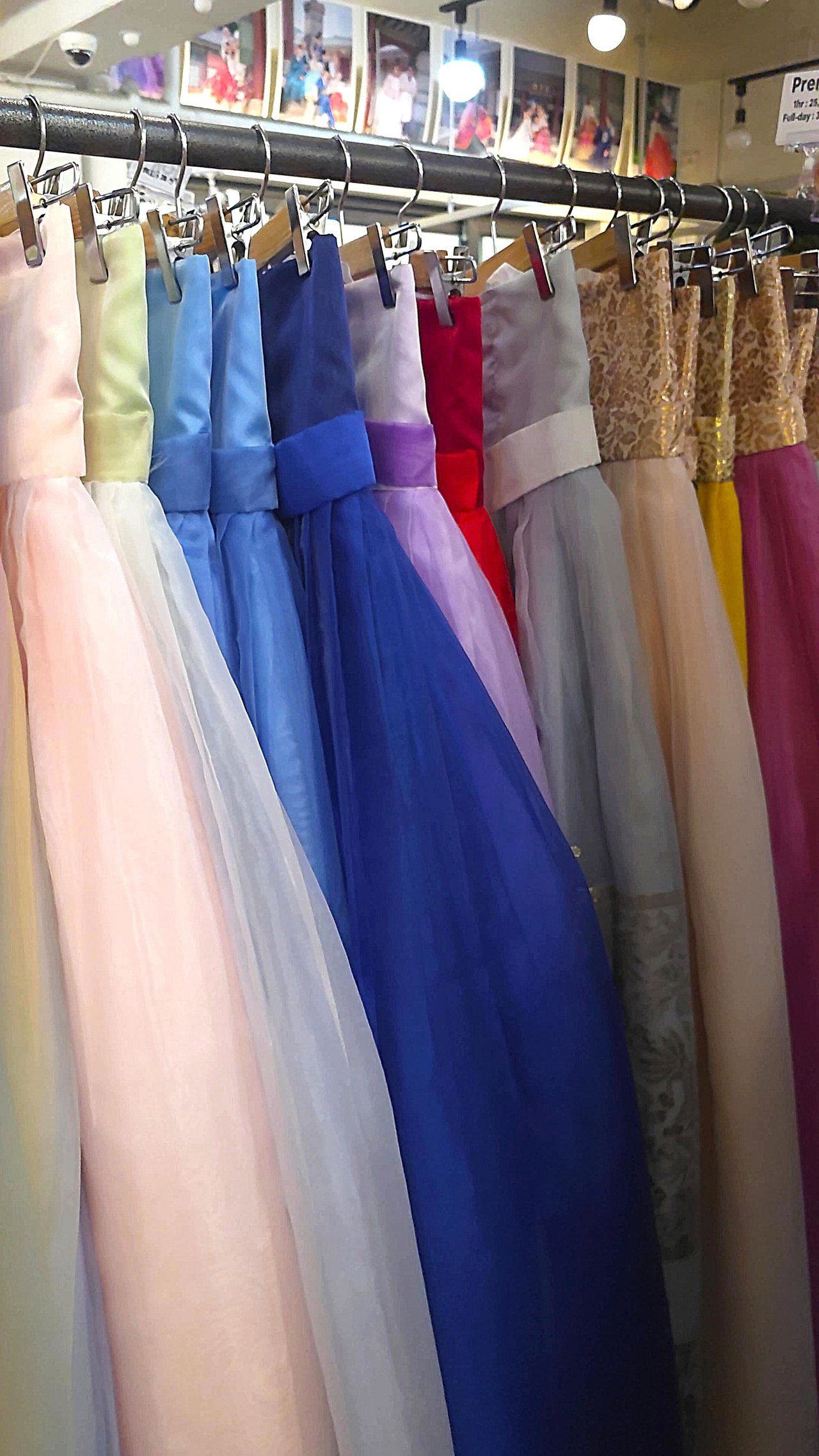
On the rack beside it hang a colorful spectrum, from pastel pink and yellow to vivid red and blue, shades chosen to echo the signature colors associated with each of the band’s seven members.
“As there’s always been strong demand for more modernized styles of hanbok, I hope this opportunity brings more attention to traditional designs as well,” Han said.
The store will remain open on Saturday, according to Han, even though Gyeongbok Palace will be closed and some nearby restaurants and shops plan to shut their doors or shorten their hours in anticipation of massive crowds and potential safety concerns.
Cha Seon-ae, the owner of Hanbokgirls, a different hanbok rental store near the palace, said she is unsure if her store will be open on the big day.
“But it won’t be a huge shame even if we have to close,” Cha said. “I think the butterfly effect of the performance will be much bigger than its impact on the day itself, as many more people may come to visit the area later, even if they weren’t able to attend the show.”
Smaller nods to tradition are also gaining popularity for those who may find a full hanbok outfit burdensome.
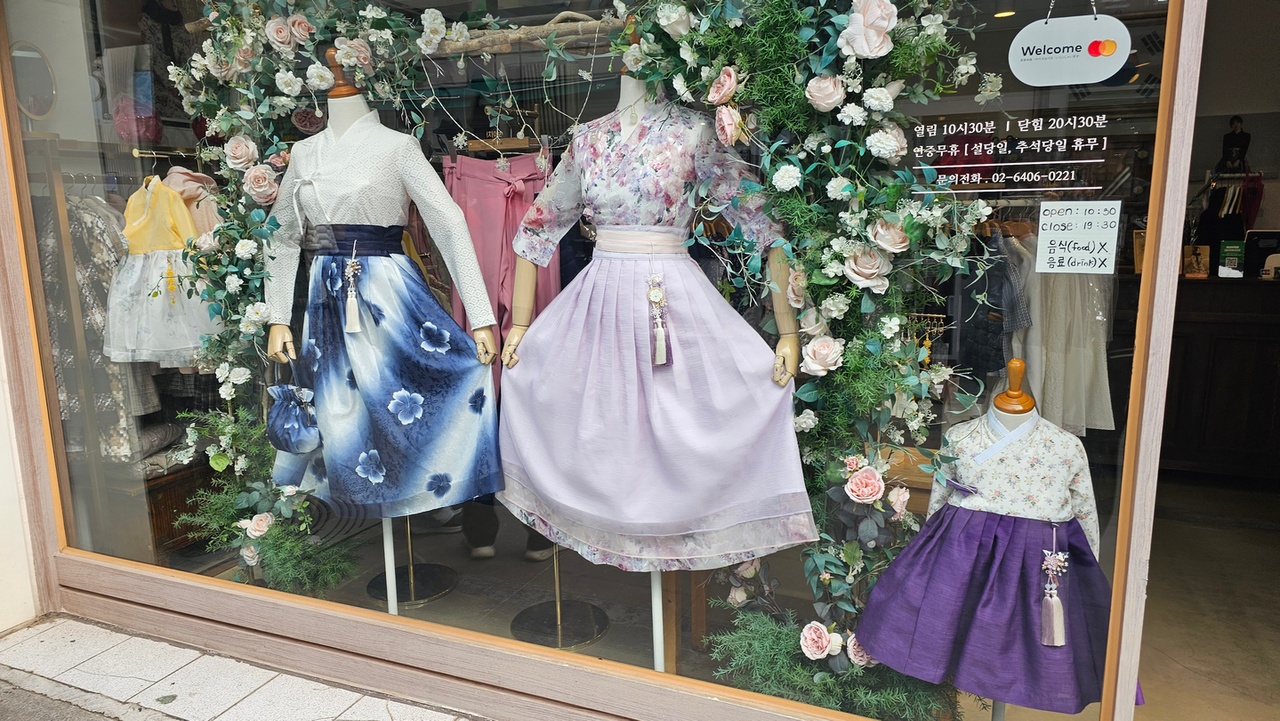
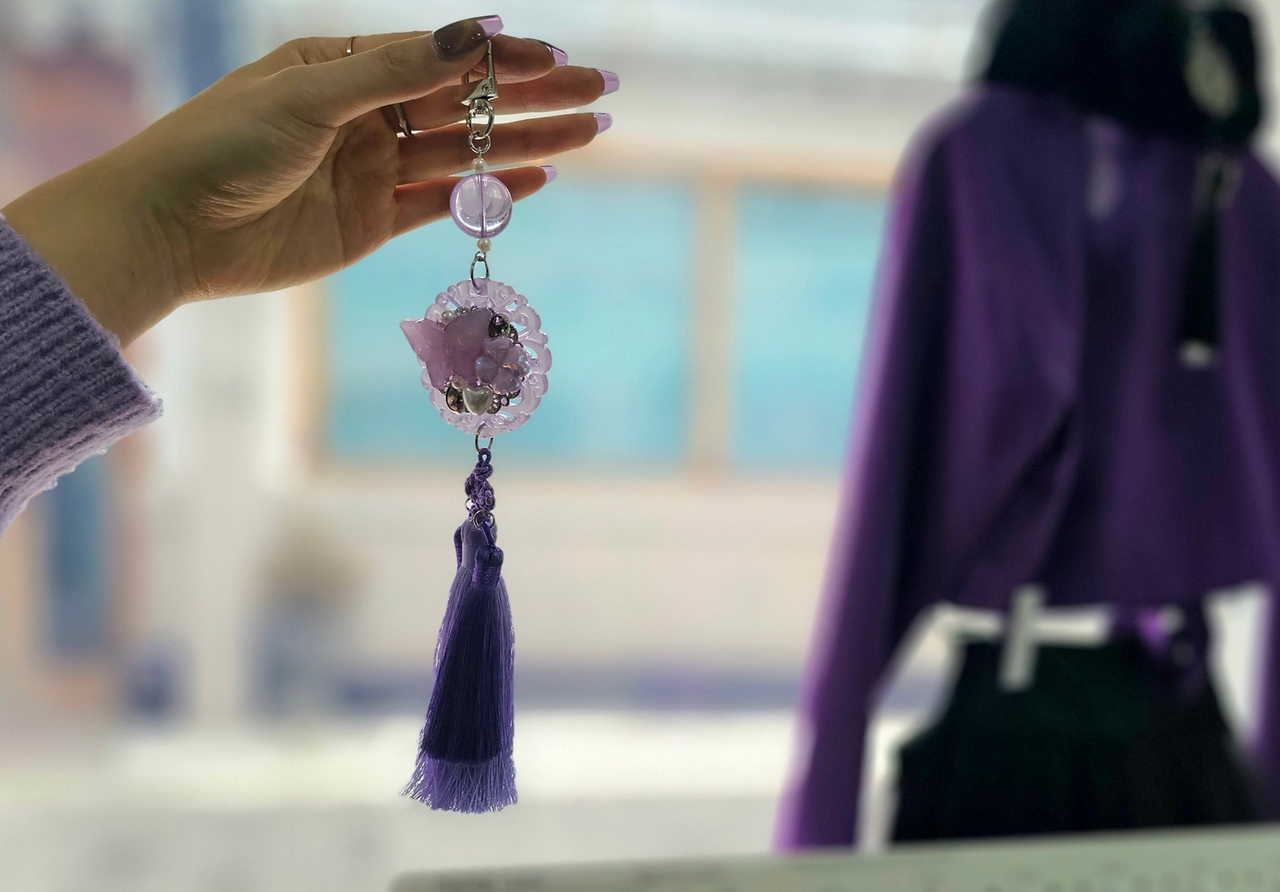
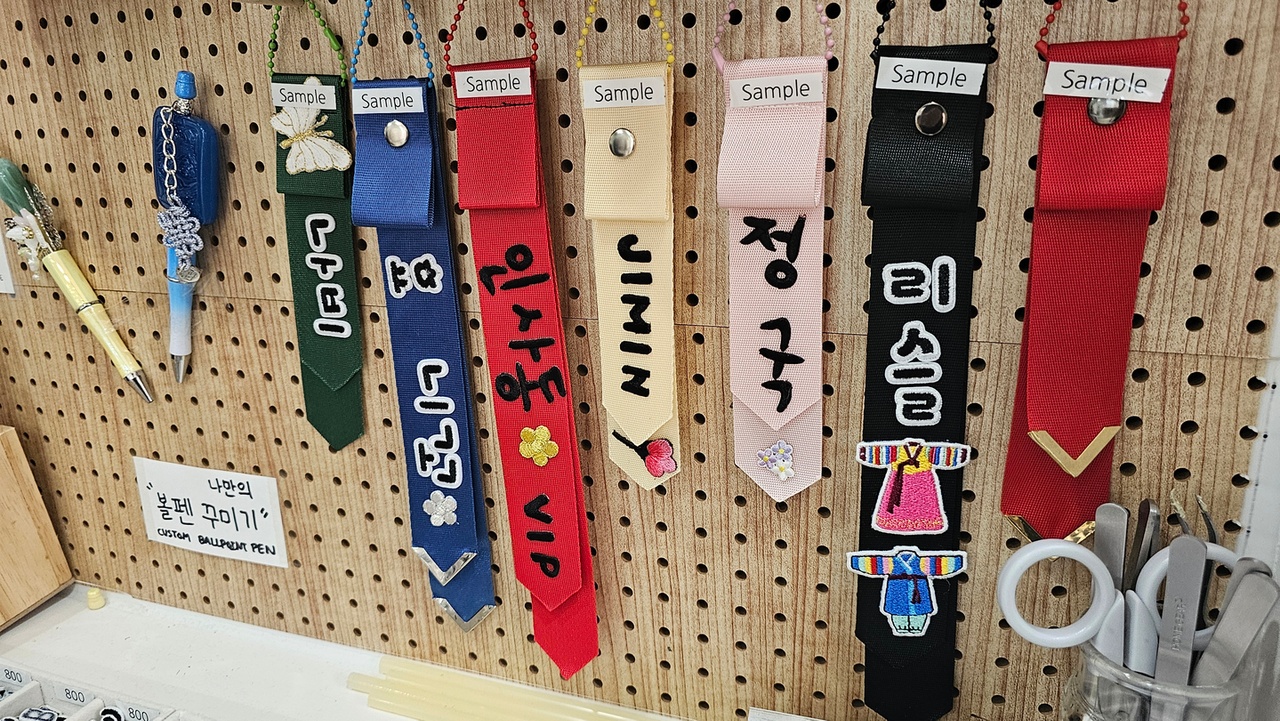
In the nooks and crannies of Insa-dong, about a 15-minute walk from Gwanghwamun Square, some hanbok boutiques and accessory shops have begun sprinkling their storefronts with subtle but unmistakable hints of purple, from norigae (traditional Korean tassel accessory) to embroidered silk ribbons, called daenggi.
The Insa-dong branch of the modern hanbok brand Leesle is among them. Purple-hued norigae greet visitors at the storefront of the shop, where customers can not only buy hanbok-inspired fashion items but also create their own customized norigae.
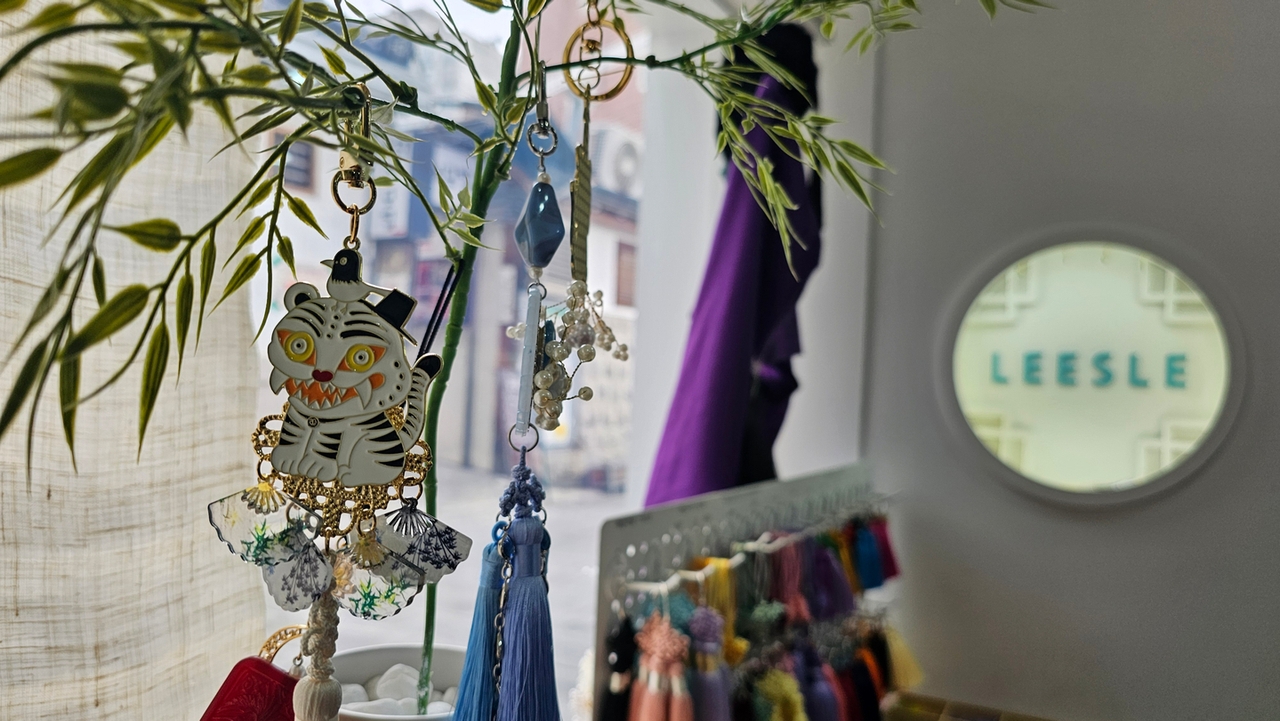
Ahn Seo-hyeon, a staff member at the store, said there has been a noticeable rise in customers arriving with purple key chains and BTS merchandise as of late.
“About two weeks ago, there were two German customers who told me they were looking for a daily hanbok to wear to BTS’s world tour concert in Germany,” said Ahn.
Among accessories, norigae has recently gained traction, she noted, particularly after the global success of “KPop Demon Hunters” (2025), in which the fictional girl group HUNTR/X wore the tassels as fashion items.
Other traditional accessories, such as sultti, a traditional belt with tassels, and dwikkoji, an ornamental hairpin, could also provide a refreshing touch of Korean aesthetics, she suggested.
“It’d be wonderful if this could be an opportunity to raise awareness of traditional elements of Korean fashion and culture, not only for international audiences but also among Koreans,” Ahn said.
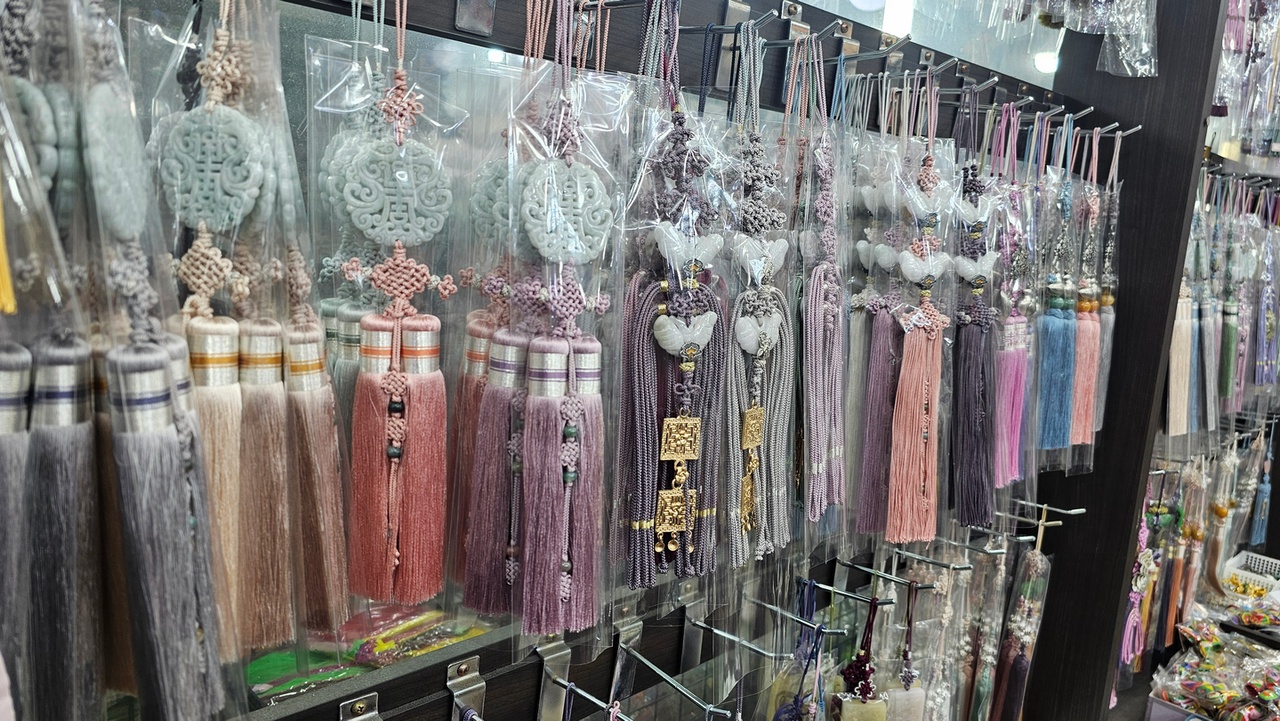
At Gwangjang Market, one of Korea’s largest traditional markets located about 2 kilometers (1.3 miles) east of Gwanghwamun Square, an accessory store called Daesin Kkotsin is seeing a rare influx of foreign customers after a traditional fashion influencer known as Hanbok_c posted a video introducing the store to international ARMY in February.
Lee Young-sook, who has run the shop for three decades, said she is not used to foreign customers, as the store has traditionally catered to designers and industry insiders as a wholesale supplier. Still, she now welcomes ARMY customers browsing through its wide selection of purple norigae with open arms.
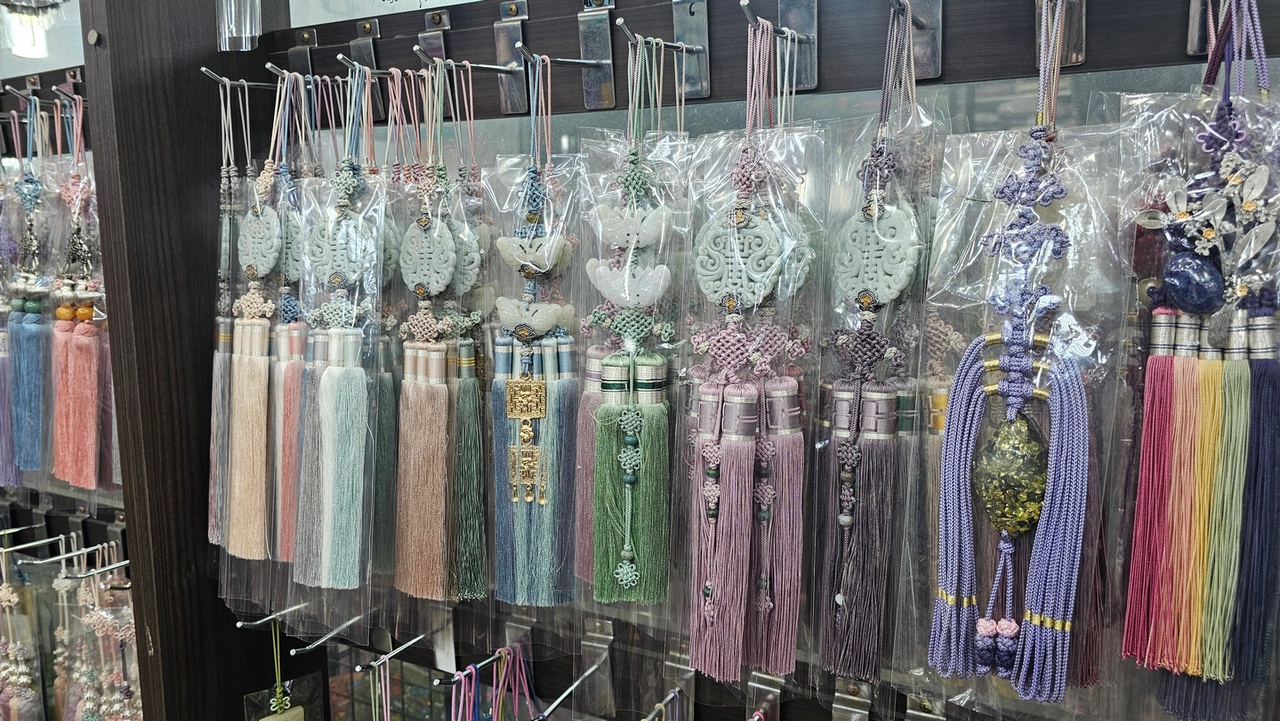
“I’m grateful for foreign tourists who show appreciation for hanbok and the culture,” said Lee.
The number of hanbok stores at the marketplace declined from nearly a thousand at its prime to fewer than 200 today, she added, noting that the Covid-19 pandemic dealt a particularly heavy blow to the industry.
“The hanbok industry has been in significant decline as the pandemic fundamentally changed the culture around formal events that once required hanbok and made them simpler,” Lee said. “But I hope the tradition continues, and that this BTS event brings renewed attention.”
BY SHIN HA-NEE [shin.hanee@joongang.co.kr]