Audit finds Ji Chang-wook owes billions in extra taxes, actor denies wrongdoing
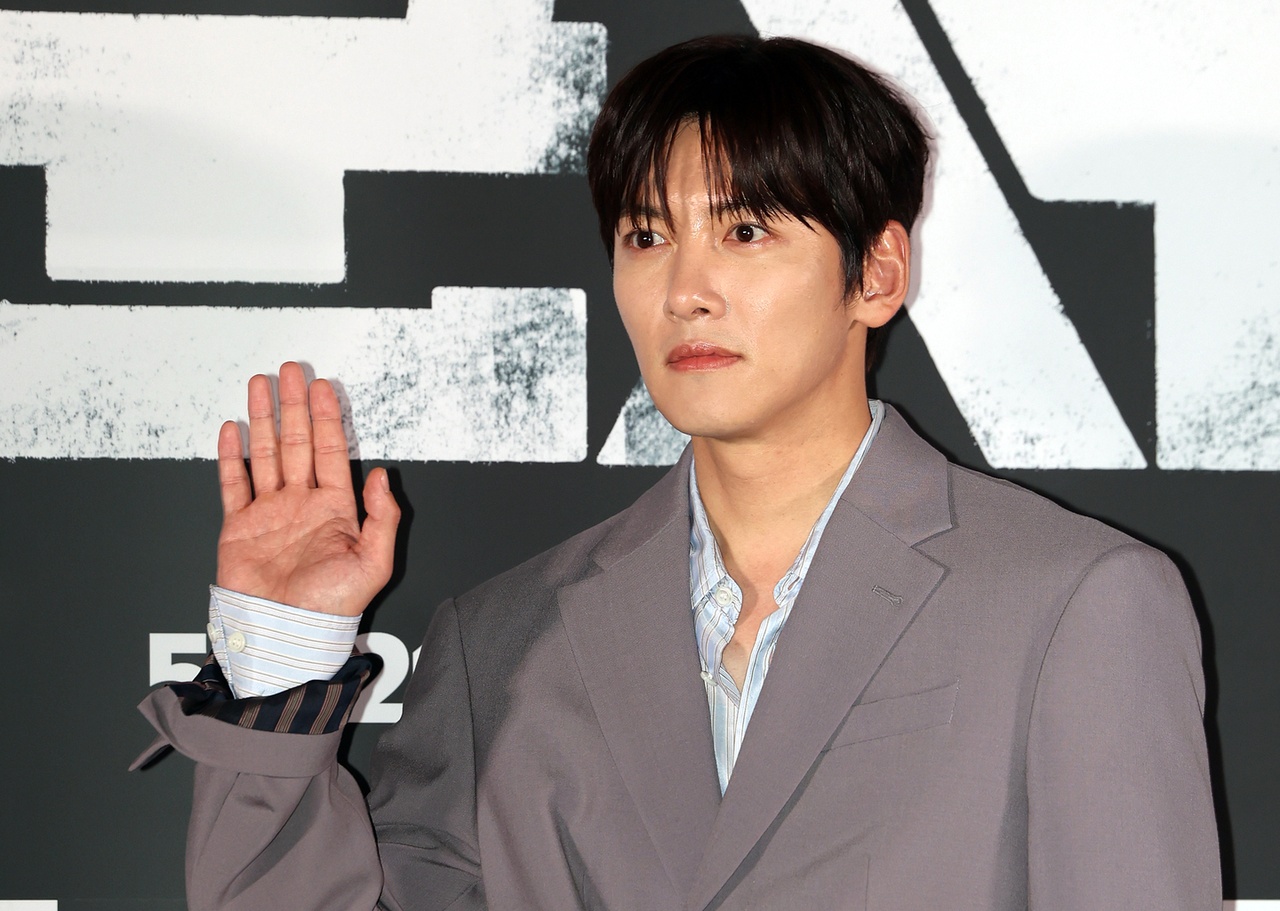
Actor Ji Chang-wook acknowledged Tuesday that an audit found that he owes tens of billions of won in additional taxes, while denying any intentional evasion.
“There was absolutely no intentional omission of income or tax evasion through improper means," his agency, Spring Company, said in a statement. “Since his debut in 2008, Ji Chang-wook has faithfully fulfilled his tax obligations while strictly complying with relevant laws and procedures without any tax-related issues. He respects the National Tax Service’s findings and plans to pay the assessed taxes without delay in accordance with the required procedures.”
The agency added that it would strengthen its tax and accounting management systems to prevent similar issues from occurring in the future.
In March, the Seoul Regional Tax Office reportedly imposed additional taxes amounting to tens of billions of won after conducting a supplementary audit of Ji and found evidence of underpayment or improper handling.
Spring Company said it fully cooperated with the investigation by submitting relevant documents throughout the audit process. It argued, however, that the dispute stemmed from differing interpretations of tax law rather than any attempt to conceal income.
According to the agency, tax authorities and Ji disagreed over whether earnings from his acting career should be taxed as personal income or as income earned by his one-person agency. The National Tax Service reportedly viewed the earnings as Ji’s personal income and applied the relevant tax percentage, while the actor maintained that the income should be treated as corporate revenue.

Several entertainers have recently faced similar tax assessments, including singer and actor Cha Eun-woo and actors Yoo Yeon-seok, Lee Ha-nee and Lee Yi-kyung.
They all established one-person corporations while continuing to be represented by their existing management agencies. The arrangement allowed income generated through their entertainment activities to be received as corporate revenue rather than personal income and paid out in increments, potentially lowering their tax burden because corporate tax rates are generally lower than personal income tax rates.
The other celebrities likewise maintained that the assessments resulted from differences in the interpretation of tax law rather than deliberate tax evasion.
Ji debuted as a musical theater actor and forayed into screen acting through the 2006 short film "Days..." He is known for starring in K-dramas "The K2" (2016) and "Suspicious Partner" (2017) and most recently was featured in the zombie thriller "Colony," currently in theaters.
This article was originally written in Korean and translated by a bilingual reporter with the help of generative AI tools. It was then edited by a native English-speaking editor. All AI-assisted translations are reviewed and refined by our newsroom.
BY HAN YOUNG-HYE. [lee.jian@joongang.co.kr]