Box office boom of 'The King's Warden' is latest take on historical tragedy that resonates today
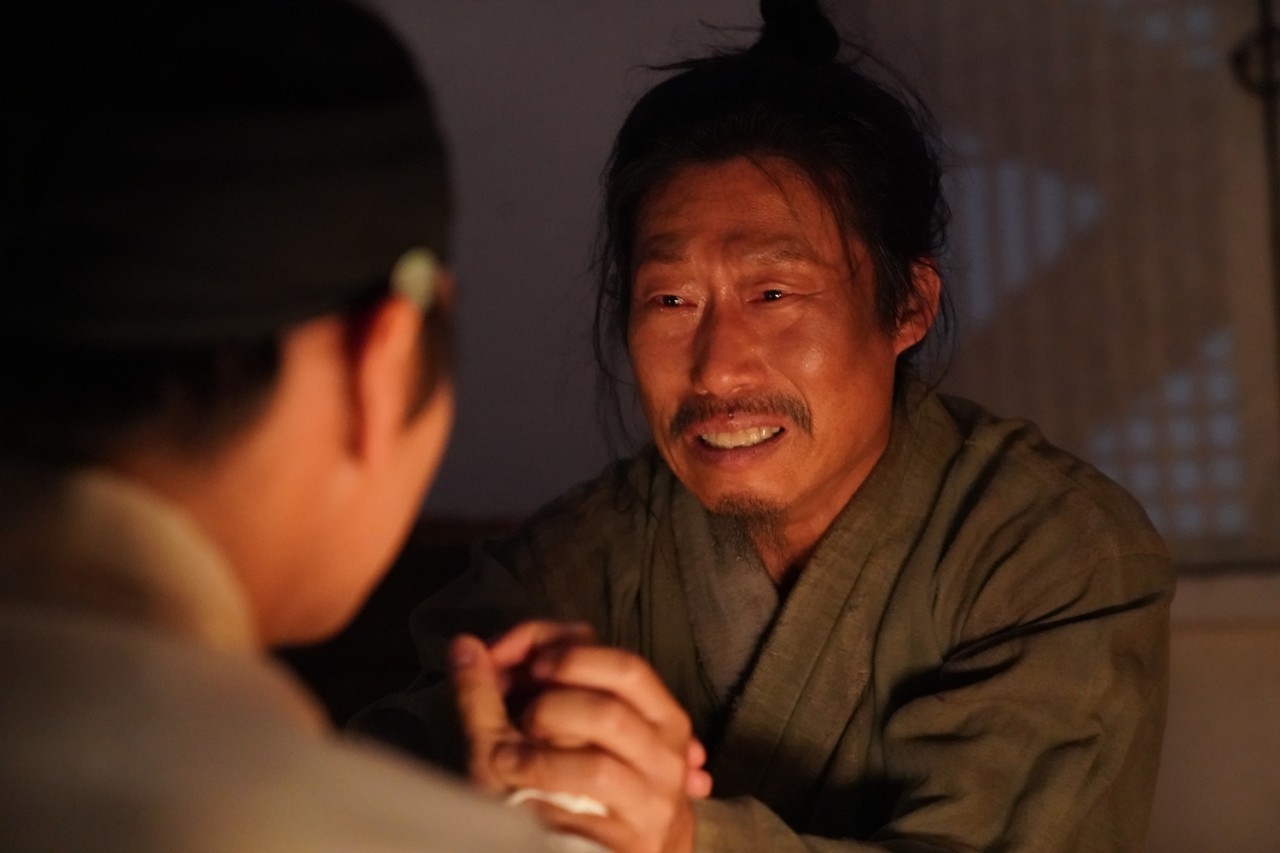
The tragic fate of a teenage king deposed by his own uncle during the Joseon Dynasty (1392-1910) has once again gripped Korean audiences, as “The King’s Warden” raced past the 10 million admissions milestone on Friday.
As of Monday, the movie has garnered 11 million admissions, 33 days after its release.
Its blistering performance at the box office and the lack of strong competition have carried the film, directed by Jang Hang-jun, is well past the 10 million mark — a symbolic milestone in the Korean film industry that signals nationwide mainstream success.
Revisiting a tragedy
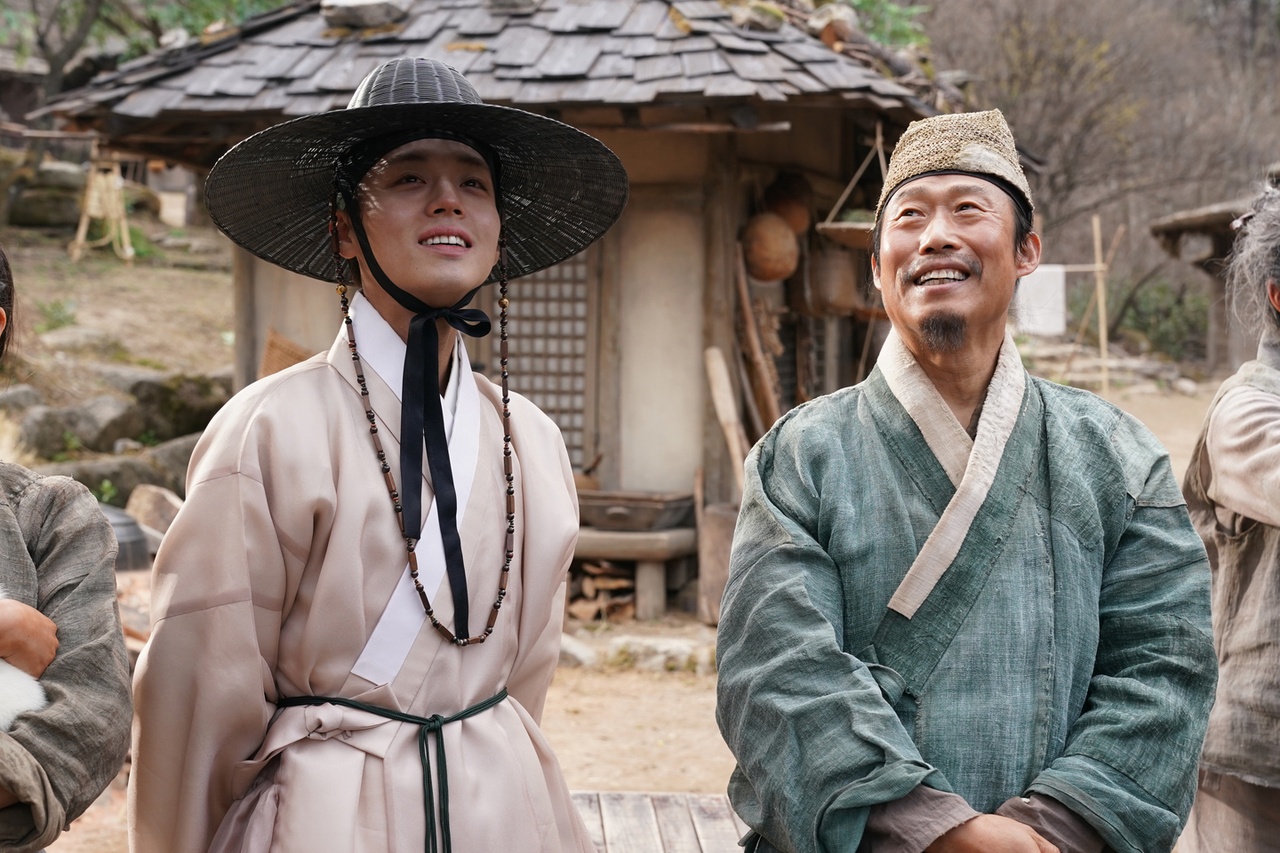
“The King’s Warden” is a "faction"-style historical drama — a blend of fact and fiction — depicting the final four months of King Danjong’s life after he was exiled to Yeongwol County, Gangwon.
Danjong (1441-1457) was the sixth king of Joseon. He ascended the throne at just 12 years old following the death of his father, King Munjong (1414-1452), but was soon forced to abdicate by his uncle, Prince Suyang, who seized power in a purge known as the Gyeyujeongnan in 1453. Suyang later became King Sejo. Danjong was eventually exiled and put to death at age 16, making him one of the most tragic figures in Korean royal history.
The film depicts Danjong’s final days through the brief historical record of Eom Heung-do, played by Yoo Hai-jin, a local official who risked his life to retrieve and bury the deposed king’s body after his death.
Actors Yoo and Park Ji-hoon, who plays the young Danjong, are widely credited as the driving force behind the film’s success, delivering deeply affecting performances that portray the bond between the fallen king and a humble subject. While historical documentation of Eom Heung-do is scant, the film builds on the fragmented record to craft an emotional narrative centered on ordinary people — a perspective many credit with rekindling public interest in the young monarch’s lesser-known final days.
Gyeyujeongnan in film
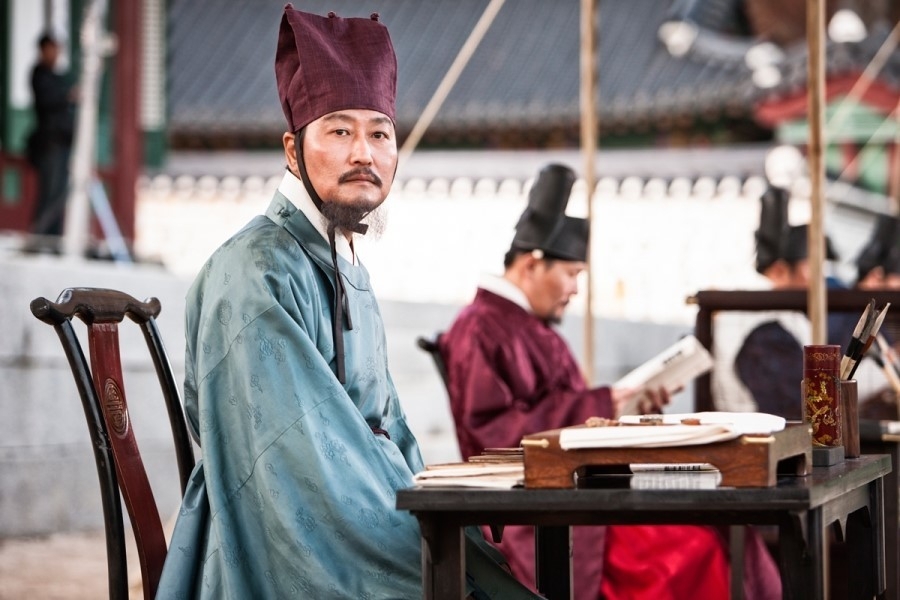
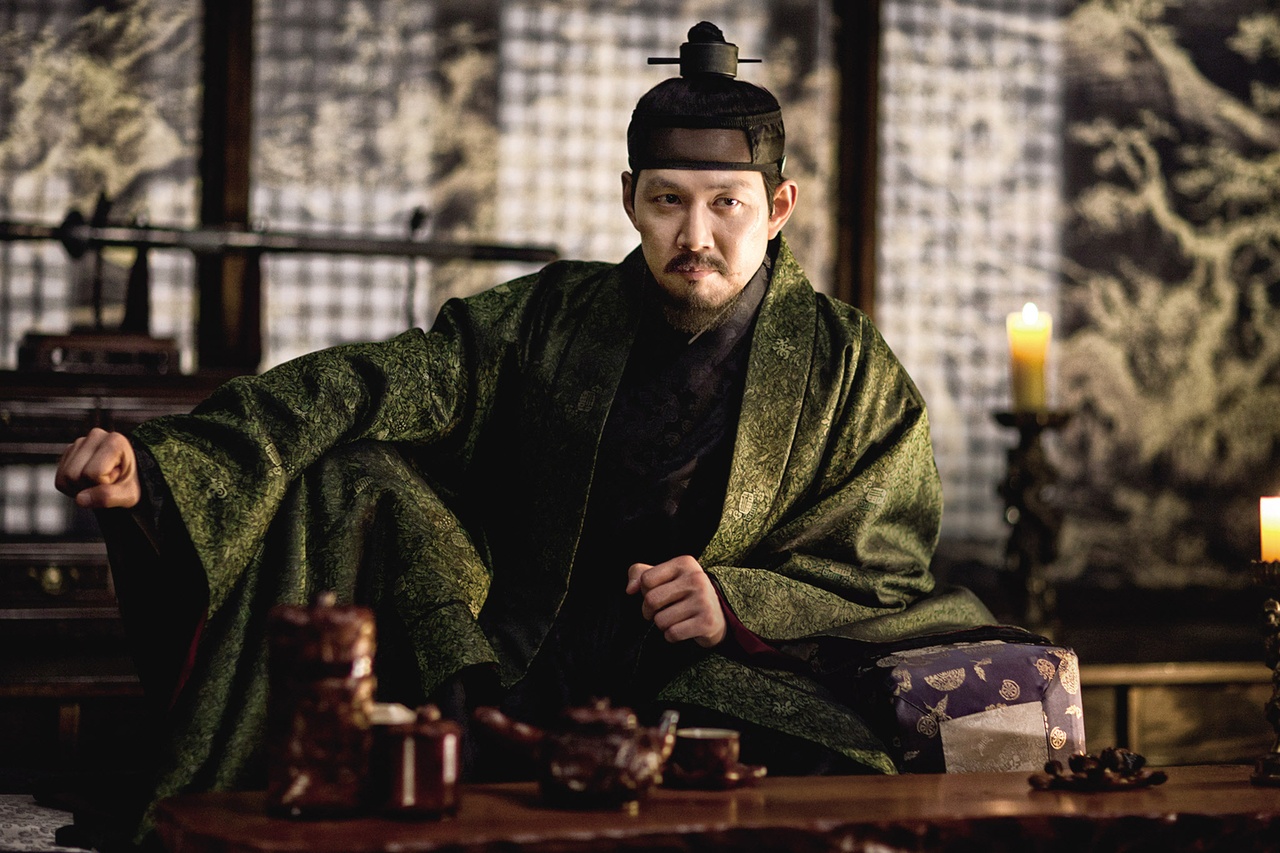
Chronologically, “The King’s Warden” functions as a thematic sequel to the hit period film “The Face Reader” (2013), directed by Han Jae-rim, which drew 9.13 million viewers. “The Face Reader” depicted the Gyeyujeongnan from the perspective of a fictional physiognomist, played by Song Kang-ho, as Lee Jung-jae’s Prince Suyang orchestrates his seizure of the throne.
While “The Face Reader” focused on the purge itself, “The King’s Warden” turns to the aftermath — Danjong’s exile, life in confinement and death. Both films portray what is widely regarded as one of the greatest tragedies of early Joseon through the eyes of ordinary individuals, drawing empathy from modern audiences.
Another film set during the same period, “Canvas of Blood,” is scheduled for release later this year.
Why this story endures
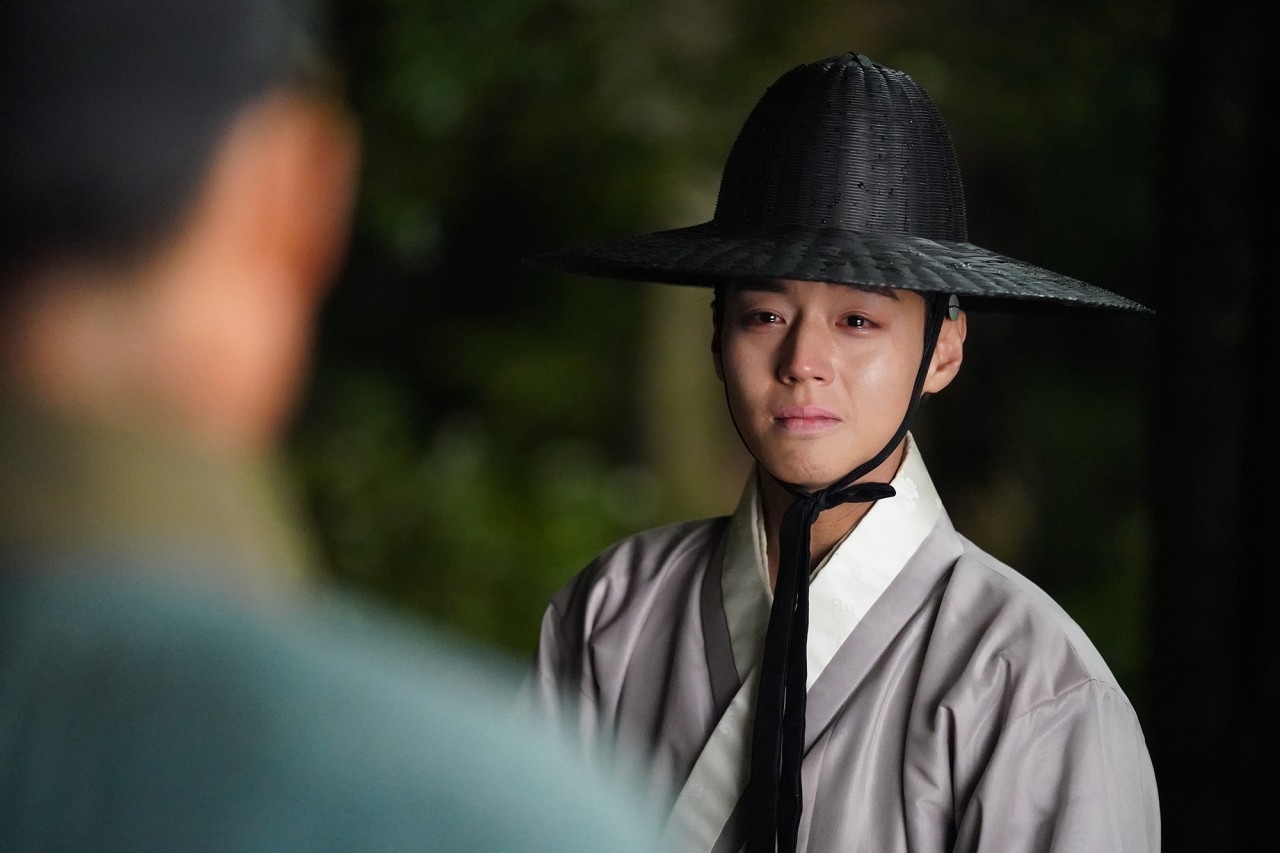
Why do films about the purge from 1453 continue to resonate?
Critics say the story of a young king stripped of his throne and killed by an ambitious uncle evokes a Shakespearean sense of betrayal and tragedy. Audiences empathize not only with Danjong — who lost his supporters and died in isolation — but also with his father, King Munjong, who died young, leaving behind a vulnerable son in a ruthless political environment.
Kim Soon-nam, a professor at Korea University who served as historical adviser on the film, noted that while the Gyeyujeongnan is complex when analyzed in terms of power relations, it can easily be framed as a stark confrontation between “good” and “evil.”
“That kind of dichotomy makes it well-suited for dramatization,” Prof. Kim said.
Film critic Kim Hyung-seok added that Korean audiences tend to emotionally identify with figures who were unfairly sacrificed in history.
“Unlike written history, which often reflects the perspective of the victors, films like ‘The King’s Warden’ satisfy viewers’ desire to hear the voices of the defeated,” the critic said.
Echoes of the present
The enduring appeal of the Gyeyujeongnan narrative also lies in its contemporary relevance. Director Jang has said he was initially hesitant to tackle such a well-known story but was inspired after watching “12.12: The Day” (2023), a blockbuster film about the 1979 military coup in Korea.
Like “12.12: The Day,” the new film underscores the need to remember the victims of political upheaval and not forget the injustices behind “successful” power grabs, Prof. Kim said, noting that historical assessments of King Sejo have shifted depending on the political climate.
“The question of whether a successful coup can be considered legitimate remains relevant today,” Prof. Kim said, adding that some viewers may be reminded of recent political turmoil while watching the film.
Reimagining familiar figures
Part of the continued fascination with the period lies in the opportunity to reinterpret its central figures: Prince Suyang, the influential statesman Han Myeong-hoe and Danjong himself.
In “The Face Reader,” Lee’s electrifying first appearance as Suyang is often cited as one of the most memorable character entrances in Korean cinema. His portrayal emphasized the prince’s charisma and ambition rather than depicting him as a one-dimensional villain.
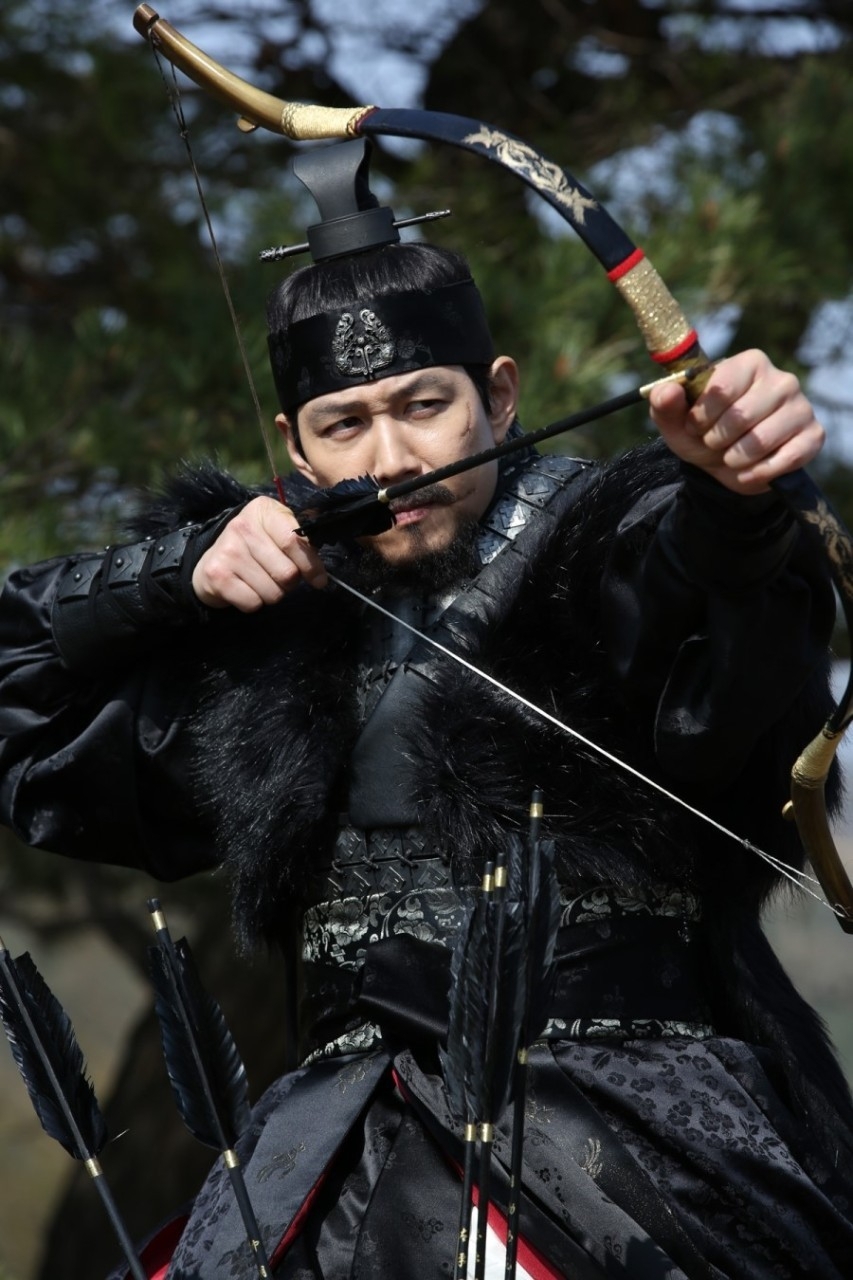
Han Myeong-hoe, long portrayed as a cold-blooded strategist, is reimagined in “The King’s Warden” with a commanding physical presence, played by Yoo Ji-tae. Meanwhile, Danjong — traditionally depicted as frail and passive — is presented as intelligent, principled and skilled in archery, based on historical accounts of his youth.
The upcoming “Canvas of Blood,” directed by Jang Hoon of the hit “A Taxi Driver” (2017), will offer yet another perspective. Starring Kim Nam-gil as Suyang and Park Bo-gum as Prince Anpyeong — another royal who was executed amid the power struggle — the film reframes the Gyeyujeongnan through the eyes of Anpyeong.
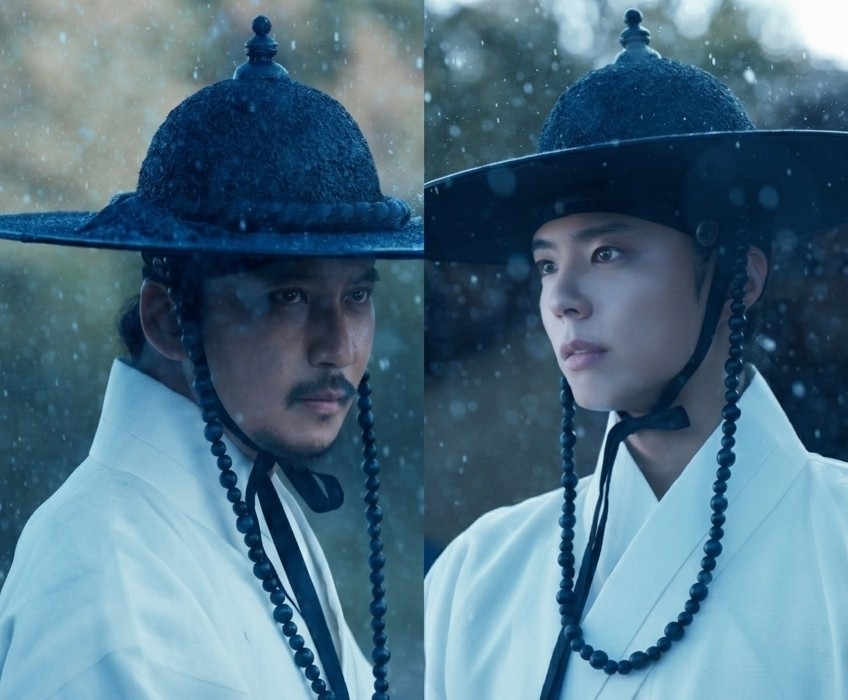
Built around the famous 15th-century painting “Mongyudowondo,” or “Dream Journey to the Peach Blossom Land” by court painter An Gyeon, the film imagines the artwork as symbolizing the conflicting political ambitions and fraternal rivalry between Suyang and Anpyeong.
An official at distributor Plus M Entertainment said the on-screen confrontation between actors Kim and Park would be a major draw, adding that the film would present “another meaningful perspective” on Gyeyujeongnan.
As successive filmmakers continue to reinterpret the same historical rupture, the tragedy of Danjong and the moral ambiguities surrounding his uncle’s coup remain fertile ground — both for box office success and for reflection on power, legitimacy and historical memory.
Updated, March 9, 2026: Updated the admissions total.
This article was originally written in Korean and translated by a bilingual reporter with the help of generative AI tools. It was then edited by a native English-speaking editor. All AI-assisted translations are reviewed and refined by our newsroom.
BY JUNG HYUN-MOK [shin.minhee@joongang.co.kr]