Ceviche 210 brings the taste of Peru to Pyeongtaek
[AMBASSADOR’S TABLE — RESTAURANT REVIEW]
PYEONGTAEK, Gyeonggi — Pyeongtaek, Gyeonggi, has its own version of Itaewon. It may lack the thumping nightlife, but when it comes to diversity and the bold authenticity of international cuisine, it might just outshine Seoul’s famed global village. And at the center of that culinary charm is the Peruvian restaurant Ceviche 210.
The Songtan Special Tourist Zone in northeastern Pyeongtaek lies about an hour's drive from Seoul and sits adjacent to Camp Humphreys, the largest U.S. military base overseas. As of 2023, its 491,316-square-meter (121-acre) area houses more than 1,600 restaurants, including those serving diverse cuisines like Nepali and Indian.
English signs are a common sight here, and combined with the feel of a traditional Korean market, the zone offers a vibe that’s uniquely its own.
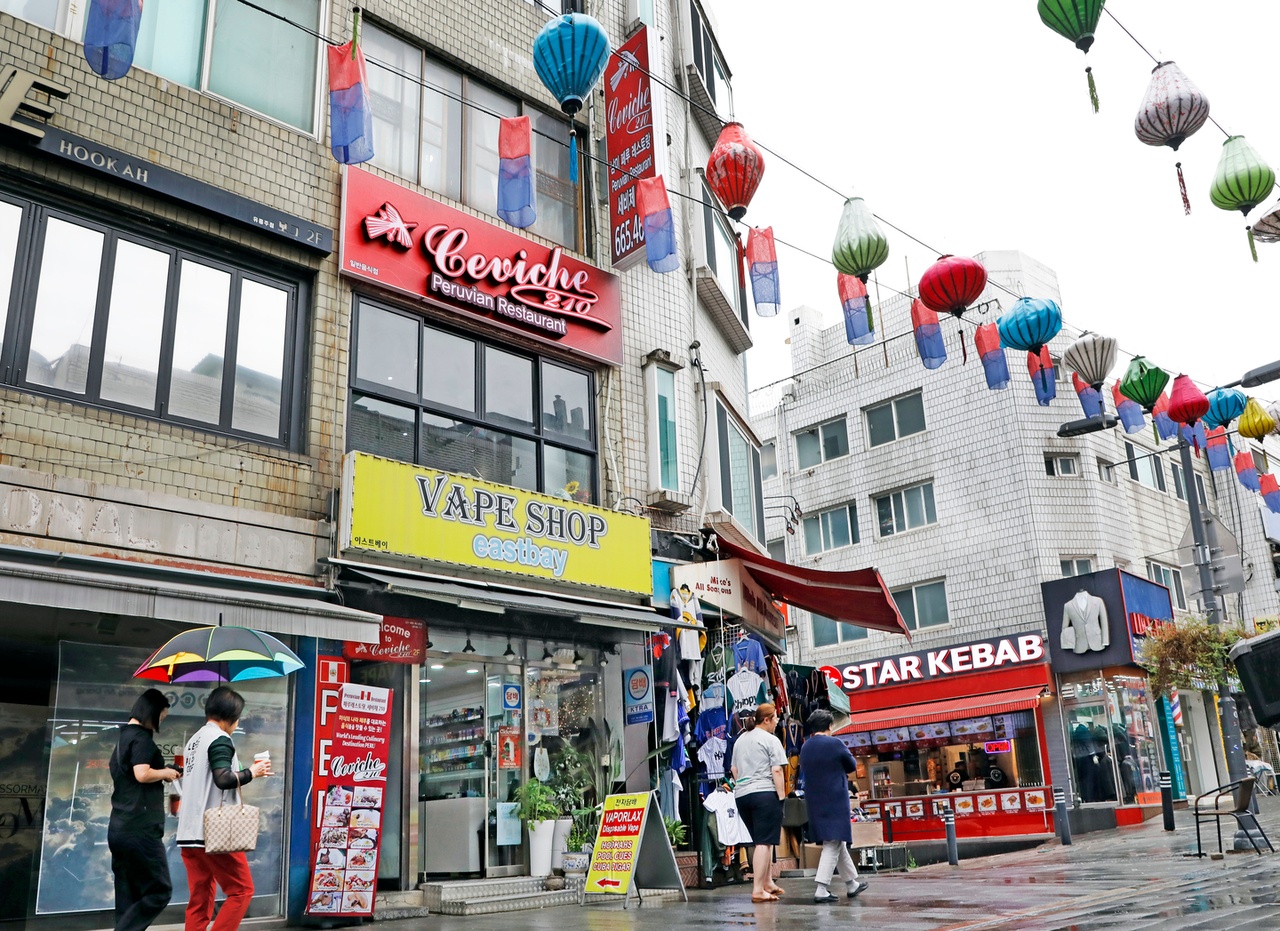
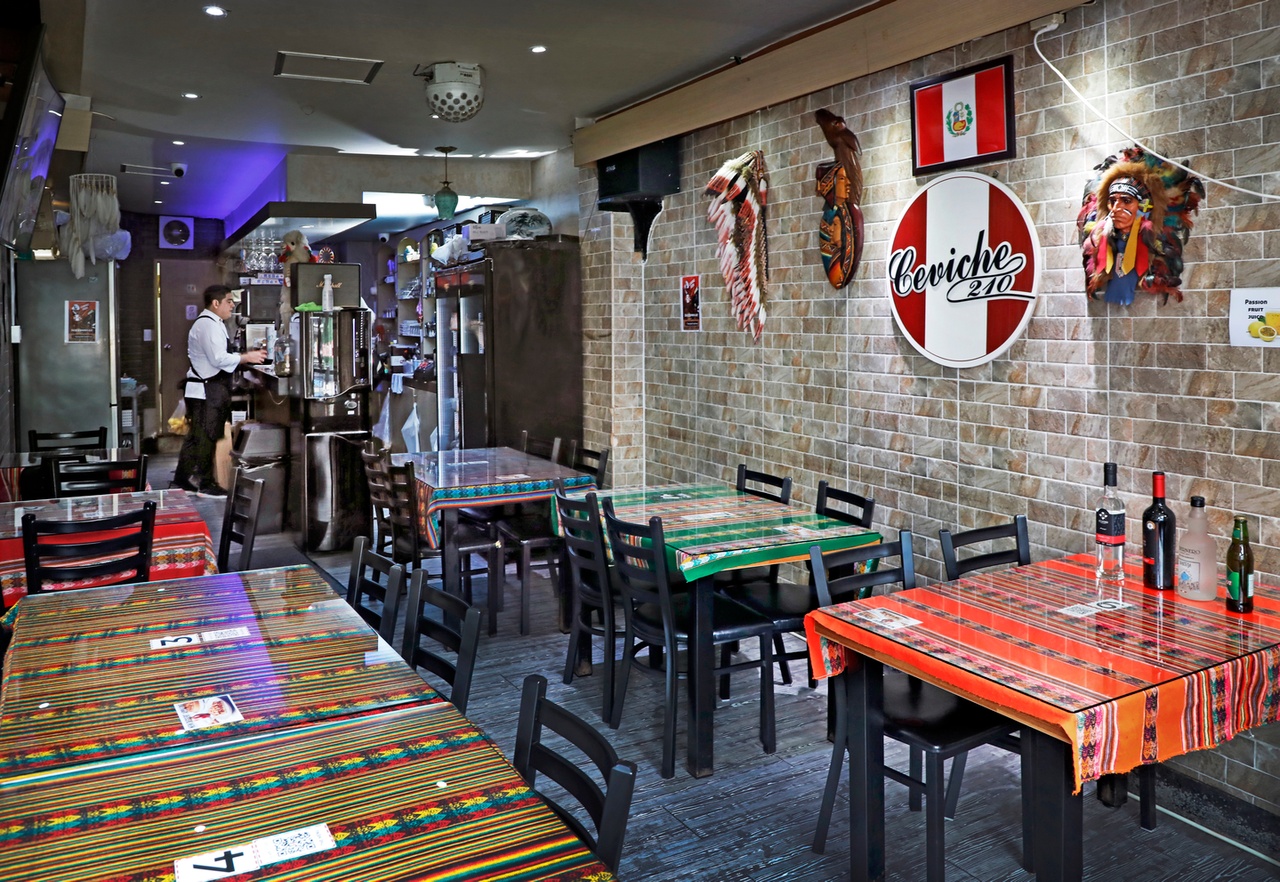
At the heart of this area, a bold red sign draws you in. Step inside and you know you’re in the right place for an authentic taste of Peru: Peruvian flags and a brick-patterned wall evoking Machu Picchu. Upon entering, you pass a black cashier counter with oversize kitchen machines to tables adorned with red and green checkered tablecloths.
Peruvian cuisine, famously multicultural — a layered fusion of Indigenous traditions and global influences including Japan, China, Italy and Africa — has long been celebrated for its complexity and finesse. It ranked No. 14 on TasteAtlas’s 100 Best Cuisines in the World for 2024-2025, scoring 4.40 out of 5. Maido, a Japanese-and-Peruvian fusion restaurant in Peru, recently topped the World’s 50 Best Restaurants list.
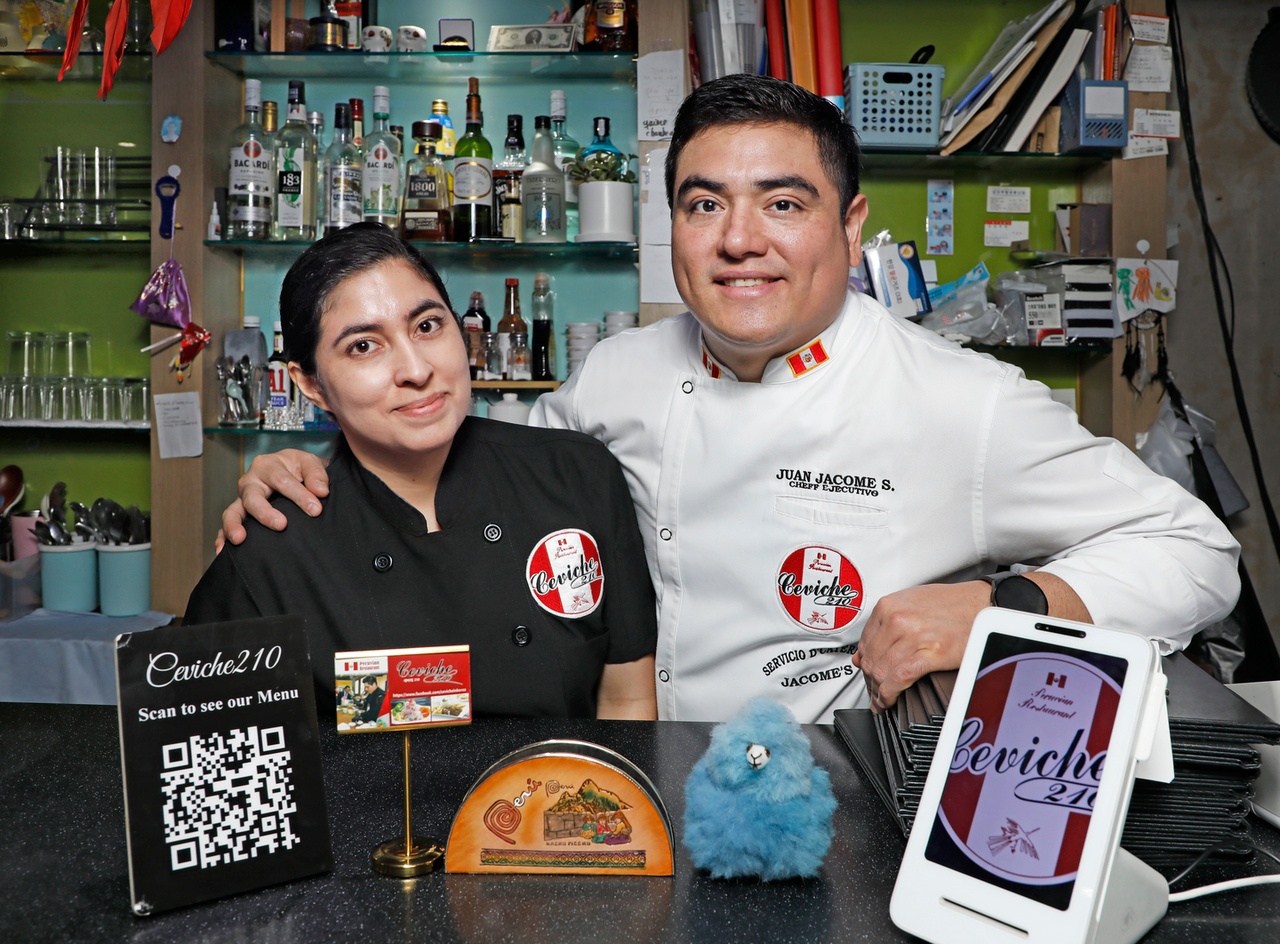
Still, for most Koreans, Peruvian food remains an undiscovered world — something chef and owner Juan David Jacome Silva set out to change here.
“I was upset that many Korean people were unaware of Peruvian dishes,” he said. To spread the cuisine, he began participating in international food festivals across Korea. His efforts led to friendships with Peruvian ambassadors, and today, Ceviche 210 is a favorite of Paul Duclos, Peru’s current ambassador to Korea.
Every meal begins with a complimentary appetizer set with crispy taco chips along with a spicy green homemade sauce and fried corn — a classic Peruvian snack — at Ceviche 210.
To cool off from the scorching heat, try a chicha morada — a traditional Peruvian drink made from maiz morado, a Peruvian purple corn imported especially for the drink. Boiled with apples, pineappl and lemon four hours, it’s like grape juice but lighter, earthier and a bit more mysterious.
As the lunch hour nears, the bell above the door rings again and again, and uniformed soldiers trickle in, in pairs and small groups.
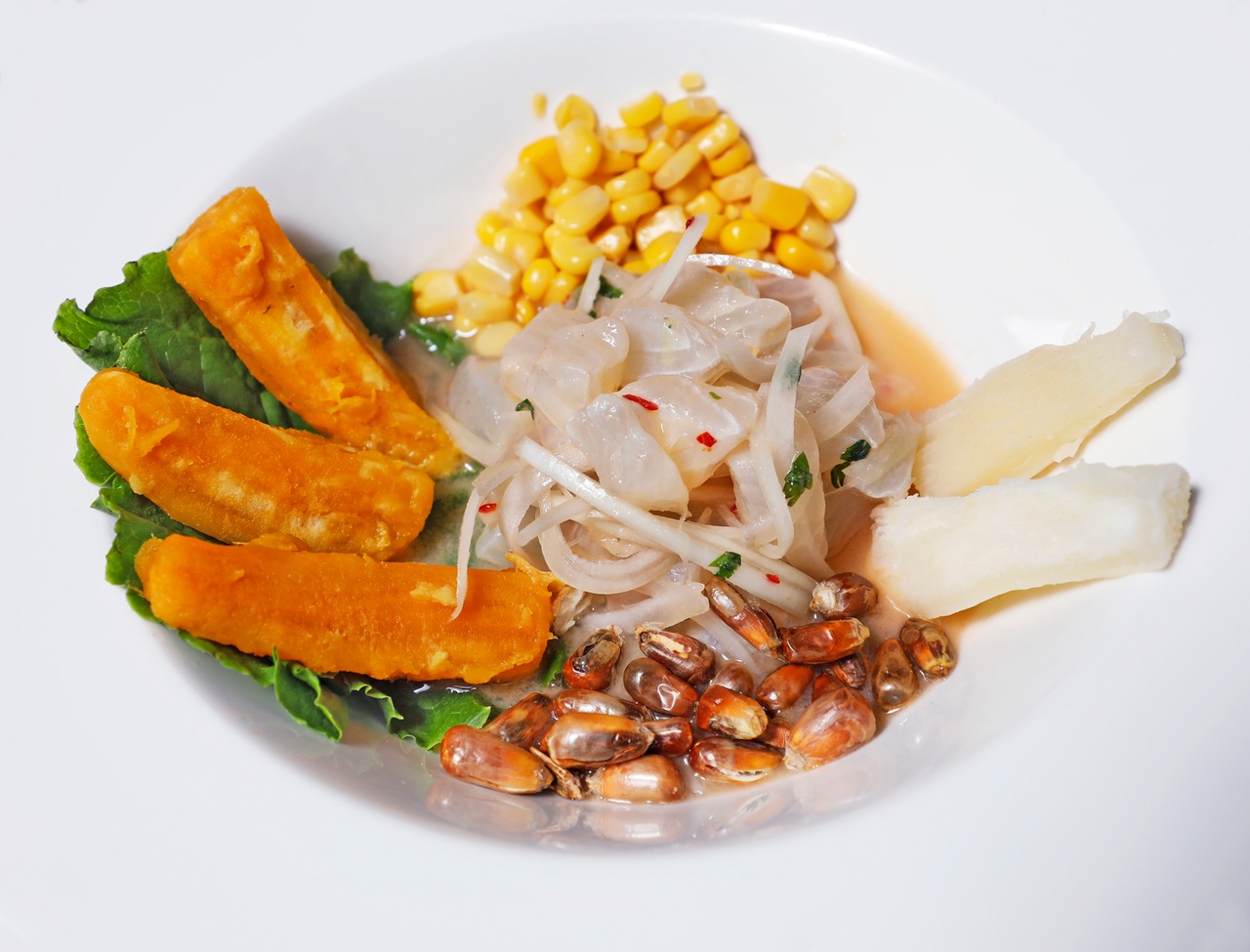
The signature Peruvian dish, ceviche — which even has its own national “Ceviche Day” in Peru on June 28 — is a raw fish salad served with flatfish marinated in a lemon-based sauce and onions. The tender, springy flatfish — as if caught fresh off the boat, just like in the finest ceviches in Peru — bathed in a tangy sauce with a spicy kick, revives the appetite on a sweltering day. Surrounding the fish are sides of boiled and fried corn, cassava — a starchy root vegetable with a potato-like texture — and sweet potato. The price is set at 23,000 won ($16).
“We stick to tradition,” chef Juan said. “Even though we can’t get Peruvian ingredients easily, we work hard to recreate the flavors with Korean ones.”
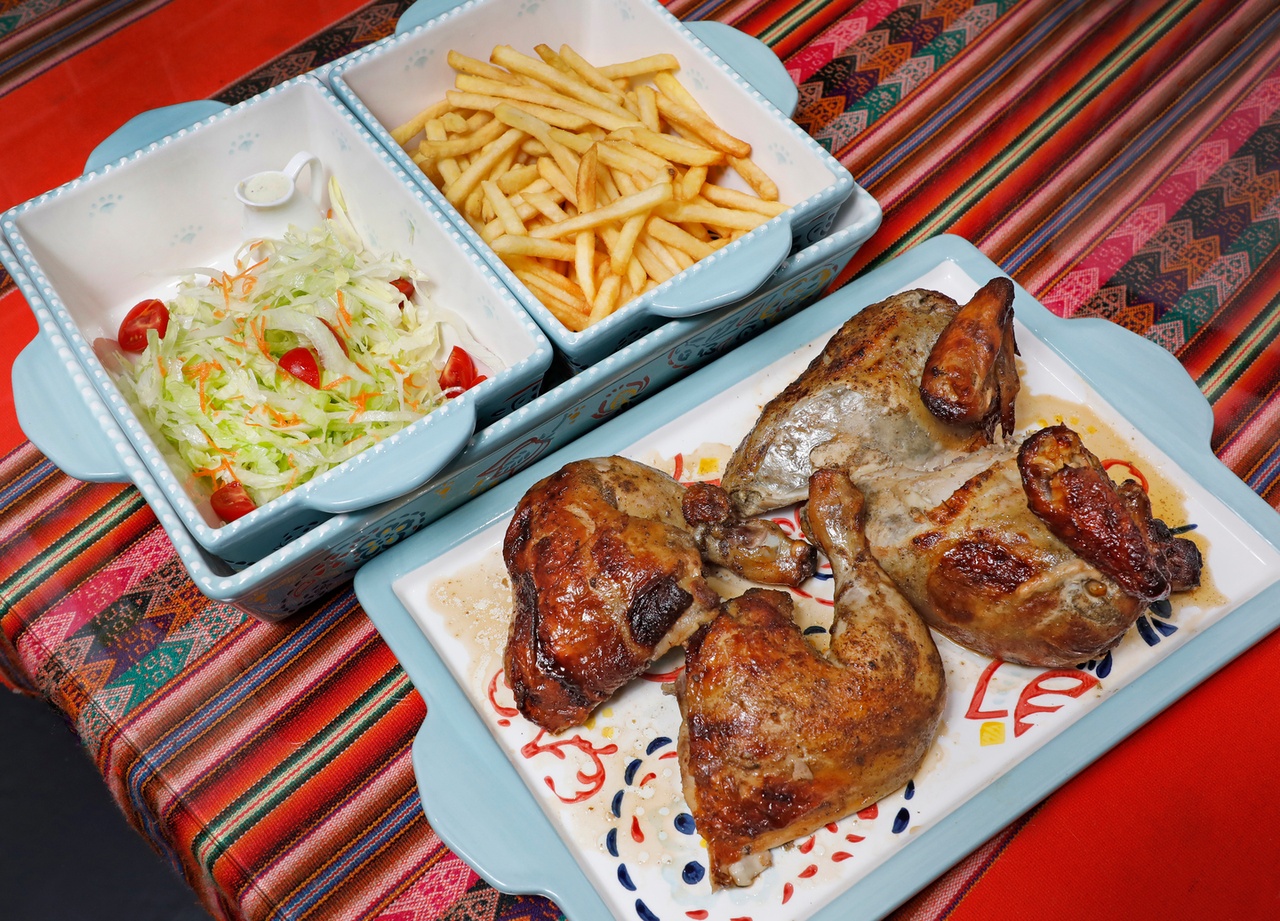
After whetting the appetite with ceviche, out came polloa la brasa, Peru’s beloved roasted chicken. In Korea, where crispy fried chicken reigns supreme, it’s rare to find places serving roasted versions — but this one more than delivers.
The chicken was so juicy and tender that any preference for crispiness was quickly forgotten. Its size also stood out, with the drumstick and thigh far larger than what's typically seen at Korean chicken chains. It required no extra dipping, thanks to a 17-ingredient sauce generously braised on the skin. You can choose the size of the chicken: A quarter costs 14,000 won, a half 23,000 won and a whole chicken is 44,000 won.
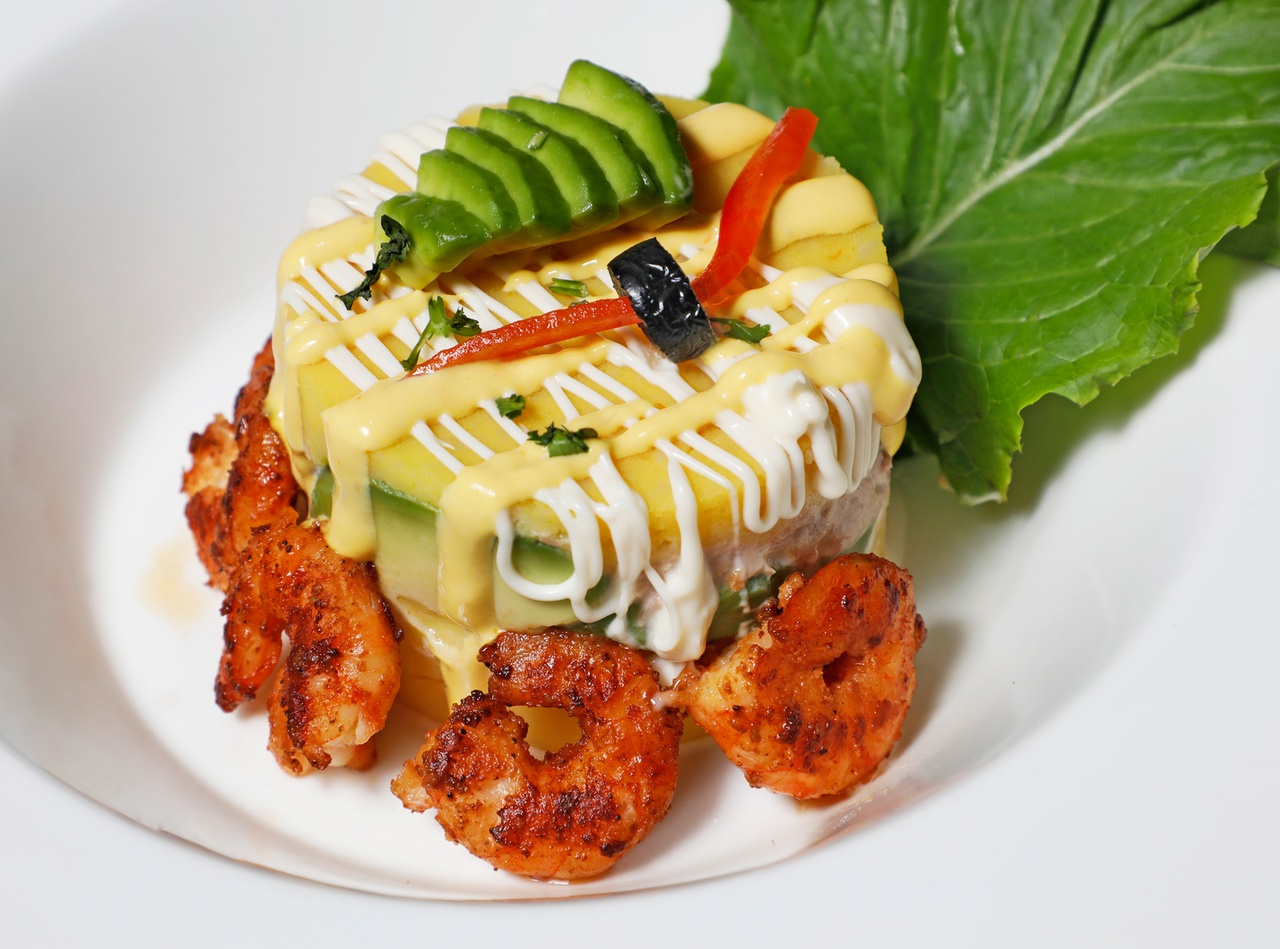
Another standout was causa rellena — a colorful layered dish made of mashed Peruvian yellow potatoes, filled with tuna mixed with mayonnaise, yellow chili, lemon and mashed avocado, topped with avocado slices. The texture was all softness, but the taste was packed with dynamic flavors.
Chef Silva studied engineering before switching paths and enrolling in culinary school to pursue his passion for cooking. He got married to his childhood friend Jhein Arroyo Silva, now his wife, while she was visiting her hometown in Peru from Korea, where she had been living for some time. The couple eventually moved together to Korea, and it was years later that the couple opened their own restaurant in 2016.
In the past, most of its customers were foreigners, but Jhein says they are now seeing more and more "Koreans coming in for the authentic taste.” Thanks to its growing popularity, a second location opened on Aug. 15 nearby.
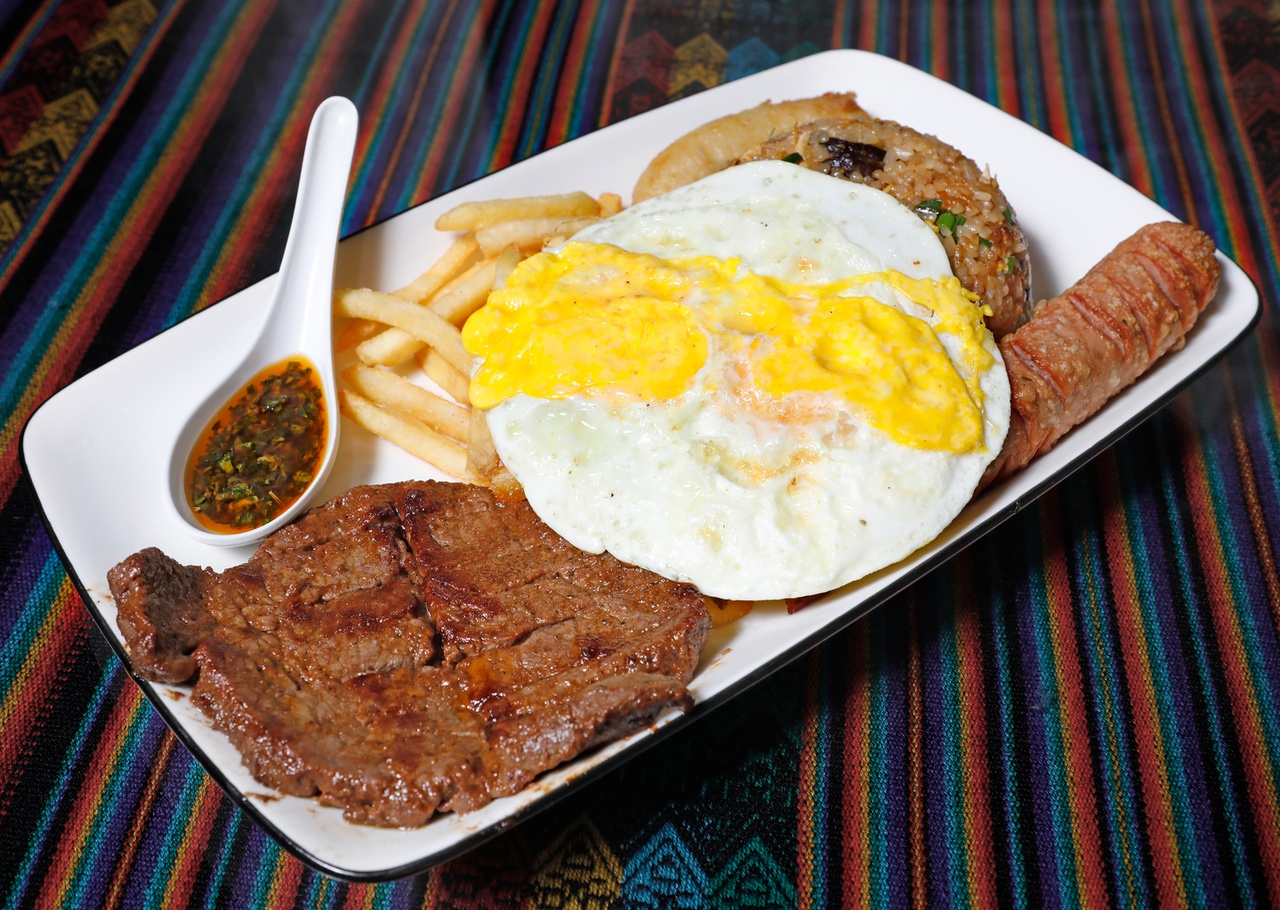
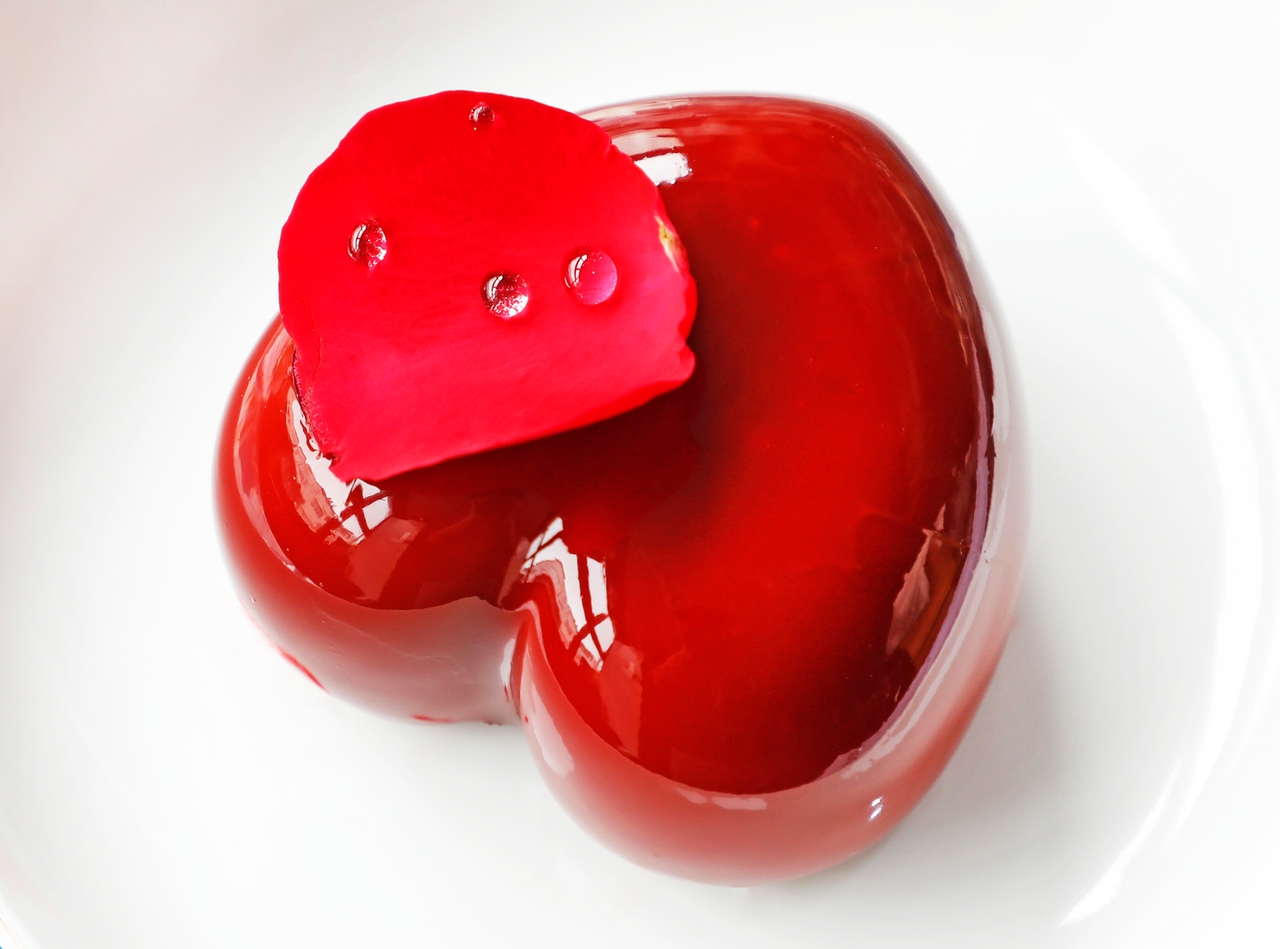
For those with big appetites, go for the parrichaufa — a hearty plate of beef, vegetable fried rice topped with a fried egg, fried sausage, French fries and plantains. The fried rice is flavorful on its own, but a spoonful of chimichurri sauce adds balance. The beef is more like seasoned ground meat with a soy sauce flavor that goes well with the rice. Pair the meal with a pisco sour, Peru’s national cocktail. Made with pisco — a Peruvian spirit — lemon juice, finely crushed ice and a splash of egg white that creates a foamy top, it’s refreshingly tangy.
Some flavors can’t be taught — they have to be lived. At Ceviche 210, the taste of Peru runs deep from a chef who grew up eating and loving them, offering the kind of authenticity that’s hard to find, even in Itaewon.
Located on Shopping-ro 12 in Pyeongtaek, the restaurant is open from 11 a.m. to 10 p.m., except on Tuesdays.
BY WOO JI-WON [woo.jiwon@joongang.co.kr]