For the season’s most coveted invitation: Items that are purple and Korean to wear for BTS
Forget black ties; it’s a purple-tassel affair.
If you are one of the lucky ARMY getting ready to greet BTS at its March 21 comeback performance at Gwanghwamun Square in central Seoul — or planning to welcome the boys when they land in your hometown — you know the moment calls for an outfit worthy of the occasion.
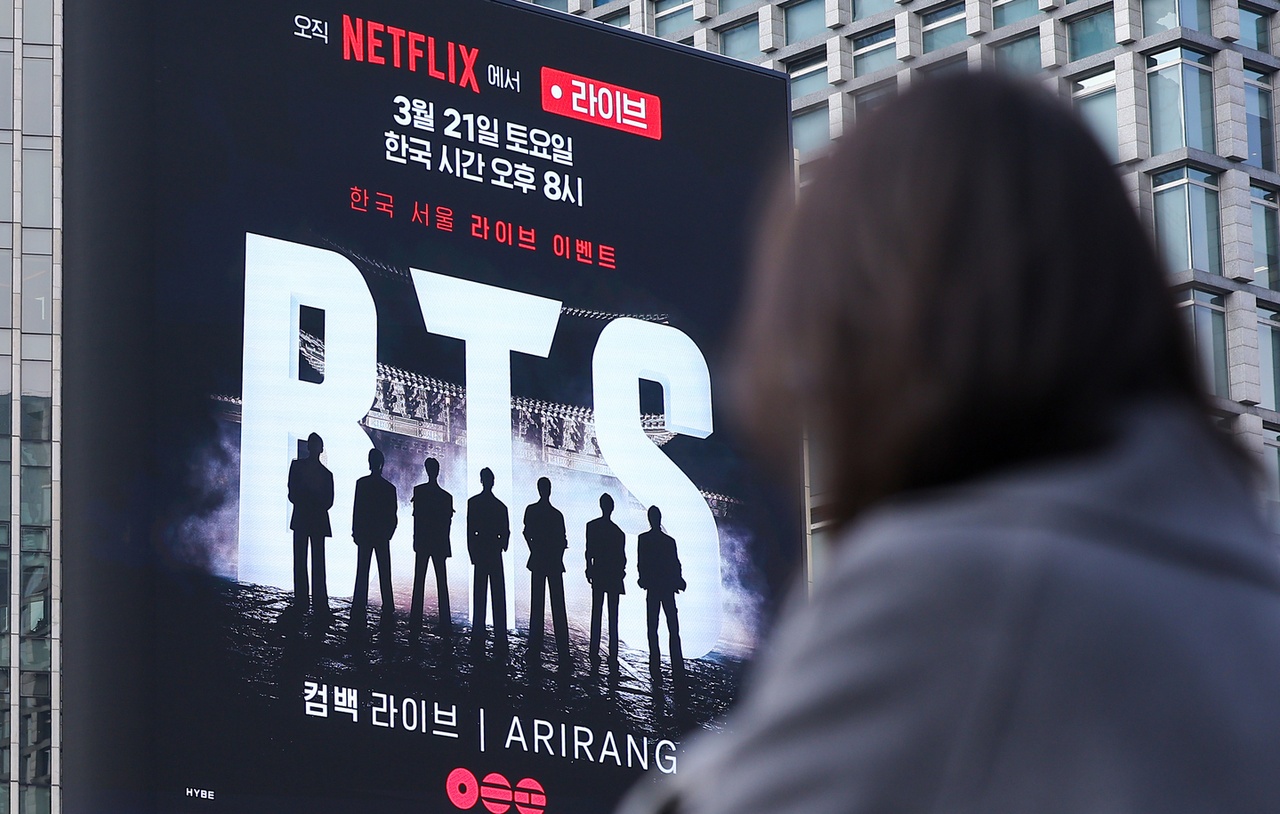
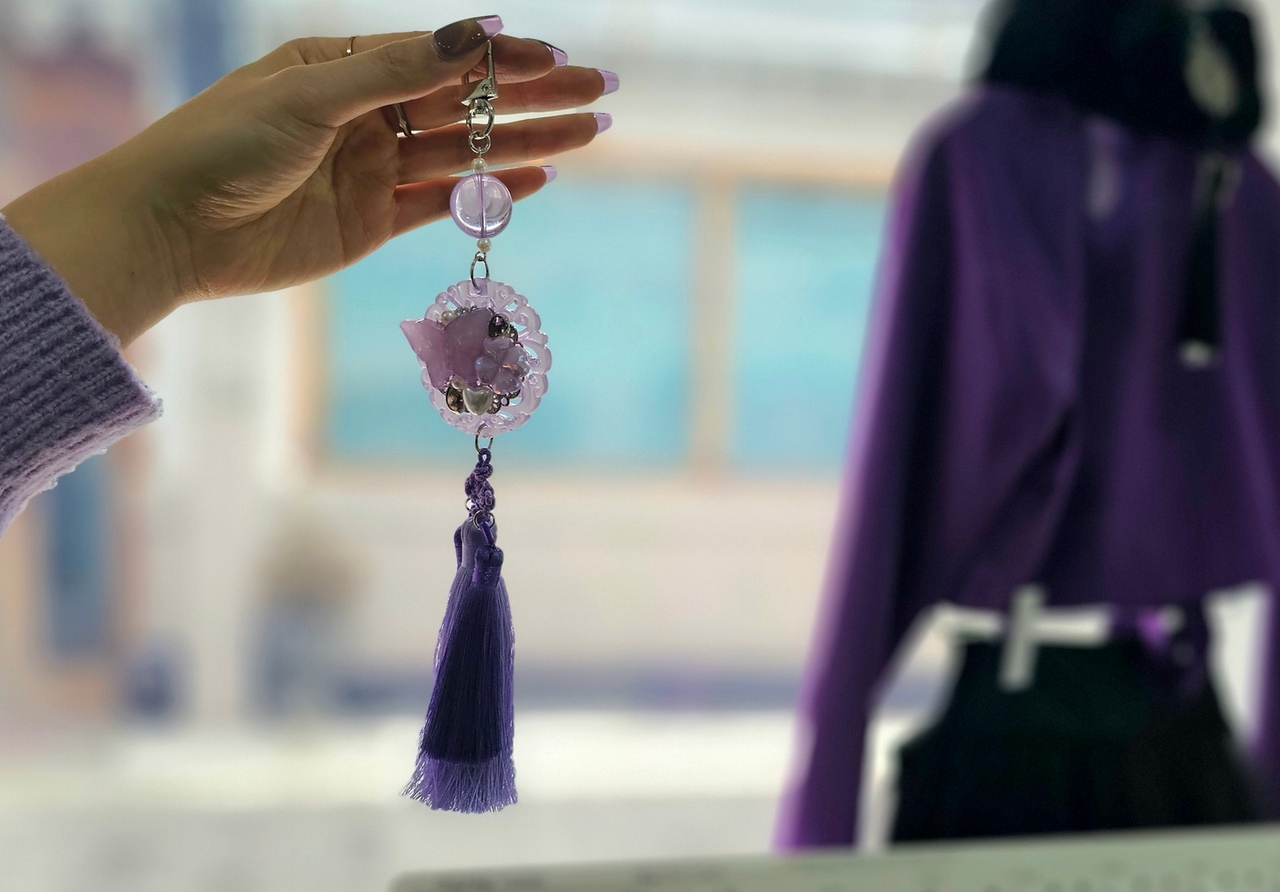
Following the announcement of the Gwanghwamun performance, many fans have taken it upon themselves to prepare with a dress code that blends purple, the color long associated with BTS, or red, which is the core palette of the group’s upcoming fifth album “Arirang,” with traditional Korean aesthetics. The theme fits naturally, given that “Arirang” is the name shared by a collection of beloved Korean folk songs often dubbed the country’s unofficial national song.
Handy fans were quick to design their own traditional accessories, such as daenggi, silk hair ribbons, and norigae, decorative tassels, incorporating BTS-inspired motifs and sharing them online.
BTS’s agency, BigHit Music, has also leaned into the theme, announcing a collaboration with the National Museum Foundation of Korea to launch pop-up stores selling merchandise inspired by traditional Korean aesthetics, including patterned pouches and key chains featuring the “Arirang” logo.
For those looking to add a subtle Korean touch rather than go all in with a full hanbok, here are a few traditional accessories worth considering before the big day.
Norigae
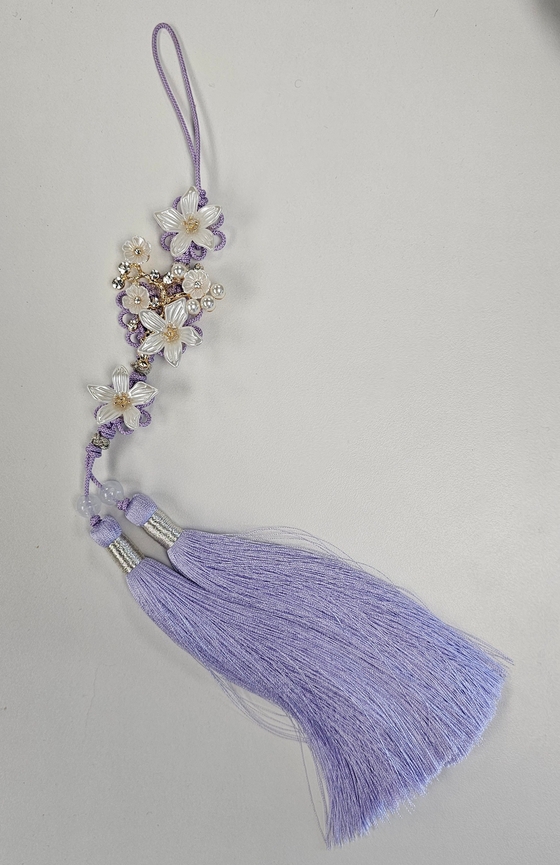
A norigae is a decorative tassel accessory traditionally worn by women during the Joseon Dynasty (1392-1910), which can feature elaborate knots, embroidered silk, metal ornaments or small gemstones such as jade. Beyond decoration, it was also believed to bring good fortune or ward off bad luck.
Recently, the accessory has drawn global attention after appearing in the hit animated film “KPop Demon Hunters” (2025).
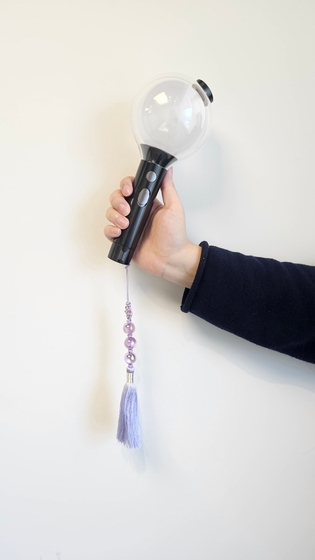
Today, norigae makes an easy and stylish addition to modern outfits, as it can be clipped to a jacket, hung from the back or even tied to an ARMY Bomb light stick, adding a small but distinctive Korean touch.
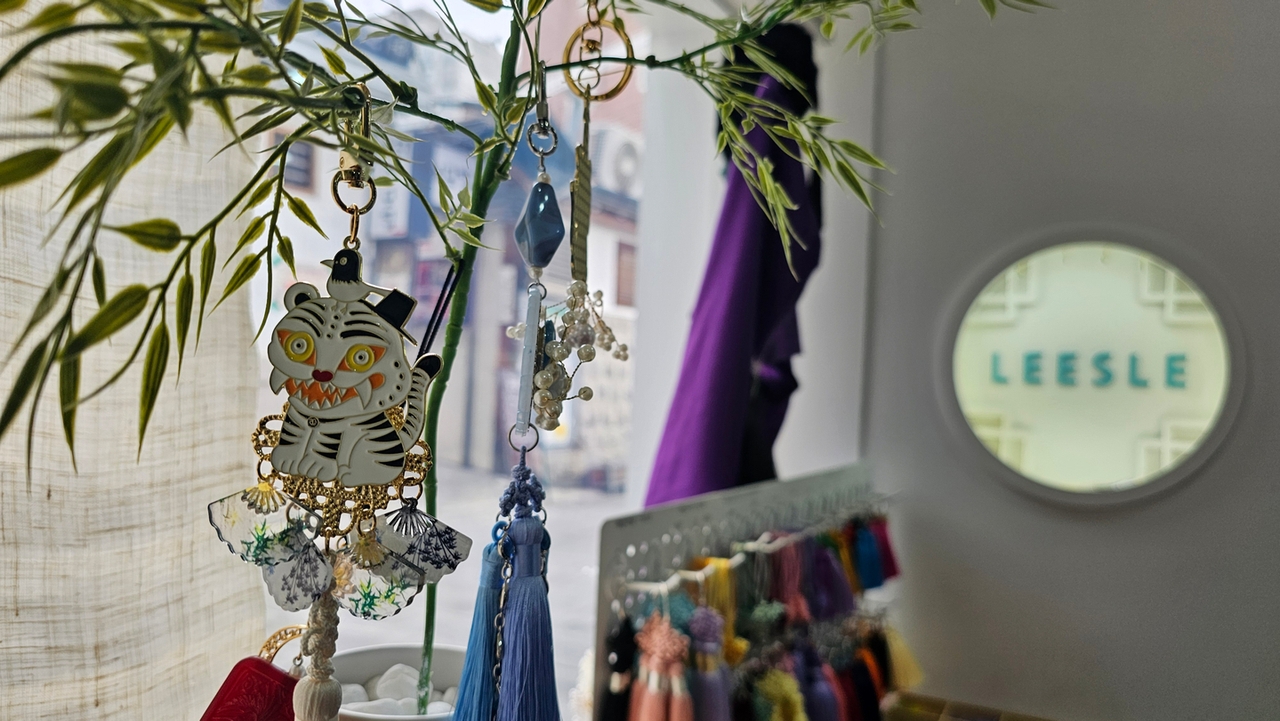
Fans who want to get creative can even make their own. Modern hanbok brand Leesle offers norigae-making experiences at its branches in Insa-dong, Jongno District in central Seoul and in Hongdae, western Seoul, where participants can craft a key chain inspired by their favorite K-pop stars.
Sultti
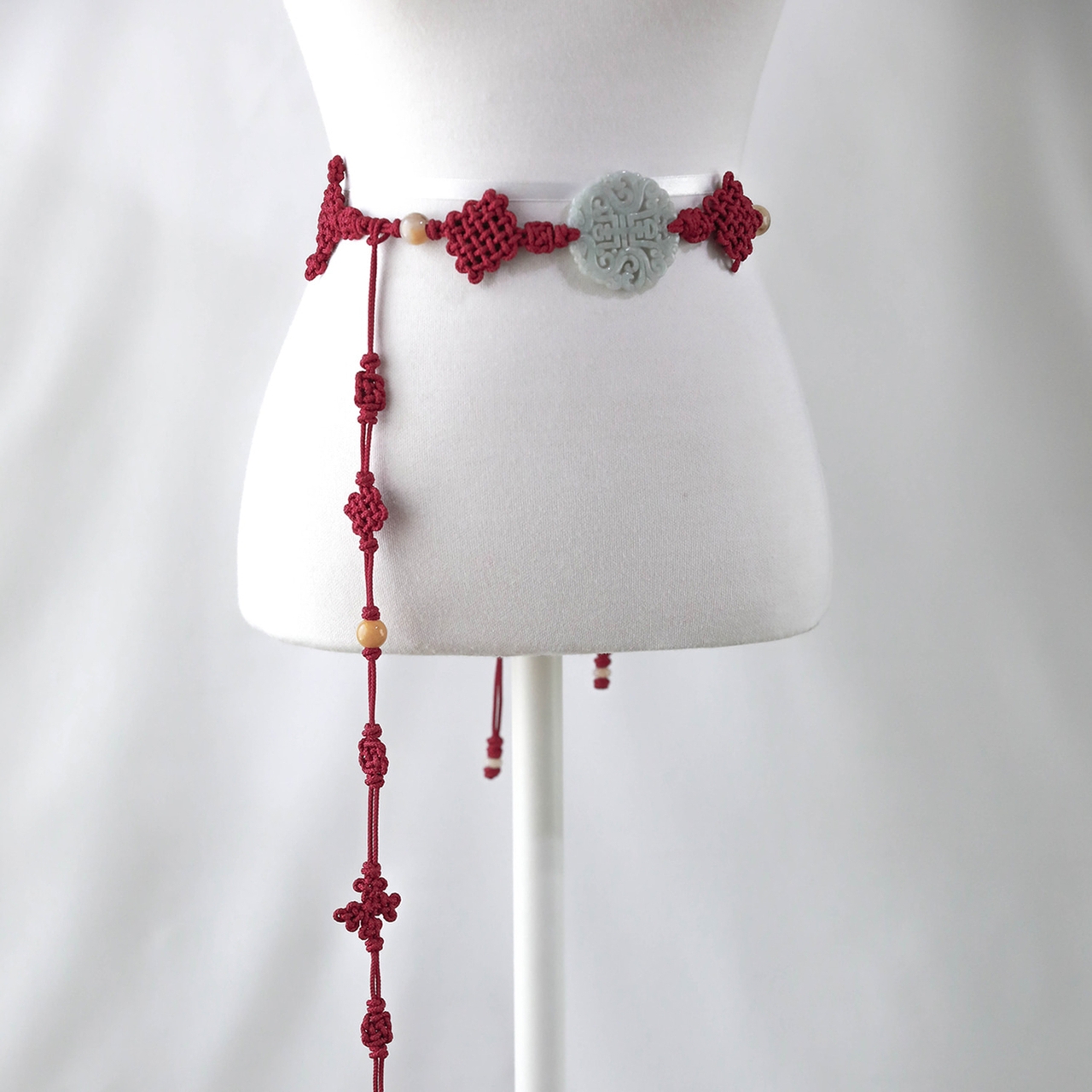
If you are looking for something more unusual, a sultti may offer a striking Korean accent.
The accessory is a belt once worn by men during the Joseon Dynasty. At the time, the long, flowing outer garments of traditional hanbok needed to be tied at the waist, and the sultti served both a practical and decorative role. Many versions available nowadays feature a jade centerpiece engraved with Chinese characters symbolizing longevity or happiness.
You can find sultti belts at many traditional accessory shops. A particularly good place to browse is Gwangjang Market, one of Korea’s largest traditional marketplaces, about a 10-minute bus ride from Gwanghwamun Square, and an ideal place if you want to sample classic Korean street food along the way.
Hair accessories
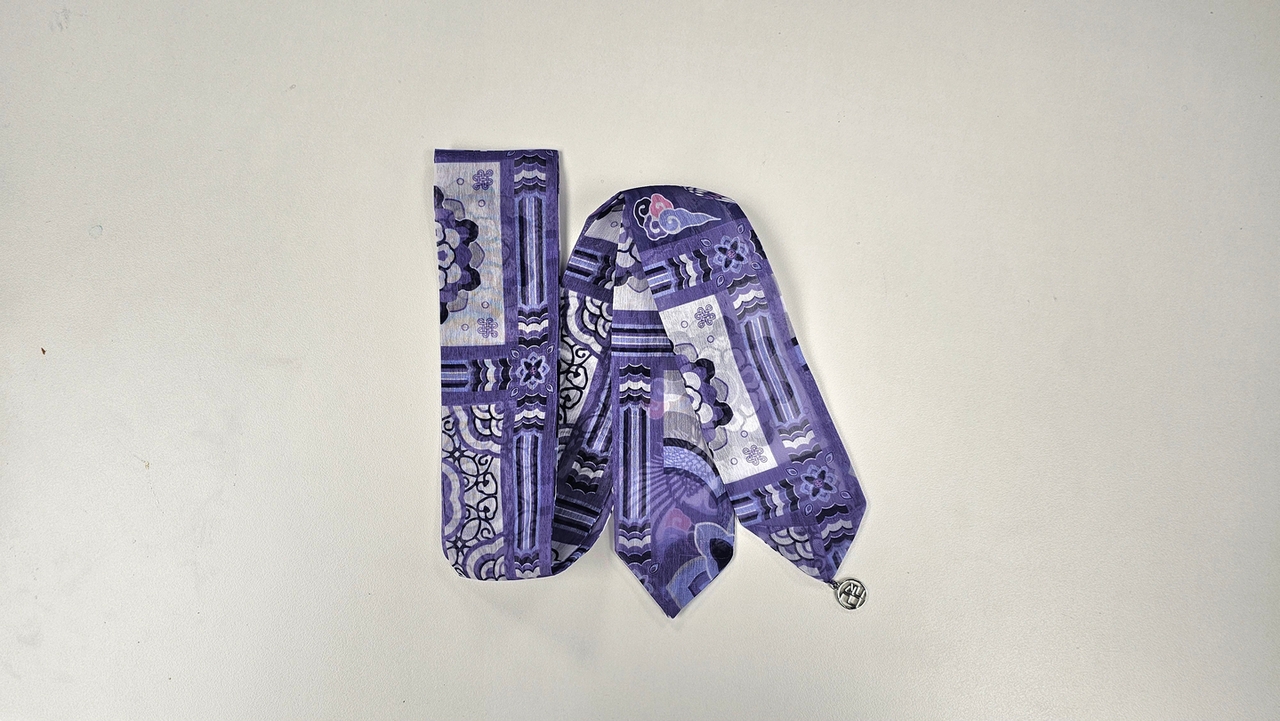
Among traditional hair pieces, daenggi are perhaps the most recognizable. These ribbon hair ties are typically made of long strips of fabric, such as silk, sometimes decorated with embroidery or patterns and finished with small beads or ornaments.
Traditionally, a daenggi was tied at the end of a long braided hairstyle, but today it can easily be woven into a braid, tied as a bow or attached to a bag or light stick.
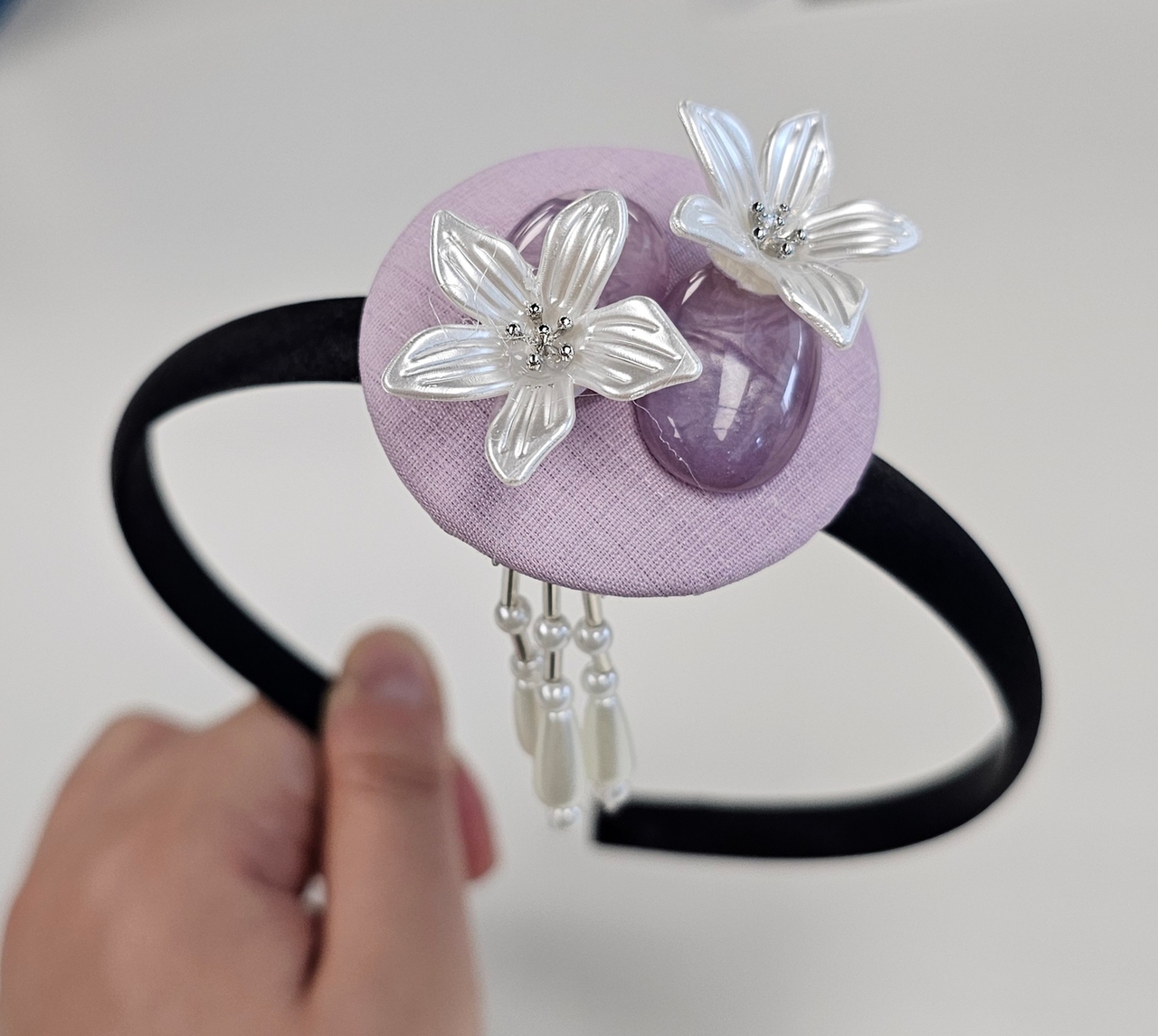
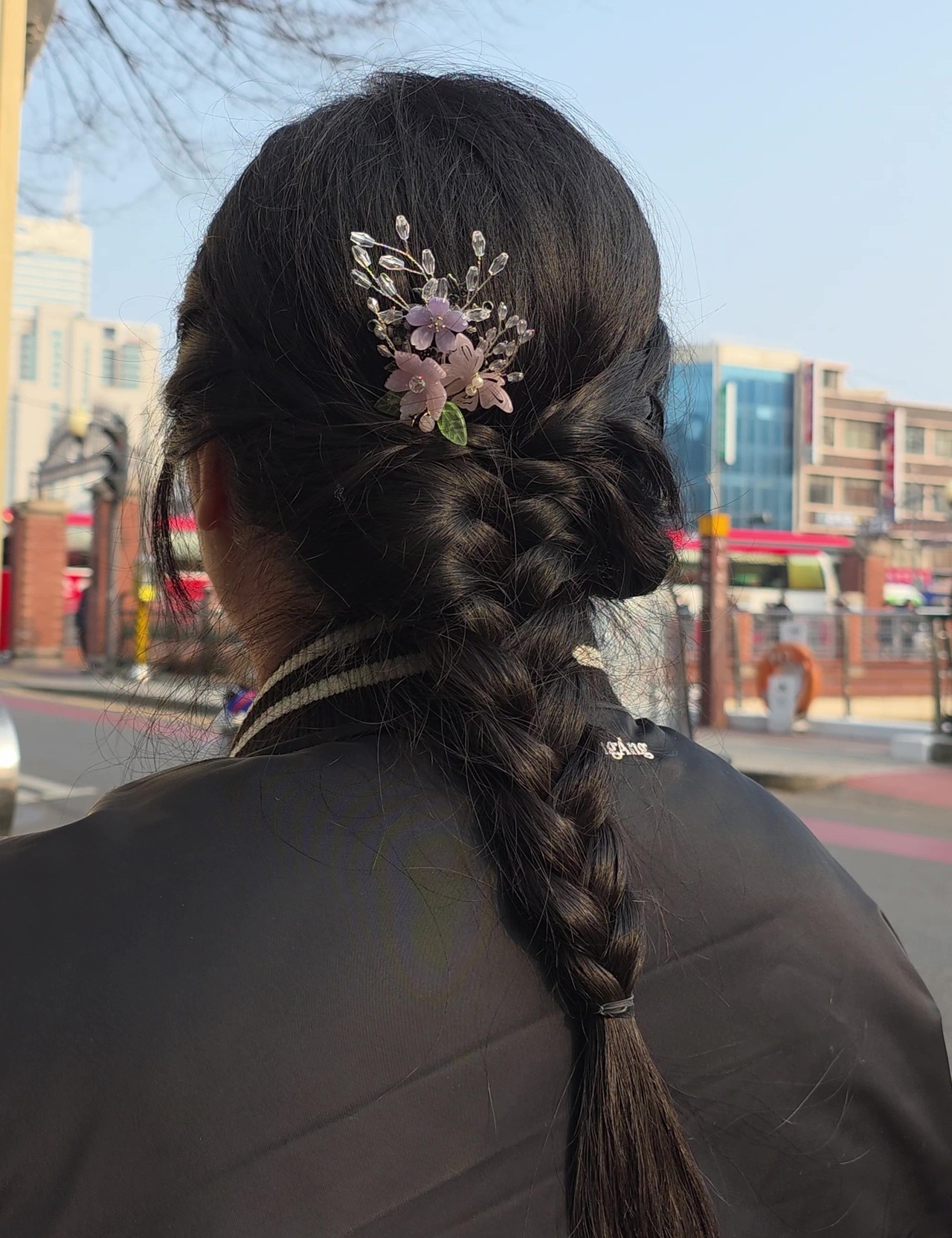
If you're looking for something different, you might want to opt for a hairband inspired by baessi daenggi, a type of ribbon accessory worn by young girls that has a small piece of cloth in the middle, or by jokduri, a small, crown-shaped headpiece. Another simple option is the dwikkoji, a decorative hairpin that can be easily slipped into a bun or tied hair for a subtle finishing touch.
Many hanbok rental shops near Gwanghwamun Square offer hairstyling services with a variety of traditional hairdos and accessories — an easy way to transform yourself into a Joseon-era fashion icon for the day.
BY SHIN HA-NEE [shin.hanee@joongang.co.kr]