In today's cutthroat K-pop world, this agency CEO aims to focus on artists' well-being
[Interview]
In today's world, K-pop has become more than just simply Korean pop — and agencies have become more than just purveyors of music.
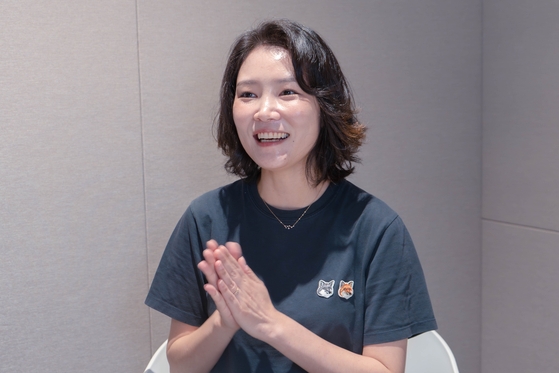
For Michelle Cho, CEO and co-founder of Singing Beetle who cut her teeth at SM Entertainment before launching her own agency, K-pop is not just about sound, language or geography. It’s about infrastructure.
And, more often times than not, it can come at a cost to the young artists inside it.
“K-pop is a genre defined by its production, management and marketing system,” Cho said during an interview with the Korea JoongAng Daily on July 24.
It is a highly structured production process where artists are nurtured based on potential, rather than simply discovered, which Cho described as “a form of education.”
Cho speaks from experience. Before launching her own agency in 2019, she spent four years at SM Entertainment working in its artist and repertoire division, which oversees the discovery and development of music and talent. She is also a songwriter who previously worked with various K-pop acts, including X1, Baekhyun, Kai, and NU’EST — and was named as an Obama Foundation next-generation leader in 2020.
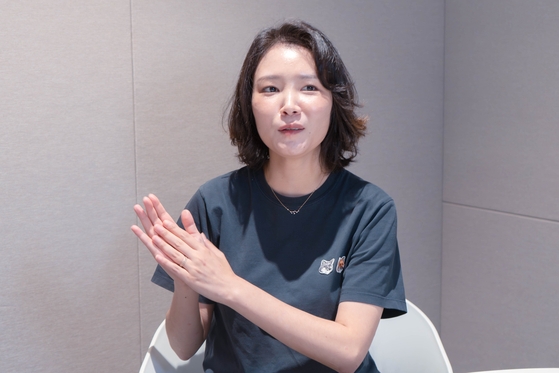
Her academic background, however, comes as a twist: Cho holds a master’s degree in education policy from Harvard — a unique combination that shaped much of her philosophy at Singing Beetle.
Beyond all the glitz and glamor of K-pop, Cho says, lies a harsh reality: an industry where young stars are thrust into environments of intense scrutiny and relentless expectations.
“As a producer and consumer of music, I got so much joy through it,” Cho said. “So it was devastating to watch the artists that gave me such joy struggle with mental health issues such as depression.”
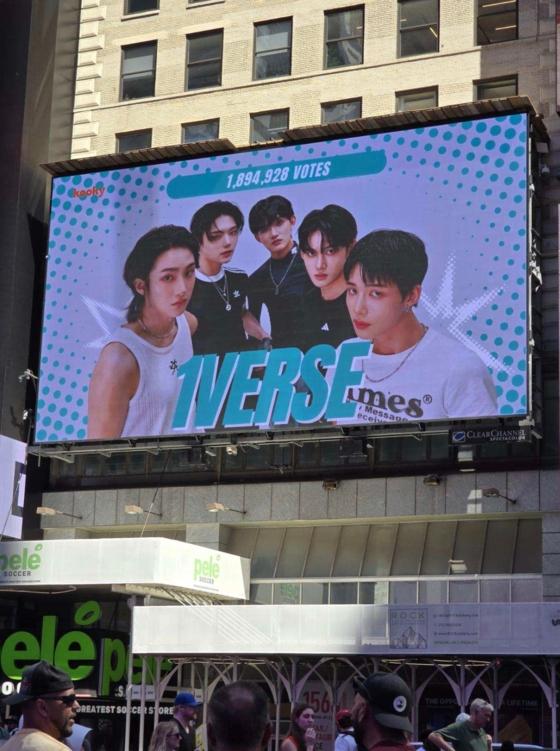
Now, Cho is debuting her first idol group under Singing Beetle: a five-member boy band, 1Verse. And Cho is determined to do things differently.
Her vision for the group centers on something rarely prioritized in the industry: happiness. And not just for fans, but also for artists and staff behind the scenes as well.
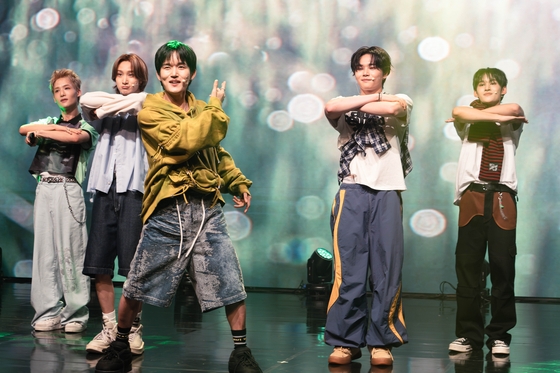
“K-pop artists have enormous influence on younger populations,” she said.
“The 1Verse members will sometimes face moments of despair — they already have on their journey so far — but I wish them to be happy in this work, which will ultimately make the audience feel seen and happy as well.”
Singing Beetle’s blueprint reflects Cho’s hybrid background in music and education, and that philosophy takes on deeper meaning given the group’s makeup.
1Verse includes members from diverse cultural backgrounds, with two of them, Seok and Hyuk, having escaped from North Korea.
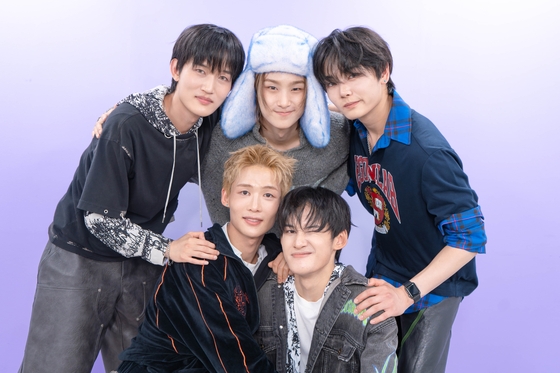
Seok, in particular, has been sharing his mental health journey in a YouTube series called “Seok’s Mental Health Diary,” where he speaks candidly about his experiences with anxiety.
“Seok is still on that journey,” Cho said. “Being able to talk about it openly has helped him feel like, ‘It’s just part of my experience.’ His story also resonates with fans, who feel seen watching his journey, which also helps Seok realize he’s not alone.”
Creating a space where artists feel safe enough to voice those struggles is central to Singing Beetle’s culture, she said.
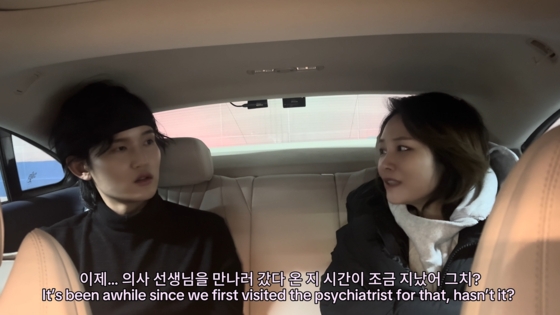
To that end, Singing Beetle implemented emotional support systems for artists, including regular training sessions on mental health awareness and cultural sensitivity to motivate and educate them.
Staff members are also encouraged to share how they’re feeling through a “traffic light” system — indicating their current mental health state with red, yellow and green — as a way to foster openness and psychological safety within the company, which its co-founder and chief financial officer Joe Lim proposed.
The approach is as intentional as it is personal for Cho.
“I wish K-pop artists to be able to have long and lasting careers without mental health struggles,” Cho said, reflecting on her journey in the industry so far.
Launching a K-pop idol group has always been on her mind since Cho first founded Singing Beetle in 2019, but she didn’t expect it to happen so soon. That changed in 2021, when Hyuk joined the company as a trainee.
When Cho first met Hyuk, he was working in a factory, having left North Korea in 2013. He was the first to join Singing Beetle as a trainee — the catalyst for what would become 1Verse four years later.
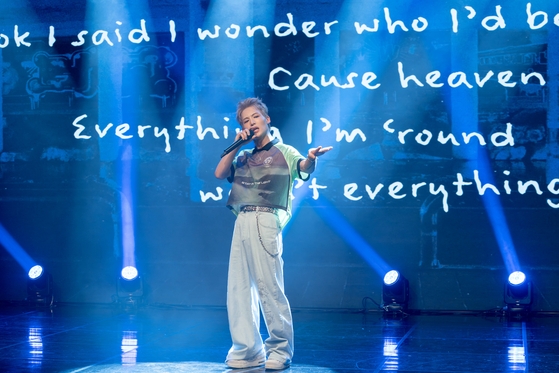
“I could see real potential in Hyuk when I first heard him sing,” Cho said, reflecting on her first encounter with the rapper. “Whether as a producer or a performer, there was something there, and that’s how I ended up casting him.”
Now, as the leader of 1Verse, Hyuk, along with the rest of the members, plays an active role in the group’s creative process. Such deep involvement from the artists in various aspects, from songwriting and choreography to visual concept design, is part of what gives the group its edge, Cho said.
“Being a fan of someone involves an immense amount of emotional connection,” she said, reflecting her own experience as a passionate fan of first-generation girl group Fin.K.L.
“There’s no pretentiousness in how 1Verse members present themselves,” Cho said with a smile. Such authenticity is shown in the music they create, which ultimately helps foster a deep emotional connection with their fans.
1Verse is currently setting its sights on the global stage, especially the U.S. market, where the group has already been building a solid fan base through active social media engagement and content.
While Cho hopes to make Singing Beetle a company that artists want to renew their contracts with, Cho also holds onto a more personal, long-term dream.
“I want to build a school someday,” she said. “A place where students can learn to think independently, understand what they truly want and find their own path.”
She smiled, recalling a promise Hyuk once made: “He said he’d come teach rap classes there.”
BY SHIN HA-NEE [shin.hanee@joongang.co.kr]