Korea pushes to tip weight loss drug market scale in their favor
Korean pharmaceutical companies are accelerating their push into the global obesity drug market as demand surges worldwide. This has sparked fierce competition among key players like HK inno.N, Ildong Pharmaceutical, Celltrion and Hanmi Pharmaceutical, who has an exclusive distribution deal in Mexico for its yet-to-be-launched product.
Hanmi Pharmaceutical signed an agreement on Jan. 27 with Sanfer, Mexico’s largest privately owned pharmaceutical company, to distribute efpeglenatide, an obesity drug that has not yet entered the market.
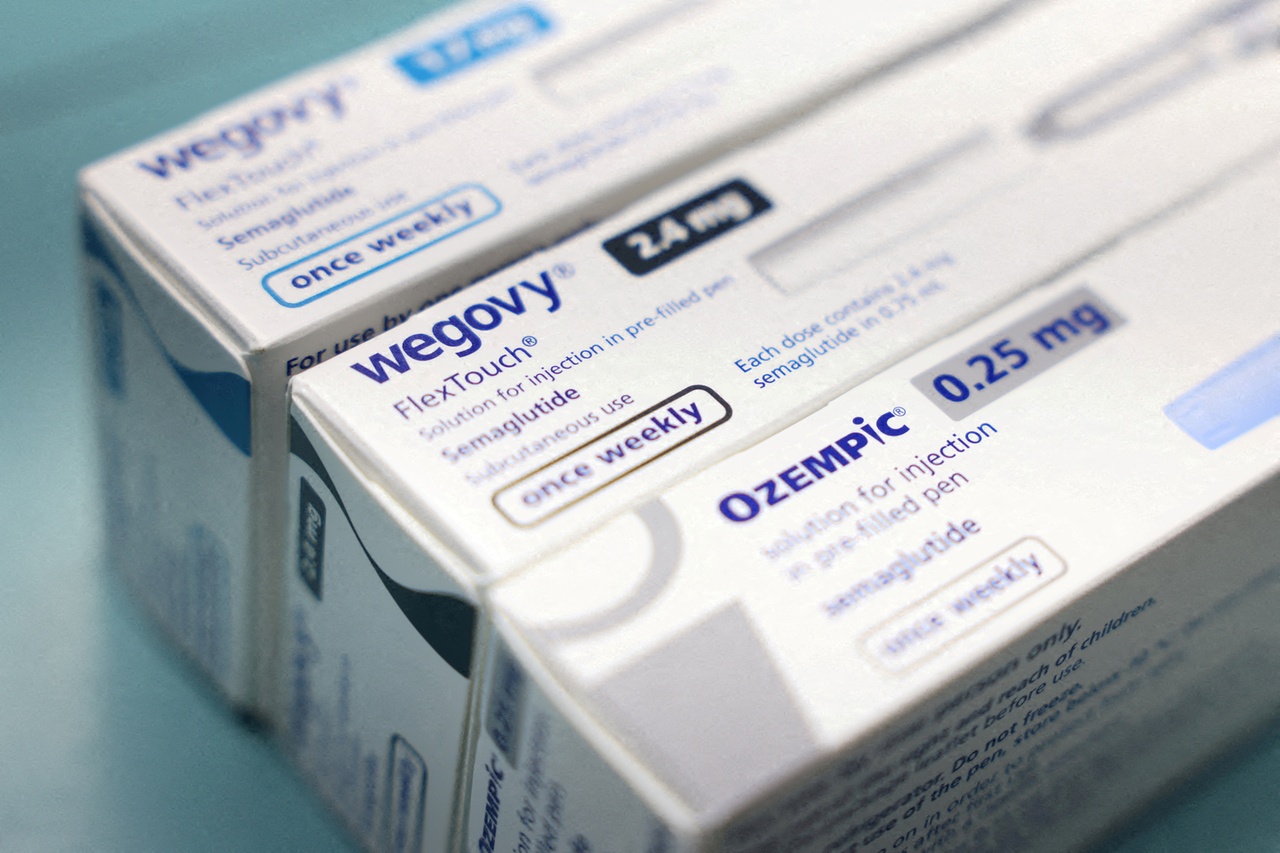
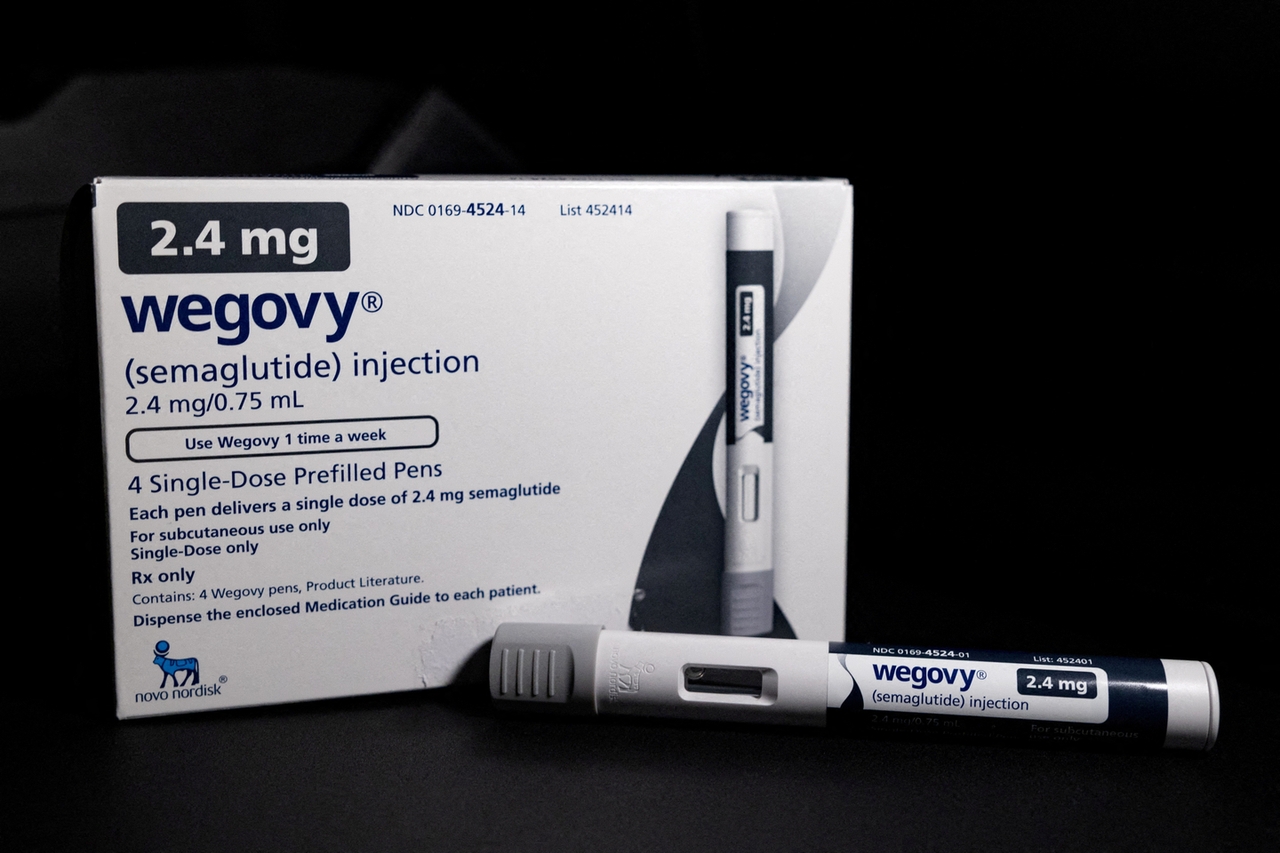
The drug falls into the same GLP-1 category of obesity treatments as Novo Nordisk’s flagship Wegovy. GLP-1 is a hormone that helps regulate blood sugar and appetite by increasing feelings of fullness.
Hanmi Pharmaceutical aims to launch efpeglenatide in Korea in the fourth quarter of this year. The company submitted an application for marketing approval to the Ministry of Food and Drug Safety late last year.
Sanfer also plans to begin sales in Mexico later this year after completing approval procedures with the Federal Committee for Protection from Sanitary Risks.
“Mexico is one of the countries with the highest obesity rates, at around 37 percent,” a Hanmi Pharmaceutical representative said. “The deal shows that the Mexican market values Korea’s first GLP-1 obesity treatment."
Global obesity drug boom
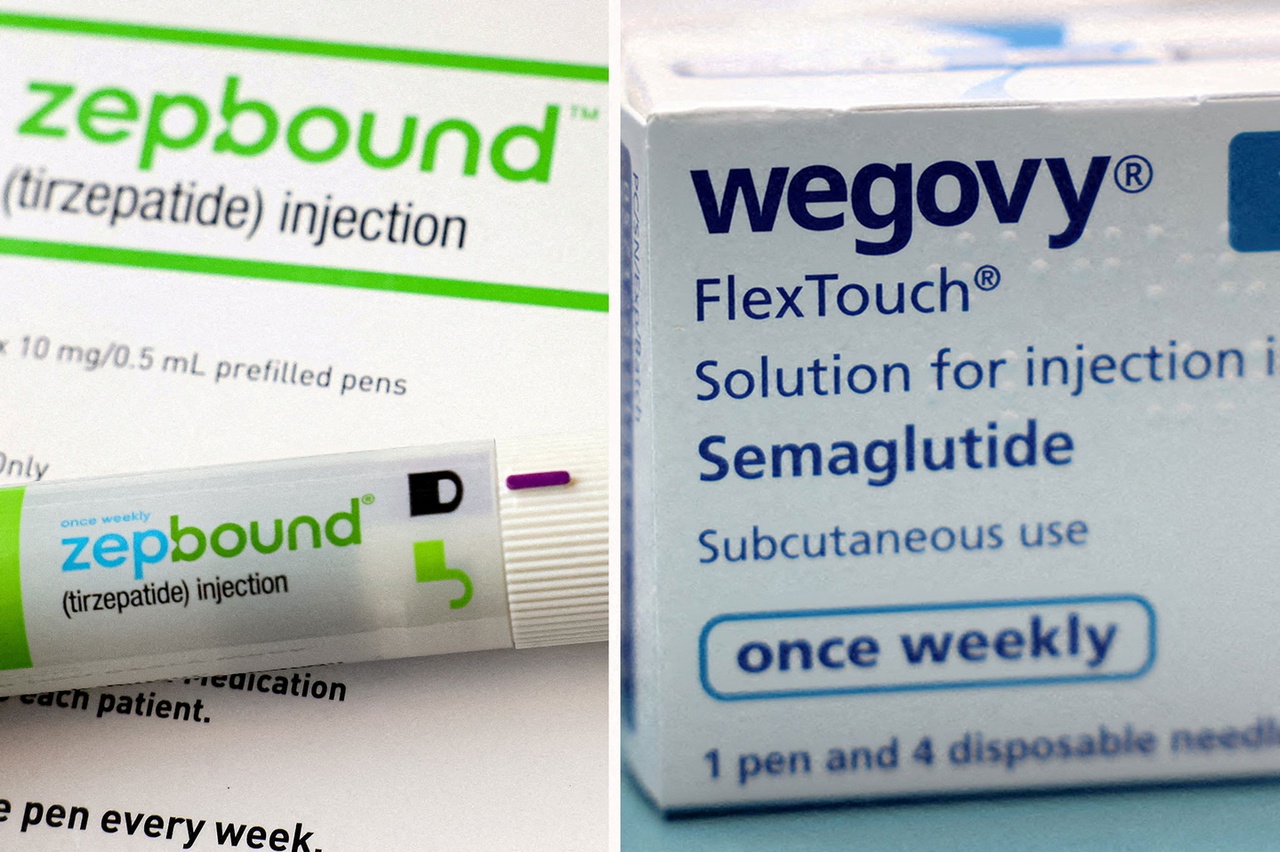
The global obesity drug market has expanded rapidly as demand for treatments outpaces supply. Leading products such as Wegovy and Eli Lilly’s Mounjaro have struggled to keep up with demand.
The market reached about $30 billion last year and is expected to grow at an average annual rate of about 30 percent to reach $200 billion by 2030, according to healthcare data company Iqvia.
Mounjaro ranked as the world’s top-selling prescription drug last year, followed by Wegovy. Sales totaled about $35.9 billion for Mounjaro and $35.6 billion for Wegovy, according to Bloomberg.
Merck’s cancer drug Keytruda, which had held the top position for two consecutive years, slipped to third.
“The treatment paradigm for obesity and metabolic diseases signals a structural shift away from a market long dominated by cancer drugs,” said Kwon Hae-soon, a researcher at Eugene Investment & Securities.
Competition between Mounjaro and Wegovy has further fueled growth in the global obesity drug market. Mounjaro overtook Wegovy, the former market leader, by offering a broader treatment approach and ramping up supply. Eli Lilly has also invested about $23 billion to expand its production facilities since 2020.
After losing momentum following a miscalculation of Wegovy demand, Novo Nordisk has sought to reshape the market by launching a pill form of Wegovy in the United States.
The once-daily pill is more convenient than injectable treatments. Eli Lilly has also stepped up competition by seeking U.S. Food and Drug Administration approval for a pill form of Mounjaro, known as orforglipron.
Korean drugmakers target overseas expansion
Korean pharmaceutical and biotech companies have begun to view obesity drugs as a key growth engine, developing treatments based on domestic clinical trials that reflect Korean obesity standards, which define obesity as a body mass index of over 25, five points lower than the U.S. threshold.
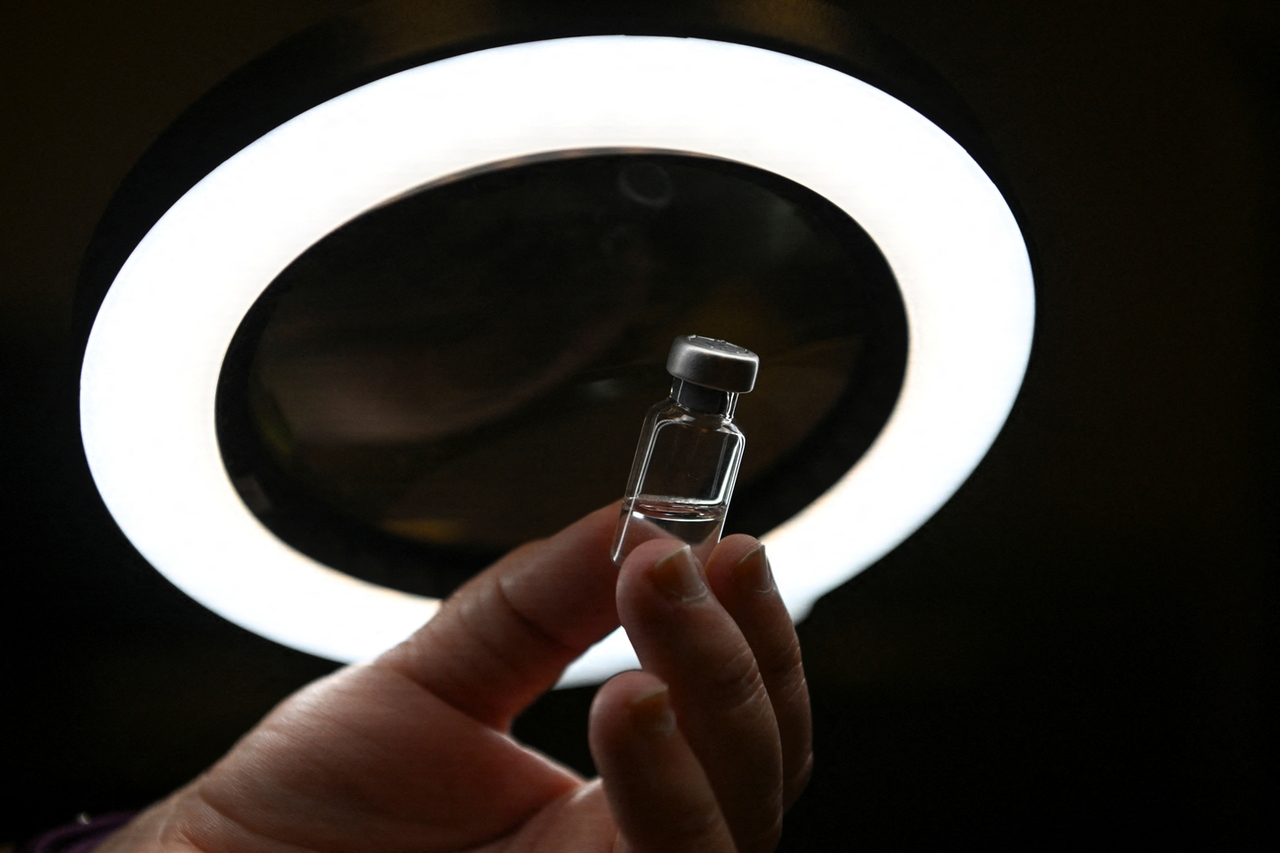
HK inno.N recently completed enrollment for a domestic phase three trial of a once-weekly injectable obesity drug, filling all 313 trial participant slots within four months after enrolling the first patient in September last year. The company plans to complete the 40-week dosing period this year and apply for regulatory approval early next year.
Competition has also intensified in pill-based obesity treatments.
Ildong Pharmaceutical, through its subsidiary Yunovia, is developing a pill-form drug and is preparing to enter Phase 2 trials, with the goal of global technology licensing.
Celltrion is developing both injectable and pill-based obesity treatments, while Sam Chun Dang Pharm is working on a pill-based GLP-1 category product and has secured distribution channels through supply agreements with Japanese and European drugmakers.
Alteogen is also developing a long-acting obesity treatment designed to sustain weight loss over extended periods.
China emerges as key competitor on price
GLP-1 drugs remain in short supply and carry high price tags, limiting their use in developing countries. Korean competitors are looking to take advantage of this market gap and expand overseas by positioning themselves as more affordable alternatives.
But against this backdrop, China has emerged as the most significant competitor for Korean drugmakers by using its large domestic market and expansive clinical infrastructure to accelerate development. More than 60 obesity treatments in the GLP-1 category are currently in late-stage clinical trials in China, according to pharmaceutical and biotech industry sources.
Chinese companies also hold an advantage in pricing.
Innovent Biologics, which launched China’s first domestically developed obesity drug Mazdutide last June, cut its price by about 40 percent earlier this year. The monthly cost of a 2-milligram dose fell from 1,600 yuan ($220) to about 900 yuan.
More "generic" or biosimilar GLP-1 obesity treatment products are expected to enter the Chinese market later this year as Novo Nordisk’s semaglutide patent, which covers the active ingredient used in Wegovy, expires in China.
“Markets in Latin America such as Mexico and in the Middle East, including the United Arab Emirates, are closely watching Korea’s obesity drug development,” a pharmaceutical industry official said. “The outlook for exports also remains positive. Even if China competes aggressively on price, Korea retains an edge in medicines where safety and trust matter."
BY KIM KYUNG-MI [paik.jihwan@joongang.co.kr]