New JTBC drama 'We Are All Trying Here' reminds audience 'you're not alone'
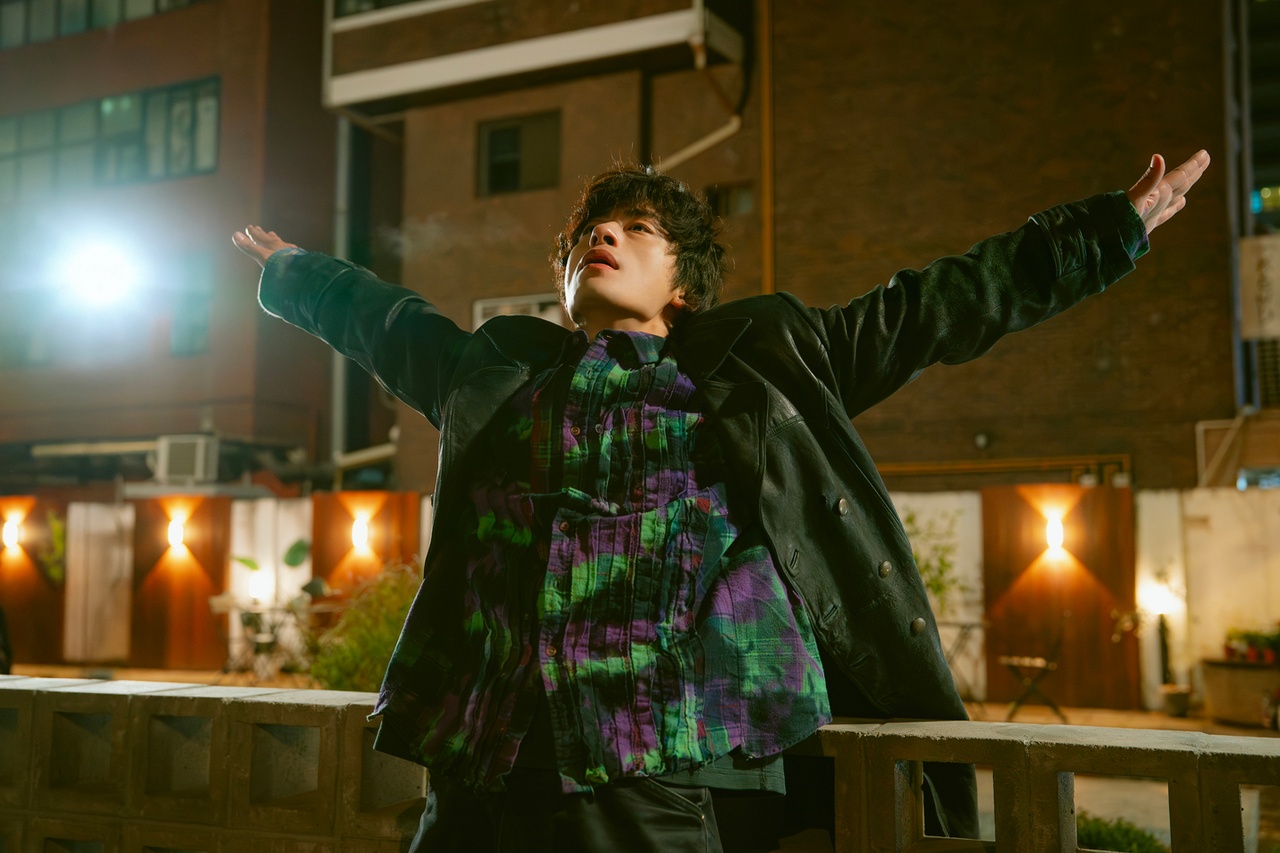
There were once eight people in their 20s who loved films and dreamed of making them. Back in their club room, they would critique others’ work and read screenplays together. After 20 years, the members of this group had all found their place in the film industry as directors and producers — all except one, Hwang Dong-man, the aspiring director, who had written 14 screenplays over two decades but had yet to make a single film.
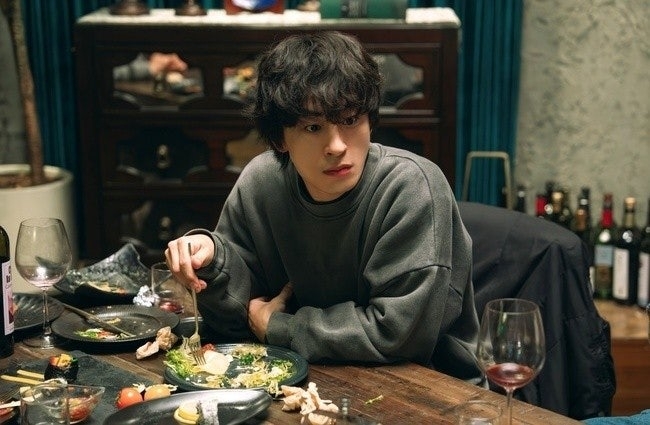
Dong-man never misses the group's gatherings and makes sure to stand out at each one. He repeats the same stories over and over, talks nonstop while devouring food and strains to draw attention.
This is the premise of JTBC’s latest drama “We Are All Trying Here,” which has been on air since April 18.
The series is the latest work by writer Park Hae-young, known for “Another Miss Oh” (2016), “My Mister” (2018) and “My Liberation Notes” (2022), and is directed by Cha Young-hun, who previously helmed “When the Camellia Blooms” (2019) and “Welcome to Samdal-ri” (2023).
The show features actors Koo Kyo-hwan, who plays the aspiring director, Dong-man, Go Young-jung as Byeon Eun-a and Oh Jung-se as Park Gyeong-se.
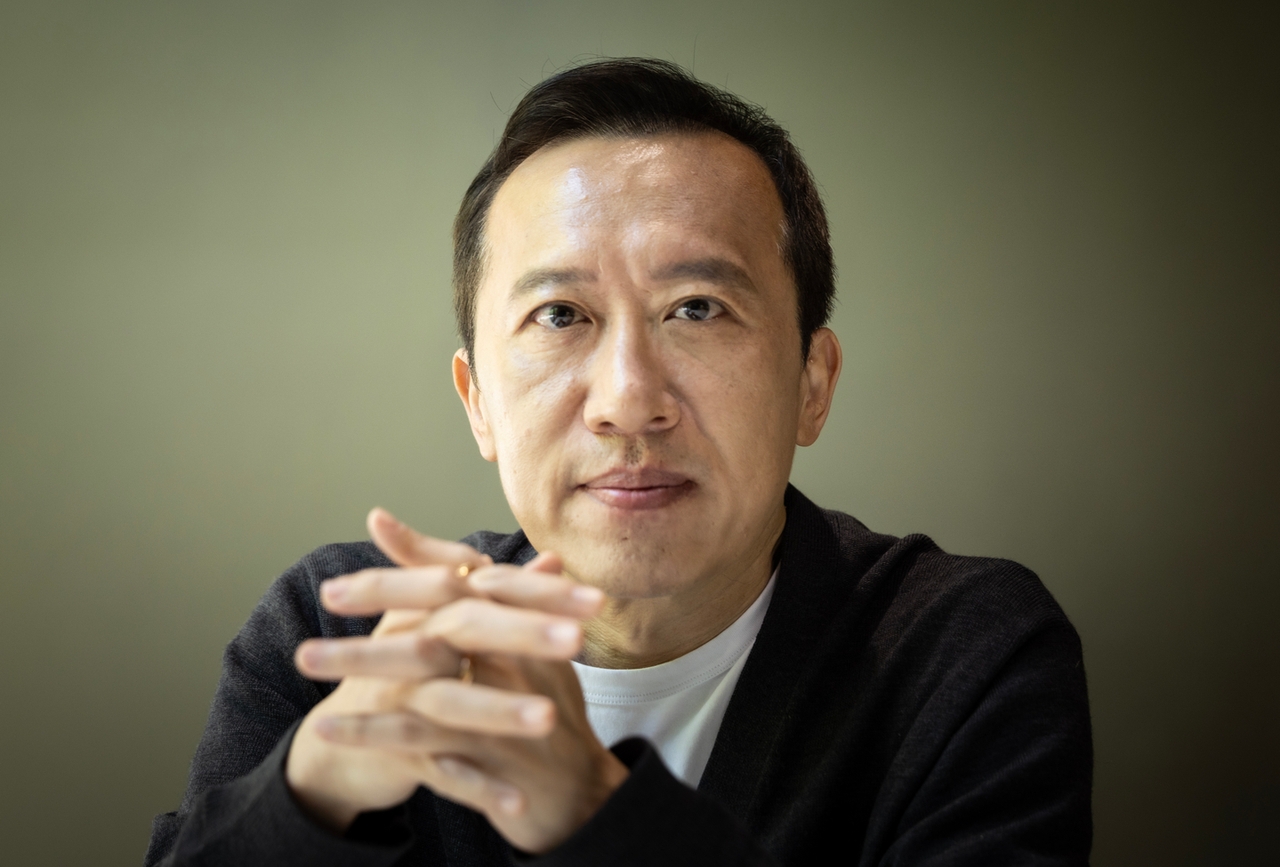
While its ratings have hovered around 2 percent, according to Nielsen Korea as of April 29, the drama has drawn buzz by topping Netflix’s Top 10 series chart in Korea. After four of the 12 episodes had aired on April 26, the director sat down with the JoongAng Ilbo at its building in Sangam-dong, western Seoul.
“I got a call from writer Park Hae-young in February last year,” director Cha said. “She asked if I wanted to work on her next project. I remember thinking, ‘Me? Really?’”
The scripts for the first two episodes were titled “We Are All Trying Here.” Curious about the unusual name, the director began reading — only to find himself repeatedly struck by the dialogue.
“‘Why do I have to live how you want me to?’ ‘You're someone with a thousand open doors.’ Lines like these felt like they left a mark on my heart,” he said.
“They’re not things you’d normally hear in everyday life, but they resonate when spoken by a character in a drama, which is the power that Park Hae-young’s works have.”
The way Dong-man was portrayed in the script felt unfamiliar to the director.
“He’s not the kind of male lead you usually see in Korean dramas,” he said. “He’s pathetic, but you can’t quite hate him. He’s the kind of person who can’t even offer a word of praise for someone else’s work. I felt that if we tried to soften or glorify him even a little, we’d lose what makes the story compelling.”
Casting the actor for the role took about four days. After receiving the second episode script, the idea of Koo was immediately brought up in a casting meeting.
The writer suggested Koo first and the director agreed right away. Koo decided to join the project within two days of receiving the script.
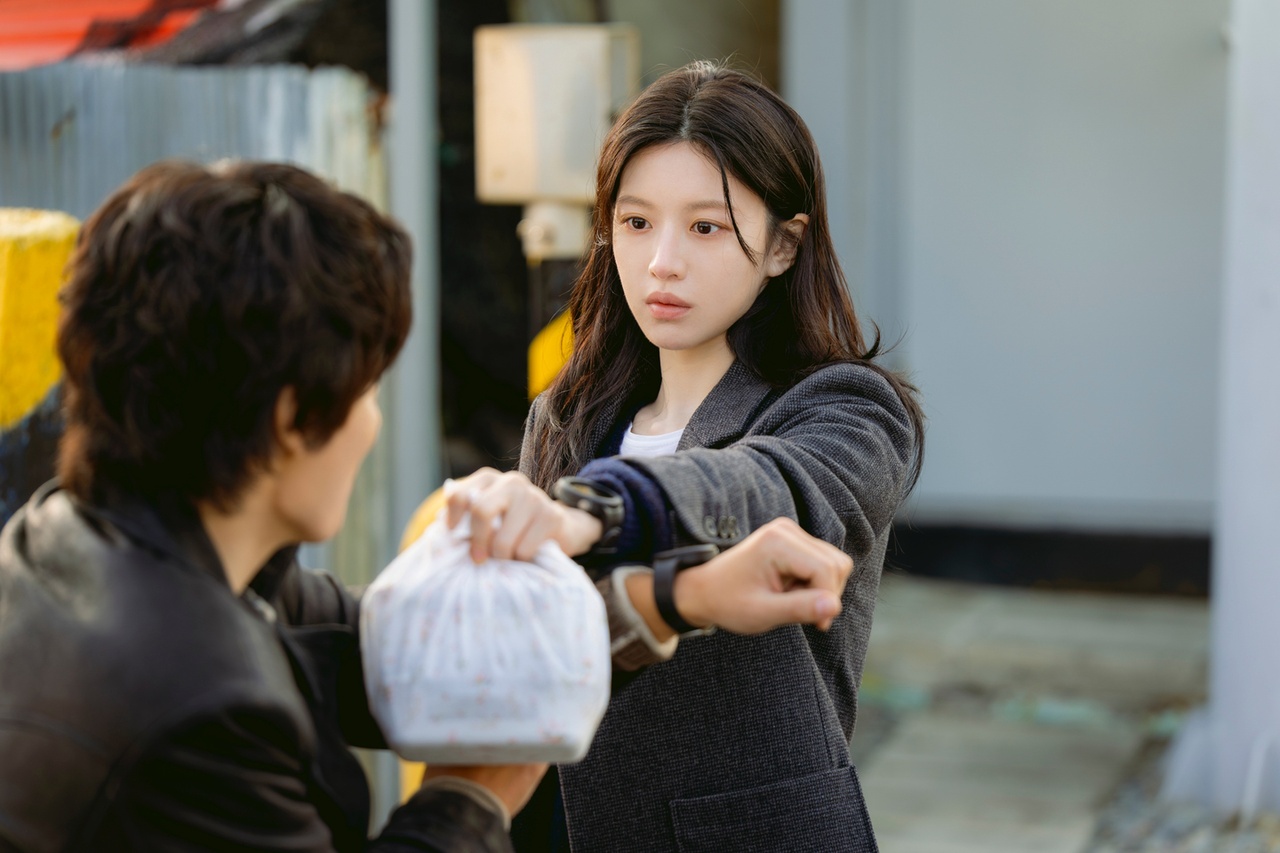
Eun-a, a film company planning producer who both admires Dong-man’s boldness and finds comfort in it, was also quickly cast. The role went to Go, who had built a strong presence in earlier works such as “Law School” (2021) and “Resident Playbook” (2025).
In the series, Dong-man loudly criticizes the film his friend, Gyeong-se, made and its actors while attending an after-party for the film premiere in front of everyone. However, since he has not yet established a significant career, people ask who he is.
Unable to answer that he is a director or simply unemployed, Dong-man leaves in embarrassment, bangs his head against a bus window and runs downhill toward home, shouting the line, “If I can’t prove myself by succeeding, I’ll prove it by wrecking myself,” twice before collapsing.
This scene stood out to director Cha.
“It shows the kind of desperate struggle Dong-man is going through just to survive,” the director said. “I really wanted to do that scene justice because it’s where Dong-man’s ‘patheticness’ is laid bare.”
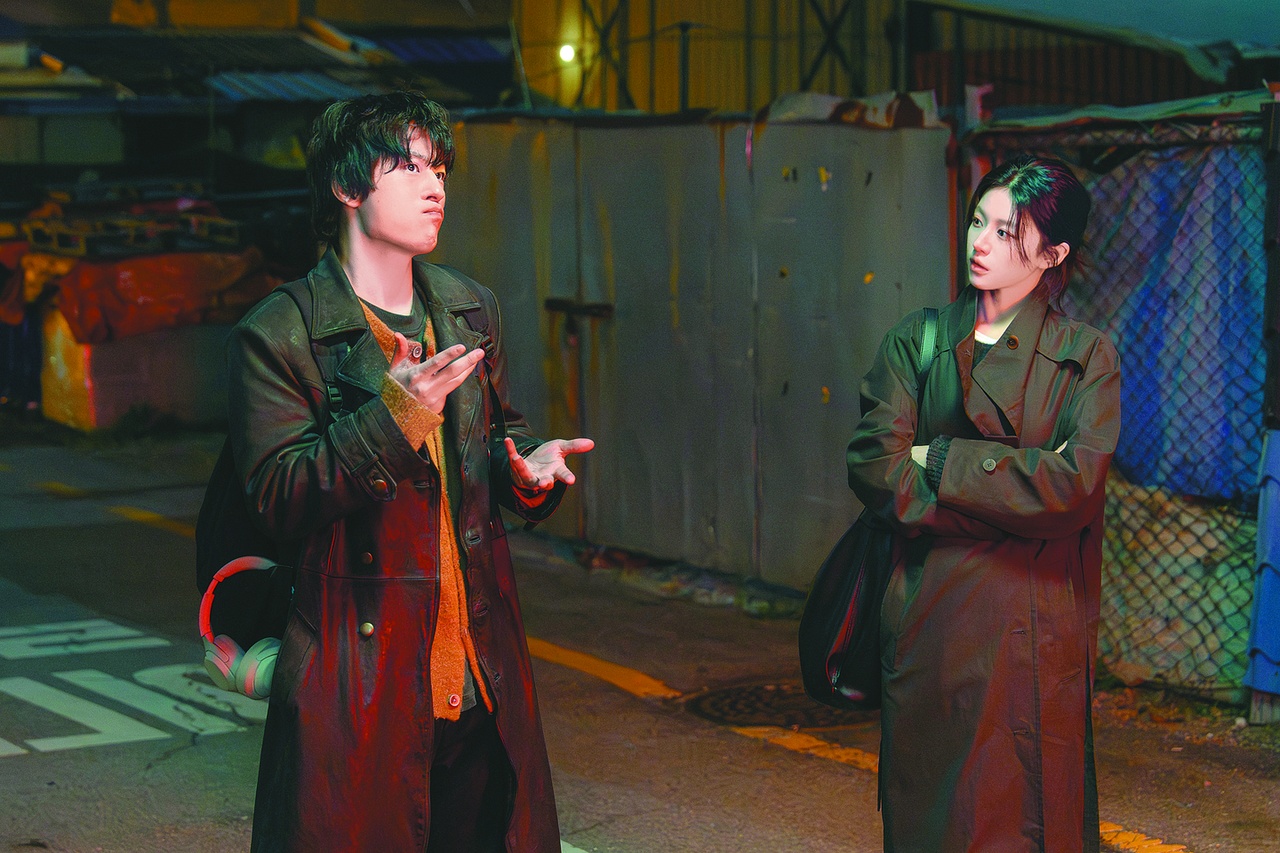
The drama does not treat Dong-man with constant sympathy. The character delivers sharp, cutting remarks and reminds viewers that we’re all struggling with the same sense of worthlessness.
“Dong-man is a kind of hero — someone who pushes through their own sense of worthlessness and keeps going,” the director said.
Through Dong-man, viewers are drawn into the lives of the surrounding characters, who begin to reflect on themselves.
“In the remaining episodes, we’ll explore the stories of characters like Eun-a and Gyeong-se,” the director said. They are people who, like many of us, must constantly prove their worth while quietly covering up their own insecurities and living seemingly ordinary lives.
“The staff and I all found ourselves relating to the characters’ sense of worthlessness,” the director said. “I hope the drama offers some comfort — that life is, in many ways, a struggle against that feeling. Even the people you admire are going through it, too. So let’s hold on.”
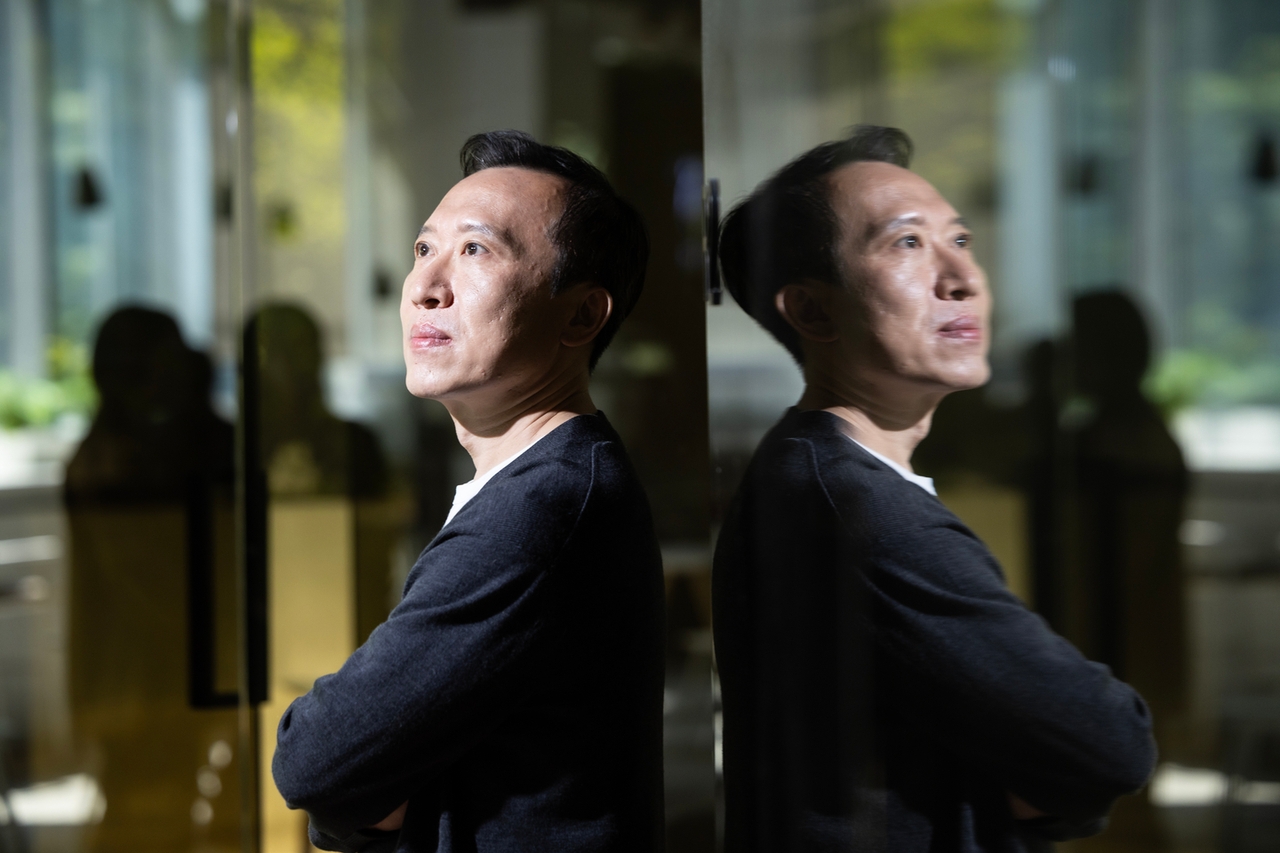
Though the drama deals with familiar emotions, it was far from simple to make.
“We’re not dealing with just one layer of emotion,” director Cha said. “It’s not as straightforward as ‘I won, so I’m happy’ or ‘Someone left me, so I’m sad.’ Most scenes involve multiple emotional layers.”
“I kept asking the writer what the outermost emotion was in each moment and how strong it should be. Every scene had a high level of emotional density.”
The director also expressed confidence that the show would be a comfort to many viewers.
“Dong-man says that films are like an emotional massage,” the director said. “Our drama is like a 12-hour emotional massage. And when it’s over, I hope viewers will feel a little lighter.”
“Life isn’t easy, but knowing you’re not alone can help ease the weight on your shoulders.”
This article was originally written in Korean and translated by a bilingual reporter with the help of generative AI tools. It was then edited by a native English-speaking editor. All AI-assisted translations are reviewed and refined by our newsroom.
BY CHOI HYE-RI [kim.jiye@joongang.co.kr]