New year, new opportunity for K-pop in China in 2026?
In early 2025, it seemed only a matter of time before K-pop found its way back to mainland China — until it became clear that hopes had risen too soon.
Now, with the dawn of the new year and re-emergence of signs of a thaw, optimism is resurfacing, though the path forward remains tangled in diplomatic complexities, both new and old.
Despite repeated setbacks, investors and analysts appear to be willing to place their bets once again on the Chinese market’s immense commercial potential. Even if concerts resume, however, uncertainty will continue to loom over K-pop’s presence in the world’s second-largest economy, experts warn.
China drives mood swings
K-pop industry stocks have swung sharply in recent months, mirroring fluctuating expectations over China’s supposed reopening.
Hopes arose in late October ahead of the Nov. 1 Korea-China summit, only to sizzle amid the absence of concrete development. They rose again in December following speculation that the two countries were in talks to host a K-pop concert in Beijing in January.
Though the Korean government said “no decision has been finalized,” another announcement soon reignited hopes.
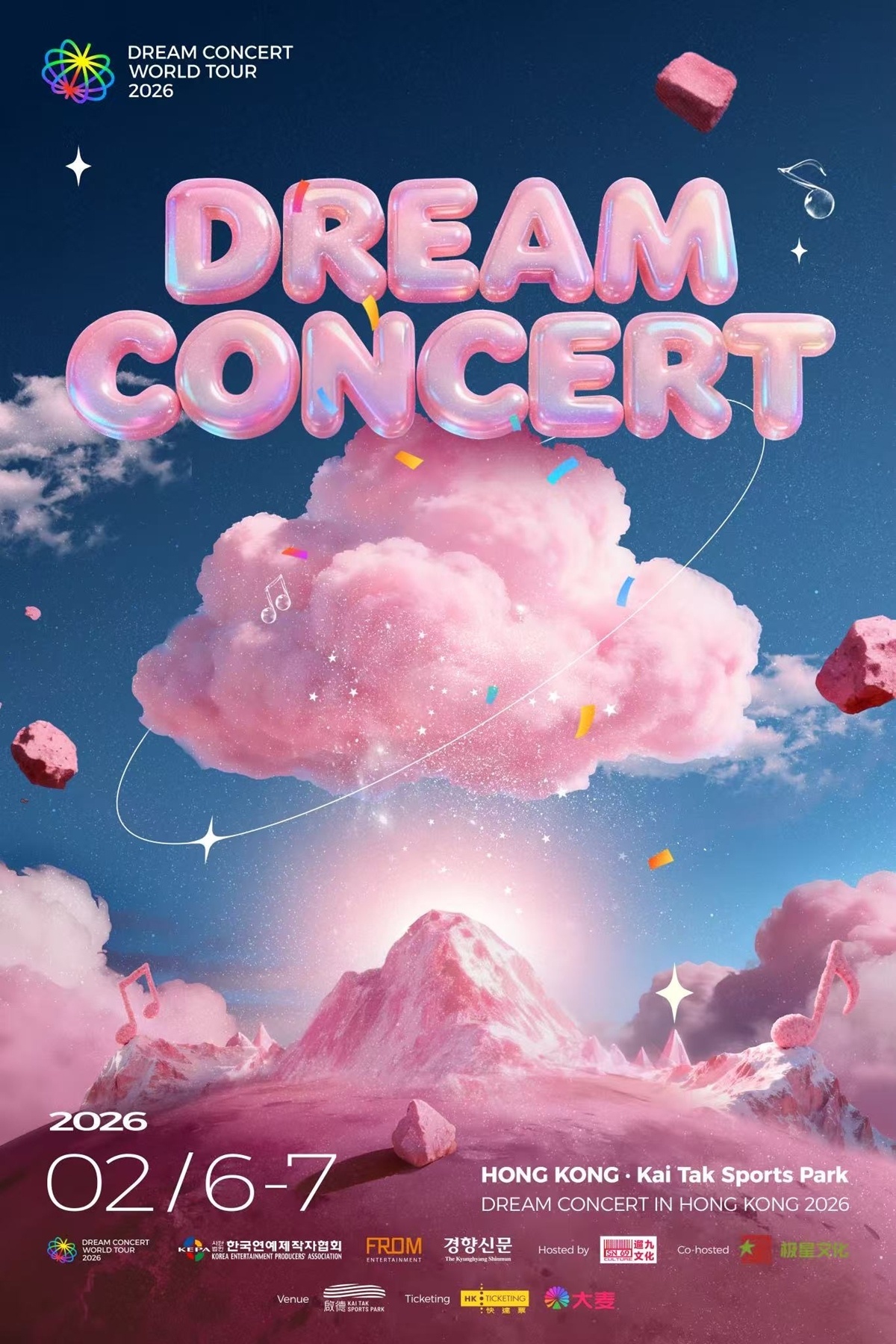
On Dec. 22, organizers of "Dream Concert" — an annual charity K-pop concert featuring multiple acts hosted by the Korea Entertainment Producers’ Association (KEPA) since 1995 — said that the 2026 edition of the event will air via delayed broadcast through the Chinese network Hunan TV, one of the nation’s most influential broadcasters.
"The upcoming broadcast on Chinese TV of the performance in Hong Kong will go beyond a simple event and serve as a symbol of renewed cultural exchange between Korea and China,” KEPA said in a release.
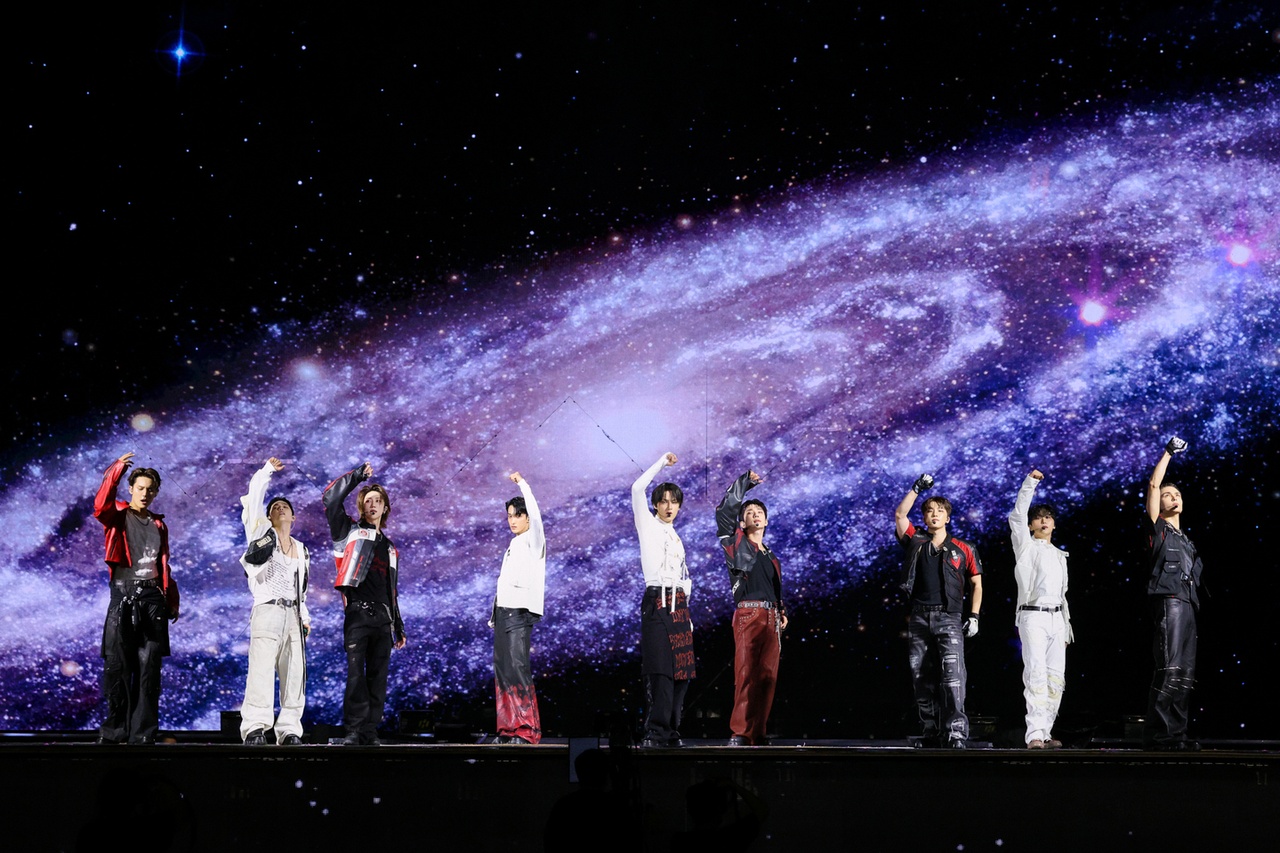
"Dream Concert 2026" is jointly hosted by China's Changsha Liu Jiu Culture, and is set to take place in Hong Kong on Feb. 6 and 7. The organizers announced the first lineup, which includes SHINee's Taemin, Hwasa, The Boyz and Chen, Baekhyun and Xiumin of boy band EXO.

Markets responded swiftly. On Dec. 23, HYBE shares rose 5.02 percent, while Kosdaq-listed SM Entertainment surged 7.58 percent, JYP Entertainment 3.14 percent and YG Entertainment 4.25 percent.
“The upcoming Dream Concert 2026 is not simply being broadcast in mainland China — a Chinese operator is jointly involved from the planning stage,” noted NH Investment & Securities analyst Lee Hwa-jung. “With Chinese participation in K-pop concerts becoming more substantial, it is worth expecting K-pop performances to resume in China in 2026.”
And the market has a good reason to remain keenly attentive to developments in China.
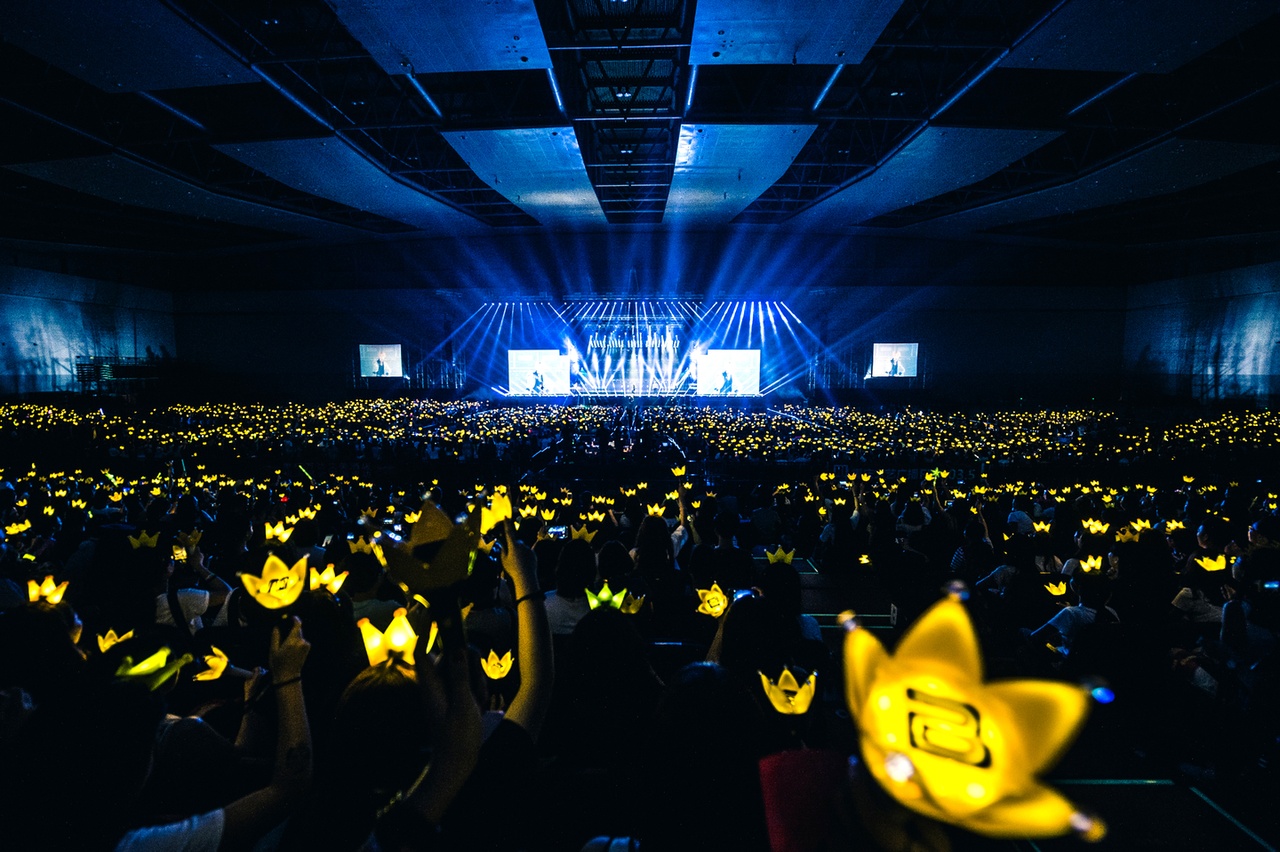
In a report released in March, Hana Securities estimated that, based on Big Bang's tour revenue from its China shows in 2015 and 2016, annual operating profit at major K-pop agencies could rise by 15 to 40 percent if K-pop acts with the strongest ticket-selling power — namely BTS, Blackpink, Seventeen and Stray Kids — are able to hold arena-scale concerts in the country, partially boosted by the increase in concert merchandise sales compared to a decade ago.
Is it real this time?
While expectations for a thaw have persisted throughout 2025, progress has repeatedly stalled.
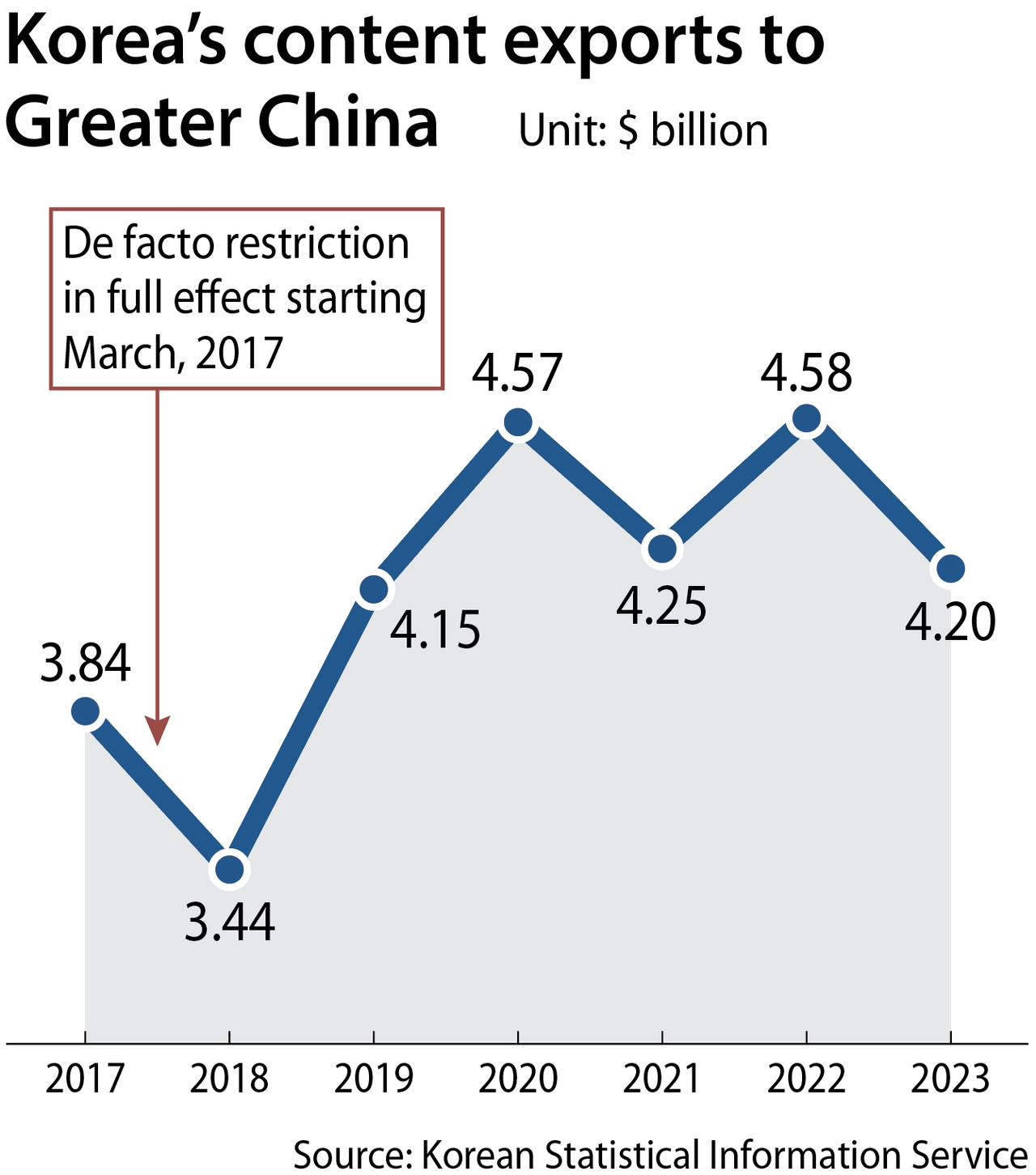
Since early 2017, Beijing has maintained a de facto ban on Korean cultural content, tourism and economic operations in retaliation against Seoul’s deployment of a U.S. Terminal High Altitude Area Defense system, or Thaad. While China has consistently denied the existence of any formal ban, large-scale K-pop concerts have effectively been absent after 2016.
Optimism gradually resurfaced earlier this year as several shows in China were announced after small-scale events such as fan meet-and-greets and promotional events increasingly returned over the past few years, but hopes of a full resurgence were repeatedly thwarted.
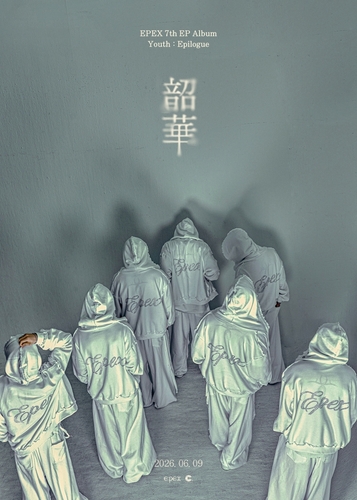
In April, boy band EPEX announced a concert in China, only for the event to be canceled in May, weeks before the show. Girl group Kep1er also indefinitely postponed a planned fan concert — events that feature music performances and Q&A sessions in a more intimate format than standard K-pop concerts — in September.
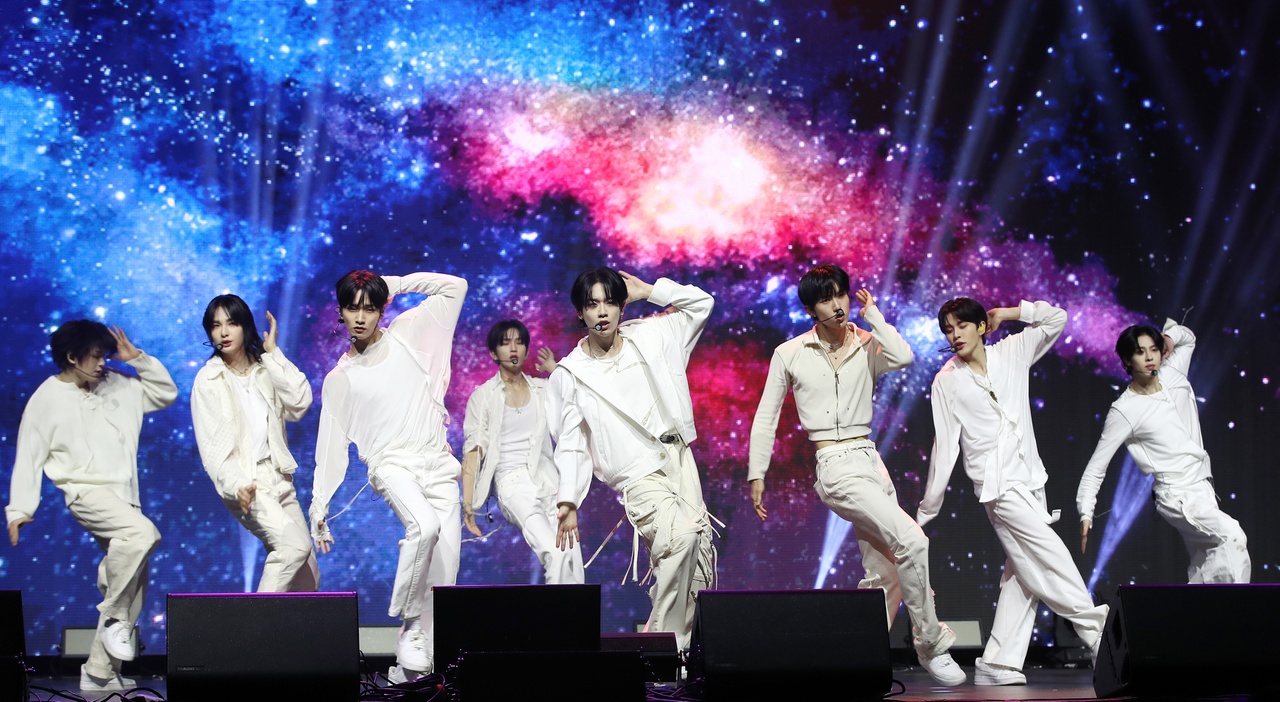
"Dream Concert" similarly faced delays. Initially announced in April to take place in Hainan and Hong Kong, the 2025 edition of the event was postponed only two weeks before the scheduled September show, eventually happening in Abu Dhabi in November.
Economic incentives remain strong
Despite repeated disappointments, analysts say China still has solid economic reasons to reopen its doors to K-pop shows.
“Large-scale concerts attract a high proportion of audience members from outside the hosting city, which boosts local consumption,” noted Shinyoung Securities analyst Kim Ji-hyun.
“For K-pop artists, travel and accommodation costs tend to be relatively lower, and they tend to have a strong cultural affinity,” Kim added. “That makes [K-pop artists] well-suited for shows in [smaller] third- or fourth-tier cities,” which would generate spillover effects for local spending.

Lee echoed the view, noting that Beijing has repeatedly signaled interest in leveraging live performance and imported cultural content to boost consumption, saying, “It appears the resumption of K-pop concerts in China is seen as a matter of when.”
Anti-Japan tensions both a risk and opportunity
However, a new variable has emerged, as diplomatic tensions between China and Japan worsened following comments by Japanese Prime Minister Sanae Takaichi suggesting potential military involvement should conflict erupt between China and Taiwan.
Several Japanese singers have since had to cancel concerts in China. In one instance, singer Maki Otuski was forced to abruptly leave the stage mid-performance.
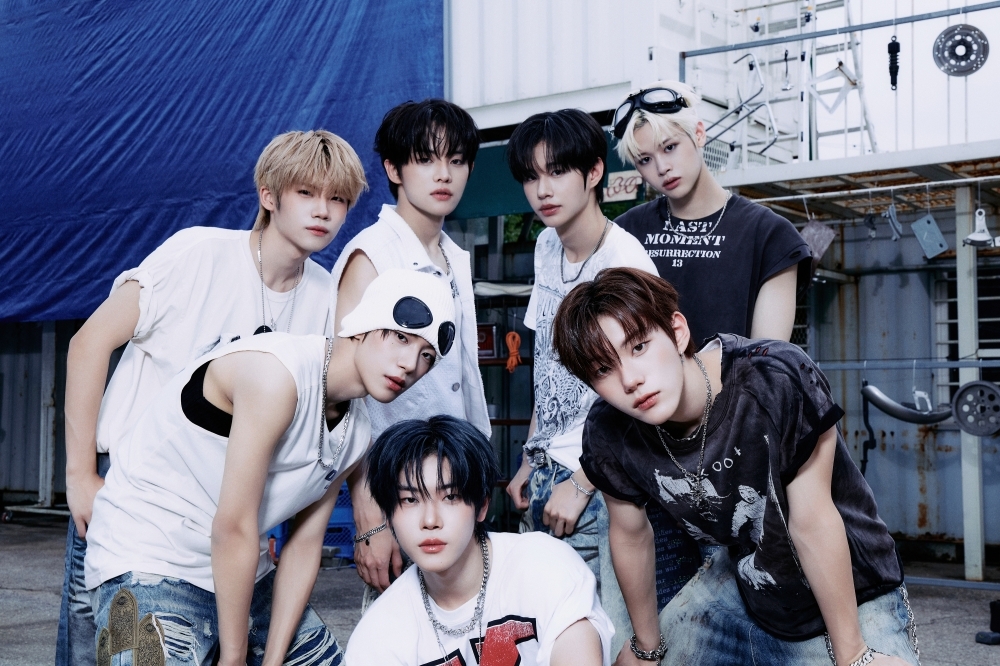
Multinational K-pop groups with Japanese members have also been affected, as Le Sserafim, which has two Japanese members, canceled a Shanghai fan-signing event “due to unavoidable circumstances,” while boy band Close Your Eyes held a fan meeting in Hangzhou without its Japanese member, Kenshin.

Yet this may serve as an unexpected opportunity for K-pop groups without Japanese members, some suggest.
“The recent cancellations of Japanese artists’ shows could work in favor of [certain K-pop acts],” said analyst Lee, suggesting that Korean artists could absorb the unmet demand created by the absence of Japanese acts, while pointing out that HYBE, JYP and SM all have groups well-positioned to perform in China.
Invisible red lines will remain
Still, experts caution that legal and administrative uncertainties will remain a structural feature of the Chinese market.
“Historically, China’s strategy of tightening restrictions on imports has been a longstanding one,” said Lim Dae-geun, dean of the College of Culture & Technology at the Hankuk University of Foreign Studies, noting that cultural restrictions, in particular, carry symbolic significance to the public of involved nations.
Moreover, because the ban has never been formally acknowledged or codified, “There is no clear or actual ‘lifting’ of the restriction,” meaning the rhetoric of easing does not necessarily translate to structural change in the business environment.
“The content business is inherently high-risk, and a layer of government involvement is an added factor with China,” Lim said, adding that strategically expanding into markets such as Taiwan and Hong Kong is crucial to mitigating risks.
BY SHIN HA-NEE [shin.hanee@joongang.co.kr]