Where to hear the first 'Arirang' recording from 1896 that inspired BTS's new album
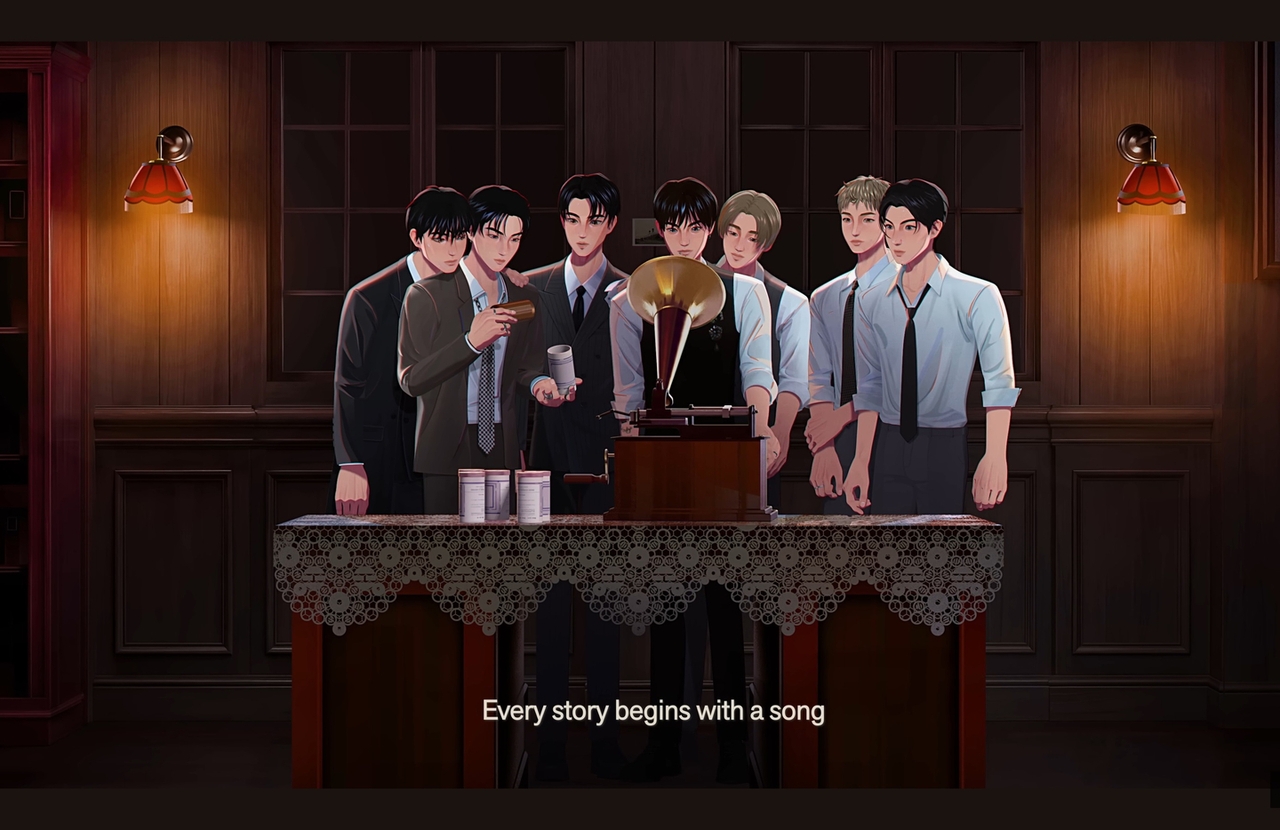
In the animated teaser trailer released last Friday for their upcoming album “Arirang,” the seven BTS members pick up a phonograph cylinder, also known as a cylinder recordings. Millions of fans assumed that this was simply a creative choice by the director, but it was not. That cylinder is real — and one of six. And their replicas are hiding in plain sight at three different museums in Korea.
The cylinders, measuring 7 by 12 centimeters (2.76 inches to 4.72 inches), contain 11 Korean songs — including “Arirang,” children’s songs and the national anthem at the time — across all six. They can be found and even listened to at the K POP Museum, the Gugak Museum and the Arirang Museum.
“Arirang” is a centuries-old traditional Korean folk song that has evolved through generations, with an estimated 3,600 variations across about 60 regional versions, thanks to its simple structure allowing singers to improvise the lyrics. Depending on the version or performer, the song can express a wide range of human emotions, from love to loss and longing, while also serving as a symbol of unity or resistance.
The K POP Museum in Gyeongju, North Gyeongsang, boasts a copy of each six cylinders on display. On the second floor, visitors can also listen to digital recordings of the songs via headphones connected to tablet computers.
RM, the leader of BTS, visited the museum in 2019.
“RM visited the museum incognito. We didn’t even know he was there,” You Choong-hee, the director of the museum, said to the Korea JoongAng Daily.
“I don’t know if he saw that specific piece, but I am assuming he did, given that he stayed for over two hours,” he added, referring to the cylinders.
According to You, the museum found out about the star’s visit only after he posted a photo from his visit on his social media the next day.
“Fans have flooded the museum since then,” You said.
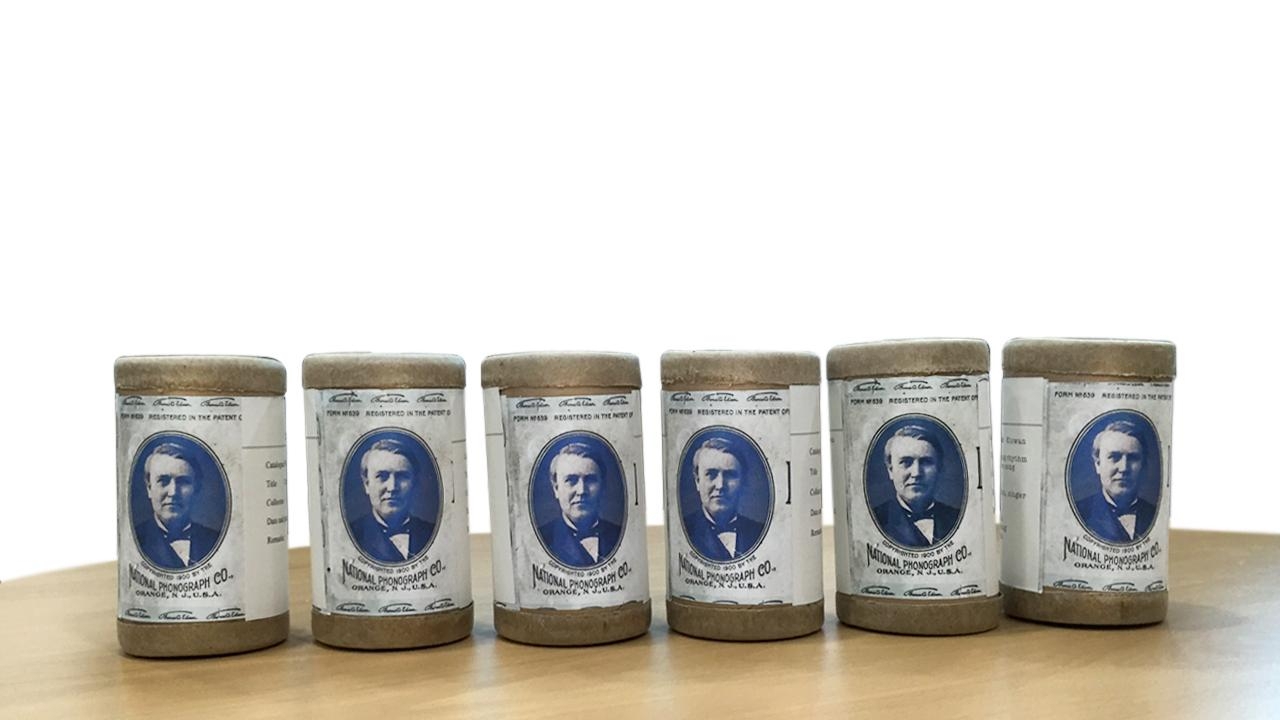
A second set of copies can be found at the Gugak Museum in Seocho District, southern Seoul, where they are displayed on the second floor. Visitors can also listen to digital recordings of the songs in the museum’s media room.
Finally, a third copy is located at the Arirang Museum in Jeongseon County in Gangwon.
The original six cylinders, currently stored in the U.S. Library of Congress, mark the first-ever recordings of Korean music.
According to historical records, three Korean boys fled to the United States in 1896 to avoid the political turmoil at home. During their time in Washington, where they attended Howard University, they met Alice Cunningham Fletcher, a U.S. anthropologist and ethnologist, who preserved their voices on six cylinder recordings.
The cylinders made their way to the Library of Congress, where they sat unidentified for over a hundred years. It was not until the 1980s that researchers discovered their existence during the Federal Cylinder Project, in which they digitized archived phonographs.
Prof. Robert Provine of the University of Maryland began to track the history behind the cylinders in 1998. After years of research, during which he pieced together a story that had been buried for more than a century, he finally traced the recordings back to those three Korean students.
One man can be thanked for every copy that now resides at these museums: Jung Chang-kwan, an avid collector of gugak (Korean traditional music) recordings, a recipient of the Order of Cultural Merit and the owner of the YouTube channel “Jung Chang-kwan’s Arirang1,” which is dedicated to uploading rare archival versions of “Arirang.” He is the unsung architect behind Korea's access to its own musical history who ensured that those 130-year-old recordings found their way home.
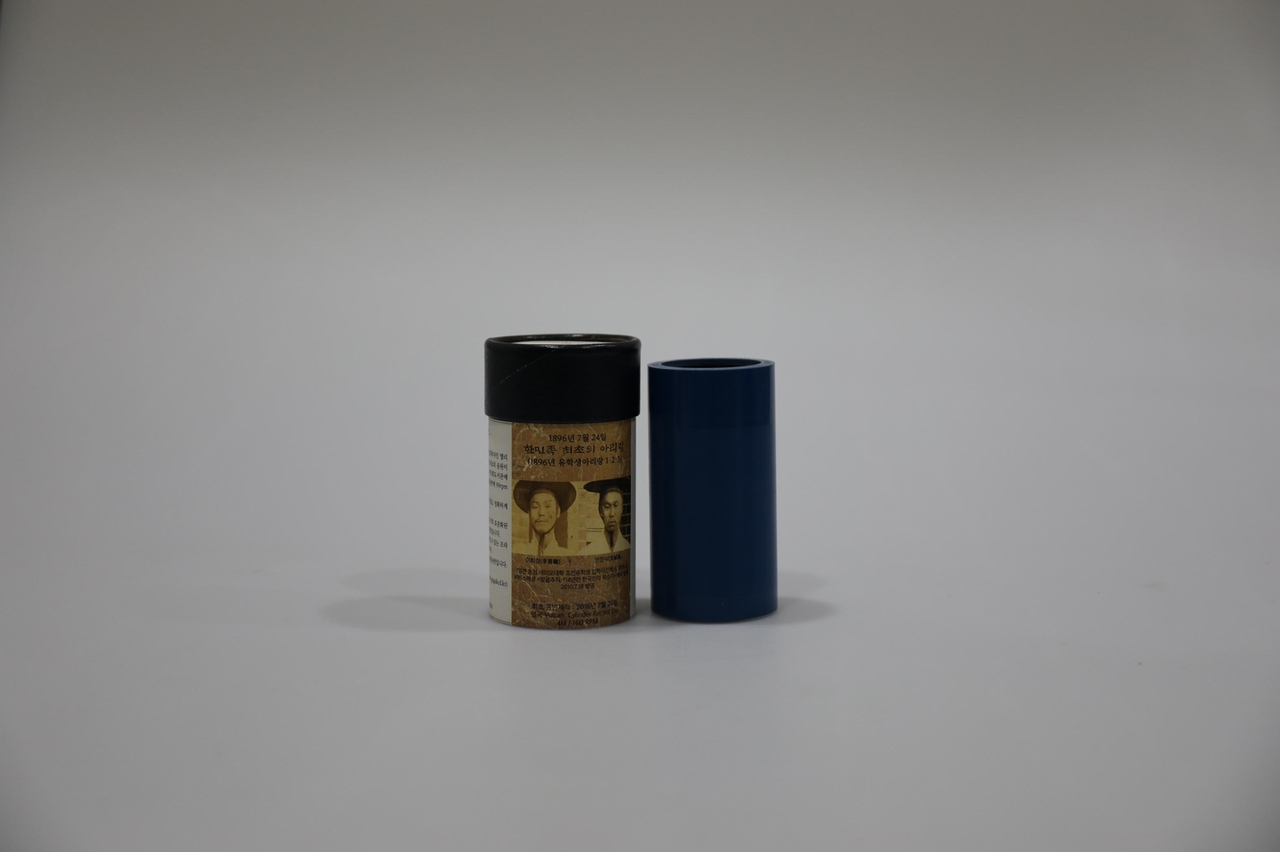
“When the recordings were first presented at a gugak academic conference in Korea in 1998, many people did not pay attention to them due to their poor audio quality and the lack of professional singing voices,” said Jung.
But Jung was the exception. In 2007, he contacted the Library of Congress and requested the return of the original cylinders to Korea.
The library refused, but after Jung's persistent efforts, it offered a compromise: digital copies of the recordings.
“After I convinced the library to give me digital copies, I tracked down a store in Britain that records songs on empty phonograph cylinders from the 1900s,” Jung said. “I commissioned [the store] to make permanent versions by substituting the conventional wax coating with resin to protect the recordings from wear after repeated plays.”
The original cylinders have yet to come home, but the copies still offer valuable insight into the history of “Arirang.”
“The recordings contain an old version ‘Arirang,’ which is different from the 1900s ‘Arirang’ that we are familiar with now, but the repeated chorus [...] remains the same,” said Jung.
“It’s interesting to note that Fletcher labeled the track as ‘Love Song.’ She’s not wrong. In essence, Aririang is a love song,” said Jung.
Fletcher’s label is seemingly reflected in BTS’s upcoming album’s campaign slogan: “What is Your Love Song?”
“‘Arirang’ resonates with the world because every generation in every country has lived through [similar difficulties]. There are not many melodies that grip the heart the way that ‘Arirang’ does,” said Director You.
“BTS’s ‘Arirang’ will be loved by the world for the same reason — because the lives of ordinary people across time and across borders are not so different from one another.”
BY LEE JI-WON [lee.jiwon10@joongang.co.kr]