Ahn Sung-ki, veteran actor who spent a lifetime in Korean cinema, dies at 74
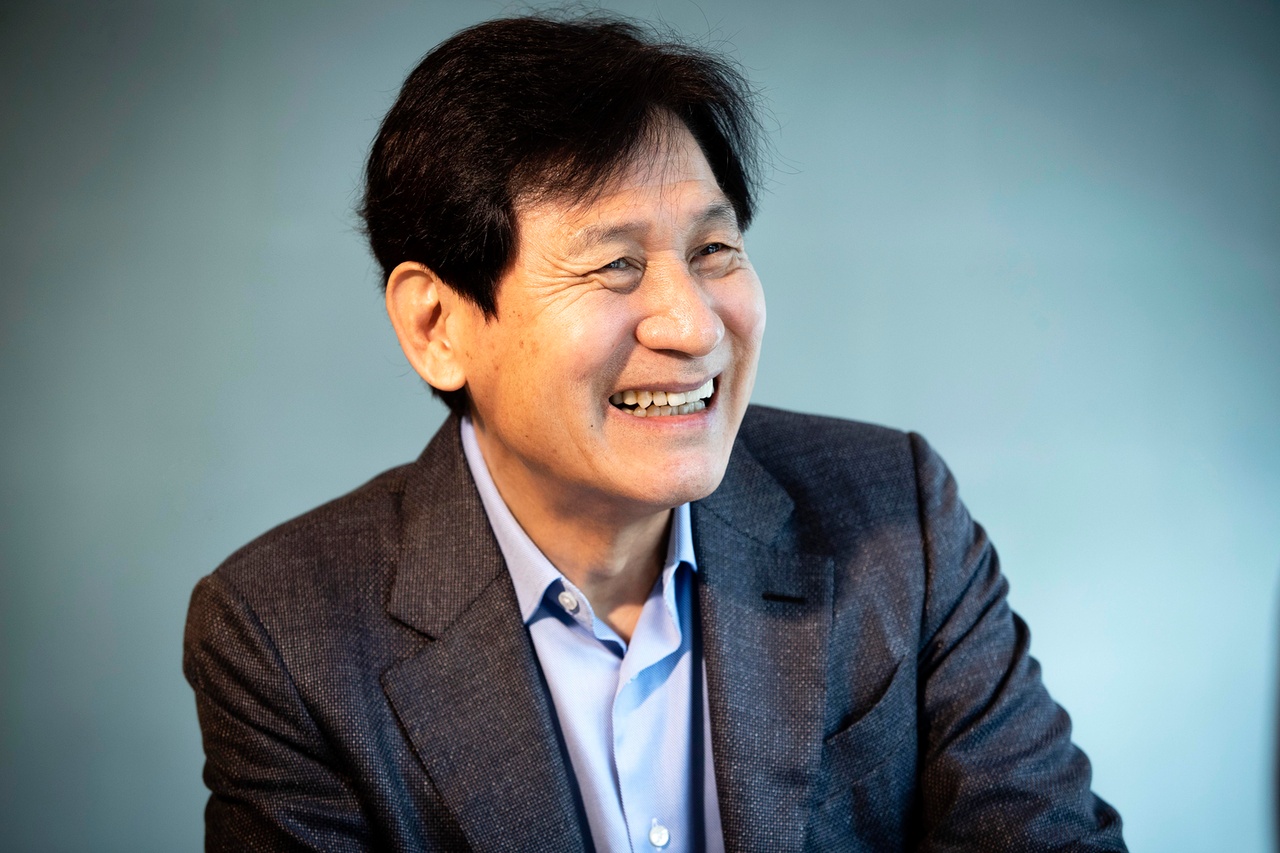
Ahn Sung-ki, one of Korea’s most revered actors whose career spanned over six decades and more than 180 films, died Monday at the age of 74.
Ahn made his debut at just five years old in Kim Ki-young’s 1957 film “Twilight Train” and went on to star in many of Korea’s most iconic films, including “Whale Hunting” (1984), “Two Cops” (1993), “The Taebaek Mountains” (1994), “Chihwaseon” (2002) and “Silmido” (2003), becoming a mainstay of Korean cinema throughout the 20th and 21st centuries.
According to his agency, Artist Company, Ahn collapsed at his home on Dec. 30, 2025, after choking while eating and was rushed to Soon Chun Hyang University Hospital in Yongsan District, central Seoul, where he received CPR but ultimately did not recover.
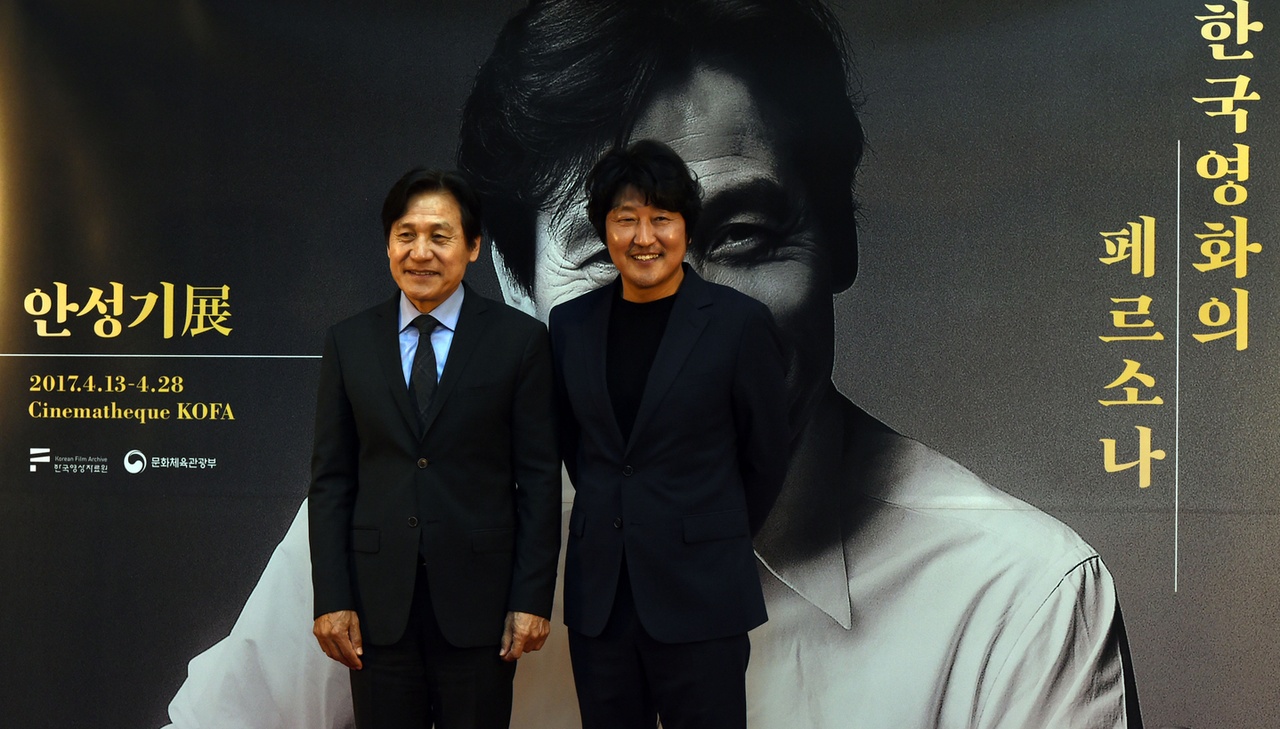
He had been battling blood cancer for several years. His illness became publicly known in 2022 when he appeared at a special retrospective commemorating director Bae Chang-ho’s 40th anniversary in film. There he was seen wearing a wig to cover his hair loss, with a bloated face and unsteady speech and movement.
He showed signs of improvement at the Bucheon International Fantastic Film Festival the following year, attending with close friends and fellow actors Park Joong-hoon and Choi Min-sik.
His final appearances on the silver screen were in “Cassiopeia” (2022), “Hansan: Rising Dragon” (2022), “Birth” (2022) and “Noryang: Deadly Sea” (2023) — which were filmed during his illness.
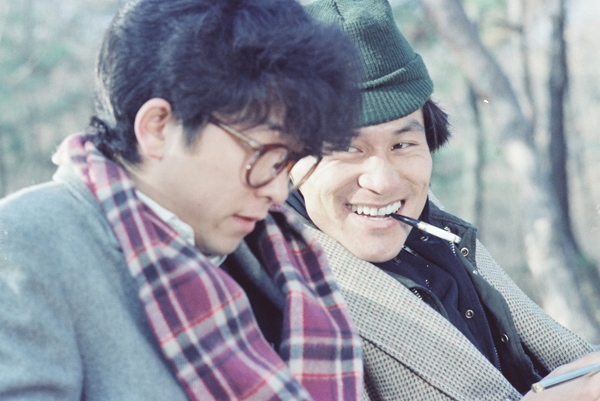
Ahn’s expressive eyes — brimming with both mischief and melancholy — and his deeply creased smile became his trademarks. Over his career, he appeared in more than 180 films, portraying diverse roles ranging from a vagrant in “Whale Hunting,” a king in “The Eternal Empire” (1995) and a hitman in “Nowhere to Hide” (1999).
Born in Daegu in 1952 during the Korean War (1950-53), Ahn was raised in Seoul. His father, Ahn Hwa-young, a Seoul National University graduate who once dreamed of becoming an actor, was working as a PE teacher when he appeared in Kim’s film “Twilight Train.” When director Kim, who was also his friend, asked for a child actor to appear in the film, Ahn Hwa-young brought his son, which would mark the beginning of Ahn Sung-ki’s acting career.
As a child actor, Ahn earned international recognition for his performance as a pickpocket in Kim’s “Defiance of a Teenager” (1959), leading him to receive a special juvenile performance award at the San Francisco International Film Festival — the first acting prize ever awarded to a Korean at an overseas film festival.
Archival footage shows him receiving a youth performance award at the 1960 Best Korean Films Awards, a predecessor of the Daejong Film Awards. At age eight, he appeared in Kim’s classic domestic horror “The Housemaid” (1960), regarded as one of Korea’s greatest films, recalling in an interview with the JoongAng Ilbo that he used to sneak into adult gambling circles to stay awake on set in between takes.
After a hiatus as child roles dwindled, Ahn stopped acting when he was in middle school following a stage appearance at the National Theater of Korea in Jung District, central Seoul, alongside veterans like Lee Soon-jae (1934-2025) and Chang Min-ho (1927-2012). Ahn later said the time away from entertainment helped him portray ordinary, everyday people with greater authenticity in later roles.
Ahn entered Hankuk University of Foreign Studies to study Vietnamese, intending to serve in the Vietnam War, but returned to film after the war ended, resolving to pursue acting for the rest of his life. He made his adult screen debut in Lee Jang-ho’s “A Fine, Windy Day” (1980), playing a naive Chinese restaurant deliveryman, a performance that won him best new actor at the Daejong Film Awards.
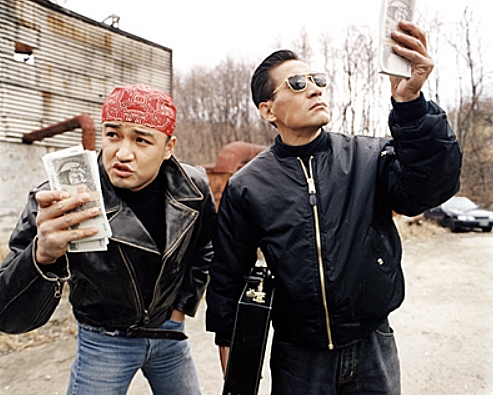
He rose to stardom by embracing roles that wrestled with social issues. His portrayals included an urban poor man in Lee Won-se’s “A Small Ball Shot by a Midget” (1981), a Buddhist seeker in Im Kwon-taek’s “Mandala” (1981), a North Korean partisan intellectual in “The Taebaek Mountains” and a novelist and Vietnam War veteran in Chung Ji-young’s “White Badge” (1992), winning numerous accolades including the Daejong and Baeksang Arts Awards.
He also took on a wide range of complex characters — a man chasing the American dream in “Deep Blue Night” (1985), a manic baseball coach in “Lee Jang-ho’s Baseball Team” (1986), a tragic painter in “Chilsu and Mansu” (1988) and a Catholic priest battling evil in “The Divine Fury” (2019).
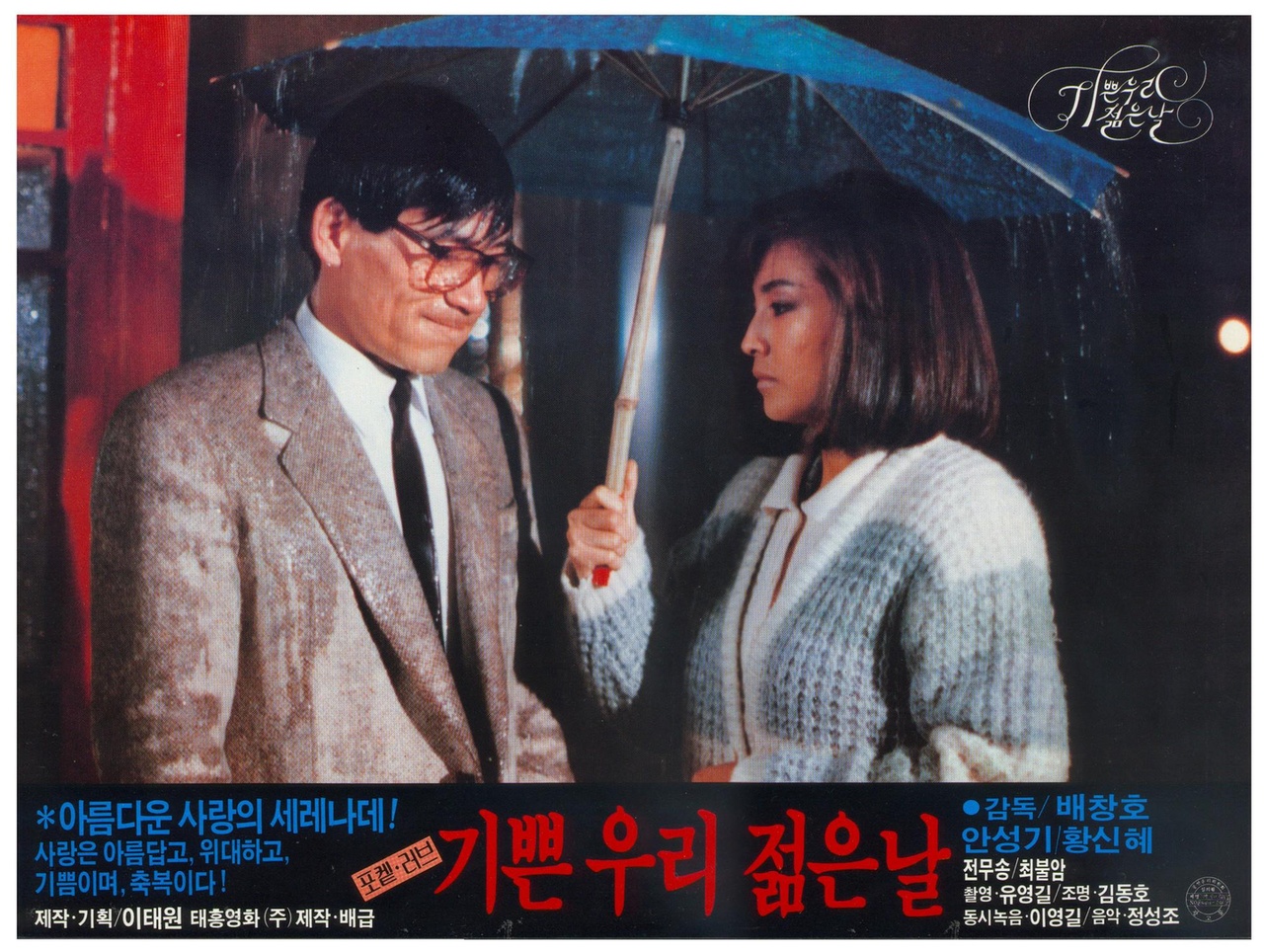
He collaborated closely with director Bae in the 1980s, appearing in many of his films including “People in the Slum” (1982), “Whale Hunting,” “Deep Blue Night” and "Our Joyful Young Days" (1987).
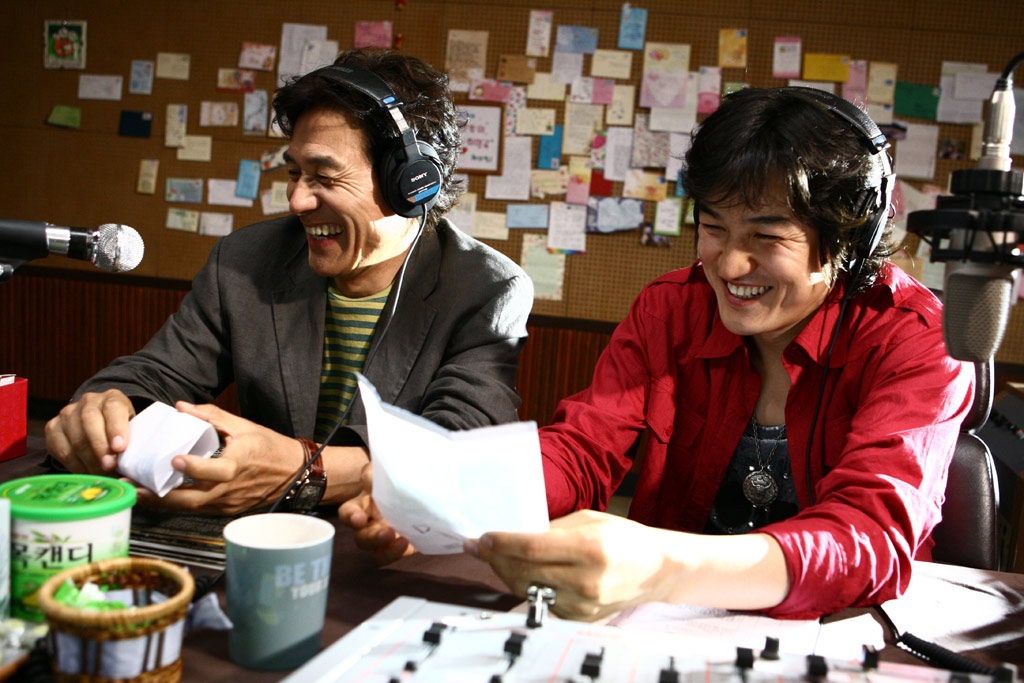
Ahn later formed a popular screen duo with actor Park in “Two Cops,” “Nowhere to Hide” and “Radio Star” (2006). With director Kang Woo-suk, he starred in “Silmido,” Korea’s first film to surpass 10 million viewers at the box office.
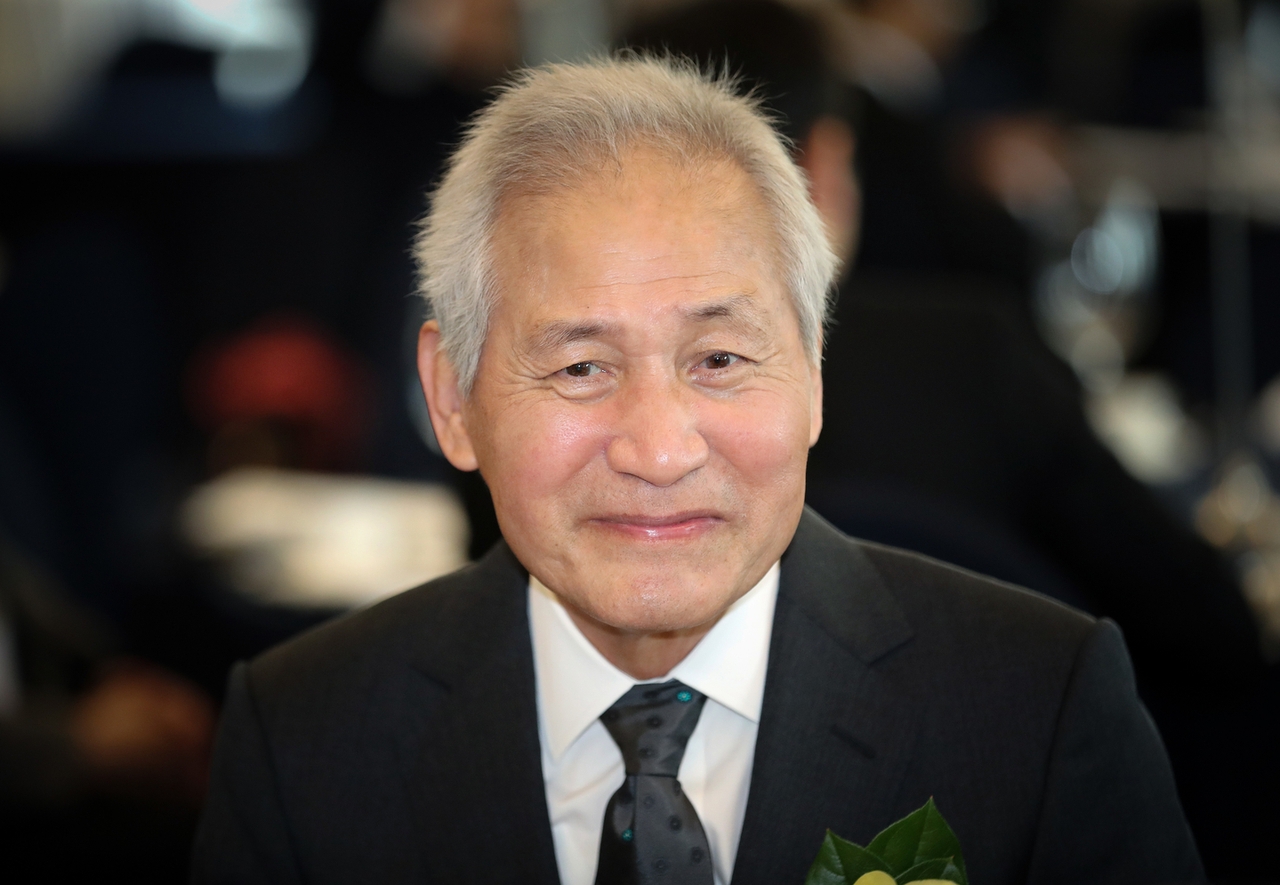
Ahn also participated in works exploring contemporary Korean history, including the Gwangju uprising-themed “May 18” (2007) and “In the Name of the Son” (2021), and “Unbowed” (2011), which was based on an actual court case.
In 2024, 10 of his films were named among the 100 greatest Korean films in a poll by the Korean Film Archive, tying him with actor Song Kang-ho for the most selected works on that list.
Ahn was also a longtime commercial model, appearing in a coffee ad campaign for over 30 years — the longest-running model in Korean advertising history.
“As a person, Ahn was known for his humility and warmth, but even those closest to him admired his strict moral integrity,” film critic Huh Moon-young wrote in the book “100 Years, 100 Scenes of Korean Cinema” (2019).
“He was a star whom the public trusted and felt a personal connection to — like a friend.”
Ahn himself credited his mother for instilling in him a sense of compassion and kindness.
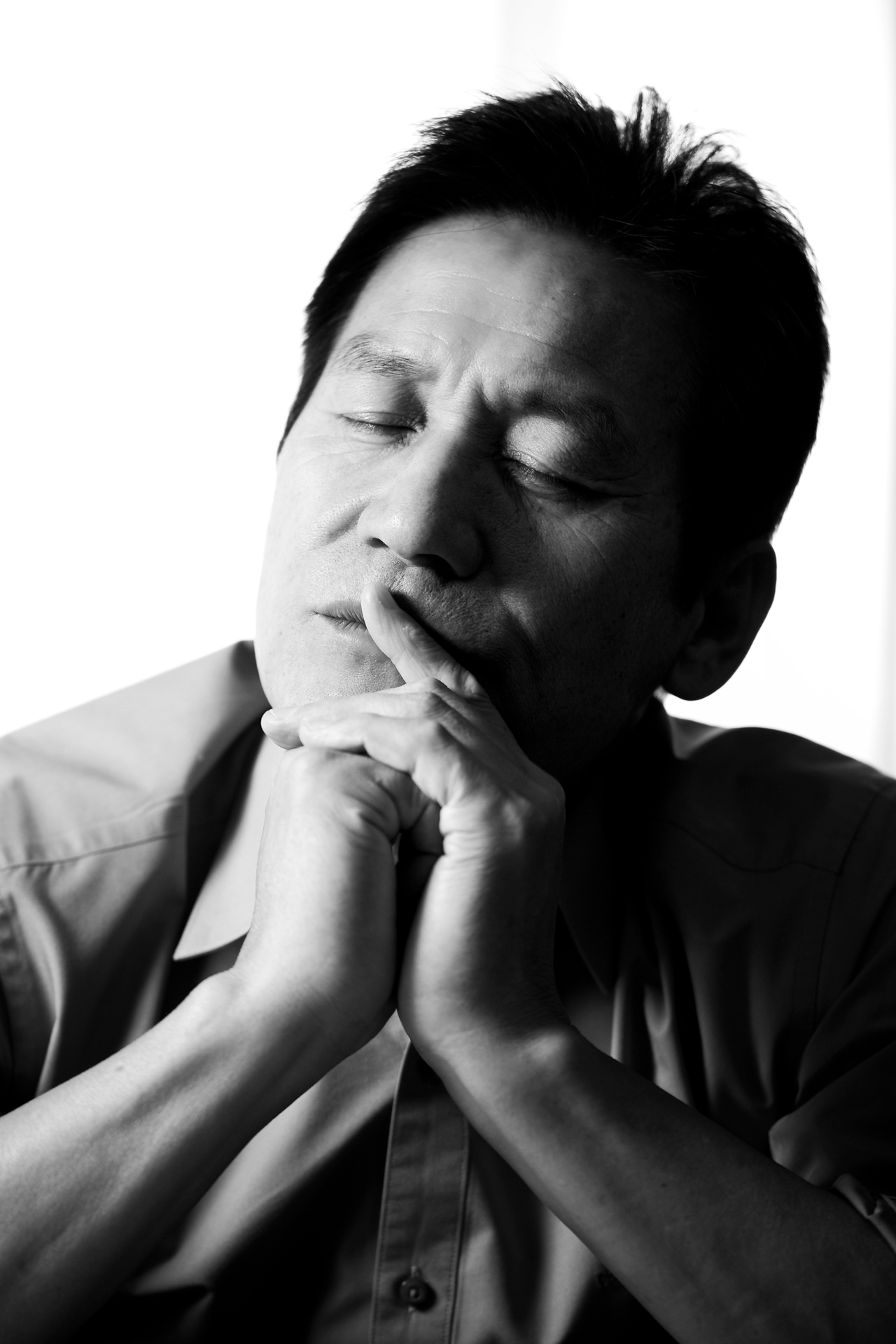
He was active in promoting the Korean film industry, serving leadership roles of the Busan International Film Festival starting in 1998, the Asiana International Short Film Festival from 2003 to 2021 and the Shin Young Kyun Arts & Culture Foundation. In recognition of his contributions to Korean popular culture, he received the second-highest Eungwan Order of Cultural Merit in 2013 and the April 19 Democratic Peace Prize in 2023 for his three decades of service as a Unicef goodwill ambassador.
Ahn is survived by his wife, sculptor Oh So-yeong, and their two sons.
A film industry funeral will be held under the joint auspices of the Shin Young Kyun foundation and the Korea Film Actors Association. The funeral committee includes veteran actor Shin Young-kyun, director Bae and association head Lee Gap-seong.
The wake is at room 31 of Seoul St. Mary’s Hospital funeral hall in Seocho District, southern Seoul. The funeral will take place at 6 a.m. on Friday, and he will be laid to rest in Yangpyeong, Gyeonggi.
This article was originally written in Korean and translated by a bilingual reporter with the help of generative AI tools. It was then edited by a native English-speaking editor. All AI-assisted translations are reviewed and refined by our newsroom.
BY NA WON-JEONG [shin.minhee@joongang.co.kr]