70 years of excellence: How Lee Soon-jae dedicated his life to the arts
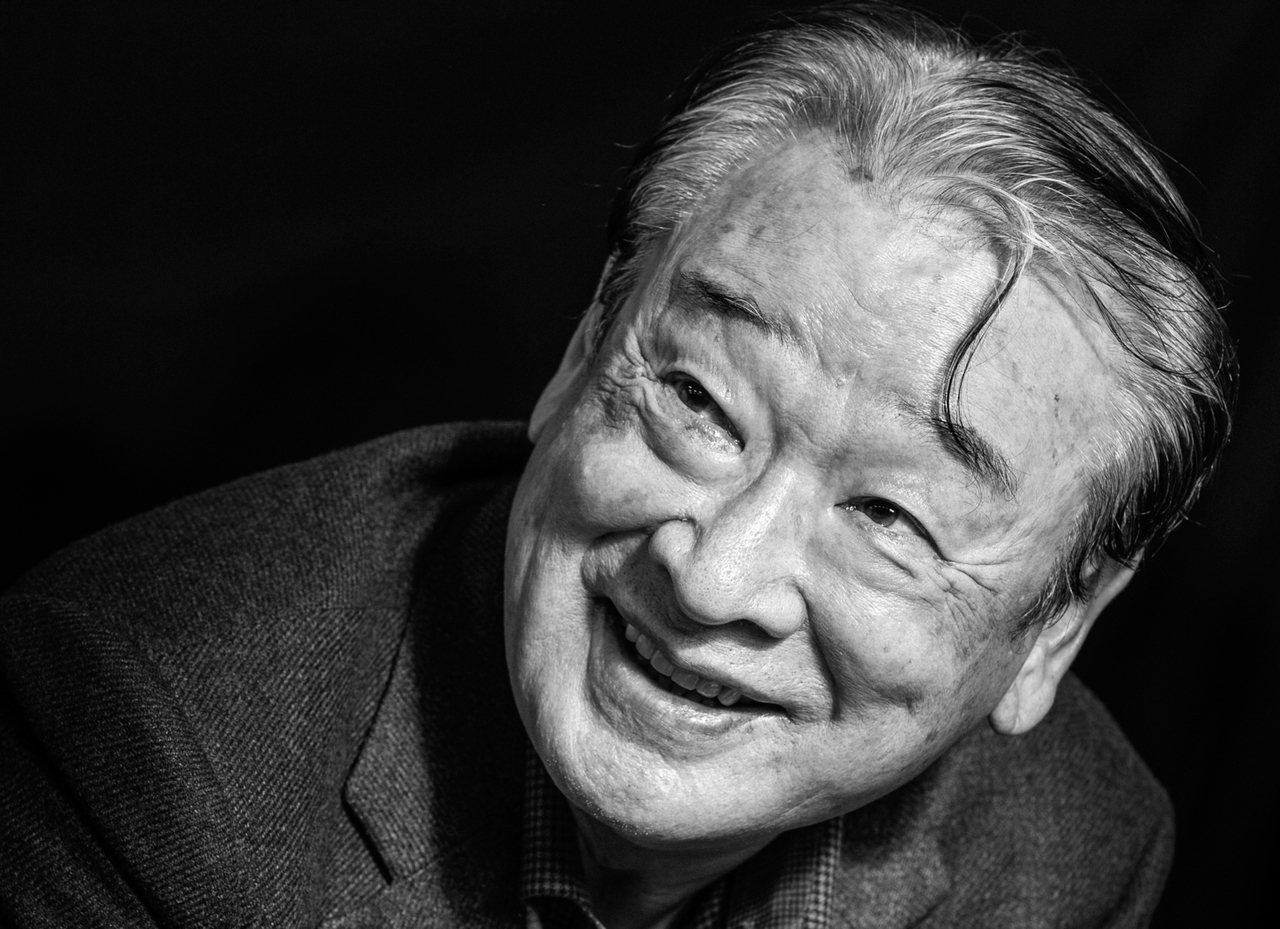
In an era when actors often experienced fame for a fleeting moment, Lee Soon-jae managed to make a name for himself and, perhaps more impressively, ensured that no one would forget it for years to come. The 91-year-old actor died in the early hours of Tuesday morning, having devoted decades to honoring and honing his craft.
According to his agency, SG Way Entertainment, Lee's funeral will be at the Asan Medical Center in Songpa District, southern Seoul. The procession will take place at 6:20 a.m. on Thursday, after which he will be buried at Eden Paradise in Icheon, Gyeonggi.
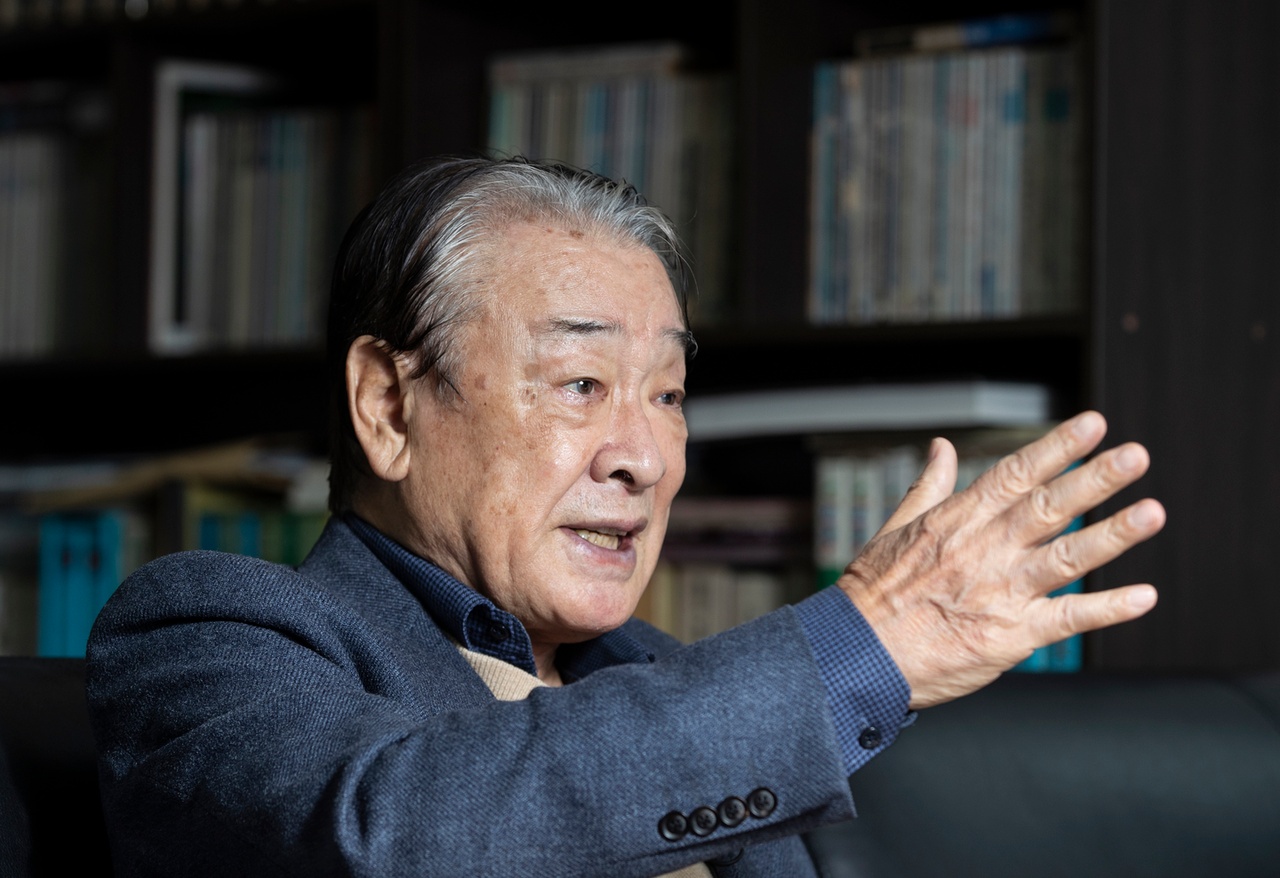
Lee, who made his debut in 1956, enjoyed a 69-year-long career — which spanned theater, television and film — and was widely celebrated for his dedication to the arts.
In his speech — which explored the role of pop culture in society — at the 60th Baeksang Arts Awards in 2024, Lee declared, “Art is forever unfinished,” emphasizing that “an actor’s role is to struggle, challenge oneself and try [again and again] in pursuit of perfection.”
Earlier this year, Lee won the daesang, or the grand prize, at the KBS Drama Awards for his role in the 2024 television series “Dog Knows Everything.” This was his first daesang since the MBC Entertainment Awards in 2007, which he accepted with tears in his eyes and said, “Even if you are 60, if you do well, you can receive an award for your skills, not just a lifetime achievement award.” He added, “Acting should be judged solely by acting,” before thanking his crew members and costars.
Born in Hoeryong, North Hamgyong Province, North Korea, in 1934, Lee fled south with his family during the 1950-53 Korean War and settled in Daejeon. Official records list Lee's birth year as 1935. He began acting in high school, appearing in a school production of Shakespeare's “Hamlet,” then studied philosophy at Seoul National University, where he helped revive its theater club and participated in national theater competitions.
After graduating, he launched his acting career by founding an independent theater troupe for university students.
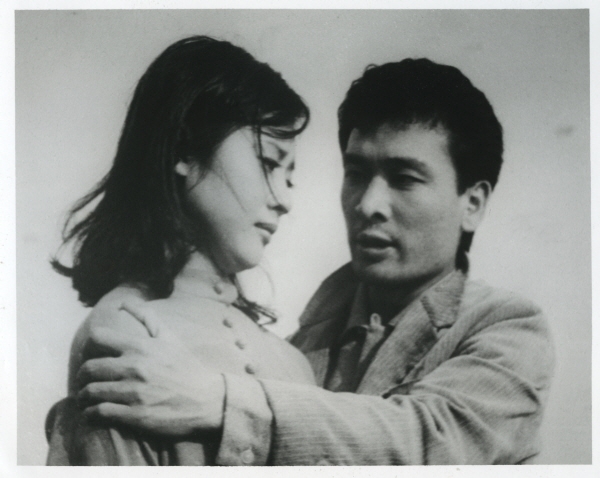
He made his stage debut with Eugene O’Neill’s “Beyond the Horizon” (1918) in 1956 and entered the broadcasting world in 1961 through KBS's television drama “I’ll Become a Man” (translated). He was later selected as part of local broadcaster Tongyang Broadcasting Company (TBC)’s first cohort of publicly recruited actors and made his film debut with “Early Rain” (translated, 1966).
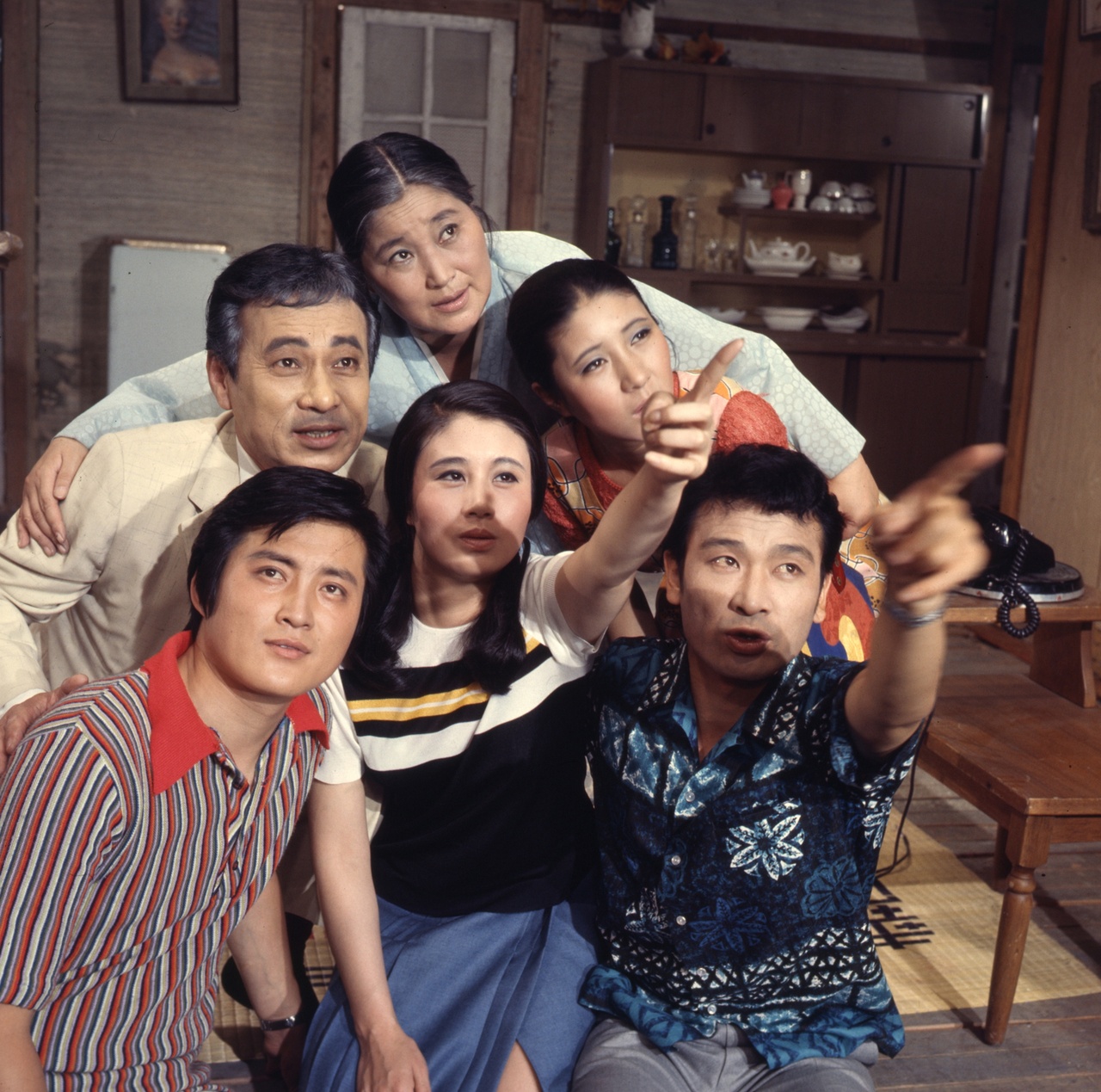
He cemented his popularity by appearing in Korea’s first daily television drama series, “It’s Snowing” (translated, 1964), followed by the country’s first televised crime series, “Detective’s Notebook” (translated, 1965-66). He also fulfilled his lifelong dream of acting in films, and in 1977, won Best Actor at the 13th Baeksang Arts Awards for his role in the film “Persistence” (translated).
In 1980, after TBC was shut down under the Chun Doo Hwan administration, Lee began to appear in shows for MBC and KBS. He also briefly entered politics in the 1990s, serving as a lawmaker for the conservative Democratic Liberal Party following the 14th general elections in 1992. During his tenure, he played a key role in amending numerous culture-related laws, including the Copyright Act, to recognize performers' rights.
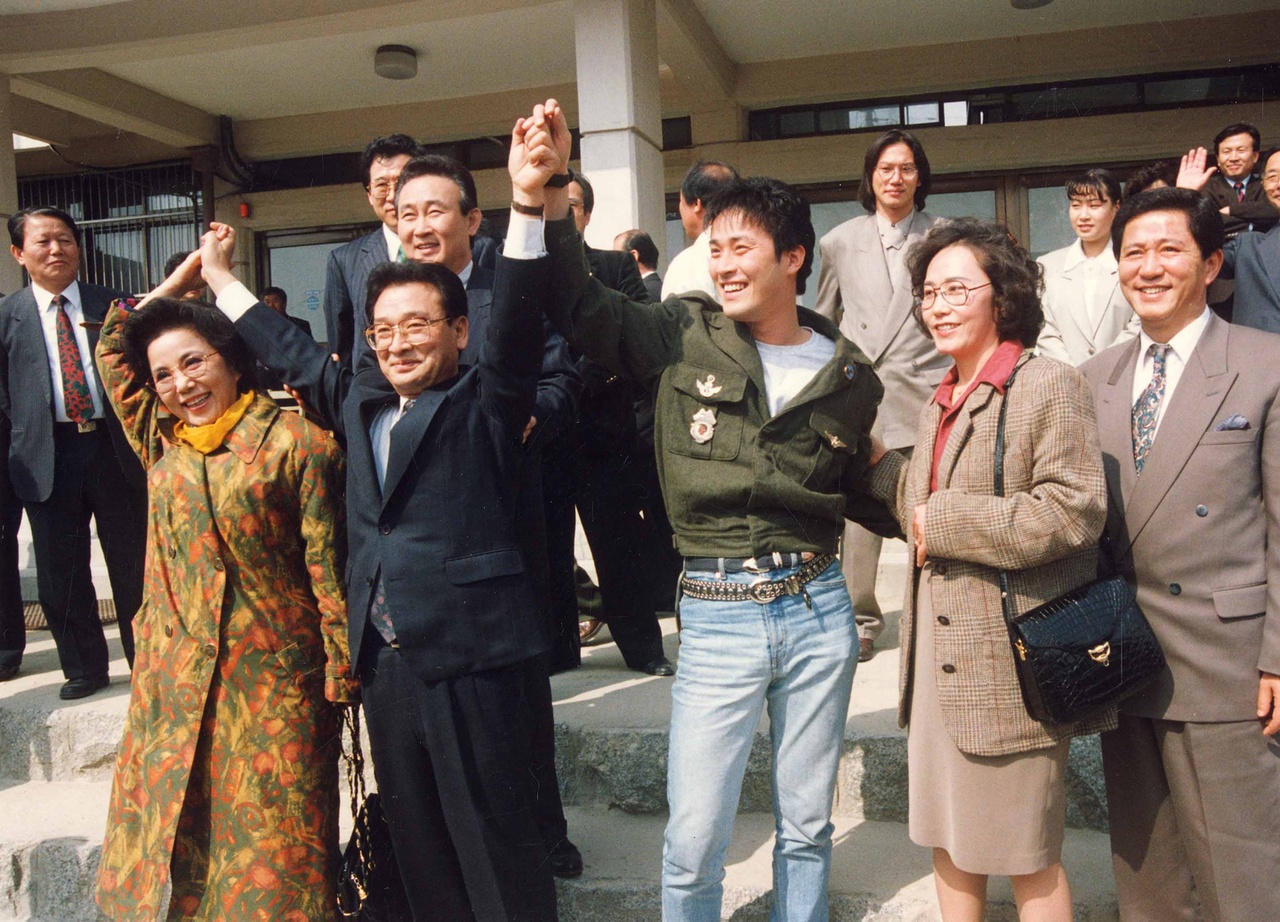
Lee chose not to seek re-election and instead returned to acting. He reached new levels of popularity in the late 1990s and 2000s through daily television dramas, including MBC’s “See and See Again” (1998-99) and “Hur Jun” (1999). Both shows achieved record viewership ratings, peaking at 57.3 percent and 64.8 percent, respectively.
This popularity continued in the mid-2000s, when he starred in MBC's sitcom “High Kick!” (2006-07). His iconic character — a boisterous but bumbling grandfather — continues to be widely used as a meme on social media.

Lee never forgot his love for the stage. He continued performing in local productions, including “Death of a Salesman” (2000), “The Story of an Old Couple” (translated, 2005), “Love Story” (translated, 2013), “On Golden Pond” (2015) and “The Student and Mister Henri” (2017).
In 2022, at the age of 88, he performed in four plays and made his directorial debut with Anton Chekhov's “The Seagull” (1896), which he also starred in. The next year, he became the oldest Korean actor to play King Lear in the eponymous Shakespearean tragedy. He stepped down from a December 2024 production of “Waiting for Godot” (1952) due to health concerns after doctors recommended rest.
Lee was also a dedicated educator. He taught acting for more than a decade at Sejong University and Gachon University and mentored countless young actors.
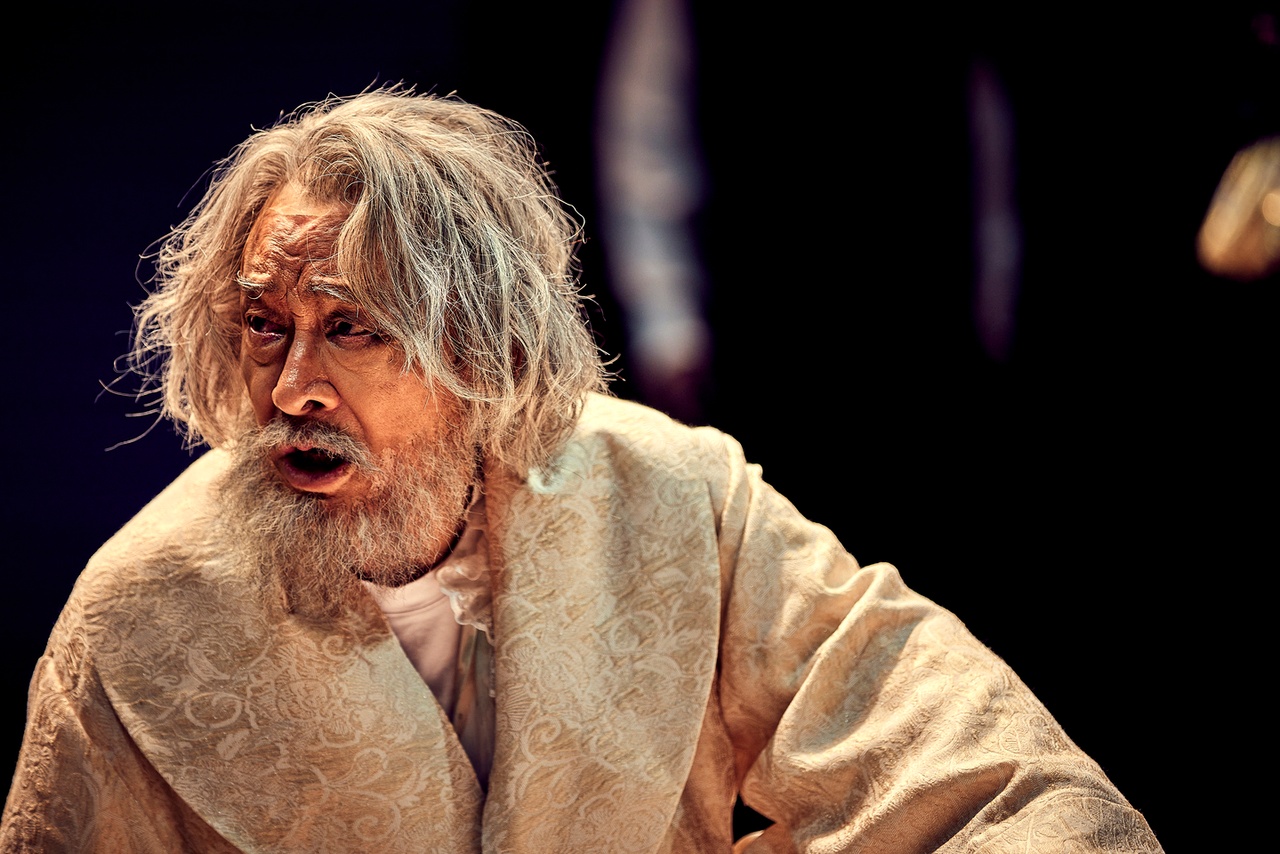
“To an actor, acting is life itself,” Lee once said. “Those who took it lightly have disappeared from screens big and small.”
When asked to introduce himself during the special performance at the Baeksang Arts Awards, he responded not with words but with numbers, citing the hundreds of plays, dramas and films that he had appeared in. Lee's body of work spans some 425 productions across all media.
When asked how he would like to be remembered as an actor, Lee simply replied, “I hope people remember me as someone who worked hard,” before delivering a monologue from “King Lear.” Every word he wished to leave behind remains on our stages and screens.
This article was originally written in Korean and translated by a bilingual reporter with the help of generative AI tools. It was then edited by a native English-speaking editor. All AI-assisted translations are reviewed and refined by our newsroom.
BY CHOI HYE-RI [shin.minhee@joongang.co.kr]