Do independent agencies help stars strike out on their own — or just skip out on taxes?
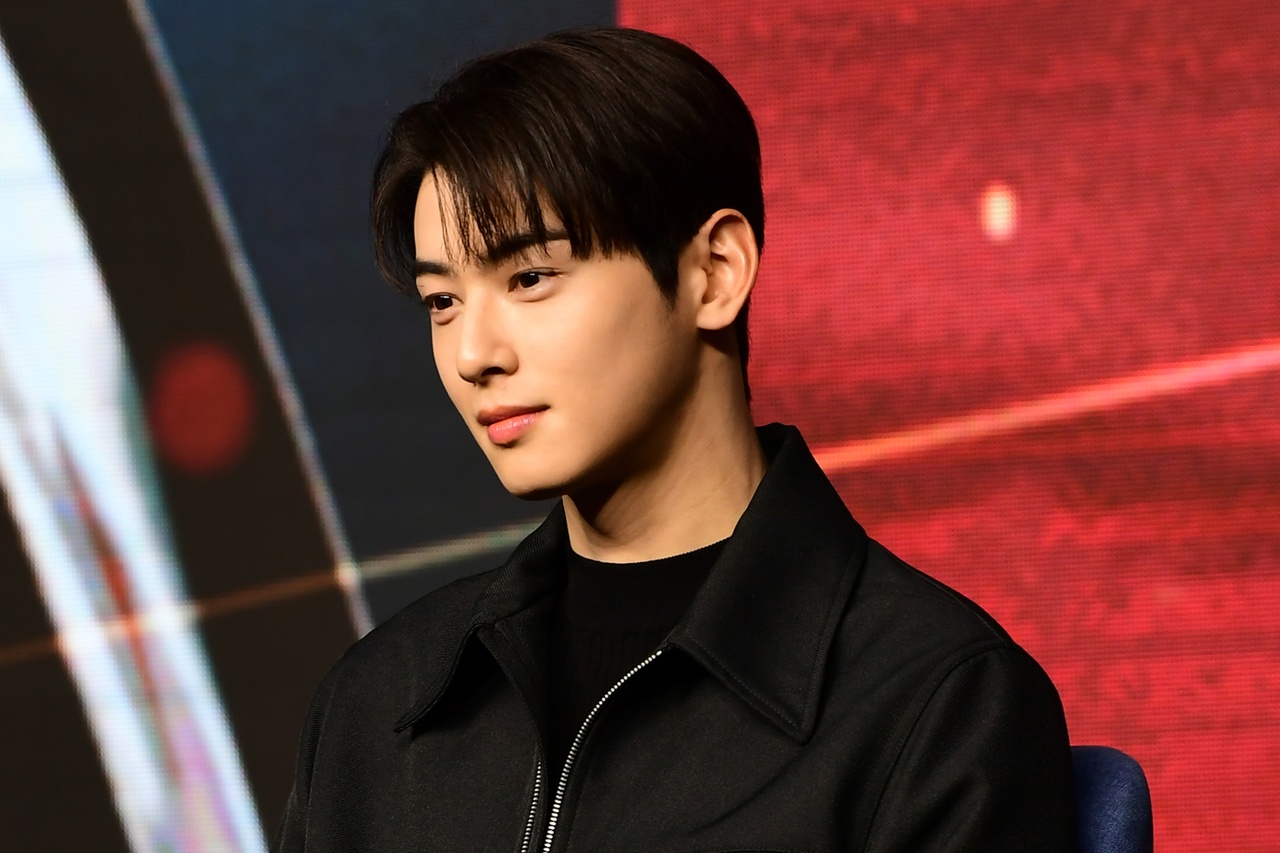
As the investigation into alleged tax evasion by singer-actor Cha Eun-woo unfolds, questions are swirling over not only the staggering amount — reported to be in the neighborhood of 20 billion won ($14 million) — but also for how long it went unnoticed.
At the center of the case is an independent agency, known in Korean as a “one-person agency," that Cha established under his mother’s name. The setup reportedly allowed the star to significantly reduce his tax burden. Cha, however, is only the latest in a string of celebrities to face legal scrutiny involving such agencies.
Other stars, including actors Lee Ha-nee and Yoo Yeon-seok, were also embroiled in tax controversies last year after the National Tax Service (NTS) accused them of evading taxes. Both denied any intent to avoid taxes and paid the full amount as calculated under a re-assessment audit.
In recent months, separate controversies regarding independent agencies have also surfaced, with stars failing to properly register their private entities. Comedian Park Na-rae, for example, was recently reported for failing to register an independent agency. Rapper CL from girl group 2NE1 was referred to prosecutors on charges of operating an unregistered agency for five years. The CEO of Gang Dong-won’s agency was also sent to prosecutors on similar charges, though the actor himself was cleared after police determined he had not been involved in the agency’s management. Most recently, singer Lee Hi reportedly operated an unregistered independent agency for five years.
Under the Popular Culture and Arts Industry Development Act, anyone operating an entertainment management agency is required to register as a popular culture and arts planning business. When violated, the person may face penalties of up to two years in prison or fines of up to 20 million won.
Despite mounting controversies and growing criticism of independent agencies for tax loopholes, an increasing number of celebrities have continued to venture out on their own. Why are so many stars choosing the independent path — and how did it become the center of legal controversies?
What is an independent agency?
An independent agency, as the term suggests, is a corporate entity set up for a single artist or celebrity. This does not necessarily mean that the star manages it entirely on their own, as these agencies often employ staff who handle day-to-day operations.
Though it has been significantly noticeable nowadays, the concept itself is not entirely new. It began emerging in the 2000s, with actor Bae Yong-joon, one of the original stars of the Korean Wave who rose to fame through “Winter Sonata” (2002), founding BOF Entertainment. The company later grew and was renamed Keyeast, which has become one of the largest agencies for actors in Korea.
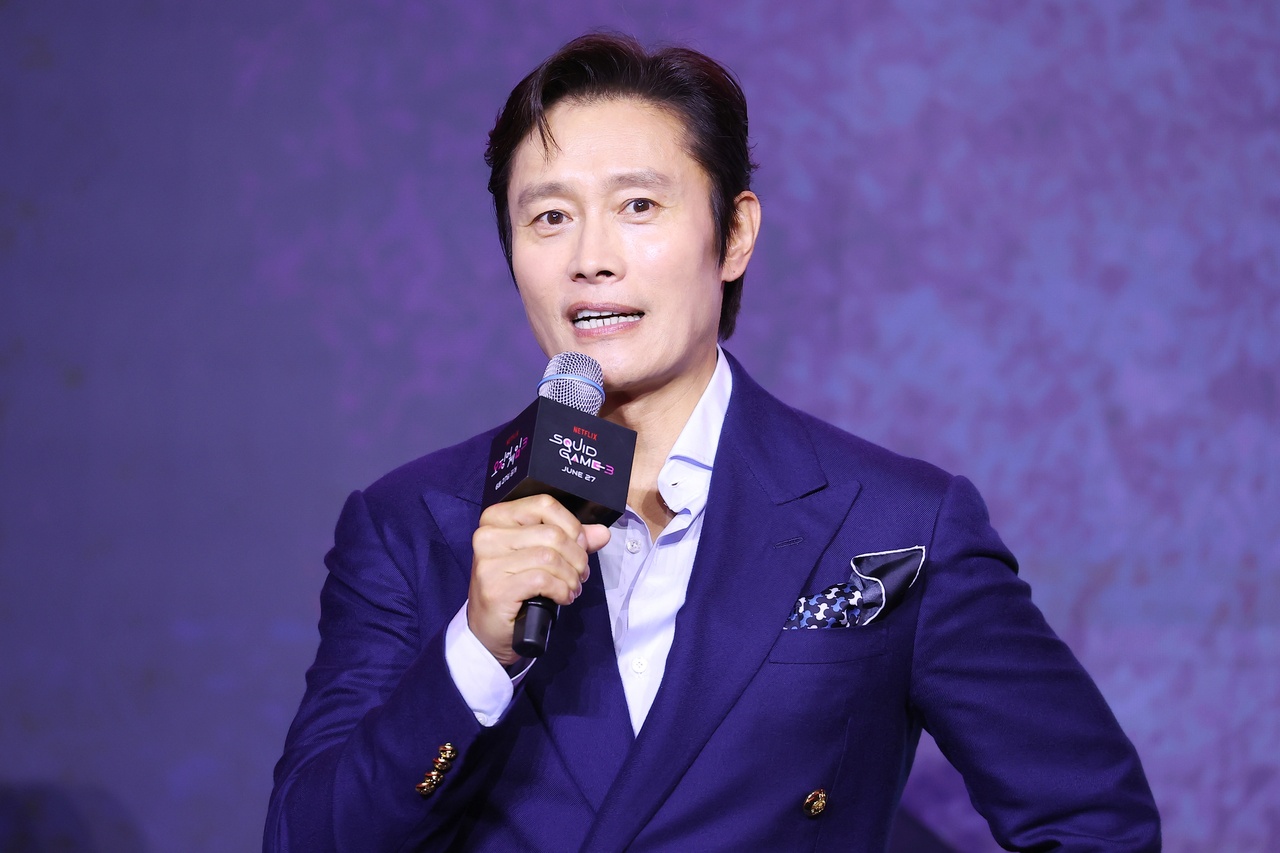
Actor Lee Byung-hun was also an early pioneer of the trend, establishing the eponymously initialed BH Entertainment together with his manager. Like Keyeast, BH Entertainment has since grown into a major actor agency.
Yet, during the early years of this trend, it was generally believed that only top-tier celebrities with their own distinctive identity could launch their own agencies. Critics say the landscape has shifted in recent years, leading to a wider trend even among budding celebrities.
“It has long been thought that only major stars with their own distinctive branding could set up their own agencies,” said pop culture critic Kim Hern-sik. “But nowadays, it seems that almost every celebrity is considering running a personal agency.”

Why choose an independent label?
When artists are exclusively contracted with an agency, the agency often has the final say on what the artist can or cannot pursue. However, when an artist parts ways with their agency and establishes their own entity, they gain creative control and the freedom to take on projects they truly want.
“I established the agency after careful thought, wanting to carry out my personal activities more comfortably,” said Blackpink’s Jennie in a KBS music talk show in January last year, after launching her independent agency, Odd Atelier, also known as OA Entertainment.
“I just feel like I want to have complete freedom in all my activities.”
The risk of artists being pushed into activities that do not suit them or align with their tastes is also reduced.
“Agencies often focus on their own profits, which can lead to projects that don’t suit an artist’s character or image, sometimes even damaging it,” critic Kim said. “This is not ideal for fans either. Through an independent agency, however, the artist’s rights can be better protected, and it also contributes to cultural diversity.”
Another factor encouraging stars to go independent is the rise of various platforms. Critic Kim pointed out that the one main reason artists have historically relied on agencies is that they handle the business side — negotiating deals, marketing and essentially acting as the artist’s sales representatives. However, with the development of social media and other platforms, reliance on agencies has naturally decreased.
Moreover, as artists gain experience and see how the industry operates, many come to feel confident they can manage on their own.
“Management is time-consuming and unfamiliar for those just debuting, as they don’t yet know how things operate,” culture critic Sung Sang-min said. “But once they’ve been in the industry for a while, they start to understand how it works, and over time, it’s easy for them to feel that they can handle it by themselves rather than rely on everything on a management company.”

Finance is also a key factor
While creative control is a key reason behind the independent agency movement, experts point to a more practical factor: finances — or in other words, “to fully preserve their earnings,” as critic Kim described it.
When an artist is under a traditional agency, revenue is split between the agency and the artist. Typically, the agency calculates total revenue, deducts expenses related to the artist’s activities and distributes the remaining profit according to the agreed-upon ratio. And for top-tier artists, who have earned over 1 billion won in a year, personal income tax can reach as high as 45 percent, or 49.5 percent including local taxes — meaning nearly half of their earnings go to taxes.
However, when a celebrity establishes an independent agency as a corporate entity, which is often the case, they can significantly reduce their tax burden. Unlike in a traditional agency structure, the artist is not required to receive all personal earnings at once.
Under the current tax system, the top corporate tax rate is 24 percent, which applies to taxable corporate income exceeding 300 billion won in a year. This means that the company — and the lone celebrity it "manages" — pockets more money after the government takes its cut. The 24 percent rate, which corresponds to the personal income tax bracket for individuals earning between 50 million and 88 million won annually, is especially appealing to many high-profile celebrities, who are often reported to earn hundreds of millions of won.
By forming a corporate entity, the artist effectively becomes an employee of their own company and is paid as such. This structure allows income to be distributed over time rather than received in a lump sum. As a result, earnings are often paid out in installments, lowering the effective personal income tax rate to well below 45 percent.
“If you operate as a self-employed individual, earning 1 billion won would mean the entire amount is taxed under personal income tax,” tax accountant Choi Hee-yu explained. “But when being under a corporation, you don’t have to receive the full 1 billion won at once.”
While many independent agencies operate legitimately, the financial disparity has fueled speculation about these businesses, raising questions about whether a corporate structure is being used to exploit tax loopholes and retain more earnings.

How did it come to the center of legal controversies?
What was originally a tool for artists to expand their creative boundaries has recently become the subject of scrutiny and speculation following back-to-back controversies related to it.
Experts say the root of these issues often lies in a lack of expertise in operating such agencies, which, in some cases, has led to legal disputes over unregistered status or allegations of embezzlement.
In Korea, when a celebrity decides to launch a self-led agency, they often team up with people they trust — family members, close acquaintances or managers.
However, regardless of who is involved, a corporation must operate in accordance with corporate law, conducting and documenting actual business activities, such as maintaining an office and employing staff to support the artist. This is the key point the NTS considers when determining whether an entity was established to legitimately manage an artist’s activities or to evade taxes.
“The question is whether they set up a corporation but operated it just like an individual entrepreneur,” tax accountant Choi said. “In other words, a sole proprietorship is run entirely by an individual, whereas an independent agency is technically a corporation. The main issue is whether they are using the corporate structure in name only, just to reduce taxes.”
This has been a key issue in actor Cha’s case, as experts say the NTS viewed his independent agency as a paper companythat did not perform any substantial functions for his activities, with some pointing out that the agency was once registered to the actor’s parents’ eel restaurant.
Misunderstandings about independent agencies — that the artist can act however they wish — also contribute to problems, such as failing to separate personal and business matters. Many overlook the fact that registering a corporation means managing and operating an entire company.
“Just because it has the term ‘one person’ doesn’t mean that the individual can act however they want,” critic Kim said, referring to comedian Park’s case, where she was accused of making her manager handle personal matters. “It uses the term because it has only one artist.”
“However, there seems to be a common misconception that an independent agency allows the artist to do whatever they want, which later can lead to serious problems and, ultimately, backfire on the star. Treating a corporate entity as if it were entirely personal almost inevitably leads to trouble.”
BY KIM JI-YE [kim.jiye@joongang.co.kr]