Is Park Chan-wook's Cannes appointment a sign of respect for the director or Korean cinema overall?
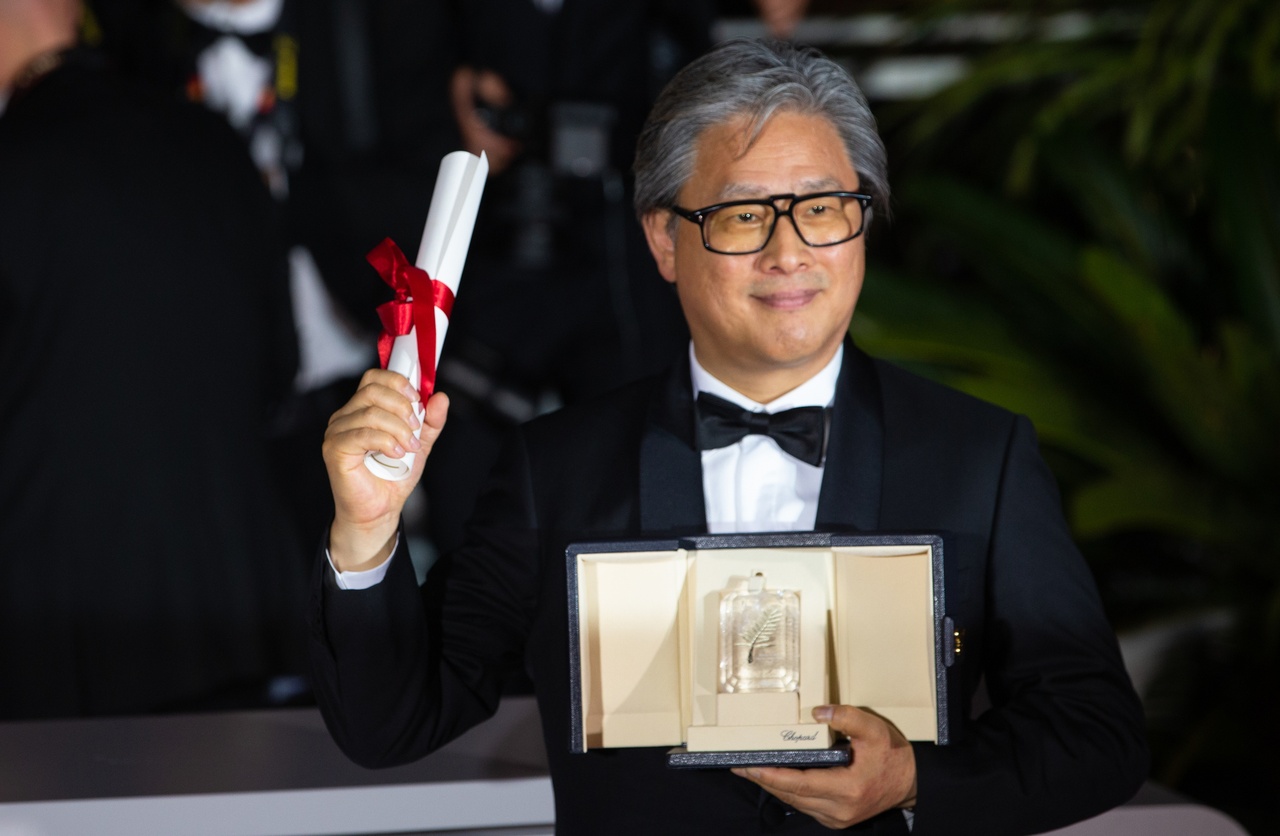
When Korean filmmaker Park Chan-wook was appointed as the President of the Jury for the feature films competition section of the Cannes Film Festival last month, some might have wondered why.
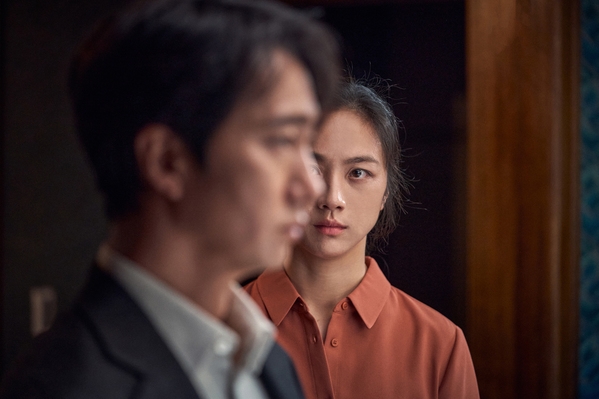
Although Park has long been considered a Cannes favorite, even sometimes called “Cannes Park” for winning the Grand Prix in 2004 for “Oldboy” (2003), the Jury Prize for “Thirst” (2009) and Best Director for “Decision to Leave” (2022), the 62-year-old director has never nabbed the Palme d'Or, the festival's top prize, which his peer Bong Joon-ho achieved with “Parasite” (2019).
Now, as the jury president, Park is to oversee the deliberation process to select the winners from the films in competition, including the festival’s top honor, the Palme d'Or, alongside eight other jury members. This year’s jury members have yet to be announced, as the panel is newly appointed each year. Park will also announce and present this year’s Palme d’Or at the closing ceremony.
“Park Chan-wook’s inventiveness, visual mastery and penchant for capturing the multiple impulses of women and men with strange destinies have given contemporary cinema some truly memorable moments,” said festival president Iris Knobloch and director Thierry Frémaux in a press statement announcing the appointment. “We are delighted to celebrate his immense talent and, more broadly, the cinema of a country deeply engaged with the questioning of our time.”
Yet the decision still invites questions: Why Park, why now and does this signal another step forward for Korean cinema?
While both Park and Bong are widely regarded as auteurs, Park’s works, especially his “Vengeance Trilogy” — “Sympathy for Mr. Vengeance” (2002), “Oldboy” and “Sympathy for Lady Vengeance” (2005) — gained early and significant recognition in France, where the festival is based, following his first major accolade at the festival.
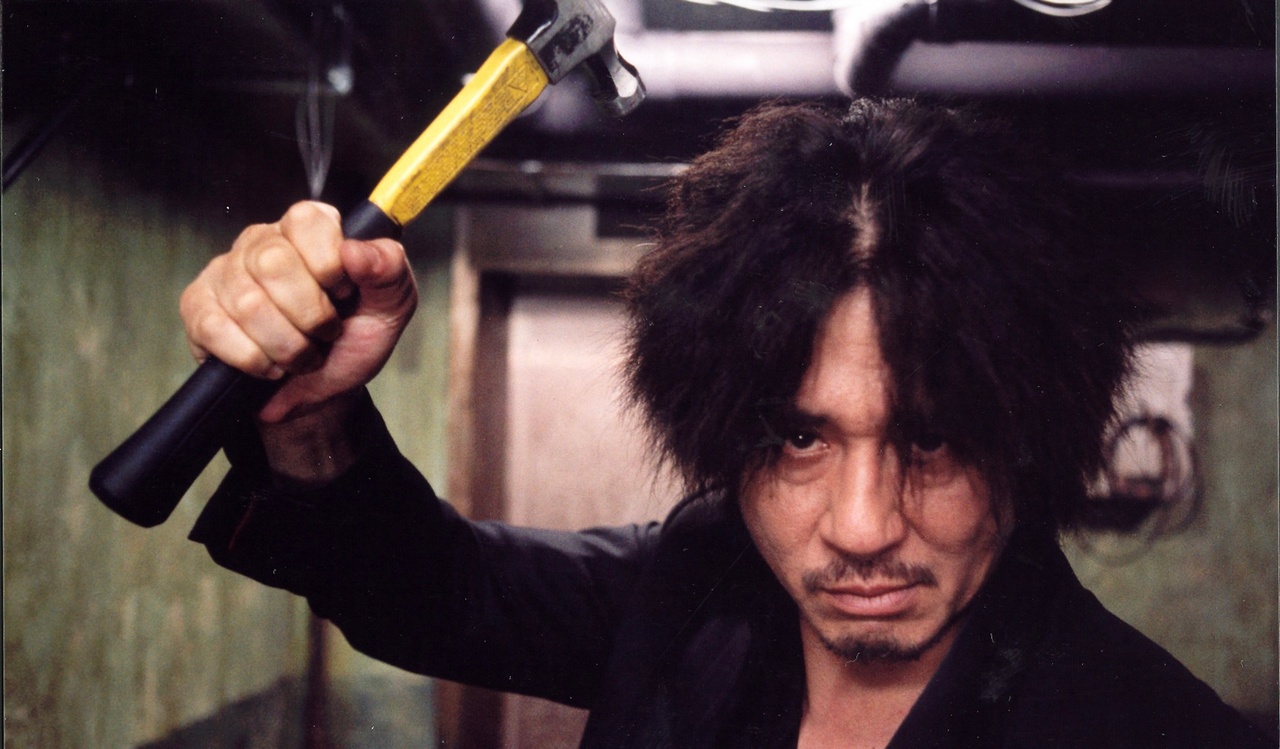
The film’s Grand Prix win in 2004 was also the first time a Korean film received a major award at the festival, marking a turning point in introducing Korean cinema to global audiences, as well as Park's works. French magazine Télérama even wrote that the trilogy "exported Korean cinema beyond its borders."
In the years that followed, Park developed a cult audience in France for his distinctive cinematic style and was frequently described within French cinephile circles as an auteur marked by stylistic intensity. Reflecting its enduring popularity, the trilogy was rereleased in French theaters in 2024.
Park also served as a jury member at the 2017 Cannes Film Festival, presided over by Pedro Almodóvar.
By contrast, Bong Joon-ho — while equally regarded as an influential filmmaker and widely acclaimed by critics — has pursued a more active trajectory in Hollywood. His films tend to be more accessible to broader audiences, blending genre entertainment with sharp social satire. He has collaborated with major international studios, including Warner Bros. and Netflix, on English-language productions such as “Okja” (2017) and “Mickey 17” (2025).
As such, this foundation, along with Park’s longstanding relationship with the festival, may have led to Park's appointment, critics say.
“The Cannes Film Festival is, after all, a festival held in France, and no matter how fairly it tries to judge, the perspectives of the French film community are likely to be reflected to some extent,” pop culture critic Sung Sang-min said. “It’s not that Bong’s work hasn’t been well received, but Park’s ‘Vengeance Trilogy’ drew significant attention in France, even in a time when Korean cinema, more broadly Asian cinema, had far less global recognition.”
“I do believe that the festival may have been more inclined to appoint a director who had, in many ways, left a strong impression on the French film scene.”
Sustaining a high level of artistic achievement and public recognition over time is also no easy task for a director. And Park is regarded as a figure to have done that. Debuted in 1992, the director spent nearly a decade as a relative unknown before gaining widespread attention with “Joint Security Area” (2000). Since then, he has consistently earned critical acclaim, even though some of his films fell short commercially.
“Even among established directors, there are many cases where their work falls out of favor with age compared to the films they made in their early careers,” said film critic Youn Sung-eun, adding the festival has acknowledged Park's strong track with his appointment. “But Park is a director who has consistently maintained an exceptionally high level of quality, continuing to make audiences look forward to his next project.”
It is undeniable that producing a jury president for one of the world’s most prestigious film festivals is a major achievement for the country. Still, critics remain cautious about linking it to broader implications for the Korean film industry and its global standing or viewing it as a sign of a brighter future.
“I think Park’s appointment as jury president is, to be honest, closer to a personal honor than something that will significantly shift global perceptions of the Korean film industry,” said critic Youn.
Some also point out that the link between Park’s achievement and the global standing of Korean cinema as a whole remains limited. The perception of renowned Korean filmmakers, like Park and even Bong, nowadays often transcends nationality overseas, Youn noted, saying that they are seen as directors who make Korean films, rather than Korean directors making films.
“They are exceptional filmmakers from Korea who are active on the global stage, but it would be hard to see them as truly representing the industry as a whole or to say that their success indicates the overall state of Korean cinema,” said Youn.
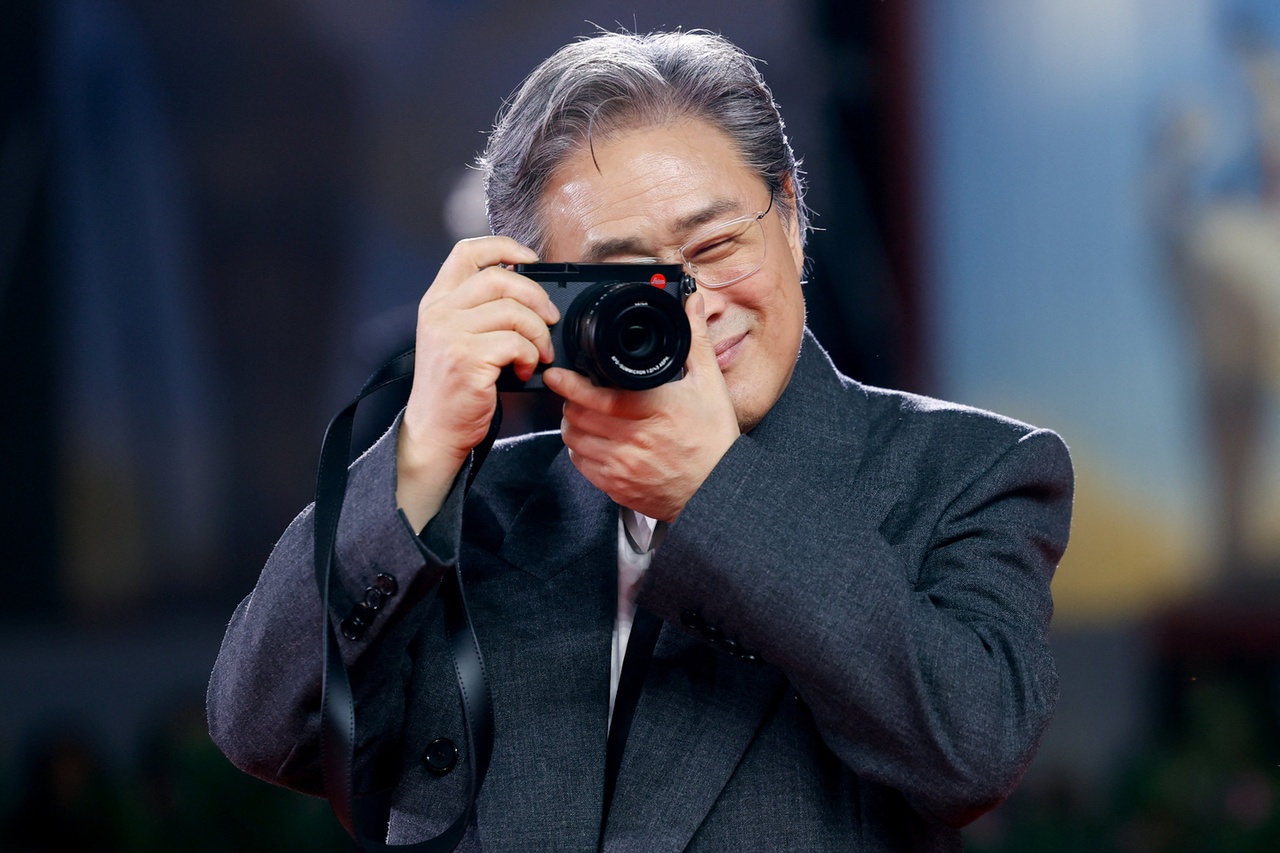
Beyond Korea, Park’s appointment also carries broader significance, potentially signaling a wider opening to diverse voices, as he is the first Asian jury president in two decades, following Hong Kong director Wong Kar-wai, who served in 2006.
Despite being one of the world’s most prestigious international film festivals, Cannes has historically centered on regions where the film industry first flourished, particularly Europe and, to some extent, the United States, creating relatively high barriers to entry for Asian filmmakers.
By appointing Park as jury president and placing him in a role with the highest authority over final decisions, the festival may be opening up, viewing Asian filmmakers not only as recipients of awards but also as those who decide who receives them, Sung said.
Still, critics stressed that it is too early to say whether the change will last.
“It is still too early to say that this marks a definitive change, with simply Park being appointed, as the festival could always revert to its previous pattern next year,” Sung said. “However, this move can be seen as signaling a potential shift and opening the possibility for changes.”
The 79th Cannes Film Festival will open on May 12 and run through May 23.
BY KIM JI-YE [kim.jiye@joongang.co.kr]