JYP's new government gig: Good or bad news for K-pop?

The nomination of JYP Entertainment founder Park Jin-young to co-chair a new presidential pop culture exchange committee has left much of the K-pop industry doing a double-take: Is this a boon, or might it backfire?
It marks the first time a singer — a still-active one at that — has been tapped for a ministerial-level government position. The decision by the Lee Jae Myung administration has stirred anticipation for long-overdue reforms, but not without a bit of anxiety from skeptics wary of potential political entanglements, and also wondering whether real solutions will materialize.
Unlike film and television, where actors and directors have previously gone on to serve in ministerial posts, K-pop’s relationship with the government has been relatively more hands-off. Most recently, veteran actor Yu In-chon served as the minister of culture, sports and tourism from 2023 to July, his second appointment for the role after serving under the Lee Myung-bak administration from 2008 to 2011.
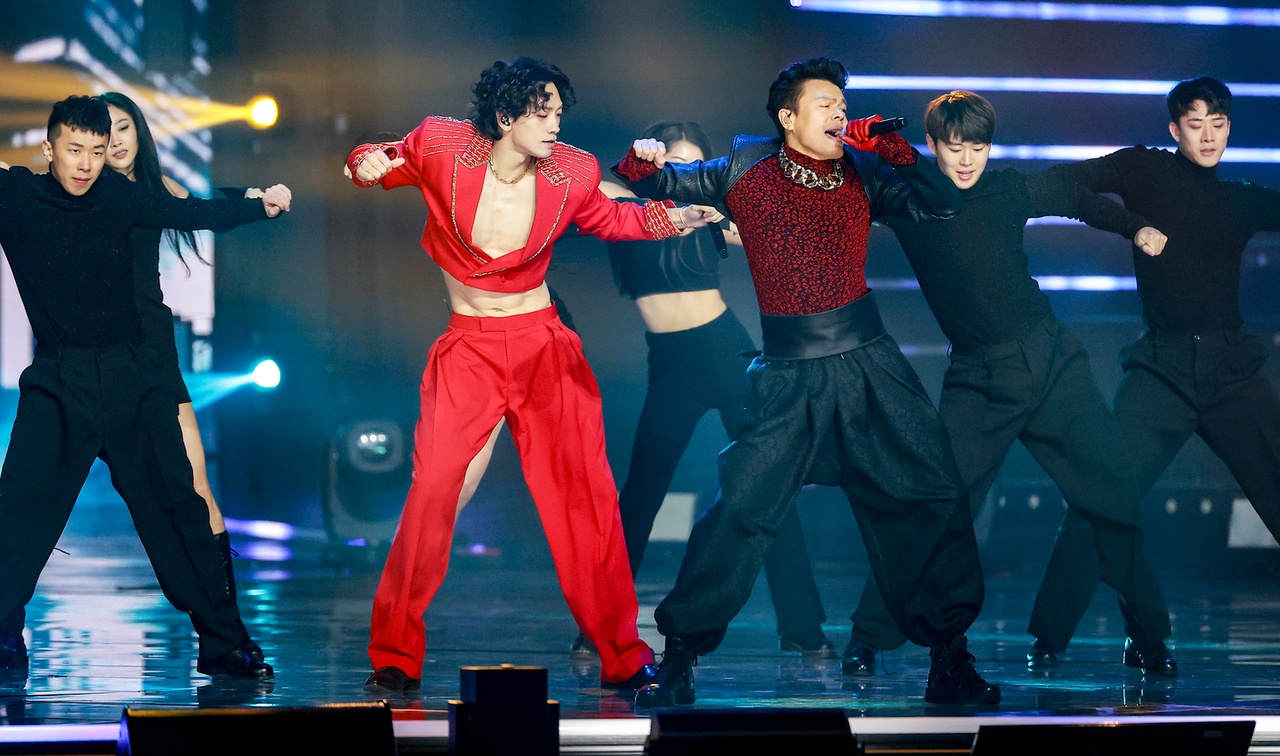
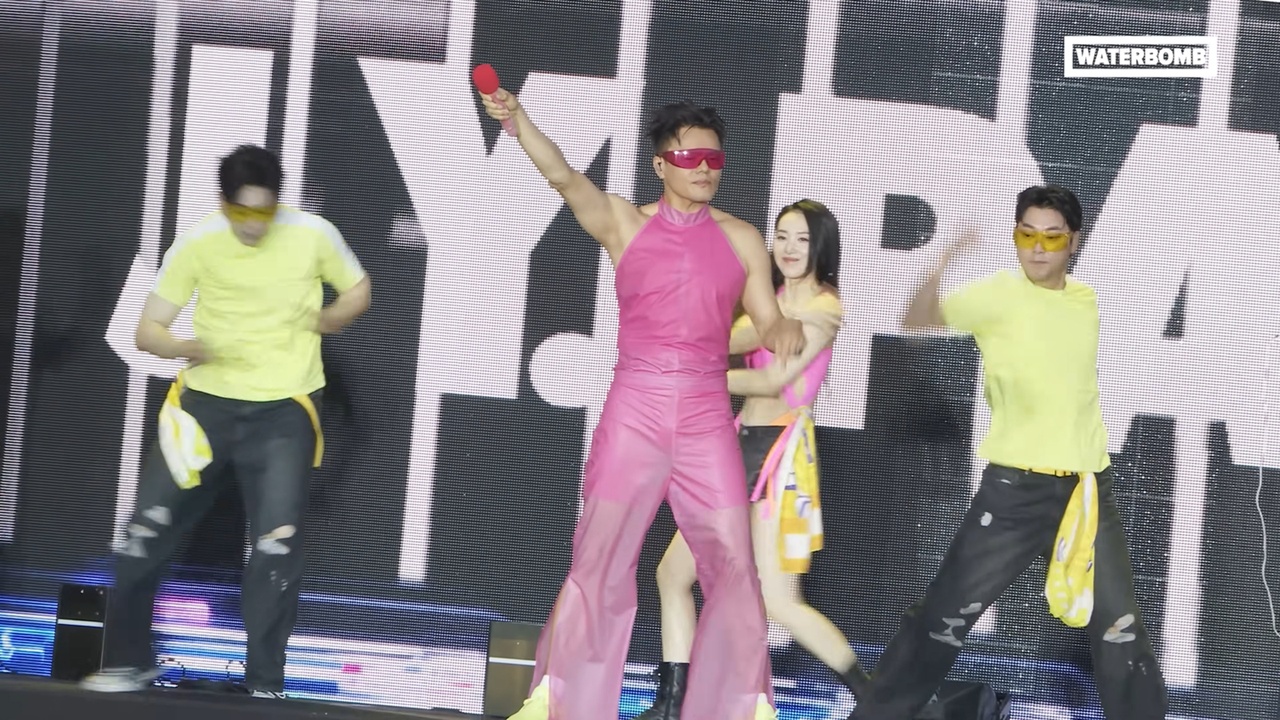
That is why the presidential office's Sept. 9 announcement naming Park as the inaugural co-chair of the Presidential Committee on Popular Culture Exchange, alongside Culture Minister Chae Hwi-young, took the industry by surprise. Park is best known for his flamboyant stage persona and for producing some of K-pop’s biggest acts, including g.o.d., Rain, Wonder Girls, 2PM, Twice and Stray Kids. He debuted in 1994 as a singer, and founded JYP Entertainment two years later.

Park's appointment will become official on Wednesday with the launch of the presidential committee, marked by an inauguration ceremony featuring Stray Kids and Le Sserafim.
While there are longstanding issues demanding administrative attention like the lack of infrastructure for global-scale concerts and rampant ticket scalping, insiders say the government's role must go deeper and address other matters such as burgeoning production costs and growing concerns over the industry’s financial sustainability.
What the industry needs
The pressing question at hand is what this new committee can and will actually deliver.
K-pop industry insiders suggest that the government has been slow to match the music industry’s explosive global rise with meaningful structural support.
Compared to the film and television industry, where large-scale productions receive funding support from state-backed agencies like the Korean Film Council, K-pop agencies receive relatively little financial backing.
“It all comes down to the support for production,” said Beat Interactive CEO Kim Hye-im, who launched rookie boy band Newbeat and A.C.E. previously.
“K-pop agencies aren’t just managers, they’re production companies,” the CEO stressed, noting that K-pop agencies function as full-fledged production studios rather than mere managers for individual artists, overseeing everything from songwriting to global tours.
“If each album or project can be treated as a separate production or individual IP, I believe government support could help generate more high-quality content,” Kim added.
Calls for administrative and financial support come as production costs of K-pop groups have grown exponentially over the past decade, pushing smaller agencies to the brink while much bigger companies like HYBE dominate the landscape.
“In European nations like Sweden, for example, the government provides subsidies for songwriters when they participate in songwriting camps,” said a veteran music industry executive from a mid-sized K-pop agency, who wished to remain anonymous. “Those kinds of realistic areas are where the government’s support can play a role.”
Walking a tightrope
While many in the industry welcome Park's appointment as a step in the right direction, concerns linger, especially with the risk of being drawn into political rhetoric.
Until now, K-pop has stood largely apart from any government or politics, particularly since the end of Korea’s military dictatorship in the late 1980s. Though politicians occasionally seek to leverage K-pop idols’ star power for diplomatic or domestic political agendas, the industry has functioned independently, and whoever happened to occupy the presidential office usually did not affect the industry on a broad scale.
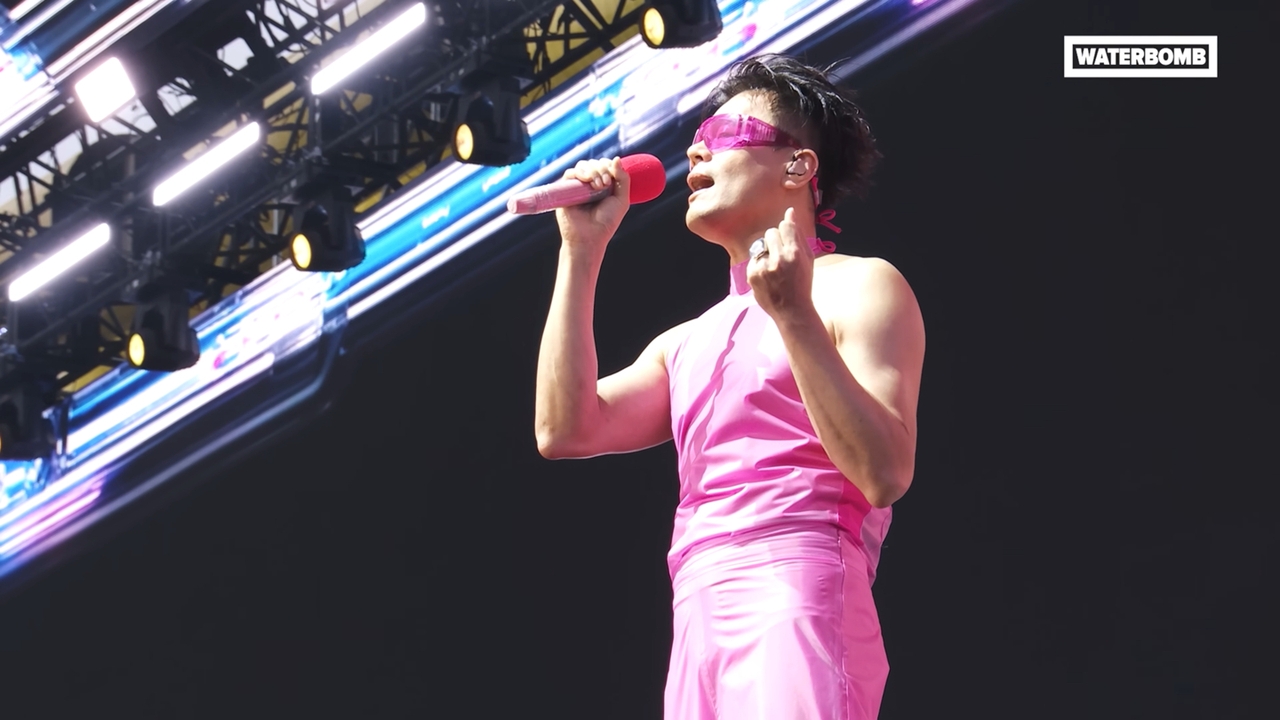
While Park’s appointment isn’t perceived as inherently political, the prospect of direct government involvement raises concerns.
“It’s not necessarily about the political affiliation,” said an entertainment industry insider who wished to remain anonymous, as he was not authorized to speak on behalf of his company. “But the concern is that sensitive matters could be exposed or explored because of the fact that [an agency head] holds a major government role.”
Another concern is equity, as government assistance may unintentionally reinforce the dominance of major players already in the spotlight, rather than elevating the ecosystem as a whole.
“Realistically speaking, if the government’s support flows to benefit only major companies, it could help only bigger companies survive,” suggested Kim of Beat Interactive.
BY SHIN HA-NEE [shin.hanee@joongang.co.kr]