Singing, signs and slogans: How K-pop fans add their own unique dimension to idol concerts
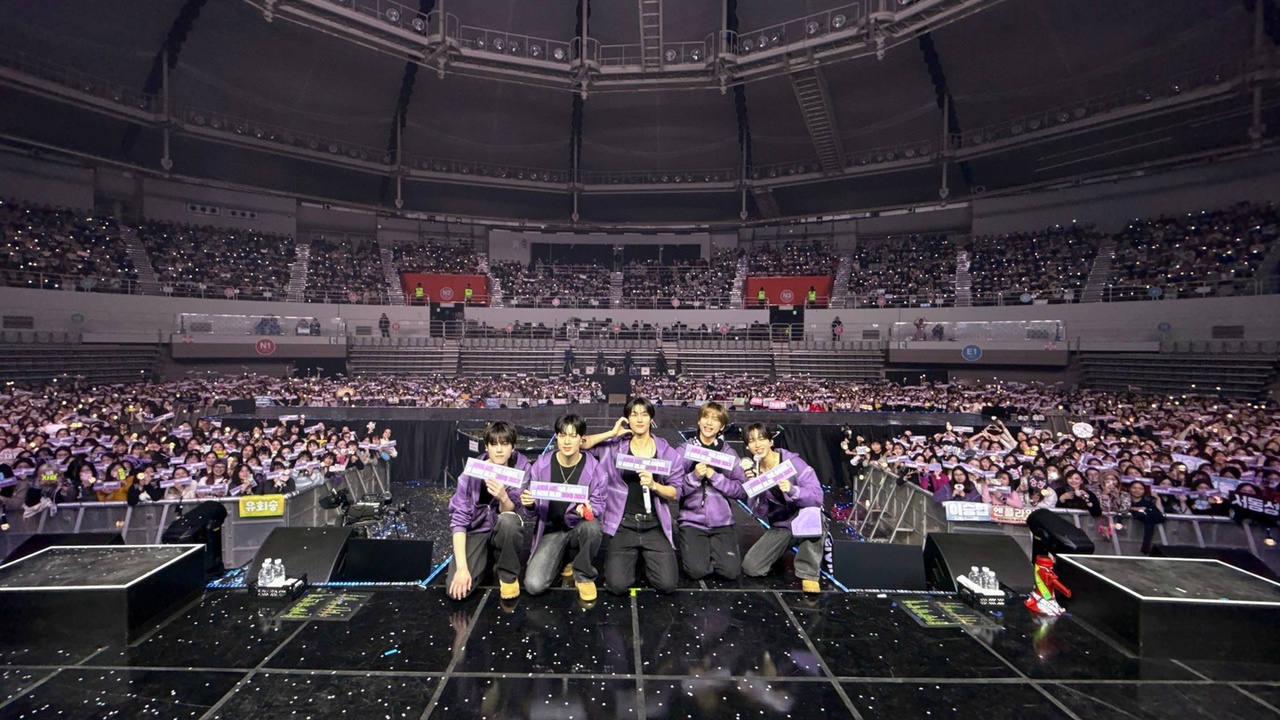
At nearly every K-pop concert, a familiar ritual unfolds — one that resembles the handwritten confession of love in the 2003 romantic comedy “Love Actually.”
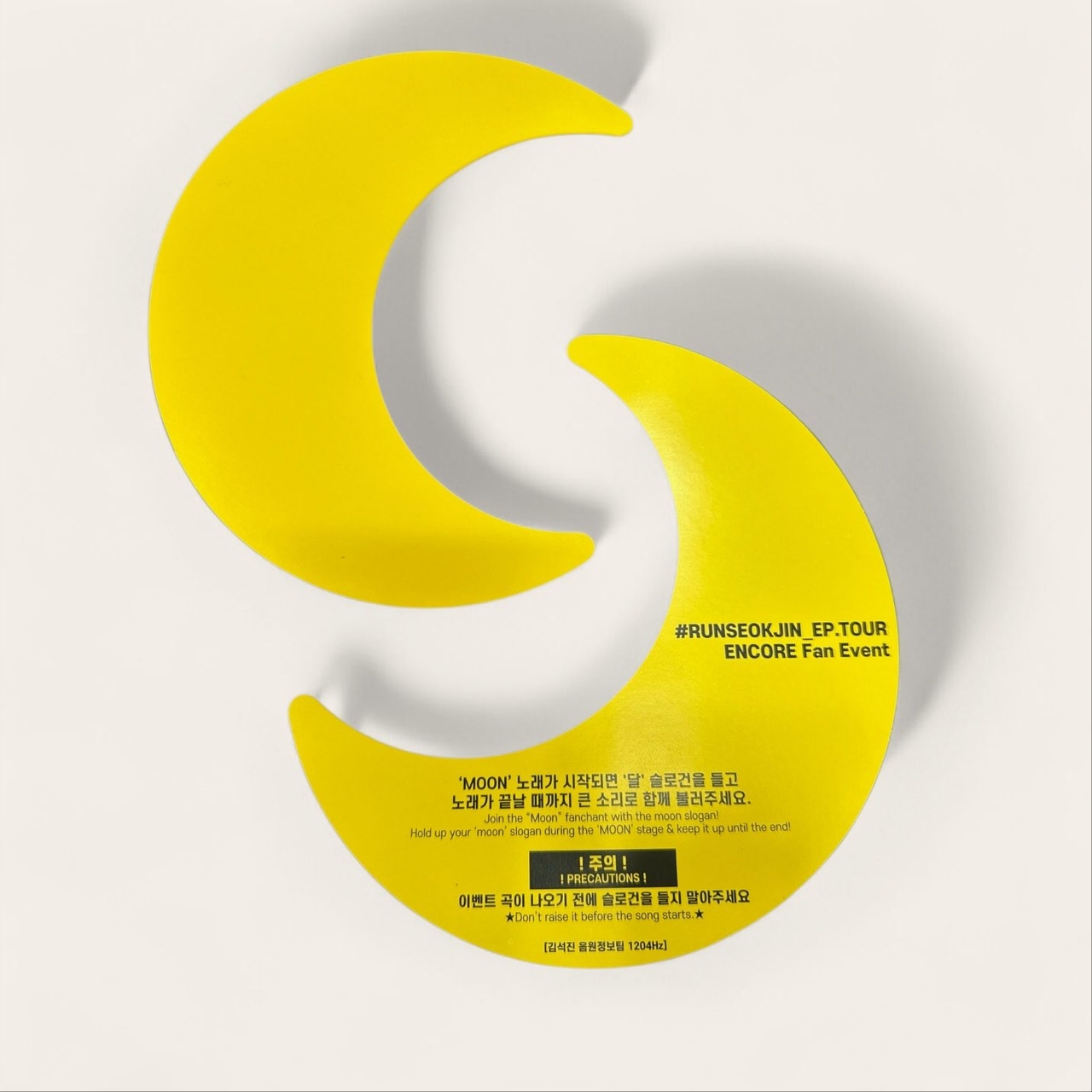
Thousands of hands rise in unison, each holding a heartfelt message for the idols onstage. Organized in secret and typically funded online by fans, these events aim to catch artists off guard and create a moment of shared emotion.
While concerts, by definition, are public performances given by artists, K-pop turns them into something more: a two-way exchange, or even a three-way engagement with the agencies deeply involved, as what began as a fan-driven gesture in the early 2010s has since evolved into a defining form of interaction between K-pop artists and audiences.
As K-pop concerts have grown in scale and spectacle, so too has the culture surrounding them — where fans are no longer passive spectators but active participants shaping the emotional narrative of a show. The creative possibilities seem endless, as fans organize tribute videos to be screened during shows or orchestrate surprise chants of "Thank you" or "We love you," always finding new ways to make each moment feel more personal.
Idols serenaded by fans
On Dec. 19, the first night of K-pop rock band N.Flying’s three-day encore shows in Seoul, thousands of N.Fia — the boy band’s official fandom — lifted paper signs on cue. Together, a message read: “We’ve received precious happiness; we want to give back everlasting happiness,” a phrase adapted from the band’s track “Everlasting,” released in May.
Behind the coordinated moment was a fan who goes by the nickname Daramjinee.
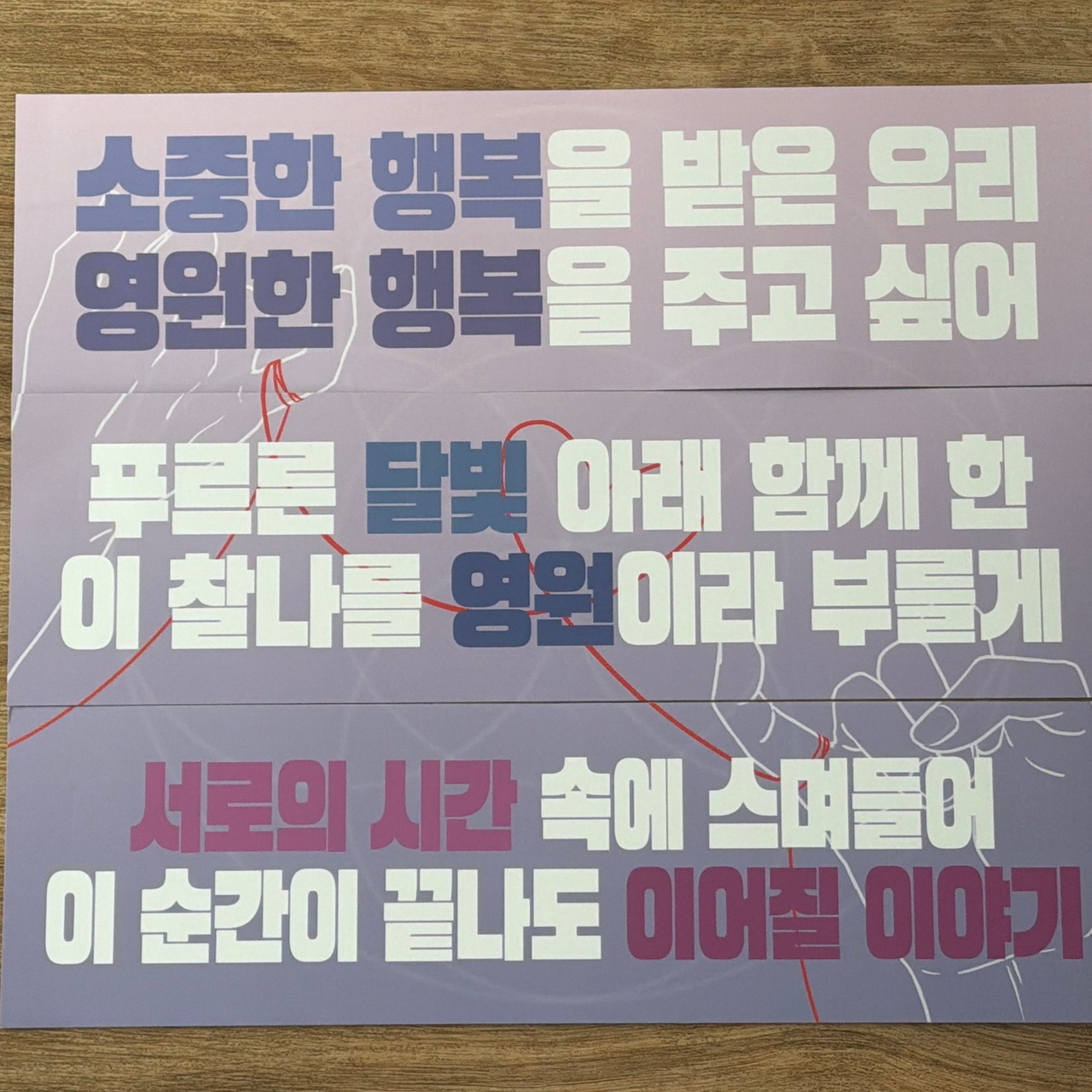
Working alongside 14 fellow fans, she helped organize the event, beginning with outreach to the band’s agency, FNC Entertainment, to coordinate what fans call a “slogan event,” all while keeping it a surprise from the group.
The fans designed paper slogans for all three Seoul shows that, when put together, formed an image of two hands connected by a red thread, a reference to the Chinese folktale where destiny binds two people together.
The symbolism did not go unnoticed, as drummer Kim Jae-hyun pointed it out onstage, a moment Daramjinee recalled with a particular fondness.
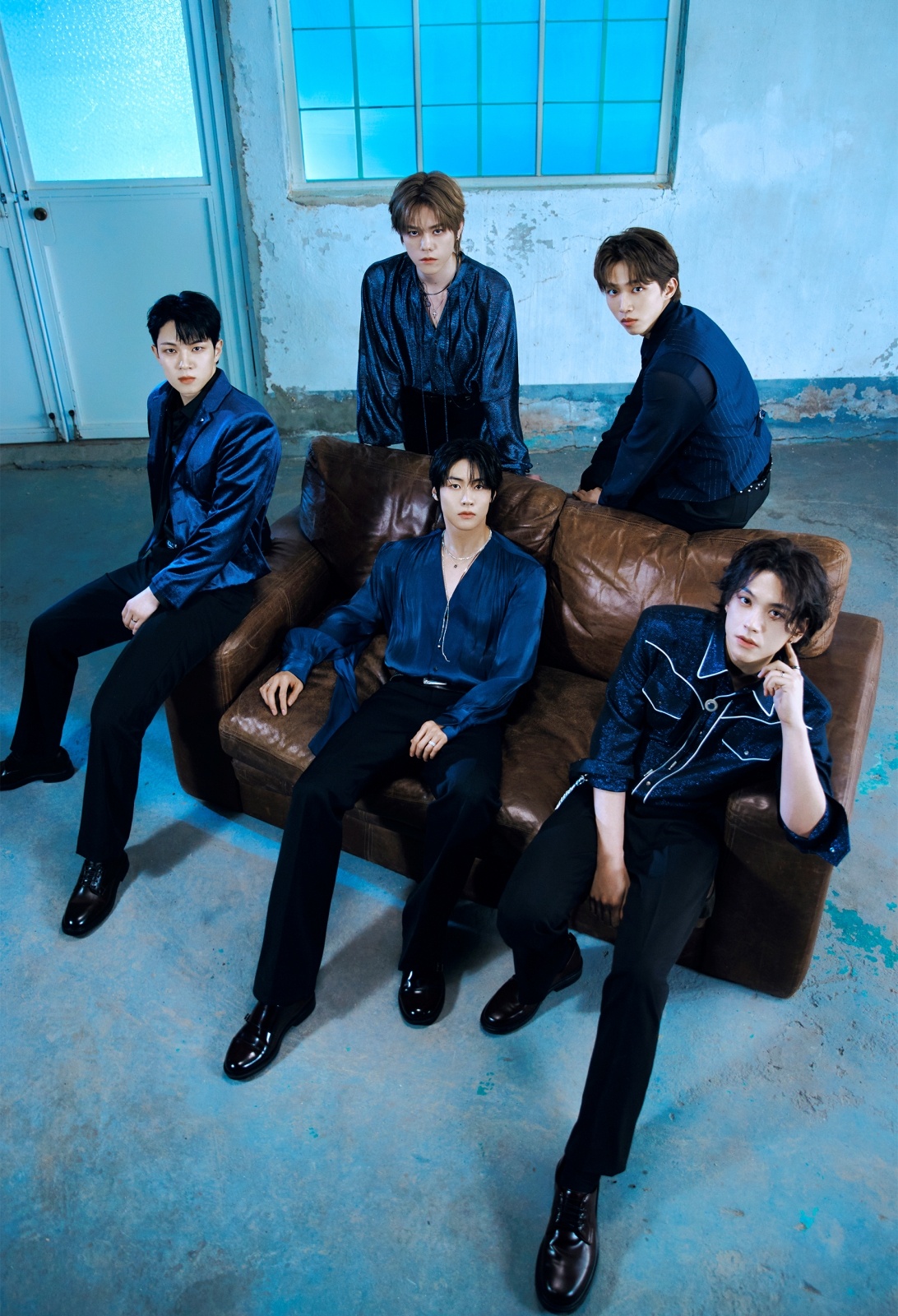
“For the N.Flying members who worked harder than anyone over the year, we wanted to show that N.Fia will always be with them and love them,” she said. “That’s why we planned this for the final Seoul shows of the tour.”
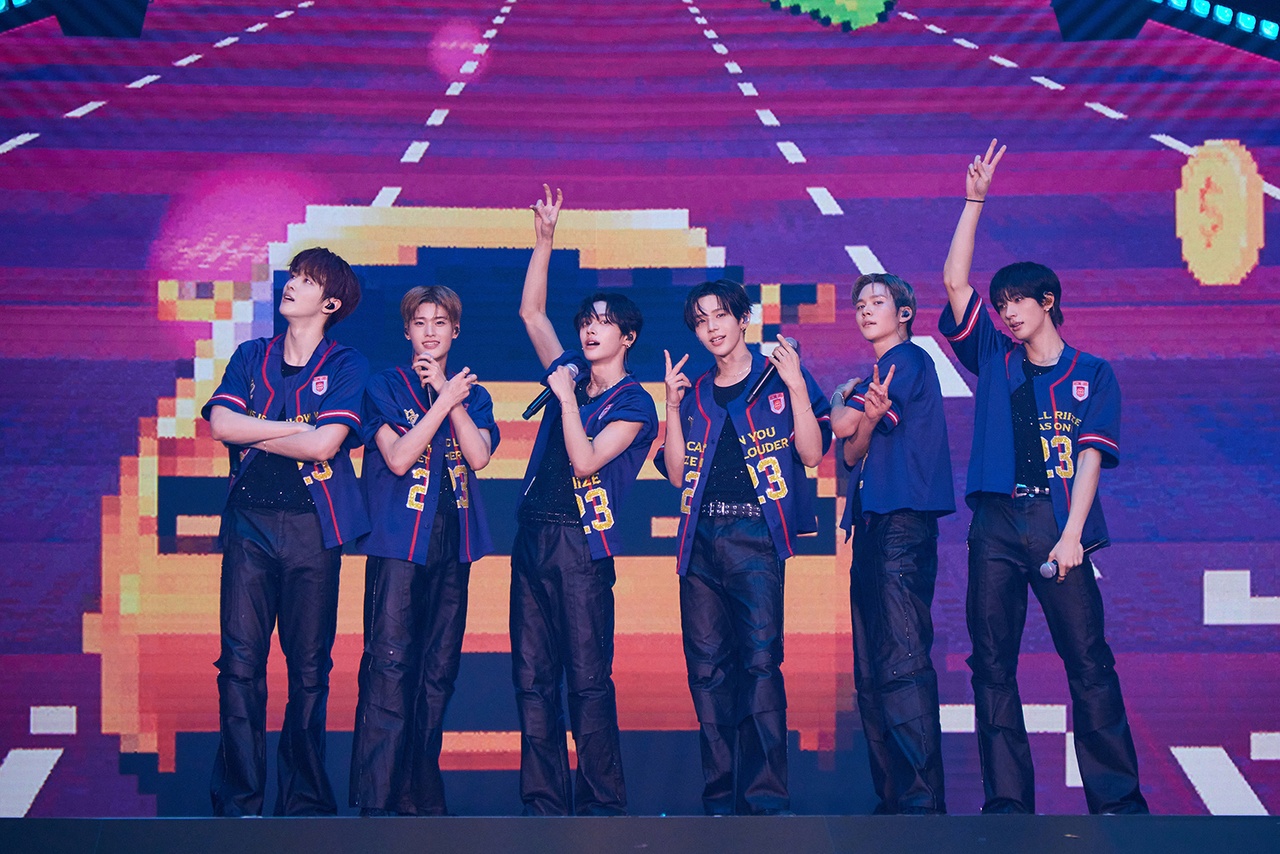
While similar moments take place at nearly every K-pop concert — and even at non-K-pop shows in Korea — such events tend to be shaped by their own narrative, format and behind-the-scenes planning. During boy band Riize's July concert in Seoul, for instance, a sharp whistle cut through the venue three times in the middle of a group photo session, followed by a thunderous chant of "Riize, we love you!" from the crowd.
The echo lingered across the arena, prompting the members to respond, "We love you too!" and "Why have you prepared so much?" — the latter because the "cheering event" was arranged alongside a few other surprises that day, such as a huge message appearing across the higher tiers of the venue reading, "Always, forever, here."
Concerts as not only spectacles, but experiences
Such scenes have become nearly routine at K-pop concerts today, much like how encores have become practically a standard in every concert.
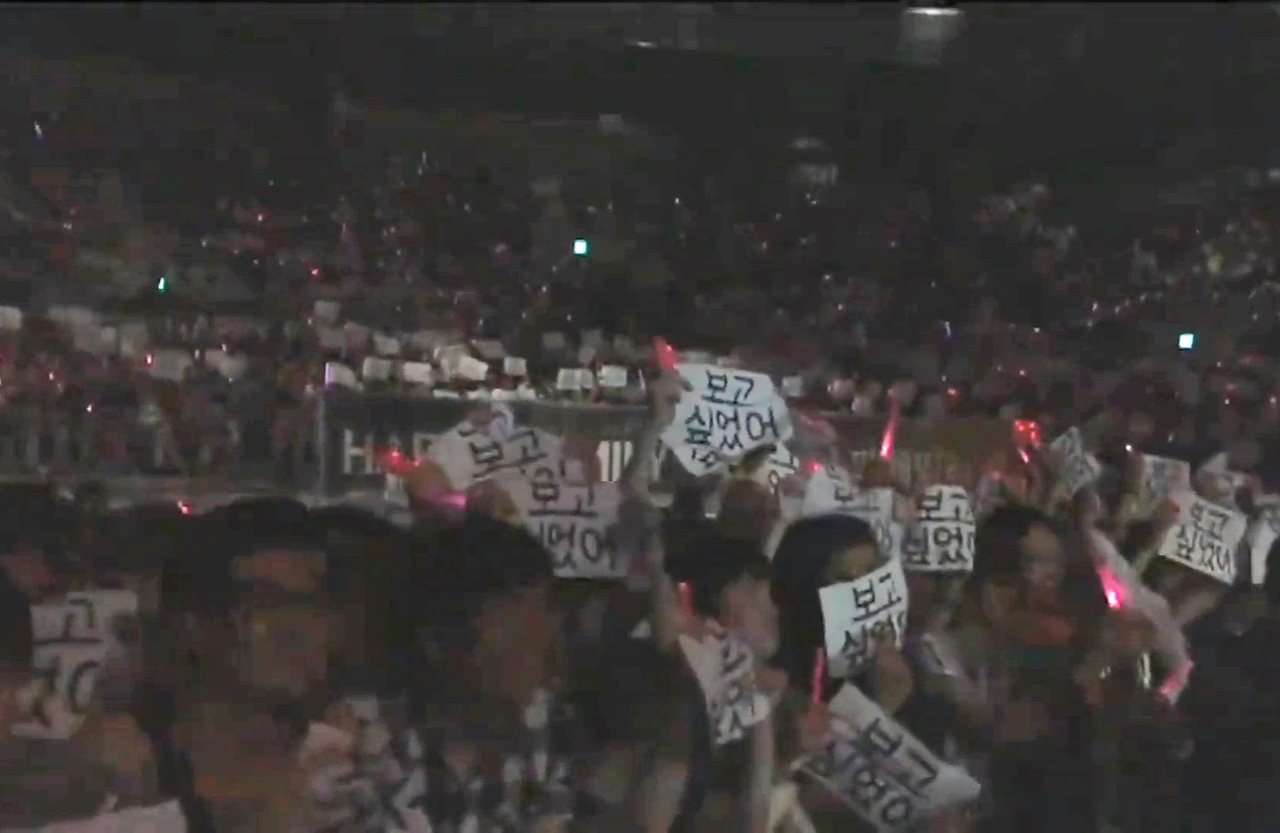
The ritual is widely believed to become popularized after Girls’ Generation’s 2011 concert, where fans held up paper signs that read “We missed you,” prompting emotional responses from the girl group members who shed tears on stage.
Since then, slogan events, often unique to each concert stop, have become souvenirs, with fans exchanging or collecting them to complete sets from a tour stop.
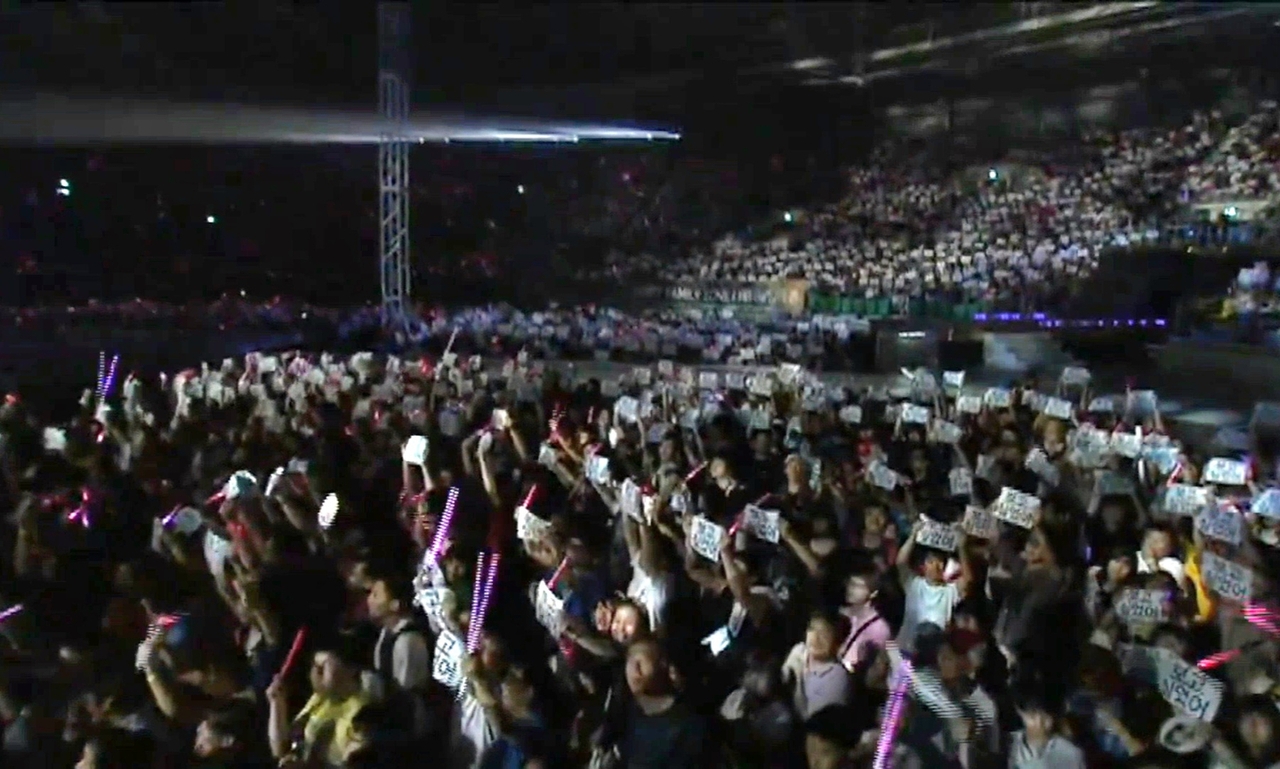
Fan events now take many forms, from paper planes launched toward the stage to synchronized phone flashlights. Though typically fan-led, these moments must be coordinated in advance with agencies, which help manage logistics such as timing, distribution and on-screen cues, all while keeping the surprise intact for artists.
As the scale and polish of these events have grown, so too has the role of entertainment companies to the point in some cases, agencies now initiate what were once purely fan-driven gestures.
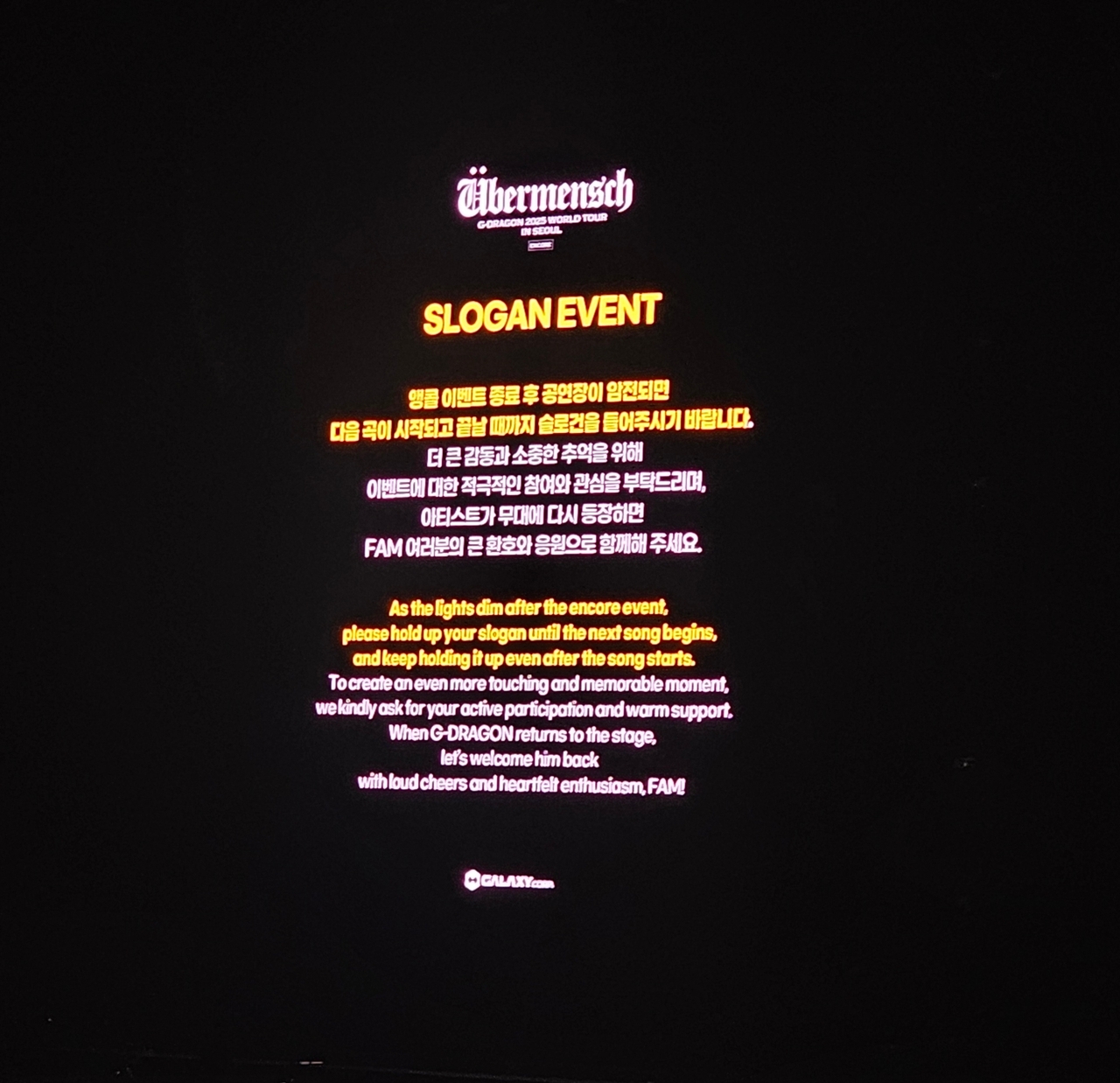
At G-Dragon’s encore concerts in Seoul on Dec. 14, fans chanted his song “Take Me” instead of shouting “Encore,” lifting paper signs that read, “I wish our time doesn’t change even after tonight passes; just like a boy who stands on stage again.”
The event was not organized by fans, but by his agency, Galaxy Corporation. Many major entertainment agencies often take the helm of such events involving fans’ participation in, yet this shift does not reflect a lack of fan initiative, but rather an evolution of collaboration.
“Fandom’s official light sticks evolved from what were once unofficial cheering tools like balloons,” said an industry insider who wished to remain anonymous. “Just like that, these [fan-led] events have become part of what entertainment agencies now prepare as part of fan services for concertgoers.”
Fan events evolve into industry standard
The roots of such fan participation stretch back to the earliest days of K-pop, according to Kim Jung-won, an ethnomusicologist specializing in K-pop culture at Yonsei University.
“Fans are expanding their role [within the K-pop ecosystem],” said Kim. “They’re no longer just audience members, but active participants shaping the experience.”
Early forms of fan engagement can be traced back to the first-generation idol Seo Taiji and Boys. Its fans chanted along to certain verses of songs, led by the guide of the performers, which later evolved into today’s codified fan chants, now taught through official videos released by entertainment agencies as part of the fandom experience.
“What first began with collective singing, derived from a universal human instinct of musicality, has transformed through social change and commercial strategy, which ultimately shaped the fandom culture we see today,” Kim suggested.
Yet, regardless of how its form has changed, the driving force of K-pop experience remains the same: a reciprocal exchange of emotion between artists and fans.
“I believe slogan events are one way of enjoying a show together,” said N.Flying fan Daramjinee. “It’s our answer to the artists on stage who give us such incredible performances.”
BY SHIN HA-NEE [shin.hanee@joongang.co.kr]