BTS kicks off 'Arirang' tour with seamless blend of old and new in Goyang in regal fashion
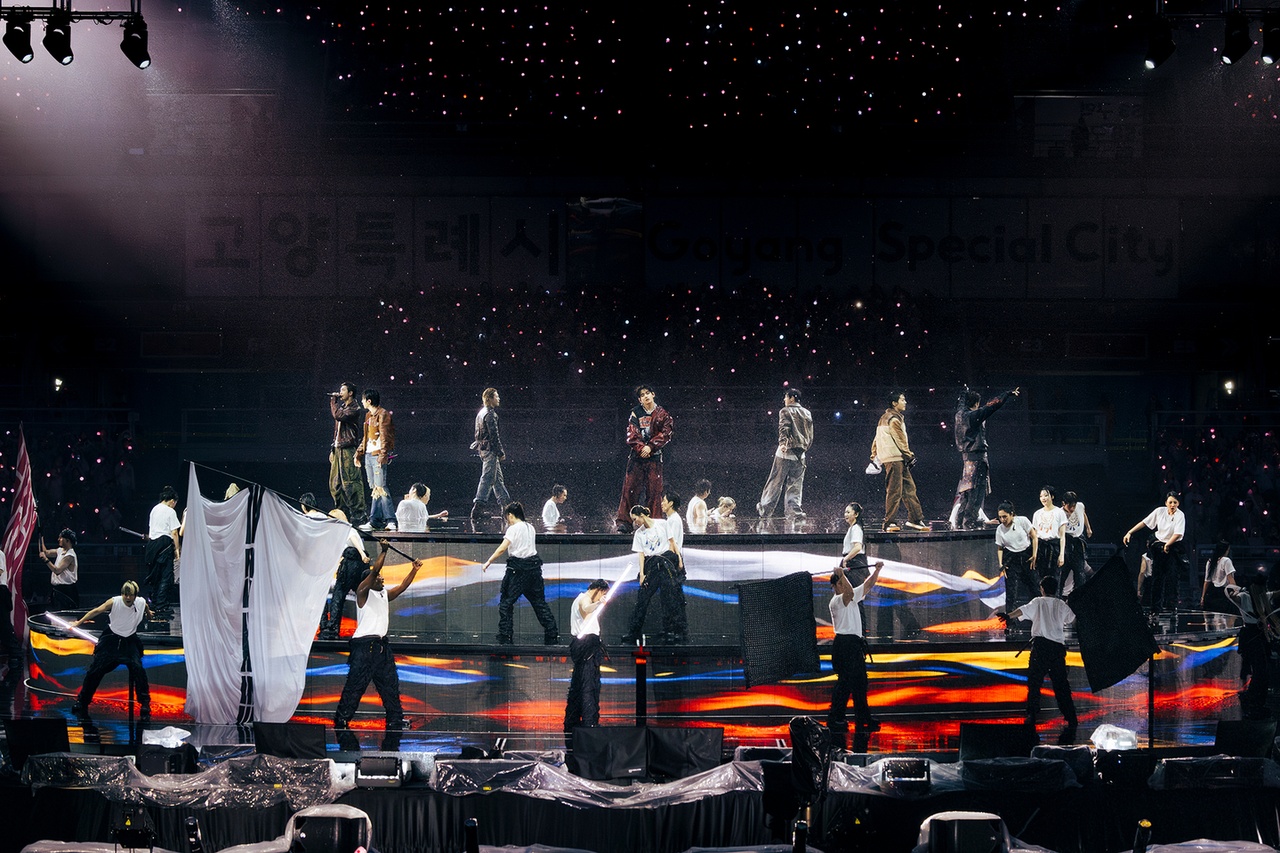
GOYANG, Gyeonggi — It felt like nothing less than a kings’ procession when BTS circled the vast Goyang stadium on Saturday, with flags aloft and marching beats pounding through the chilly night air as the group declared, “I know what I am, I know what I want — I never gon’ change.”
The two-and-a-half-hour show that kicked off the world’s biggest pop group’s latest “Arirang” tour delivered exactly that: a regal spectacle shaped by performers long seasoned by intense global scrutiny. Meticulously crafted production values elevated the performance, weaving each staging and song together with seamless precision into an immersive, near-cinematic experience that paid homage to the group’s Korean roots.
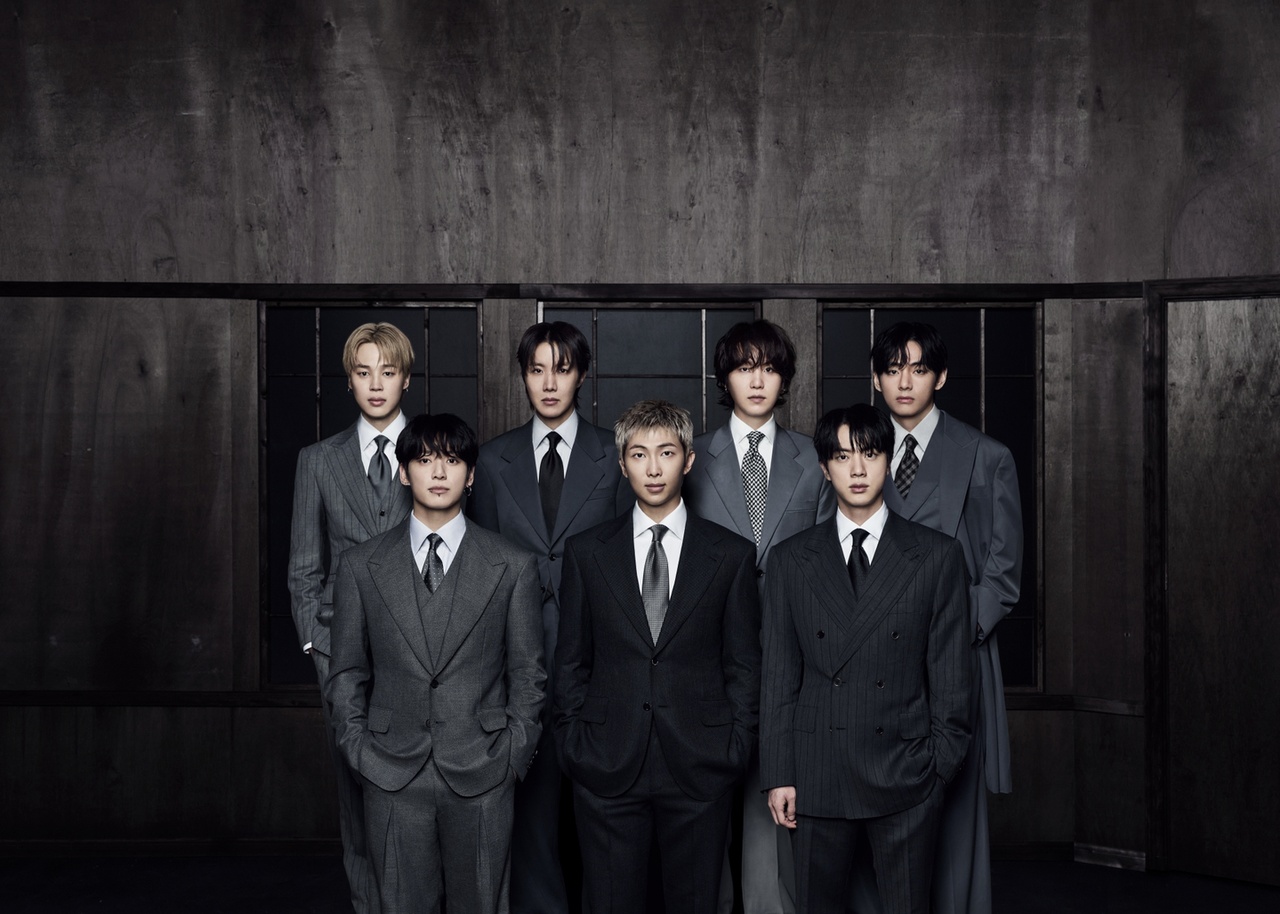
Following the release of its fifth full-length album, “Arirang,” on March 20, BTS launched what is set out to become K-pop’s largest tour to date — and also the group’s first full-fledged world tour in more than six years — with three sold-out shows at Goyang Main Stadium in Gyeonggi on Thursday, Saturday and Sunday, each drawing 44,000 attendees.
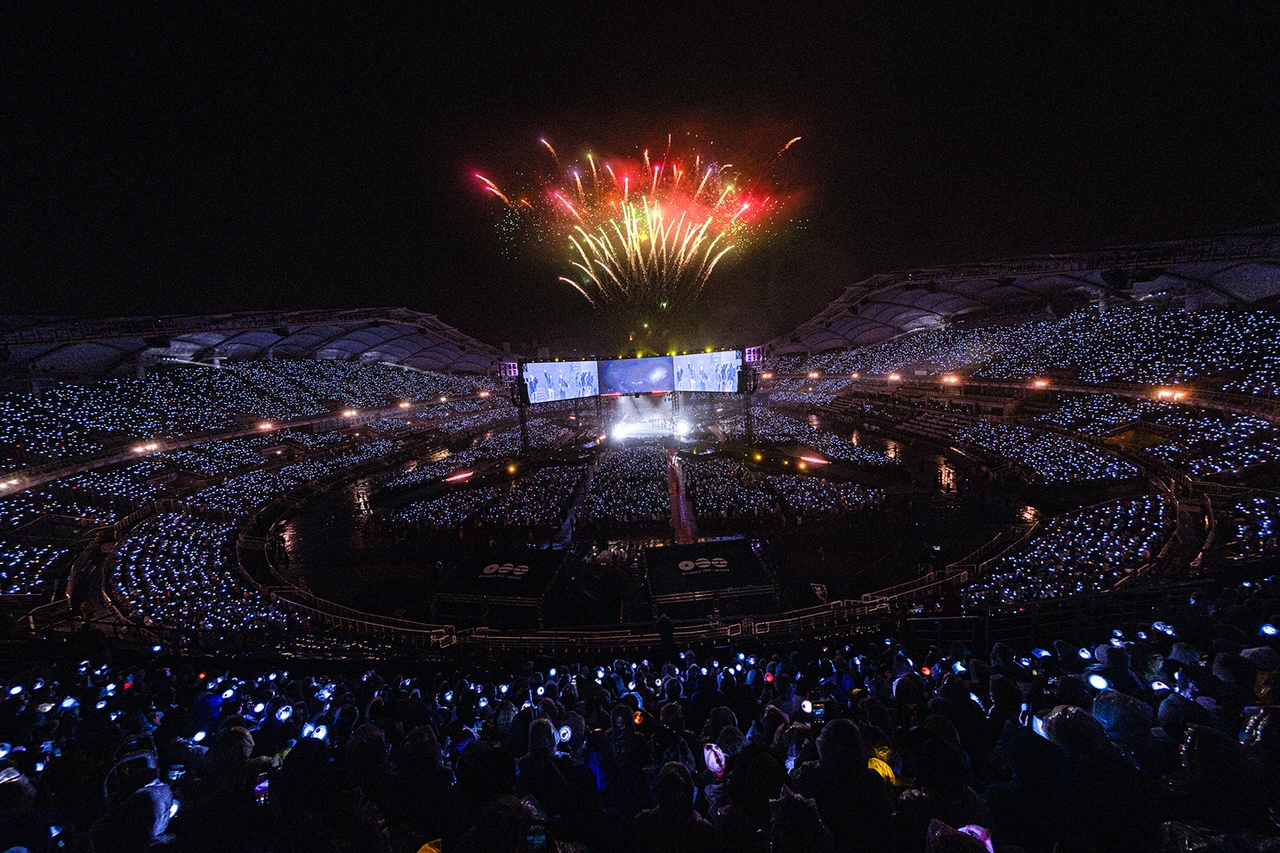
The stage was designed for 360-degree viewing, with four pillars topped by giant screens surrounding the central open stage, while four thrust stages extended toward each corner of the stadium.
While Thursday’s opening show was hindered by pouring rain, the weather on Saturday — the night invited journalists attended — was ideal.
Perhaps helped by the favorable conditions, the explosive excitement of BTS’s fans, known as ARMY, was palpable in the air.
Before the show began, as the sound of gayageum (traditional Korena zither) played alongside a visualizer displaying lyrics from Korean folk songs, fans chanted each member’s name, shouted “BTS, BTS!” and waved their light sticks in synchronized audience movements, as if revving up for a grand takeoff.
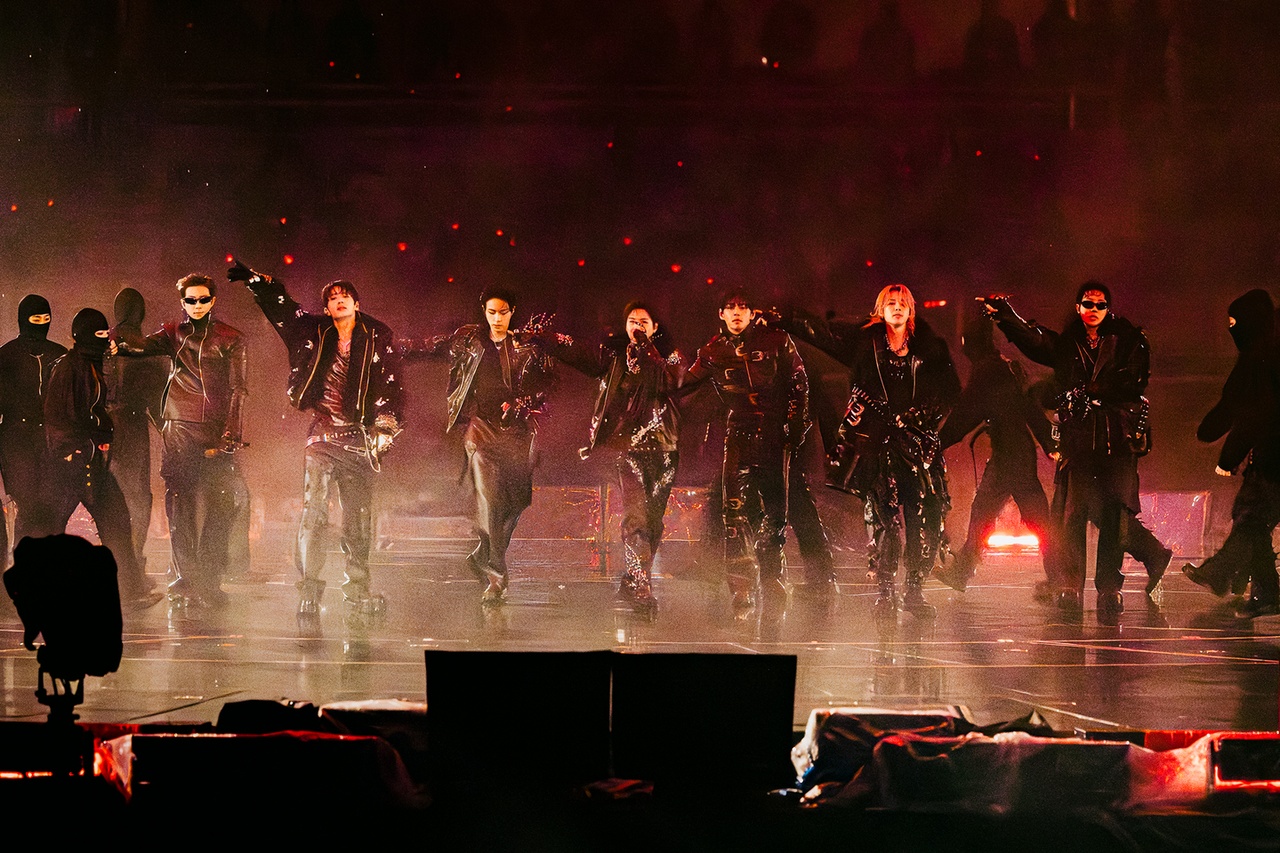
About eight minutes past the scheduled 7 p.m. start, a lone runner suddenly emerged from the far end of one of the thrust stages holding a blazing red torch, dashing toward the main stage like an Olympic torchbearer. Then soon came the sound of clashing swords, cutting through blazing red flames and thick smoke to signal the start of “Hooligan.”
With no walls enclosing the stage, the smoke itself became a curtain, first shrouding the members from view before slowly thinning to reveal a scene that resembled a dramatic battlefield after combat.
Heat from the pyrotechnics and the drifting smell of smoke added to the immersion as BTS launched into the hip-hop-heavy run of “Aliens” and “Run BTS” (2022), during which a circular two-story lift stage rose surrounded by LED screens.
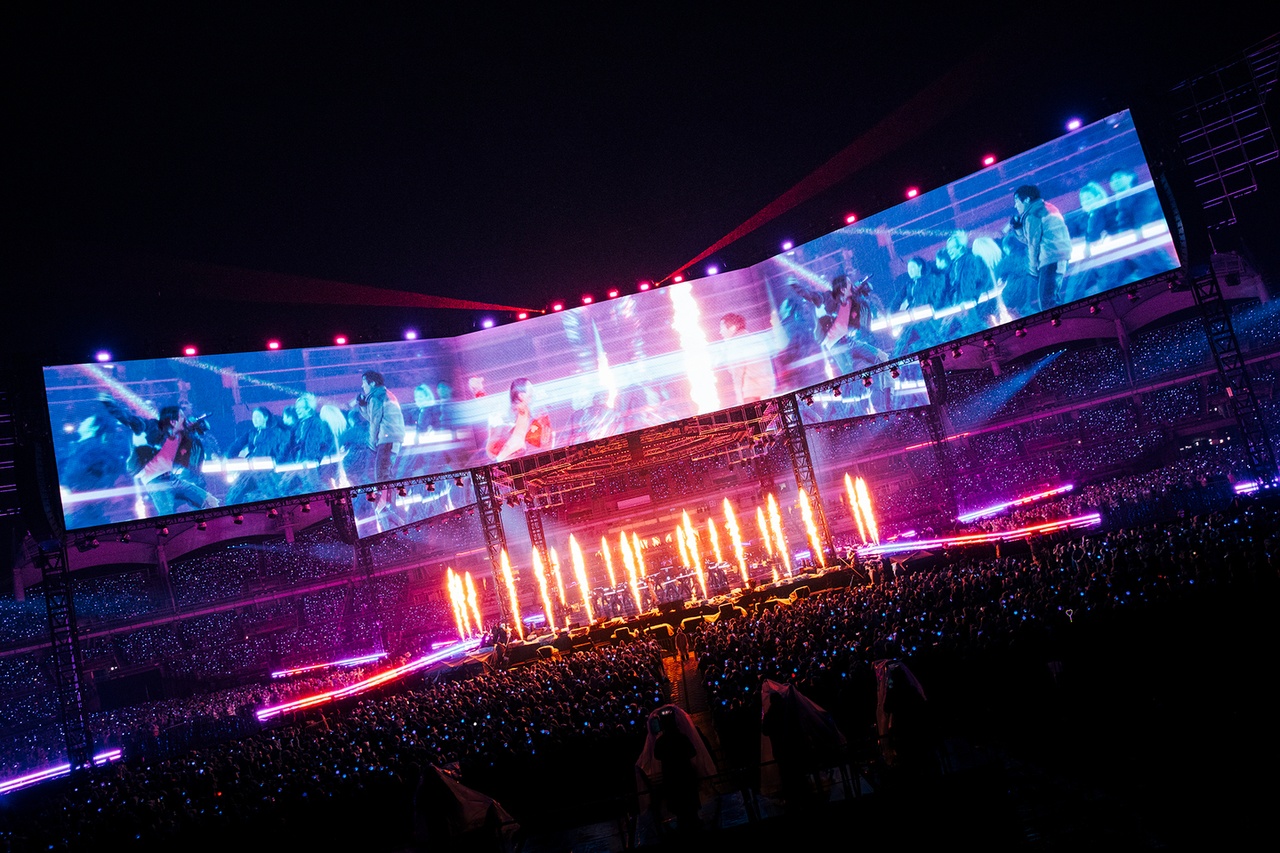
“We prepared a lot to show you something new,” Suga said at the start of the night. “We made a lot of effort with the stage, the set list and every element of the show, so it may feel a bit unfamiliar — but I hope you’ll enjoy it through to the end.”
True to the rapper’s promise, the group leaned into several different experiments throughout the show. Creative effects and a large crew of dancers more than compensated for the relative lack of onstage installations and a notably less dense dance performance by BTS, instead turning each stage into a dramatic tableau with the surrounding sea of light sticks becoming part of the spectacle.
One of the production’s strongest features was the seamless way songs flowed together within each thematic set.
In the medley from “they don’t know ‘bout us” to “like Animals,” “Fake Love” (2018), “Swim” and “Merry Go Round,” dancers and stage props flowed fluidly from one song to the next, transforming into living stage installations.
During “Swim,” for example, sheets of white fabric became rolling ocean waves while cobalt blue laser beams from the edge of the stadium added a sense of depth. The same fabric then was repurposed into a carousel-like canopy for “Merry Go Round.”
The intermission for the first costume change was also filled with symbolism, such as dancers carrying flowing pieces of fabric with colors drawn from traditional Korean aesthetics, amplifying the sense of grandeur.
The second segment opened with “2.0,” arguably one of the most quintessentially BTS tracks from the new album, both in sound and attitude, coupled with full choreography.
After the relatively stripped-down “Normal,” the concert hit its first major peak with a run of “Not Today” (2017), “MIC Drop” (2018), “FYA” and “Fire” (2016), some of the most intense hip-hop dance tracks in BTS’s discography.
“FYA” and “Fire,” in particular, blended seamlessly despite being released a decade apart. The same was true for “Body to Body” and “Idol” (2018).
As imagery of traditional Korean architecture filled the screen above the stage, “Body to Body” — a song that sampled a Korean traditional folk song while also heralding the opening of the “BTS 2.0” era as the first track of the new album — blended naturally into “Idol,” a track released in the middle of BTS’s rapid global rise between 2016 and 2020. With its experimental mix of African rhythms and Korean traditional motifs supporting its defiant lyrics, “I know what I am, I know what I want / I never gon’ change,” “Idol” almost felt like a sister track to “Body to Body,” as if the two had been made to be performed back to back.
As the extended instrumental of “Idol” played, BTS walked around the stadium to greet fans up close in a moment that felt almost like a royal procession, one of the clearest statements of what this tour represents for BTS’s current place in the music landscape.
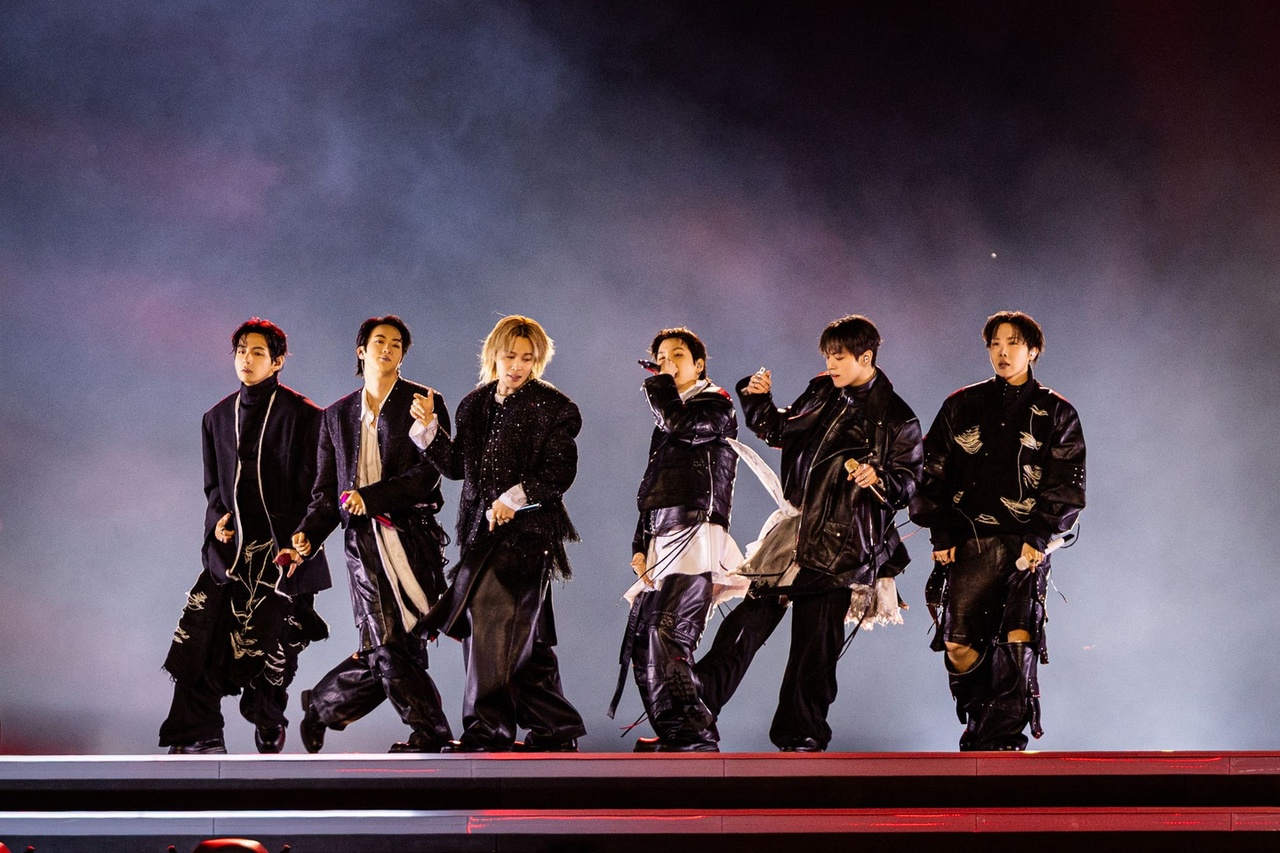
Following an emotional intermission featuring fan slogans from around the world, including “We kept the promise; We stayed,” BTS returned for “Come over” and what the members described as intimate “karaoke time” with fans, spontaneously performing “Take Two” (2022) and “DNA” (2017), seemingly genuinely at ease, full of smiles, laughter and lighthearted banter.
Before closing the night with “Please” and “Into the Sun,” along with grand fireworks, the members sat on the slowly spinning lift stage and gazed out at the sea of fans.
After bowing in gratitude, RM emphasized that BTS does not take the love filling the stadium for granted, while reflecting on the group’s new beginning.
“We’ve been declaring a lot of changes, but the most important thing hasn’t changed,” the rapper said. “The most important things are that we, the seven of us, decided to continue on together, and that the genuine sincerity we hold for you remains unchanged.”
The members have now spent more than a decade together now and entered a new phase of life, he noted, asking fans to trust them for what comes next.
“The decisions we made are to keep doing this together for a long time — so please trust us,” he said. “We’d really appreciate it if you could have a bit more faith in us, and enjoy the ride with us.”
BY SHIN HA-NEE [shin.hanee@joongang.co.kr]