Goodbye cutesy, hello techno: Girl groups embrace harder, faster, louder sounds as trends shift
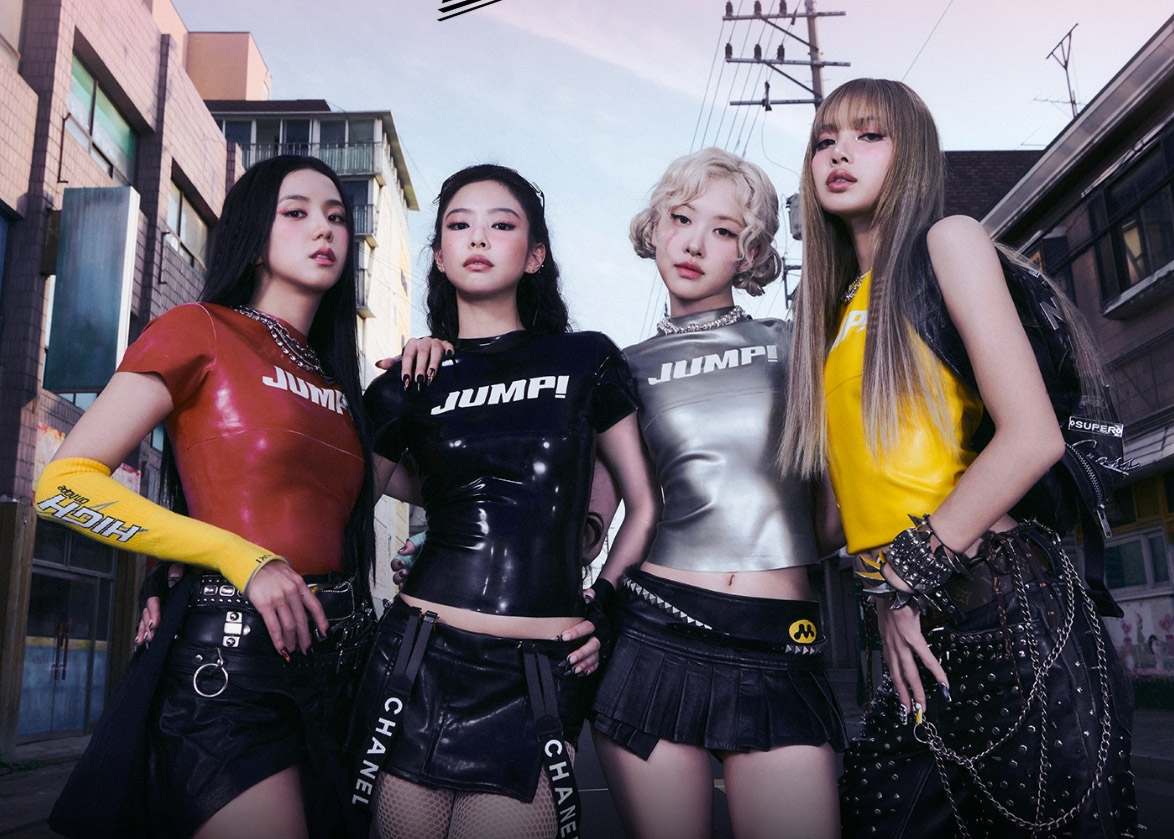
Harder, faster and definitely stronger, but is it better? K-pop is increasingly embracing hard-hitting techno sounds, as girl groups tilt away from the cutesy-lovey-bubbly theme toward bold beats and club aesthetics that align with short-form video promotion, which has become the advertising norm.
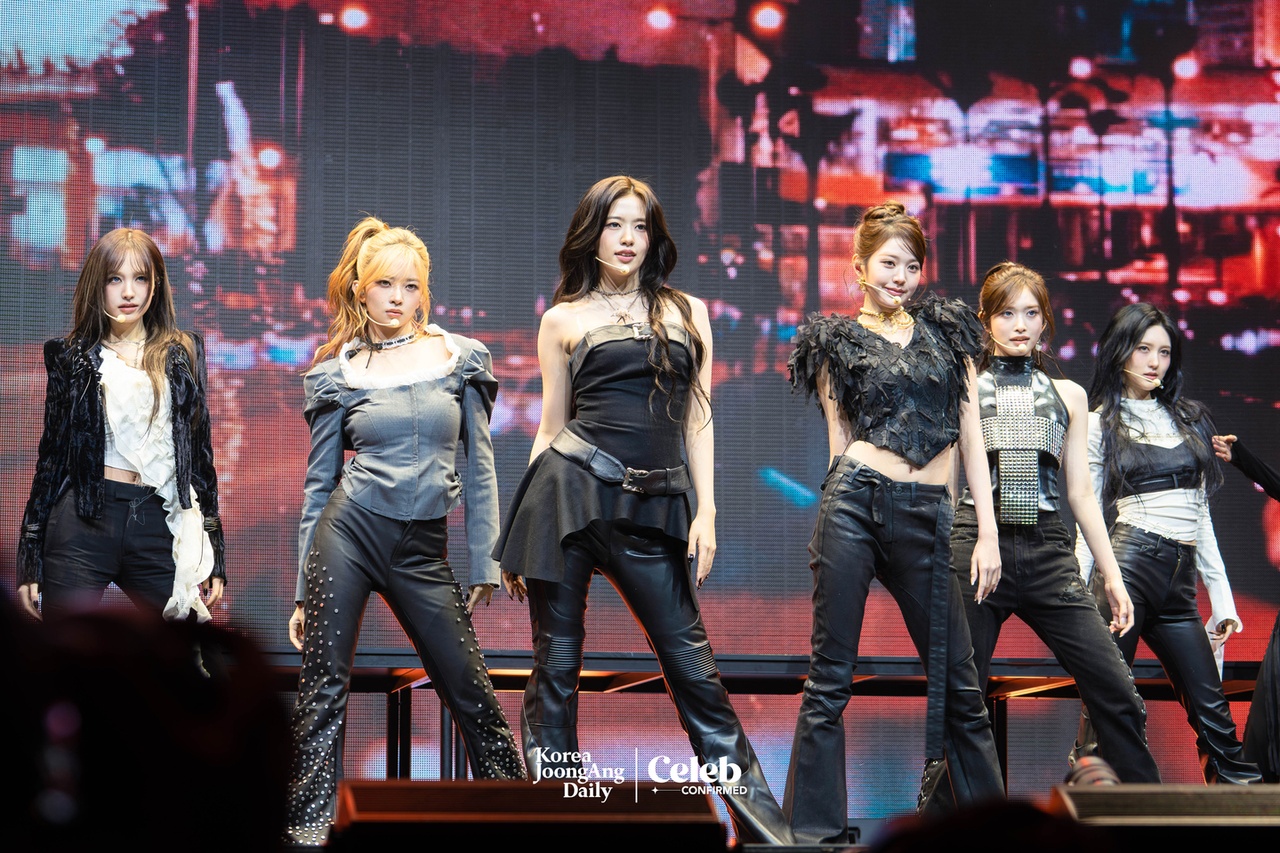
Among the most prominent recent examples is girl group ILLIT's “It’s Me,” released on April 30. Known previously for softer, playful tracks such as “Magnetic” (2024) and “Cherish (My Love)” (2024), the group shifted toward aggressive beats and more dynamic performances for its new release, drawing positive responses for the change.
ILLIT’s fourth EP, “Mamillapinatapai,” which includes “It’s Me,” ranked No. 26 on the U.S. Billboard 200 albums chart on May 16. In Korea, the song ranked third on Melon’s Top 100 chart and sixth on Genie Music’s Top 200 chart as of May 17.
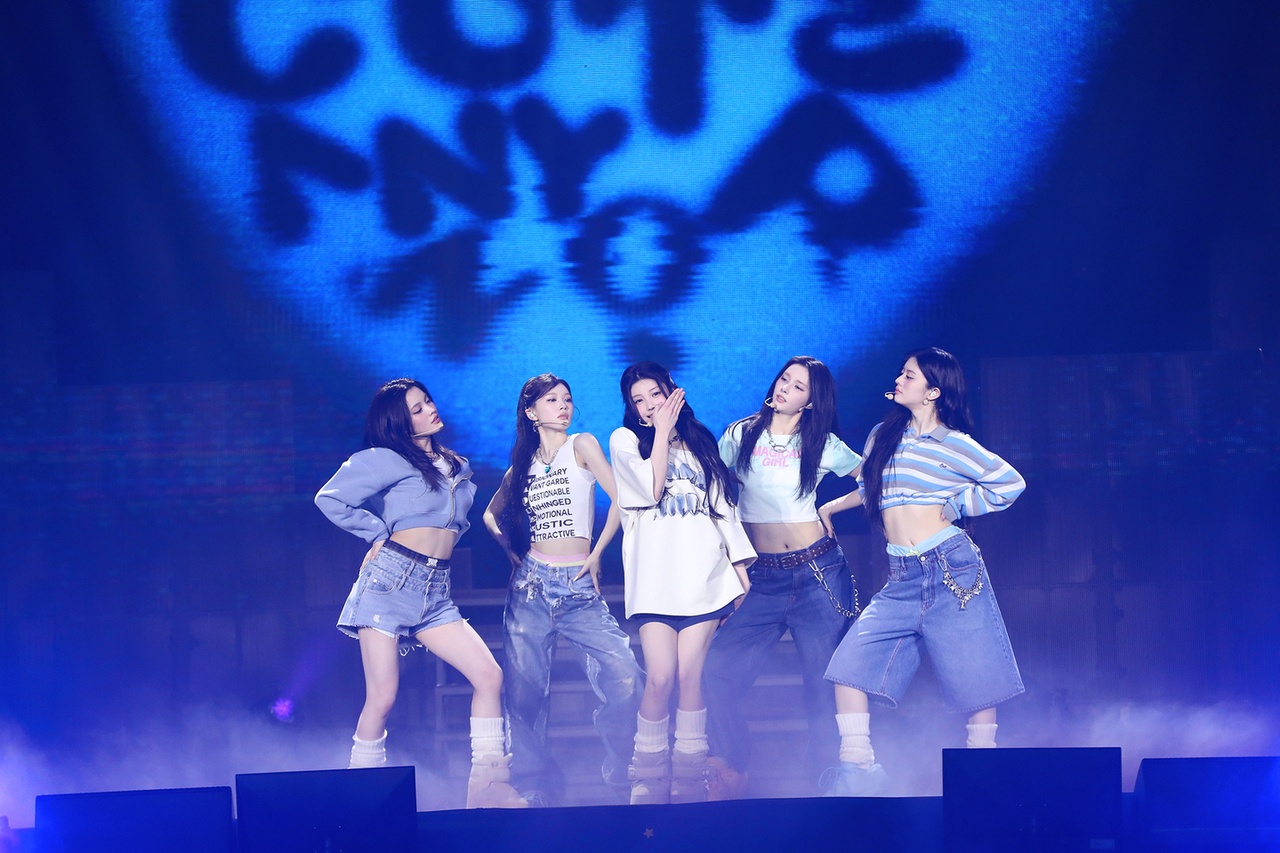
Girl group IVE’s “Bang Bang,” built around repetitive four-on-the-floor kick drum patterns reminiscent of techno rhythms, has also continued to perform strongly on domestic streaming charts since its release in late February.
The song has remained in Melon’s Top 10 and ranked seventh as of May 16. The group, previously known for melody-driven hits such as “I Am” (2023) and “Love Dive” (2022), reinvented its image by incorporating a more international club sound.
While techno elements have appeared in K-pop for decades, Blackpink is seen as one of the groups that helped bring the genre back into the mainstream global spotlight recently.
Its single “Jump” (2025) featured rapid kick drums, short synth hooks and repeated chants of the lyric “jump.” The song reached No. 1 on Spotify’s global weekly chart, making Blackpink the first K-pop group to top the chart. The track also topped Billboard’s Global chart.
The techno trend currently influencing K-pop draws heavily from the hard-edged club sound popular in European cities such as Berlin.
The genre is characterized by extremely fast tempos, pounding kick drums and sharp electronic sounds. Compared to traditional techno tracks, which often repeat the same musical phrase for seven to 10 minutes to an almost hypnotic degree, K-pop versions tend to move faster and place greater emphasis on melody.
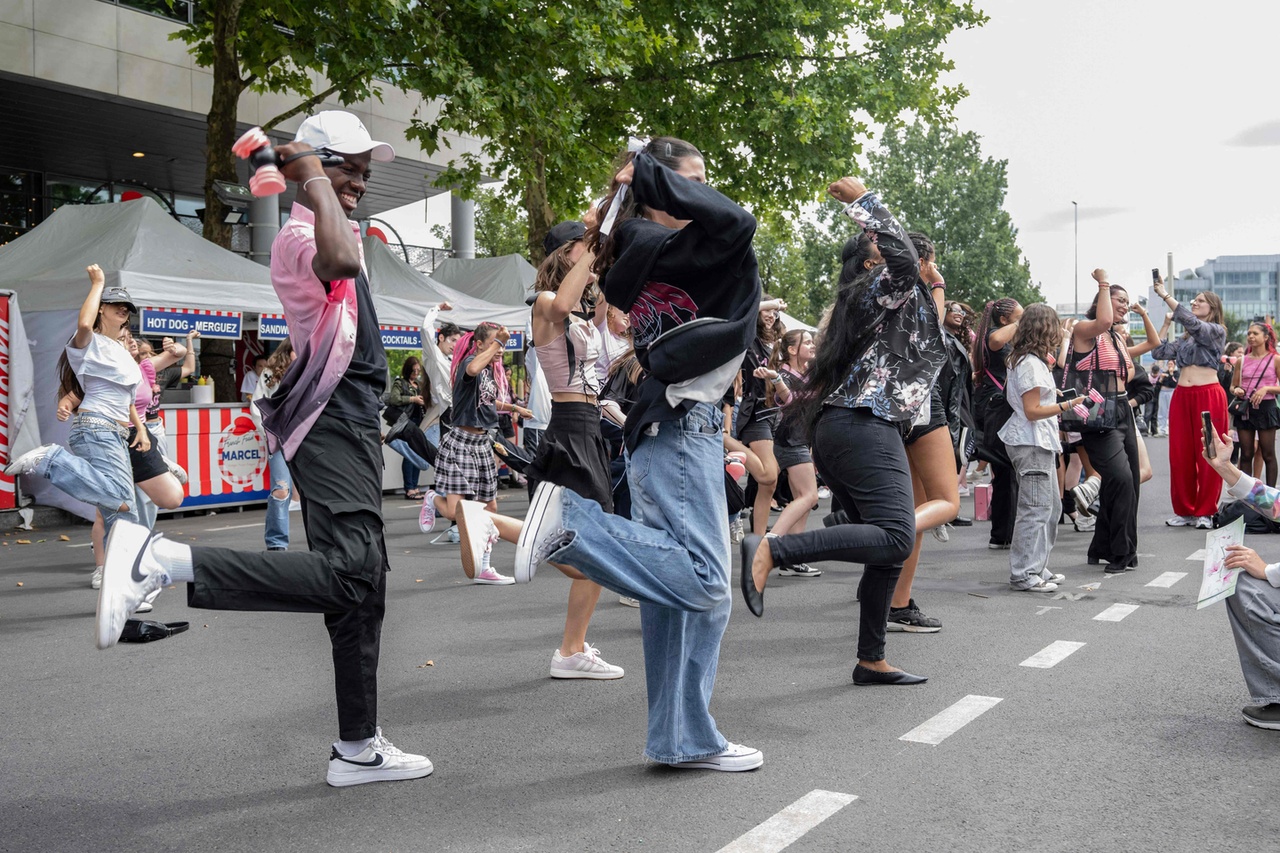
Korea has already experienced a techno boom more than two decades ago, with hits such as male dance duo Clon’s “Choryeon” (2000) and singer Lee Jung-hyun’s “Wa” (1999).
At the time, however, the term “techno” in Korea was used more loosely to refer to a broad range of electronic dance music popular in European clubs. The music itself was actually closer to dance-pop or Eurodance.
Critics say techno’s distinctly artificial aesthetic, built entirely from electronic sounds rather than acoustic instruments, aligns well with the bold, stylized image and unique concepts many K-pop girl groups aim to project. Most K-pop acts that gained popularity in the 2020s largely leaned on hip-hop- or house-based music.
“K-pop has always been driven not just by mainstream appeal, but also by a desire to stay at the forefront of trendy dance music,” critic Lee Dae-hwa said. “As the industry looks for the hottest underground genres, it seems to have turned its attention to Europe’s growing techno scene. The dark, chic atmosphere of club techno also fits surprisingly well with the bold, edgy image many K-pop girl groups are trying to project.”
Some critics also see the trend as a response to changing music consumption habits, as listening times grow shorter and audiences are increasingly “watching” rather than simply “listening.”
Techno music's fast-paced, repetitive structure makes it especially well-suited for short-form videos, where immediate attention-grabbing is key.
“Techno is not really music for deep listening,” music critic Lim Hee-yun said. “Its choreography is generally simpler than the hip-hop-based dance performances common among boy groups, and that makes it especially effective for shorts-focused global marketing.”
This article was originally written in Korean and translated by a bilingual reporter with the help of generative AI tools. It was then edited by a native English-speaking editor. All AI-assisted translations are reviewed and refined by our newsroom.
BY CHOI MIN-JI [lee.jiwon10@joongang.co.kr]